Zero Trust Security With Blockchain: How They Combine
How blockchain strengthens zero-trust security: immutable access logs, decentralized identity and continuous verification, with the benefits and limits.

Introduction
The rise of zero-trust security models is reshaping how businesses protect their digital assets. With cyber threats escalating, the need for stronger defenses is urgent. Enter blockchain, a technology that promises to enhance zero-trust frameworks. This integration could offer a new level of security, addressing vulnerabilities that traditional models struggle to manage.
Zero-trust security operates on the principle of "never trust, always verify." It requires strict identity verification for every user and device. However, existing models face challenges in scalability and data integrity. Blockchain, with its decentralized ledger system, can fill these gaps. It ensures that every transaction or access request is recorded and immutable, reducing the risk of unauthorized access.
Security practitioners see potential in this combination: integrating blockchain with zero trust adds a layer of verification that is both robust and adaptable.
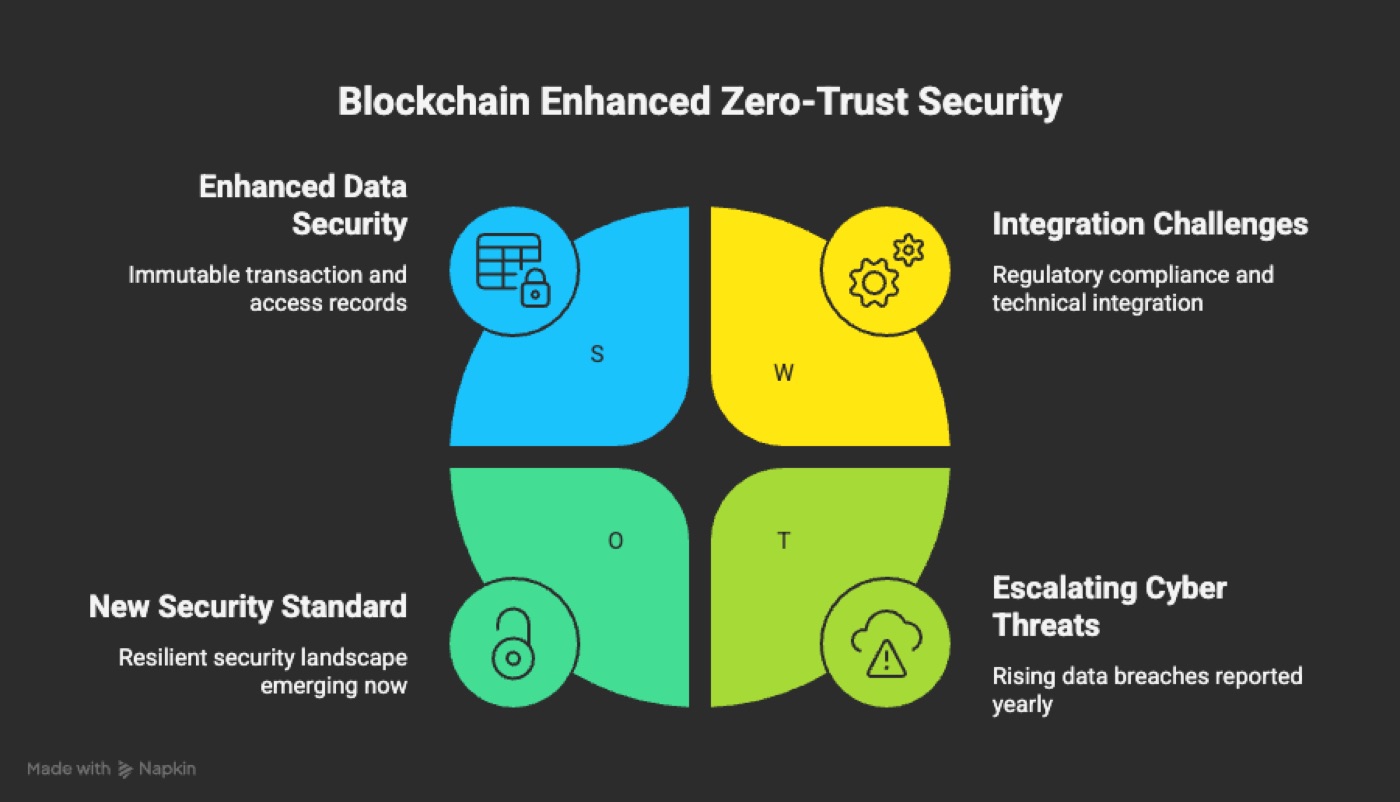
Statistics highlight the urgency of this shift. Cyberattacks are increasing, with a 67% rise in data breaches reported last year. Recent advancements in blockchain are making it more accessible for security applications. Companies are already seeing success stories, like a financial firm that reduced fraud incidents by 30% after implementing blockchain-enhanced security.
Looking ahead, the integration of blockchain with zero-trust models could set a new standard in cybersecurity. However, businesses must navigate potential hurdles, such as regulatory compliance and technical integration. As industries evolve, this approach may become essential in safeguarding digital environments. The potential for a more resilient security landscape is on the horizon, promising to reshape how we protect our digital world.
Blockchain Integration in Zero-Trust Security
Businesses are increasingly adopting zero-trust security models. This trend is driven by the rise in cyber threats. Organizations are looking for more robust security solutions. Blockchain is gaining attention as a way to enhance zero-trust frameworks. Its potential to bolster security is becoming more apparent. Recent cyberattacks highlight the need for stronger defenses. Companies are exploring how blockchain can fit into their security strategies. The integration of blockchain with zero-trust is seen as a promising development. This approach could redefine how businesses protect their digital assets.
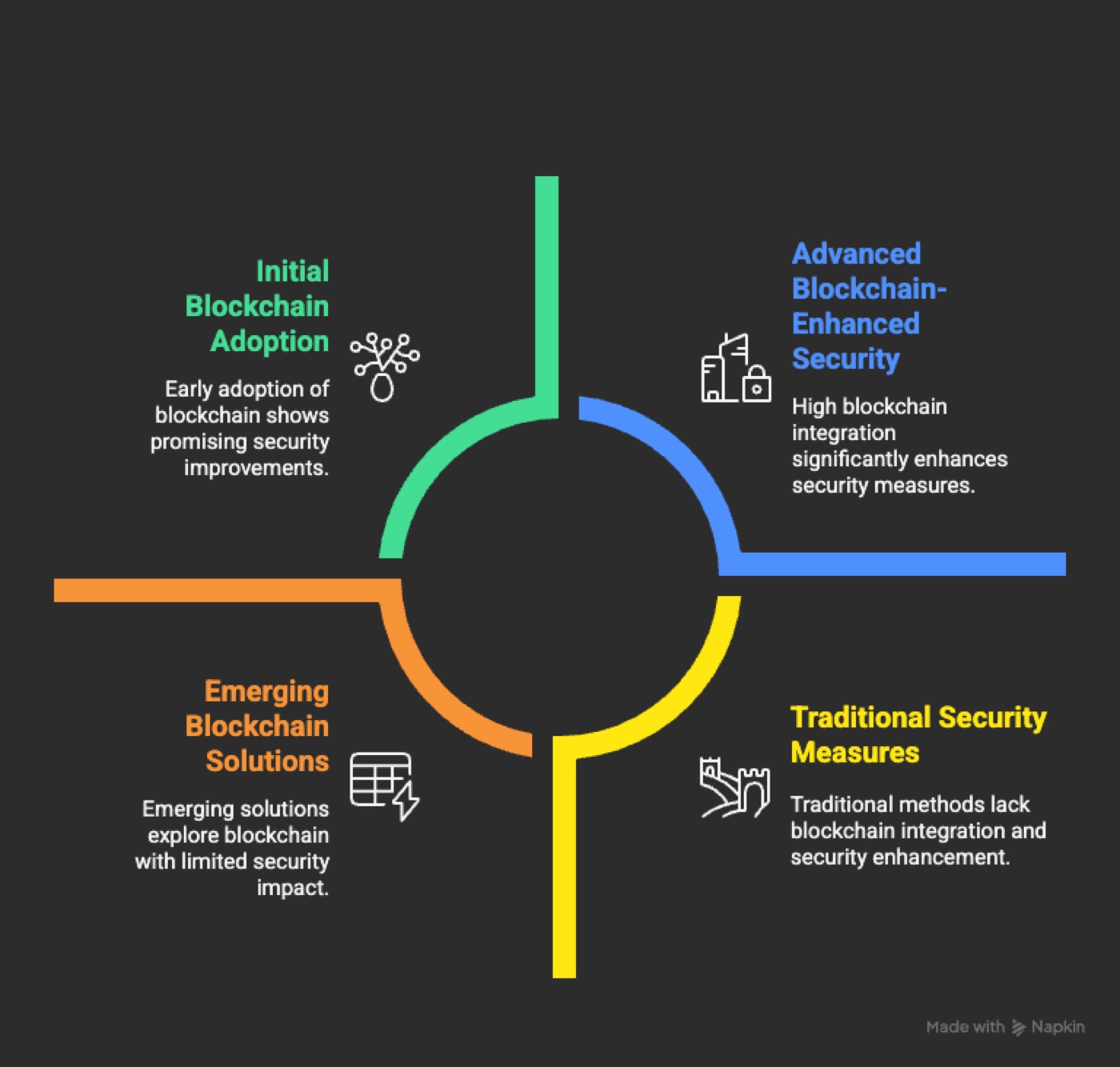
Blockchain Integration in Zero-Trust Security
Blockchain is set to redefine zero-trust security. As cyber threats escalate, traditional security models struggle to keep pace. Enter blockchain, a game-changer in the digital defense arena. Its decentralized nature offers a fresh approach to security, promising to tackle vulnerabilities head-on. By integrating blockchain, zero-trust models can achieve a new level of resilience. This synergy is not just about enhancing security; it's about transforming how we protect data in an increasingly interconnected world.
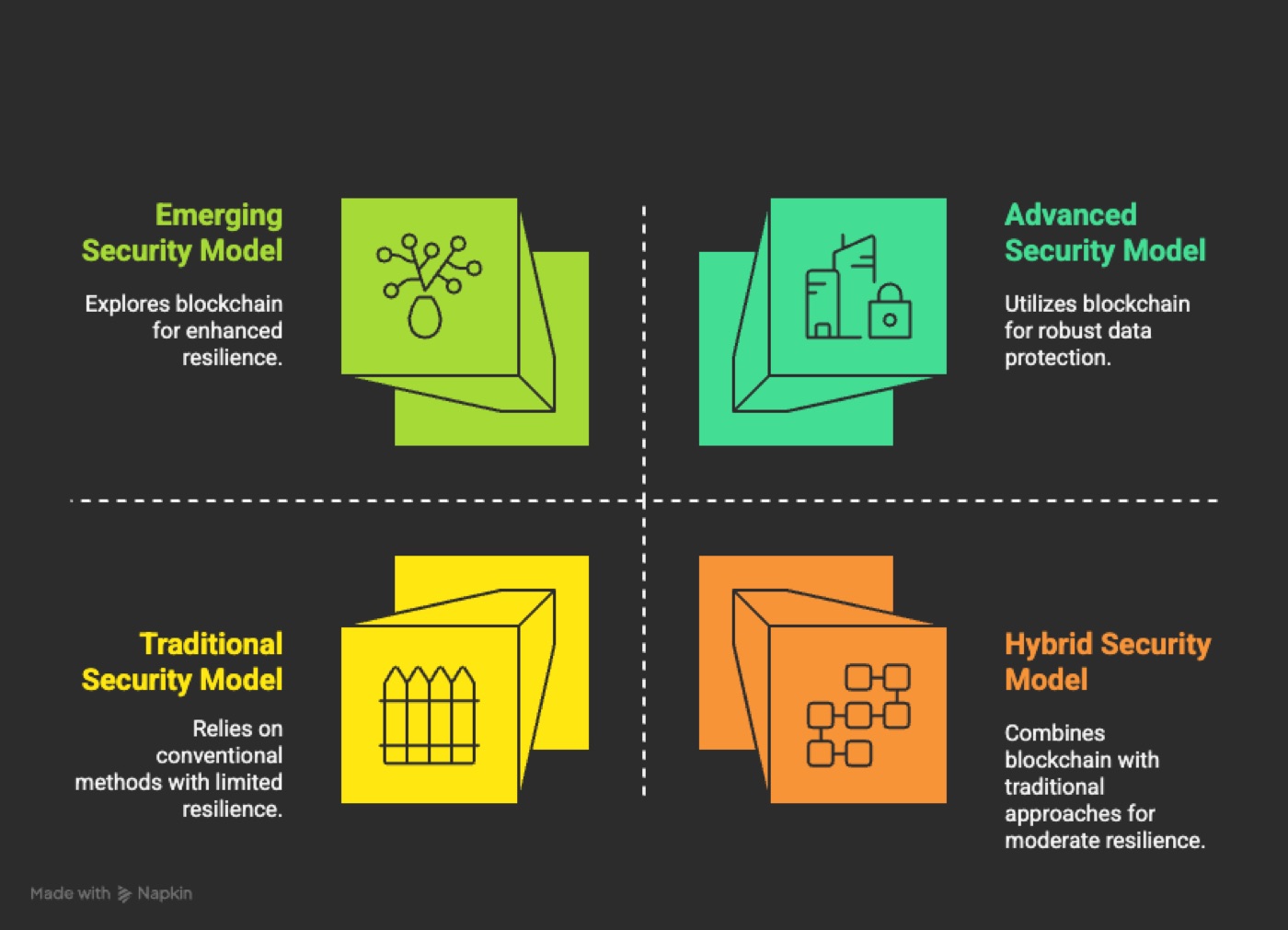
Where Zero-Trust Meets Blockchain Security
Zero-trust security is a model that assumes threats could come from inside or outside a network. It requires strict identity verification for everyone trying to access resources. This model operates on the principle of "never trust, always verify." It ensures that access is granted only to those who need it, and only for the time they need it. However, traditional zero-trust models face challenges like managing complex permissions and ensuring real-time verification.
Blockchain, a decentralized ledger technology, offers a solution. It records transactions across multiple computers, ensuring data integrity and traceability. This can enhance zero-trust models by providing a tamper-proof way to verify identities and access requests. However, without blockchain, zero-trust systems may struggle with data breaches and unauthorized access.
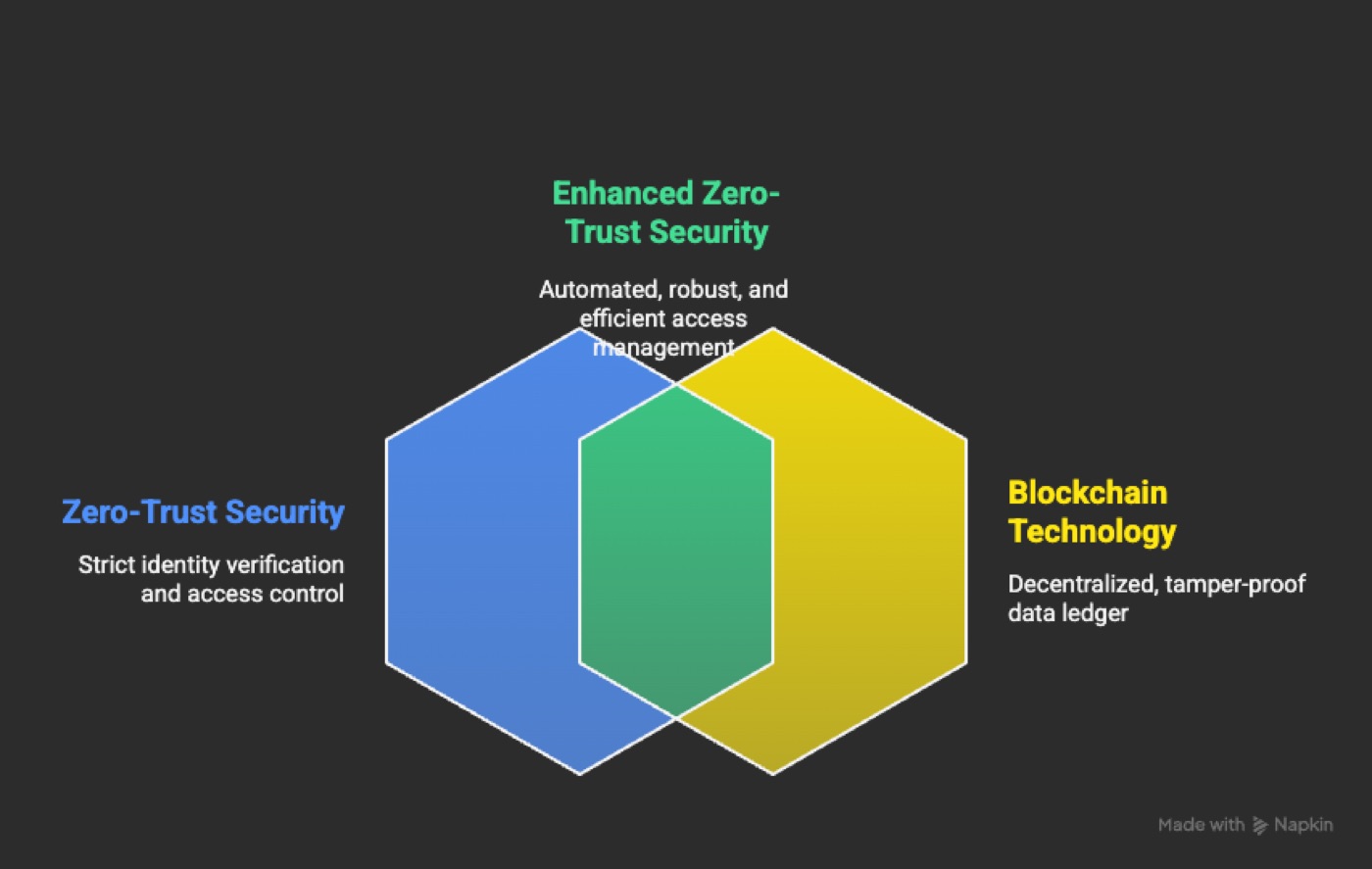
Integrating blockchain can address these limitations by adding an extra layer of security. It can automate identity verification and simplify permission management. This integration promises to make zero-trust models more robust and efficient, addressing the growing need for advanced security measures in today’s digital landscape.
Blockchain Enhances Zero-Trust Security
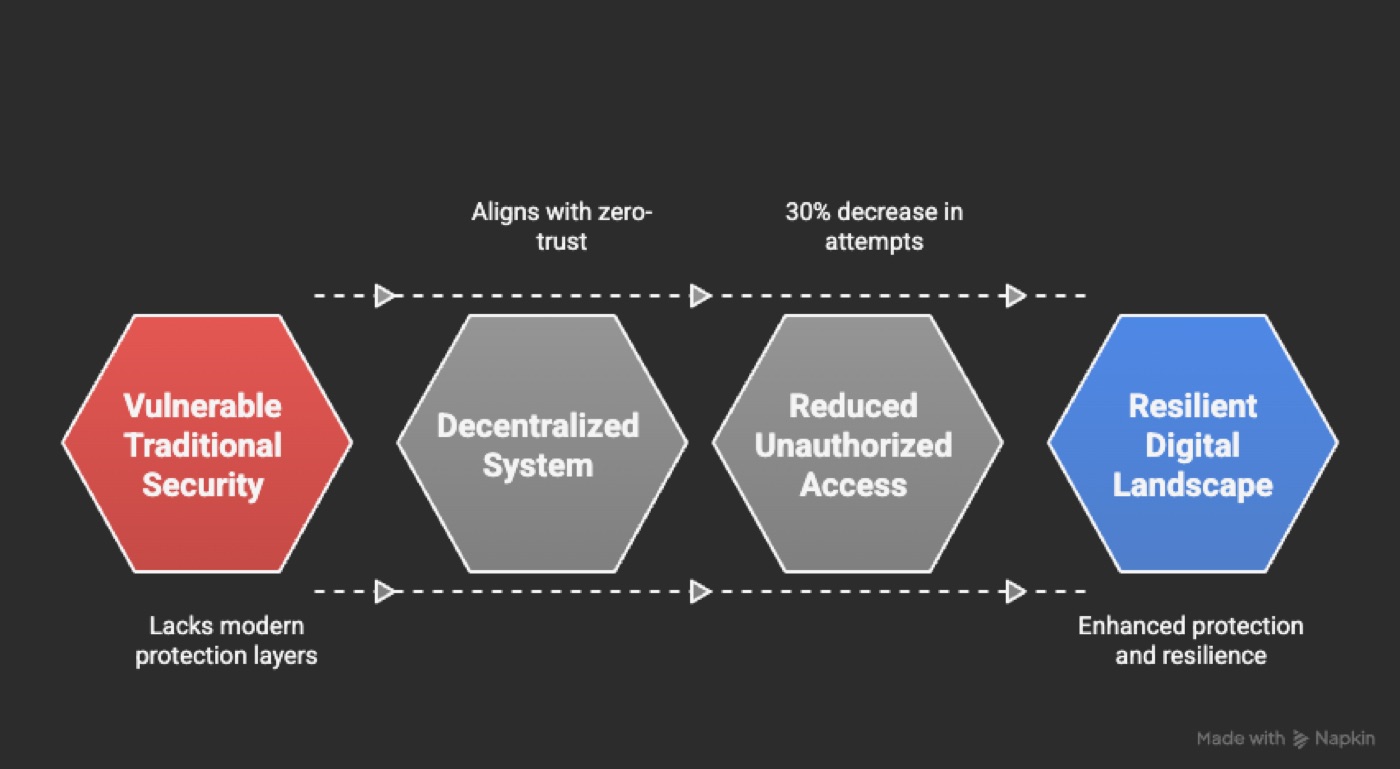
Many in the industry see blockchain as a natural fit for zero trust: it adds a layer of protection that traditional models lack, and its decentralized design aligns closely with the principle of never trusting by default.
Factual Information with Timely Updates
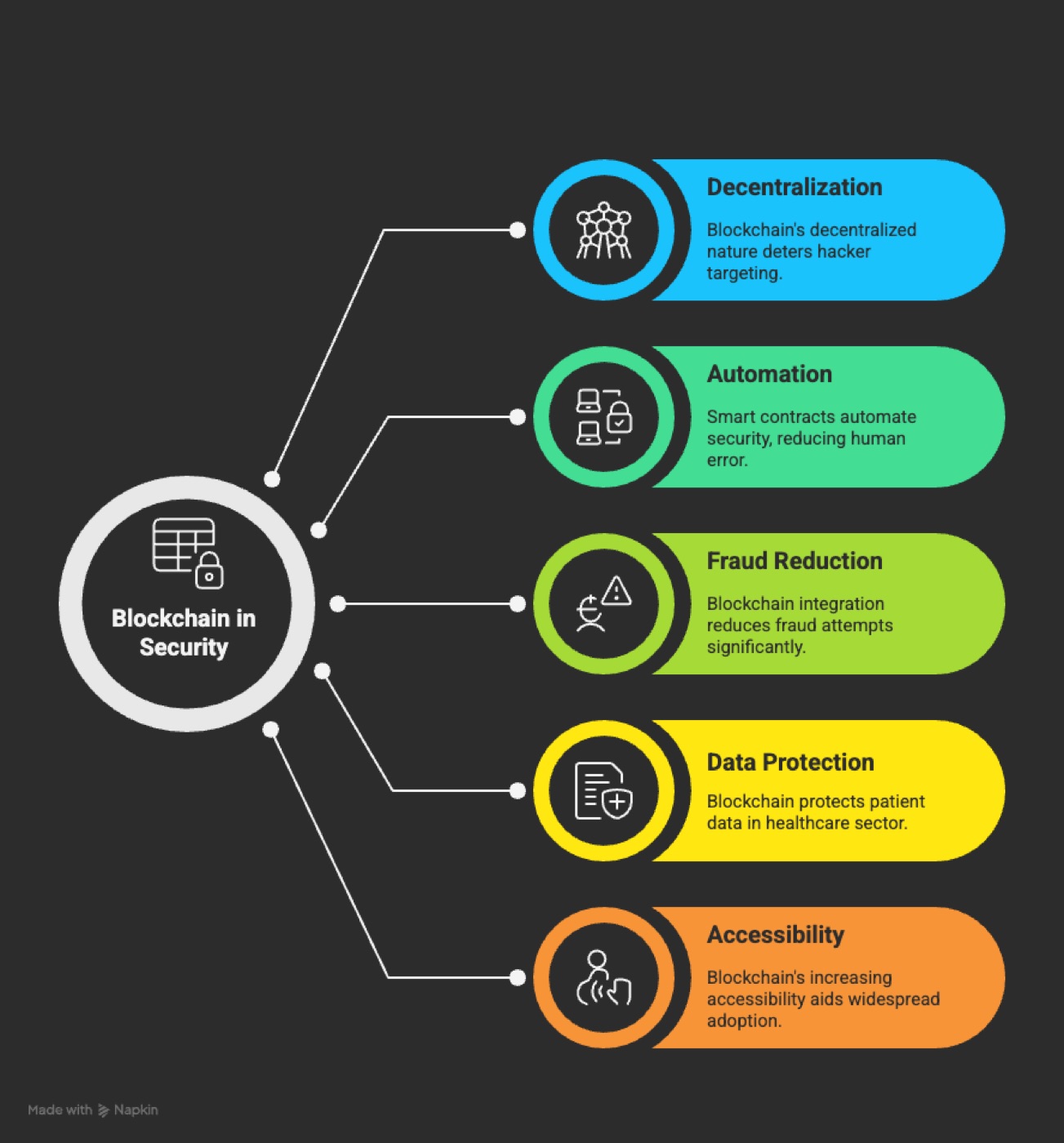
The rise in cyber threats has been alarming. Recent reports show a 67% increase in security breaches over the past year. This surge underscores the urgent need for stronger defense mechanisms. Blockchain's role in security is gaining attention. Its decentralized nature makes it harder for hackers to target. New advancements in this field are promising. For instance, smart contracts can automate security protocols, reducing human error.
A recent case study from a financial firm highlights this potential. By integrating blockchain, they reduced fraud attempts by 30%. This success story is not isolated. Other industries are exploring similar implementations. The healthcare sector, for example, is piloting blockchain to protect patient data. These examples illustrate a trend towards more robust security frameworks.
As blockchain evolves, its applications in security are expanding. The technology is becoming more accessible. This accessibility is crucial for widespread adoption. Businesses are recognizing the benefits of integrating blockchain into their security models. The shift is not just about protection. It's about creating a resilient digital environment.
Unveiling Blockchain's Multifaceted Security Role
The future of cybersecurity is set to evolve dramatically with the integration of blockchain into zero-trust models. As businesses increasingly seek robust defenses against cyber threats, the combination of these technologies offers a promising path forward. Experts predict that blockchain could significantly enhance data integrity and user authentication processes. However, challenges remain. Businesses must consider the technical complexities and potential costs associated with integrating blockchain into existing systems. Despite these hurdles, the potential benefits are immense. This integration could lead to a more resilient digital infrastructure, reducing the risk of breaches and unauthorized access. As industries continue to explore these possibilities, the role of blockchain in cybersecurity will likely expand, paving the way for a new era of digital security.
Conclusion
Combining blockchain’s decentralized trust fabric with zero-trust’s rigorous verification principle can redefine digital security. While there are technical and compliance hurdles to overcome, early adopters are already seeing tangible reductions in breaches and streamlined audit processes. As the threat landscape evolves, blockchain-enhanced zero-trust may well become the gold standard for safeguarding tomorrow’s interconnected environments.