Blockchain in Government: Preventing Data Tampering
How governments use blockchain to protect public records from tampering, from vehicle titles to digital identity, and what it takes to deploy it.

Across the globe, more than 20 countries are delving into the potential of blockchain in government. They're exploring its use in public services like voting and digital identity. This growing interest marks a significant trend in how governments aim to enhance transparency.
Imagine a world where data tampering in government records is a thing of the past. Blockchain is stepping up as a game-changer in this arena. It's poised to revolutionize how governments handle data and manage public funds.
At its core, blockchain operates as a decentralized ledger. This means control is spread across multiple computers, ensuring no single entity can alter records. Think of it as a public notice board. Once information is posted, everyone can see it, and unauthorized changes are nearly impossible.
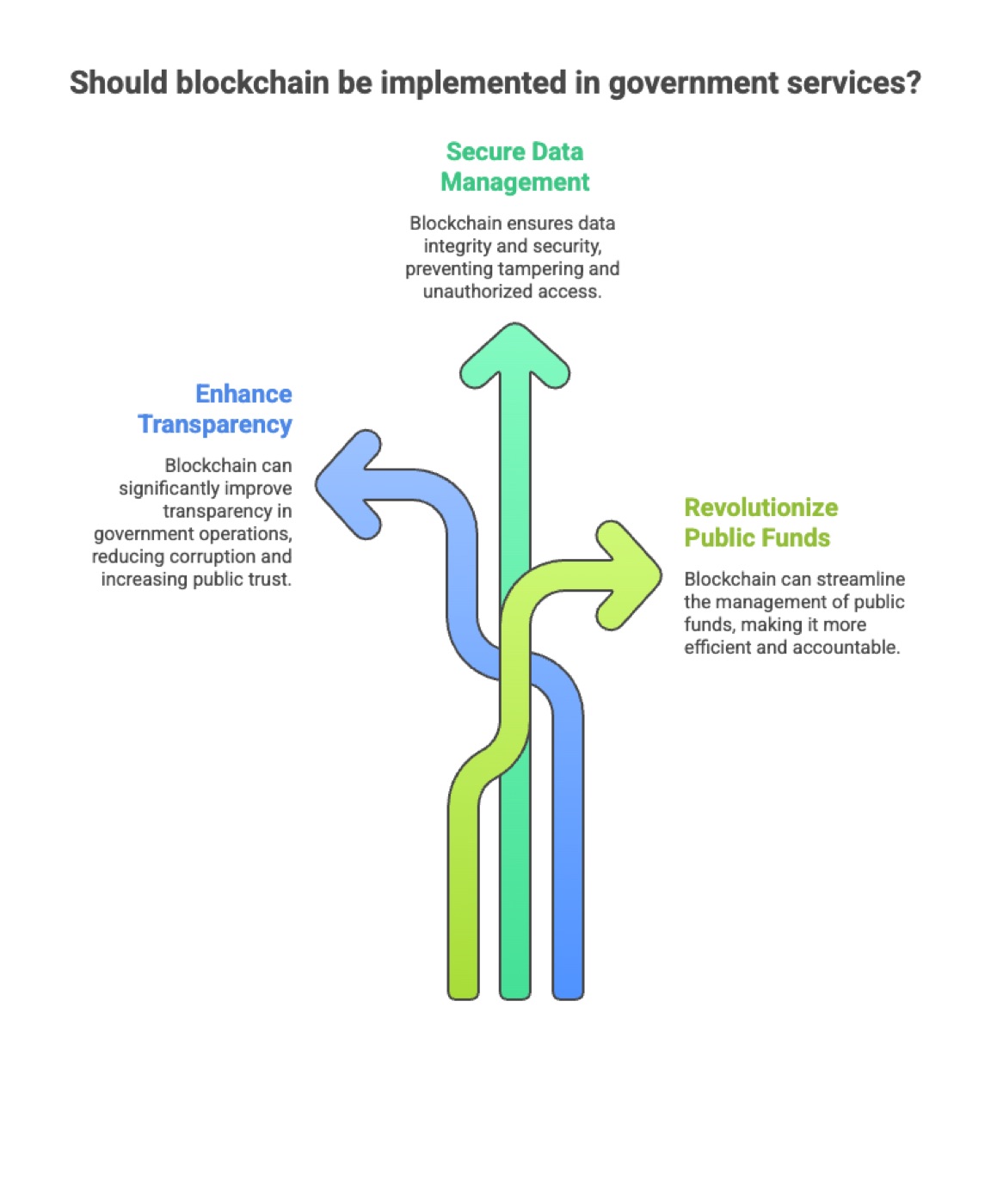
Experts in the field highlight the benefits of blockchain adoption. For instance, California's DMV has digitized car titles using this technology, effectively detecting and preventing fraud. Such examples underscore the potential impact on reducing tampering.
Blockchain Impact on Public Administration
Currently, over 20 countries are experimenting with blockchain. While exact data on prevented tampering cases is scarce, anecdotal evidence suggests its effectiveness. Smart contracts also play a crucial role in maintaining data integrity, automating processes without intermediaries.
Looking ahead, blockchain could significantly reshape public administration. As it becomes more integrated, public trust in government operations is expected to rise. However, further studies and detailed reports are necessary to fully grasp its impact.
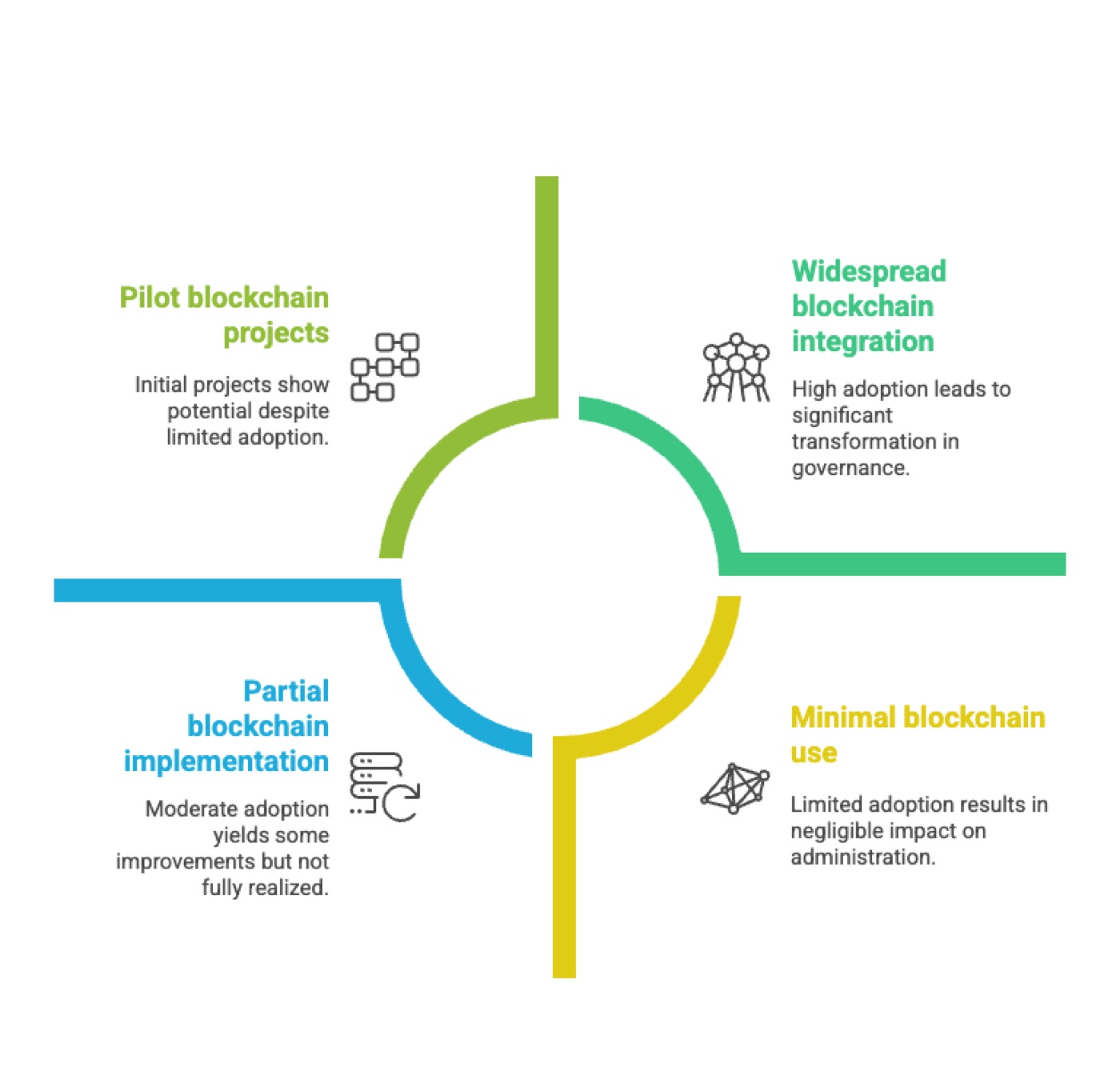
Blockchain holds the promise of transforming how governments prevent data tampering and enhance accountability. Continued exploration and adoption will be key to unlocking its full potential.
Enhancing Government Transparency with Blockchain
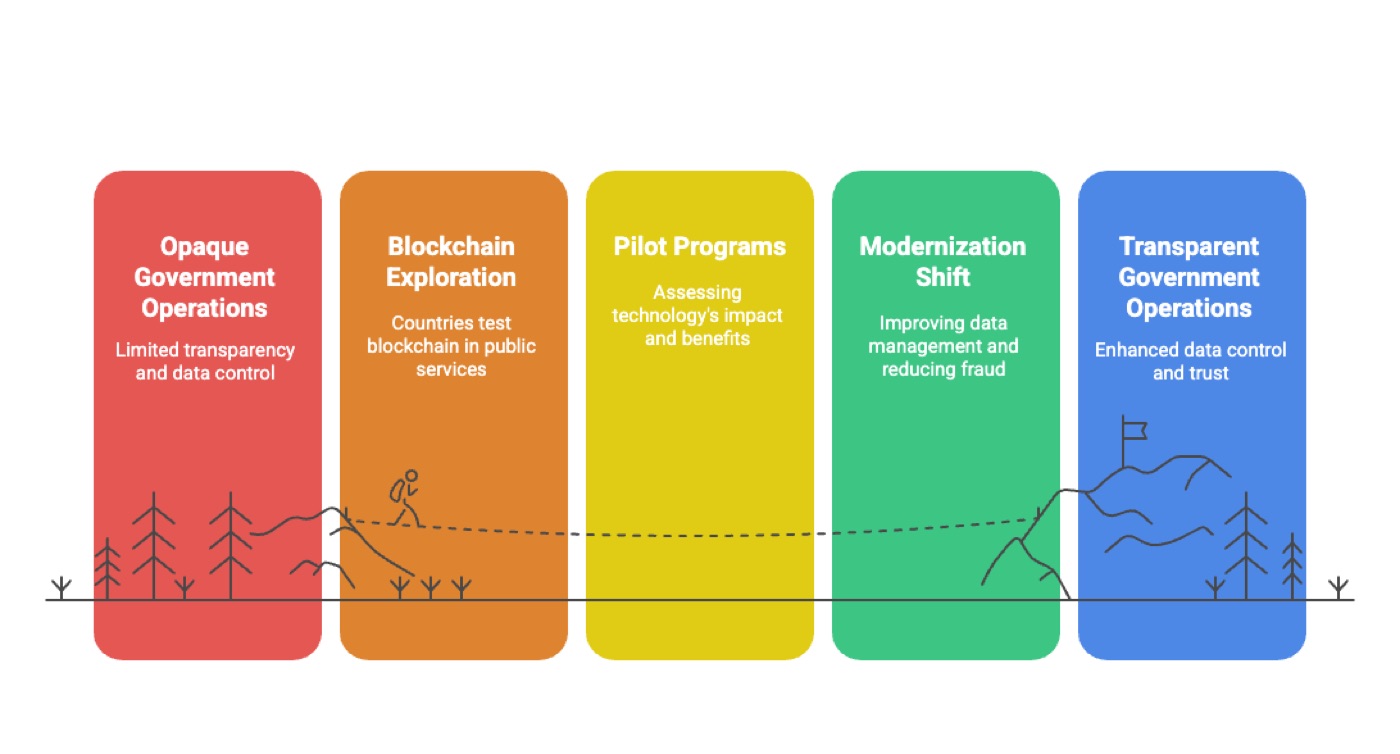
Governments worldwide are exploring new ways to enhance transparency. Over 20 countries are actively testing blockchain in public services. These include voting systems and digital identity management. The trend is gaining momentum as more nations recognize the potential benefits. Pilot programs are being launched to assess the technology's impact. This experimentation marks a significant shift in government operations. The goal is to improve data management and reduce fraud. These efforts reflect a growing commitment to modernizing public administration. As more countries join this movement, the implications could be profound. The world is watching closely to see how these initiatives unfold.
Blockchain in Government Services
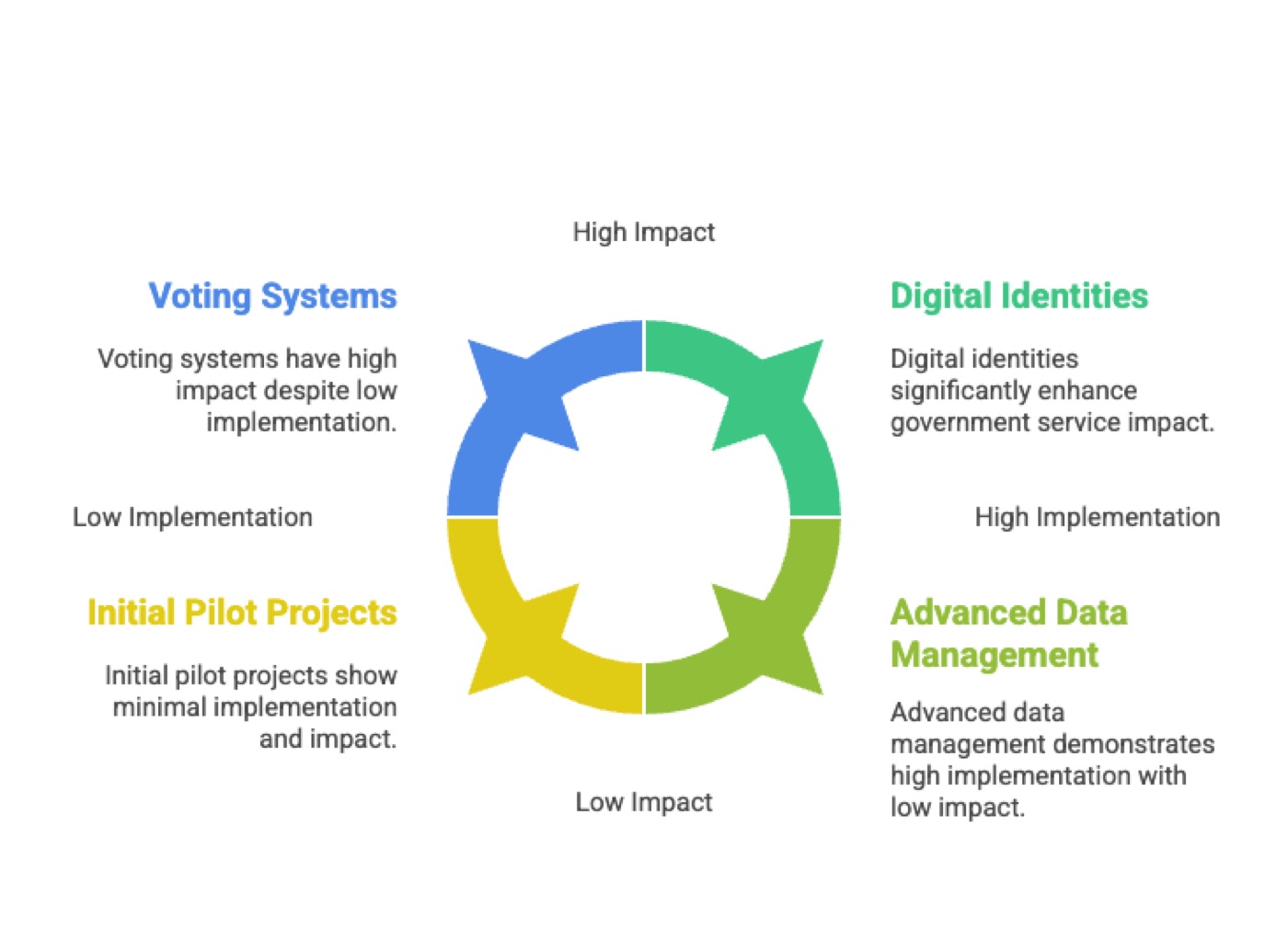
Blockchain is revolutionizing how governments handle data. By using this digital ledger, they can combat data tampering and improve transparency. This shift could change the way public funds are managed. Over 20 countries are already experimenting with blockchain in public services. These include voting systems and digital identities. The promise is clear: a future where government operations are more open and secure. Blockchain's ability to ensure data integrity is at the heart of this transformation. As governments explore its potential, the impact could be significant.
Understanding Blockchain's Structure
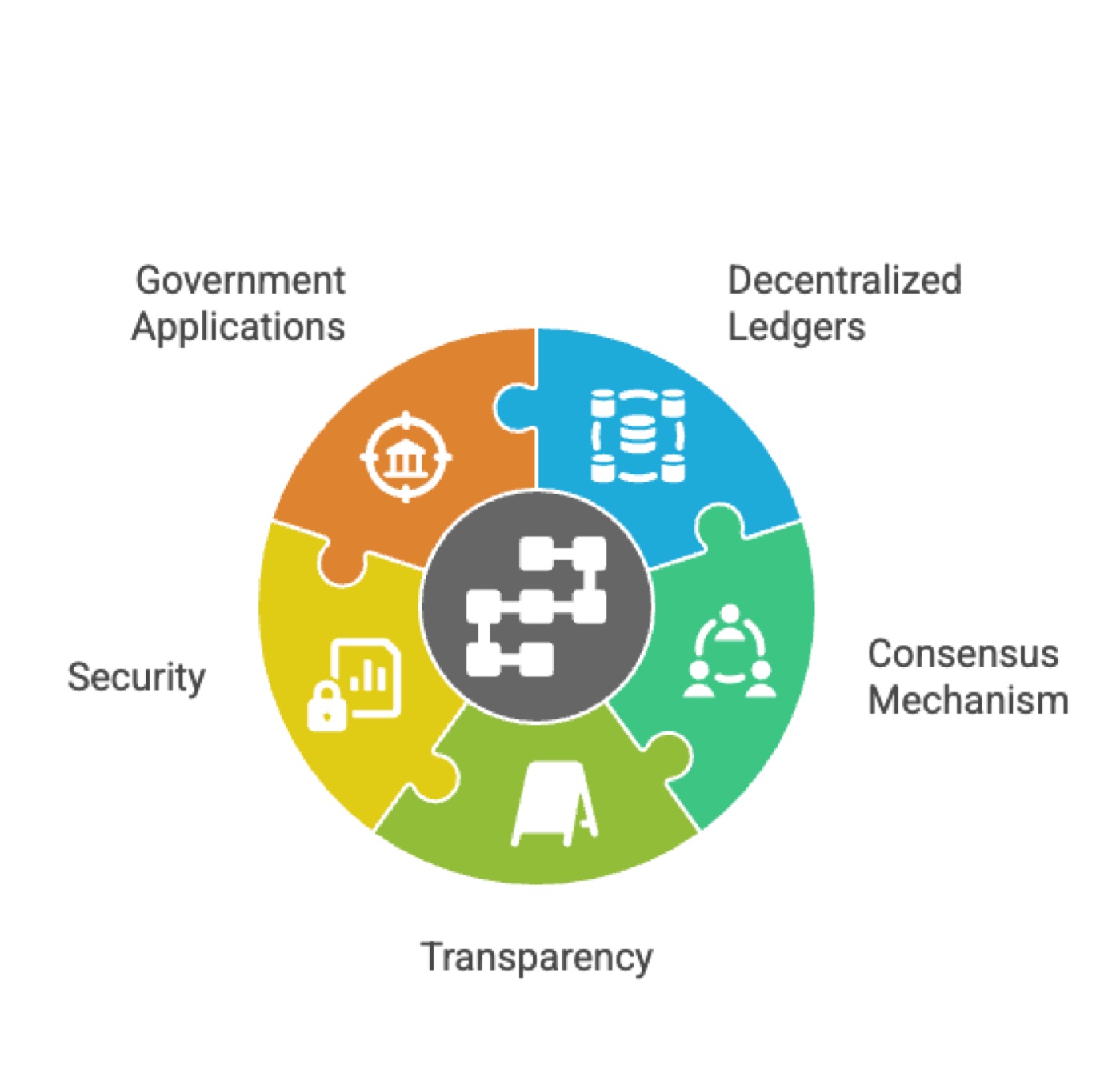
Decentralized ledgers are the backbone of blockchain systems. They distribute control across a network of computers, ensuring no single entity can alter the data without consensus. This structure makes unauthorized changes nearly impossible. Imagine a public notice board where every update is visible to everyone. That’s how blockchain operates. Each transaction or data entry is like a permanent note on this board. Once posted, it can't be erased or changed without everyone noticing. This transparency is crucial in preventing data tampering. It provides a secure way to manage information, making it ideal for government use. As governments explore this technology, the potential for reducing fraud and increasing accountability becomes evident.
Blockchain in Government Operations
Blockchain is making waves in government sectors. California’s Department of Motor Vehicles (DMV) is one example. They have digitized over 42 million car titles using blockchain. This move helps detect fraud and ensures records are tamper-proof.
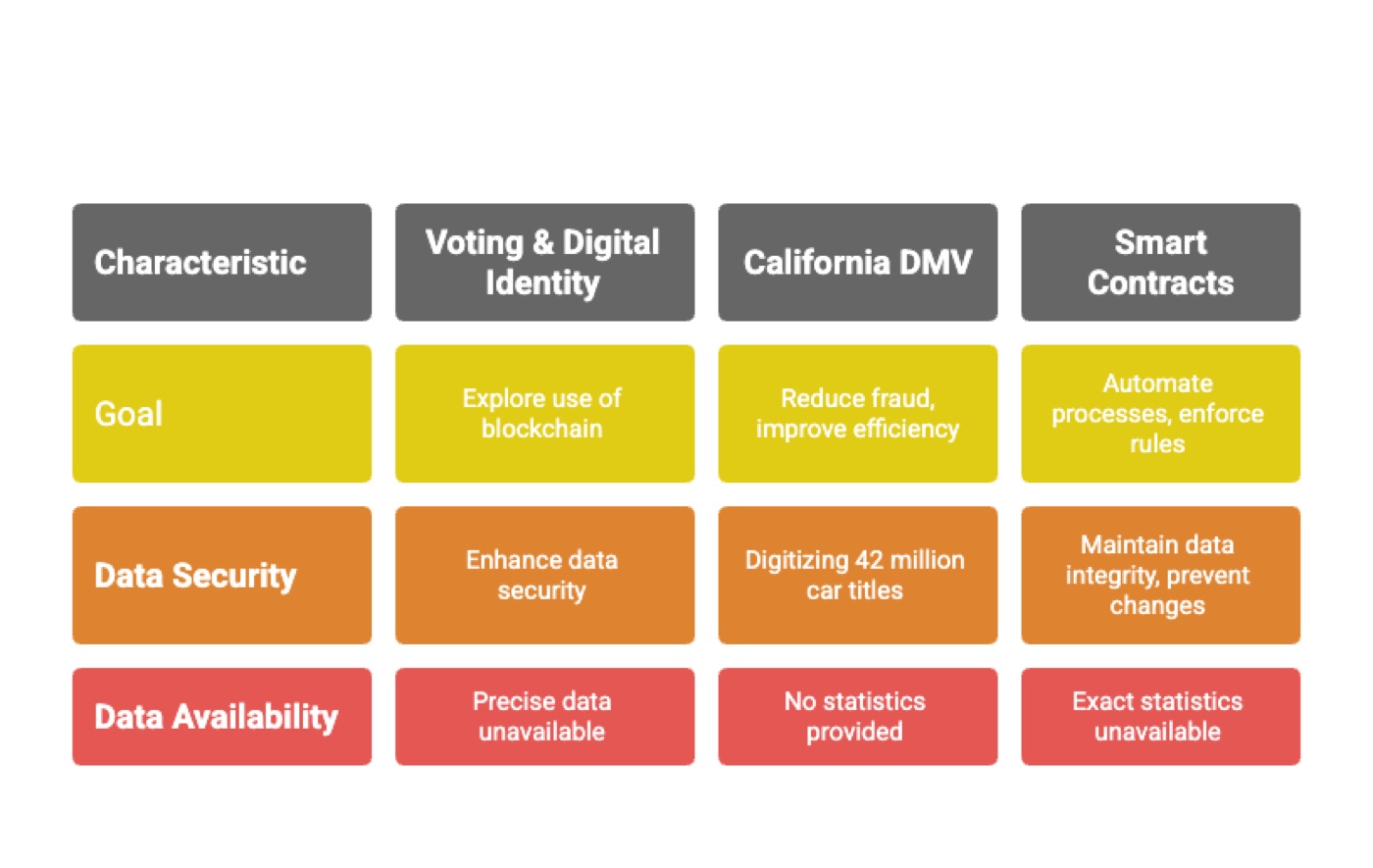
Governments are taking notice. Pilot programs in over 20 countries explore blockchain for public services like voting and digital identity. These efforts aim to enhance accountability.
The journey is not without challenges. Implementing blockchain at a large scale requires careful planning. However, the benefits are clear. By reducing fraud and ensuring data accuracy, blockchain is set to play a crucial role in modern governance.
Blockchain's Impact on Government Transparency
Blockchain is poised to revolutionize government transparency. As more countries explore its potential, the technology could redefine public administration. Imagine a world where public records are tamper-proof and instantly verifiable. This is the promise that blockchain holds.
Public trust is likely to grow as blockchain becomes more entrenched in government systems. The technology's ability to provide a clear audit trail could enhance accountability. However, the journey is just beginning. Comprehensive studies and detailed reports are essential to fully grasp blockchain’s impact on public sectors.
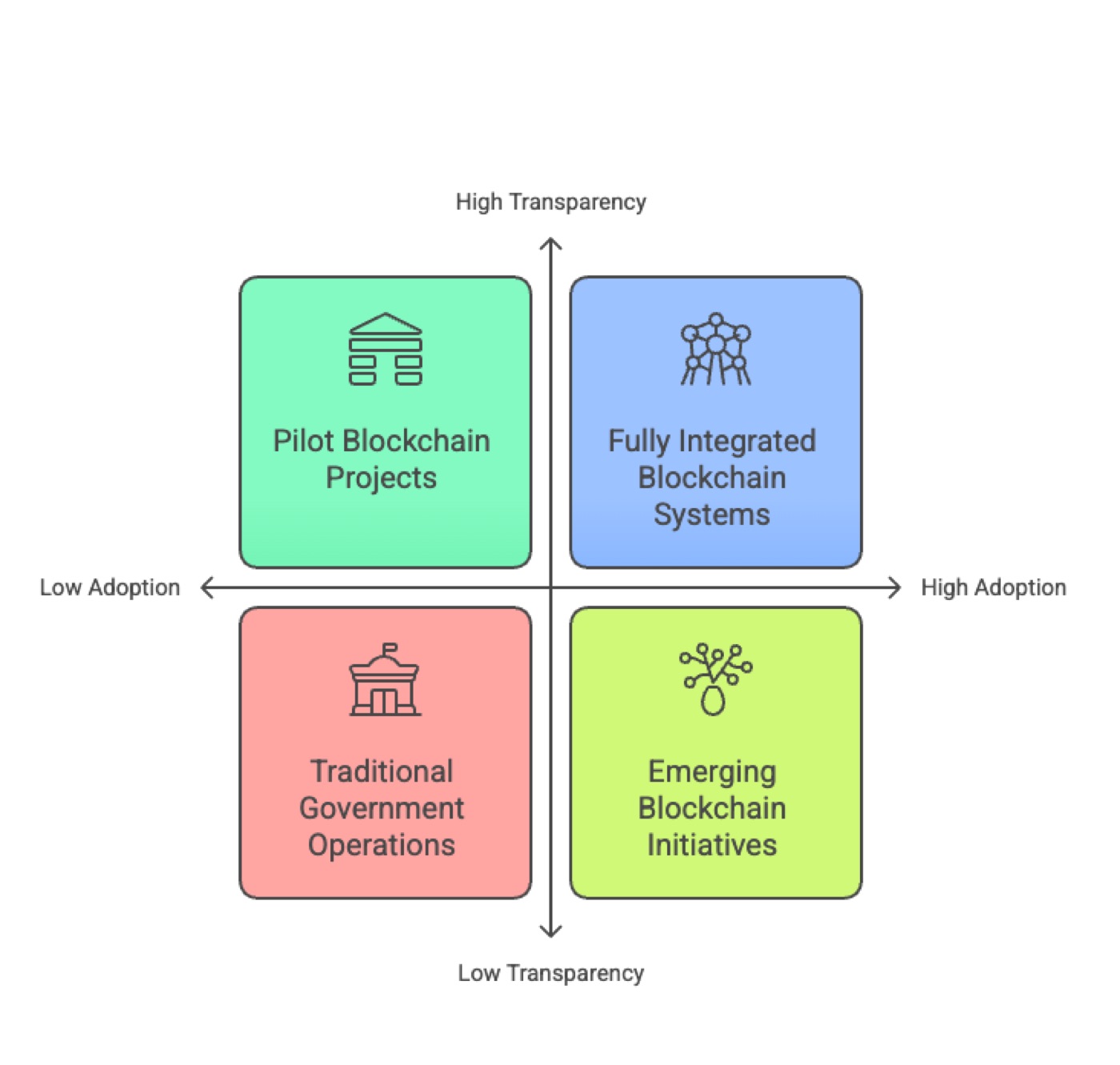
Looking ahead, the integration of blockchain in government operations could lead to more efficient services. The technology's role in automating processes and reducing human error is significant. As governments continue to experiment, the potential for broader adoption increases.
In conclusion, the path forward involves embracing blockchain's capabilities. The focus should be on understanding its full potential and addressing any challenges that arise. As this unfolds, the promise of a more transparent and accountable government becomes increasingly attainable.
Summary
Blockchain stands at the forefront of preventing data tampering and boosting government accountability. Its decentralized nature ensures that records remain unchanged and visible to all. This technology is being tested in over 20 countries, with promising pilot programs in areas like voting and digital identity. These efforts highlight the potential for significant change in public administration. As governments continue to explore this technology, the benefits could extend to increased public trust and streamlined operations. However, to fully understand its impact, more detailed studies and reports are essential. The journey of integrating this technology into government functions is just beginning, and its potential to transform how data is managed is immense.