Smart Contract Audits: Costs, Tools and Common Flaws
What a smart contract audit costs, the vulnerabilities auditors look for, how automated and manual reviews compare, and the practices that cut risk.

The cost of auditing smart contracts varies significantly. Simple contracts may cost between $1,000 and $15,000. Complex contracts can exceed $15,000, sometimes reaching over $50,000. This highlights the importance of understanding the financial commitment involved in ensuring contract security. While specific numbers on smart contract hacks and vulnerabilities aren't available, audits frequently uncover major security issues. This underscores the necessity of thorough audits, especially for complex contracts.
The market for smart contract audit services is on the rise. It is projected to grow at a compound annual growth rate of 82.2% from 2024 to 2032. This growth is driven by the increasing demand for secure and compliant contracts. As the industry expands, staying informed about these trends is crucial for developers and businesses alike.
Lay of the Land
Understanding smart contract development and audits is crucial today. These digital agreements are reshaping how industries operate. Auditing plays a key role in ensuring their security and efficiency. It helps identify potential issues before they cause harm. This process is vital for maintaining trust in digital transactions.
Smart contracts are self-executing agreements. They run on blockchain networks, automatically performing actions when conditions are met. This automation reduces the need for intermediaries. However, it also introduces risks. Poorly written code can lead to vulnerabilities. Audits help mitigate these risks by thoroughly examining the contract’s code.
The cost of auditing varies. Simple contracts might cost between $1,000 and $15,000 to audit. Complex ones can exceed $30,000. Despite the cost, audits are essential. They often uncover significant security issues, especially in complex contracts. The market for these services is growing rapidly, with an expected CAGR of 82.2% from 2024 to 2032.
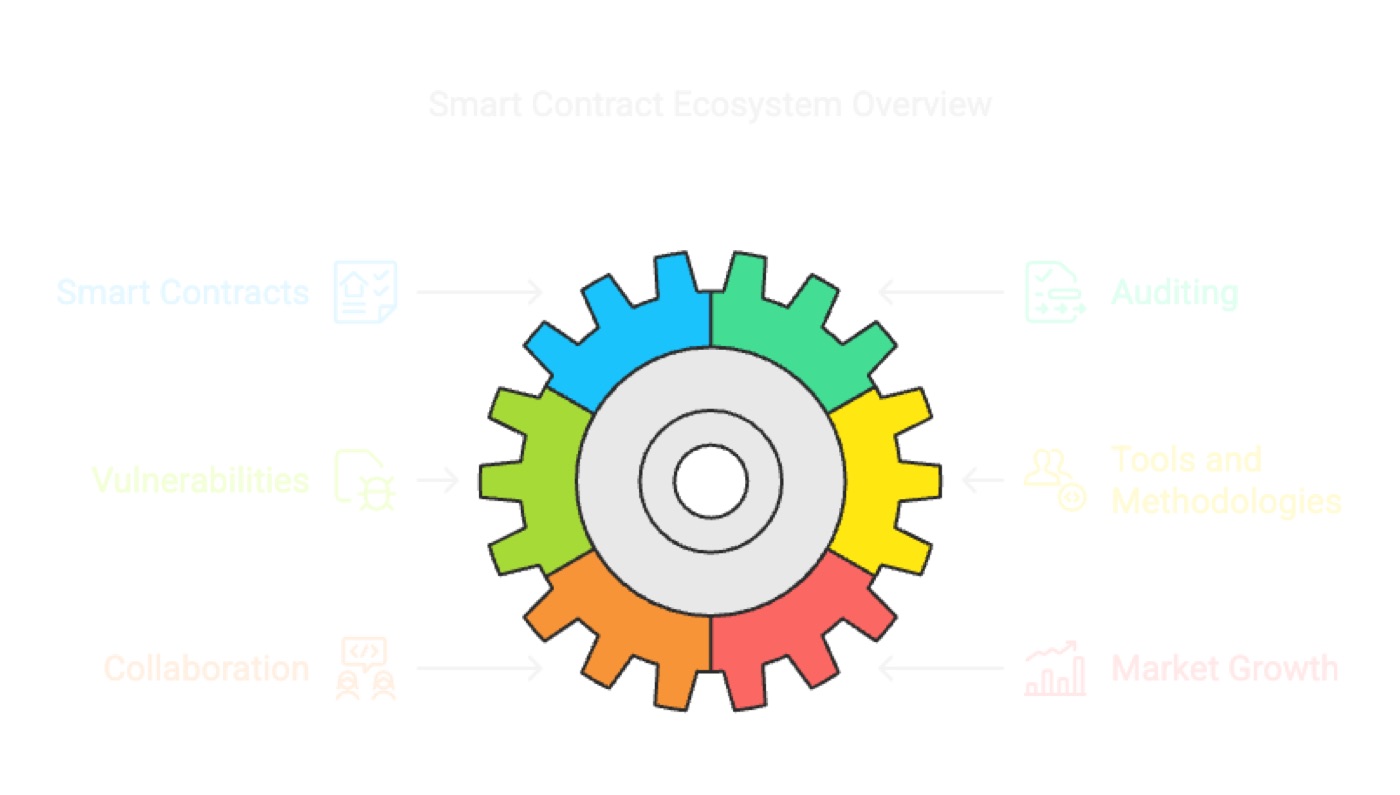
Common vulnerabilities include reentrancy and integer overflows. Automated tools like MythX and Slither can detect these issues quickly. However, manual audits are often more thorough. They involve detailed code reviews, which are crucial for identifying complex vulnerabilities. Code simplicity can also impact security and audit costs. Simpler code tends to have fewer vulnerabilities and lower audit expenses.
Collaboration between developers and auditors is important. It ensures that issues are addressed promptly. Using established security guidelines can also help reduce risks. Tools and methodologies like automated and manual audits are commonly used in the industry. As the market grows, staying informed about these practices is essential.
Blockchain platforms like Ethereum are popular for smart contract development. The industry is expected to grow significantly, from USD 230.2 million in 2024 to USD 1,946.78 million by 2034. Emerging trends include the integration of AI and IoT. These innovations are driving the evolution of smart contracts.
Developers face challenges in writing and auditing contracts. Ensuring security and functionality can be complex. Security audits are seen as crucial for mitigating risks. Community engagement also plays a role in improving security. Developers and users often rely on community reviews to verify smart contract integrity.
In conclusion, smart contracts have transformative potential. Understanding their development and auditing is essential for leveraging this potential. Staying informed about industry advancements is key to navigating this evolving landscape.
The Fundamentals
Smart contracts are digital agreements that automatically execute actions when specific conditions are met. They operate on blockchain networks, ensuring that the terms of the contract are fulfilled without human intervention. The core components of a smart contract include the code that defines the rules, the blockchain where the contract resides, and the participants who engage with it.
These contracts function by embedding the terms directly into the code, which is then distributed across the network. Once the predefined conditions are satisfied, the contract self-executes, carrying out the agreed-upon actions. This process eliminates the need for intermediaries, reducing the potential for error or manipulation.
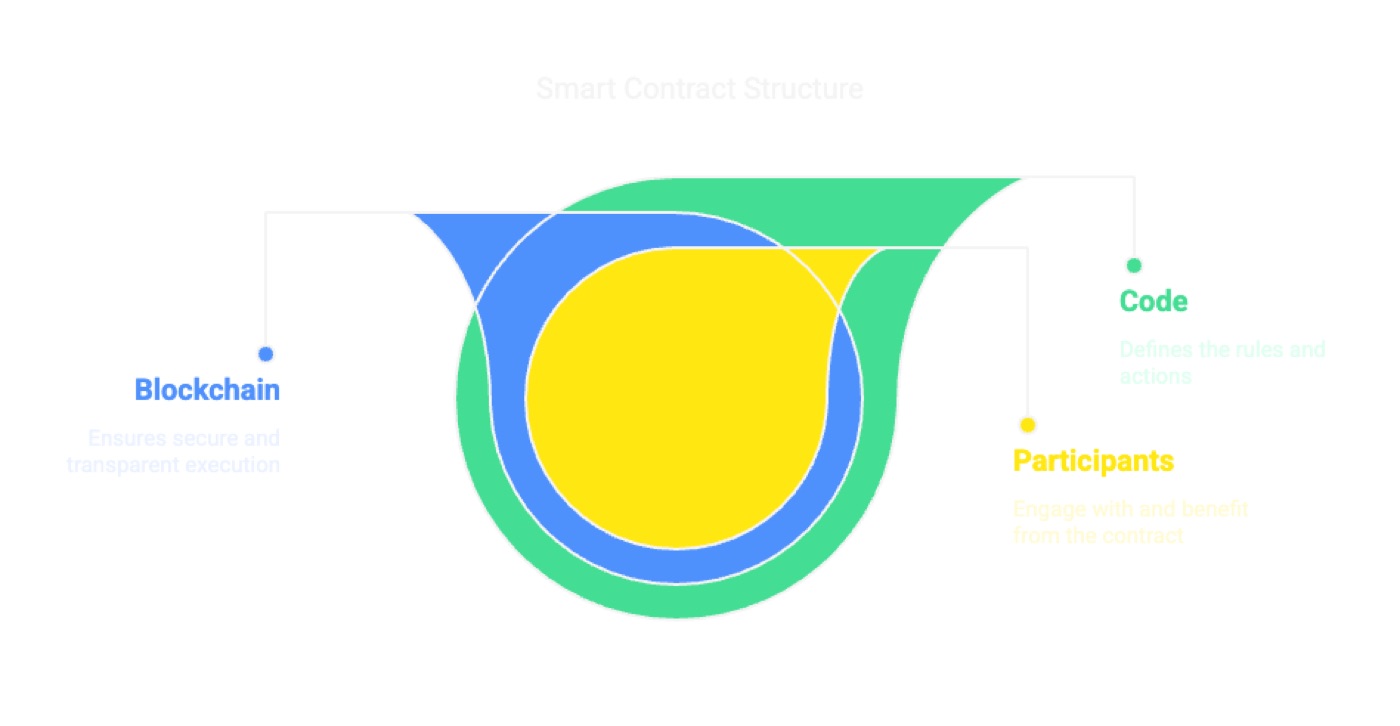
Understanding how smart contracts work is essential for anyone involved in digital transactions. They offer a way to automate processes and ensure that all parties adhere to the agreement. As we continue to explore their potential, it's crucial to grasp these basic principles to fully appreciate their impact on various industries.
Advanced Aspects
Choosing the right blockchain platform is crucial. Ethereum is a popular choice, but Binance Smart Chain also offers unique advantages. Each platform has its own strengths and weaknesses, which can affect how smart contracts perform.
Programming languages like Solidity are essential for developing smart contracts. Solidity is widely used and offers robust features. Understanding this language is key to creating effective smart contracts.
Gas fees are another important consideration. They can significantly impact the cost of executing smart contracts. Optimizing code can help reduce these fees, making smart contracts more efficient.
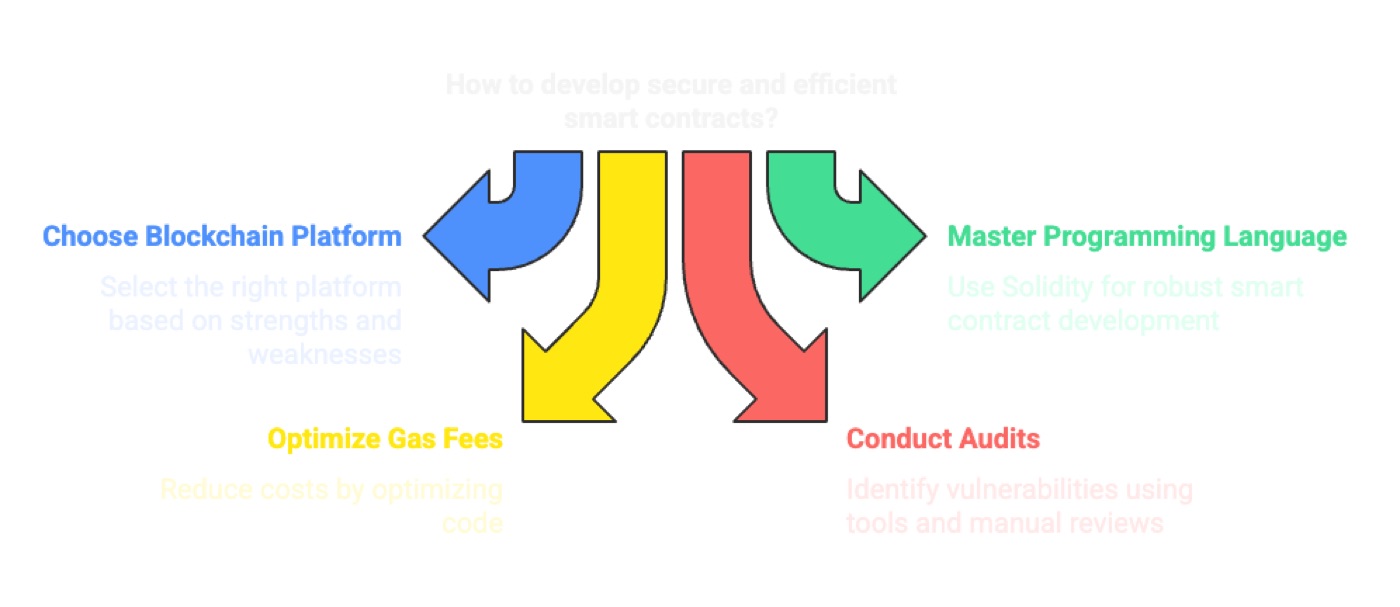
Auditing plays a vital role in smart contract development. It helps identify vulnerabilities that could lead to security breaches. Tools like MythX and Slither are commonly used in audits. They help detect common issues quickly, but manual audits are often necessary for complex vulnerabilities.
By exploring these advanced aspects, developers can create more secure and efficient smart contracts. Understanding these elements is essential for anyone looking to audit smart contracts like a pro.
Practical Examples
Smart contracts are transforming industries with real-world applications. Take a DeFi application for instance. It allows users to lend and borrow cryptocurrencies seamlessly. Smart contracts manage these transactions. They automatically calculate interest based on predefined conditions. This removes the need for intermediaries, making the process faster and more efficient.
Another example is supply chain management. Smart contracts track goods from production to delivery. Each step is recorded on the blockchain. This ensures transparency and reduces fraud. For instance, a coffee producer can track beans from farm to cup. This enhances trust with consumers, who can verify the product's journey.
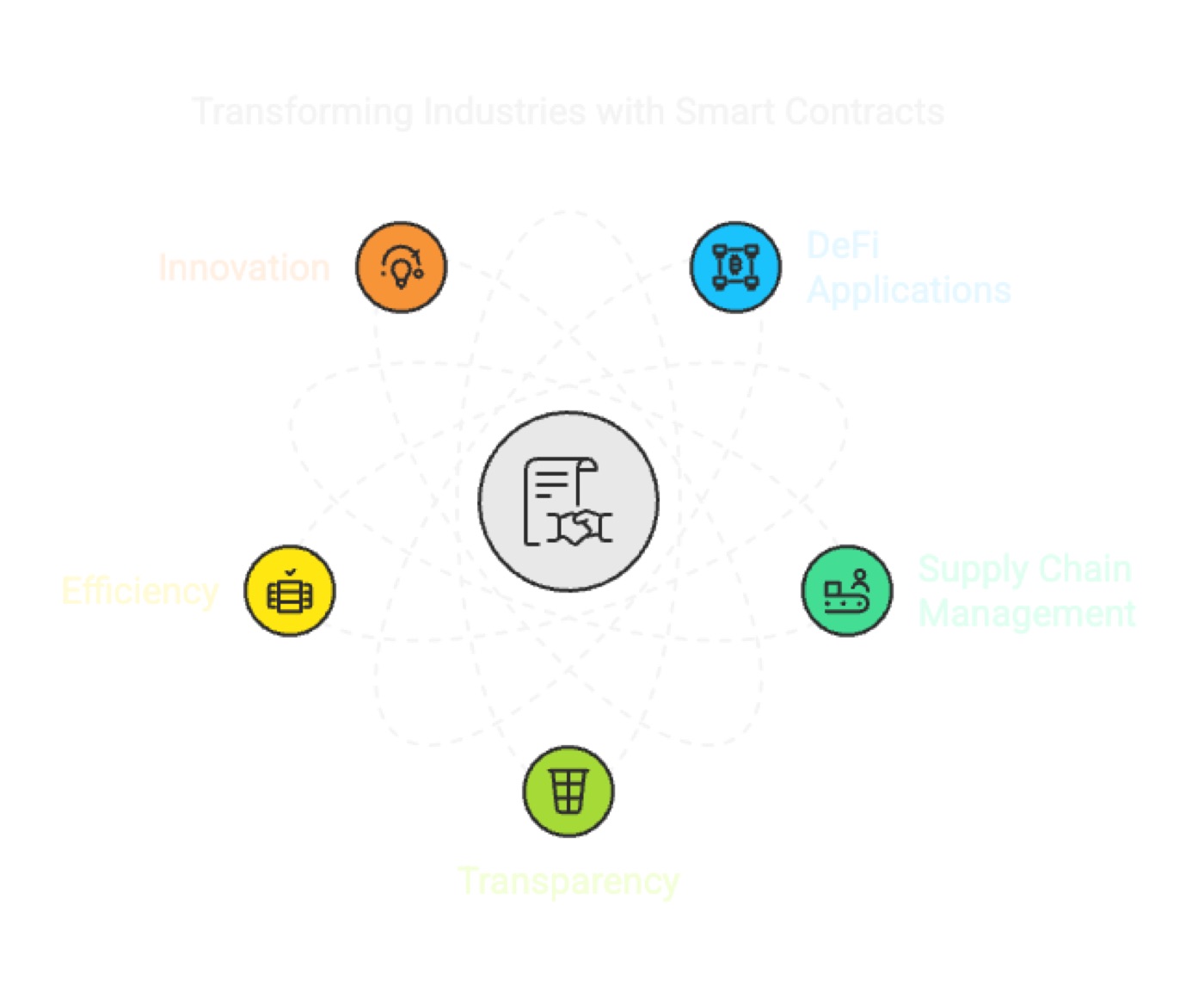
These practical applications show the power of smart contracts. They streamline operations and enhance accountability across sectors. As more industries adopt these technologies, the potential for innovation grows. Understanding these examples helps grasp the impact and future possibilities of smart contracts.
Addressing Common Misconceptions
Smart contracts are often seen as flawless. This is not true. Their reliability hinges on the quality of the code. Errors in code can lead to vulnerabilities. These can be exploited, causing financial losses. It's crucial to understand that smart contracts are only as good as their creators.
Another misconception is about privacy. Many believe smart contracts offer complete anonymity. In reality, transactions are visible on the blockchain. This transparency means anyone can see them. However, user identities are pseudonymous. This means they are not directly linked to personal information.
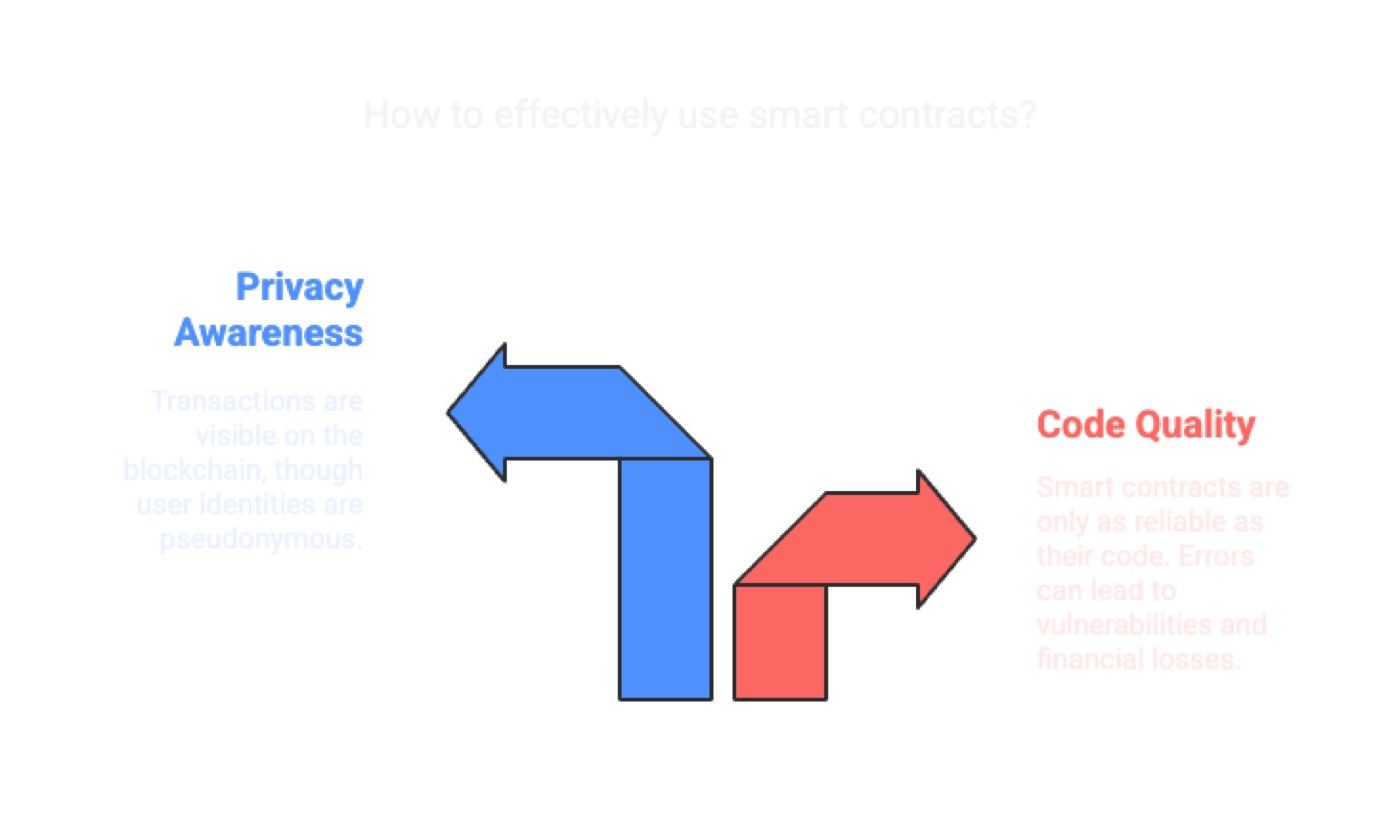
It's important to recognize these limitations. Understanding these aspects is key to using smart contracts effectively. Users should be aware of the visibility and potential risks involved. This knowledge helps in making informed decisions when engaging with smart contracts.
Latest Developments
The integration of smart contracts with artificial intelligence is gaining momentum. This fusion promises to enhance automation and decision-making processes. AI can analyze vast datasets to trigger smart contract actions more precisely. This capability opens new possibilities for industries reliant on data-driven decisions.
Layer 2 solutions like Optimistic Rollups are also making waves. They aim to improve scalability by processing transactions off the main blockchain. This approach reduces congestion and lowers transaction costs. As a result, more users can access smart contracts without the burden of high fees.
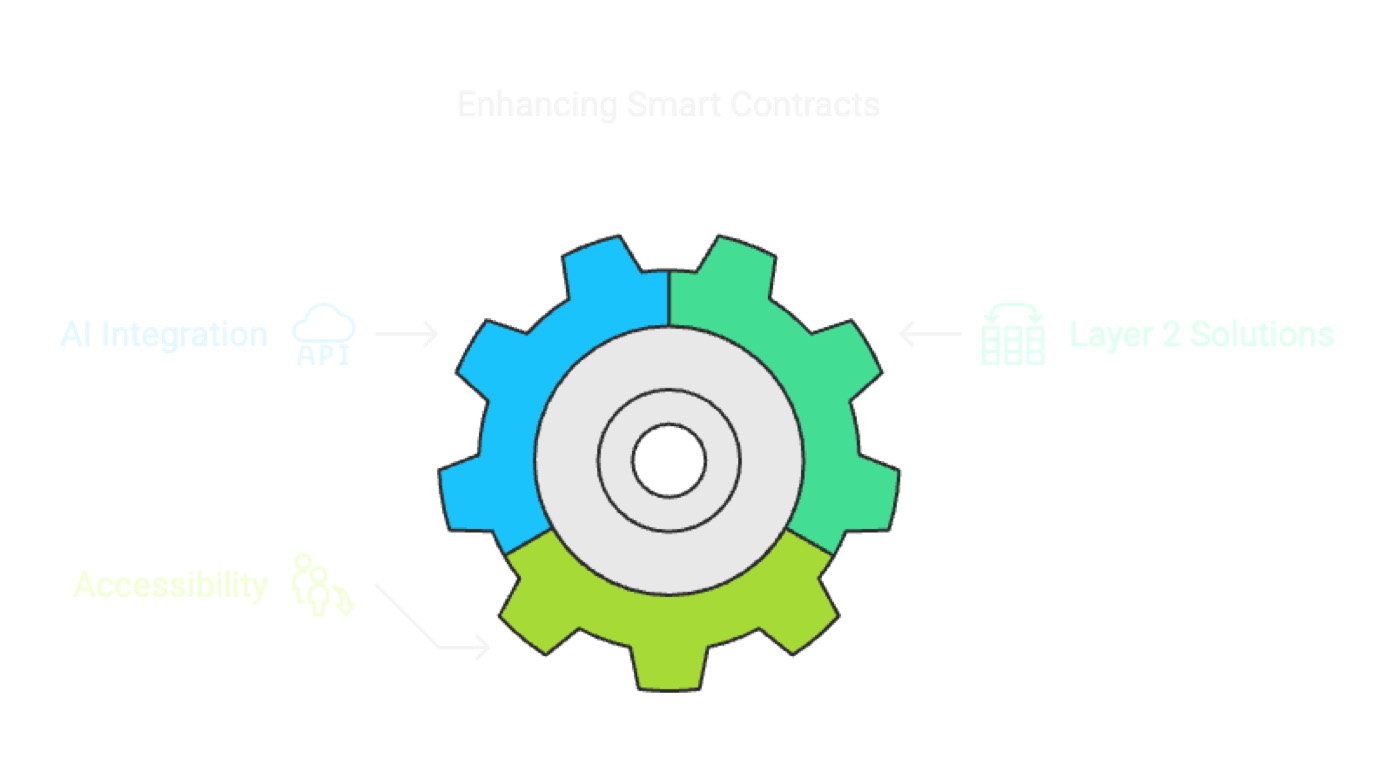
These innovations are making smart contracts more accessible. By lowering barriers, they encourage broader adoption across various sectors. As technology evolves, the potential applications of smart contracts continue to expand. This evolution signals a shift towards more efficient and responsive digital agreements.
Expert Insights
Thorough planning is crucial in smart contract development. Understanding your use case can prevent costly errors. Multiple audits are not just recommended; they are essential. Extensive testing can uncover hidden vulnerabilities. Staying updated with industry tools and practices is vital. Tools evolve; so should your knowledge.
Engage with the developer community. It's a rich source of insights. Sharing experiences can lead to better security practices. It also fosters innovation and problem-solving. Collaboration can improve the overall quality of smart contracts.
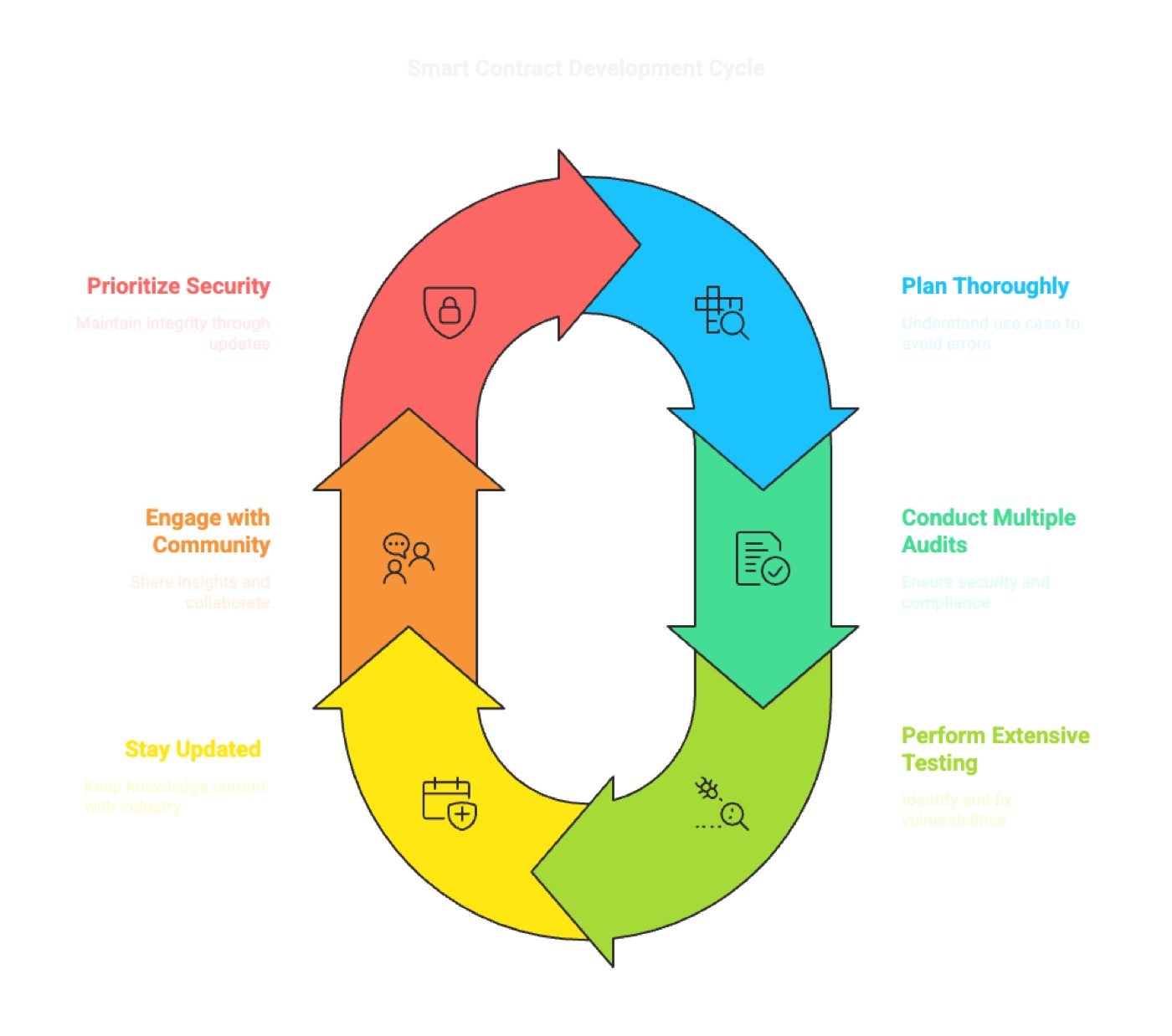
Security is a top priority. Regular audits and updates are necessary. They help maintain the integrity of smart contracts. As the industry grows, so do the challenges. Being proactive in addressing these challenges is key.
General Statistics and Trends
Smart contract audits are crucial for security. The cost varies widely. Simple audits range from $1,000 to $15,000. Complex audits can exceed $50,000. This reflects the importance of thorough checks. Yet, specific data on hacks and vulnerabilities remains elusive. Despite this, audits often reveal major issues, especially in intricate contracts.
The market for smart contract audits is booming. It's expected to grow at a CAGR of 82.2% from 2024 to 2032. This surge is driven by the need for secure contracts. Companies are investing heavily in audits to prevent financial losses. This trend underscores the growing reliance on smart contracts across industries.
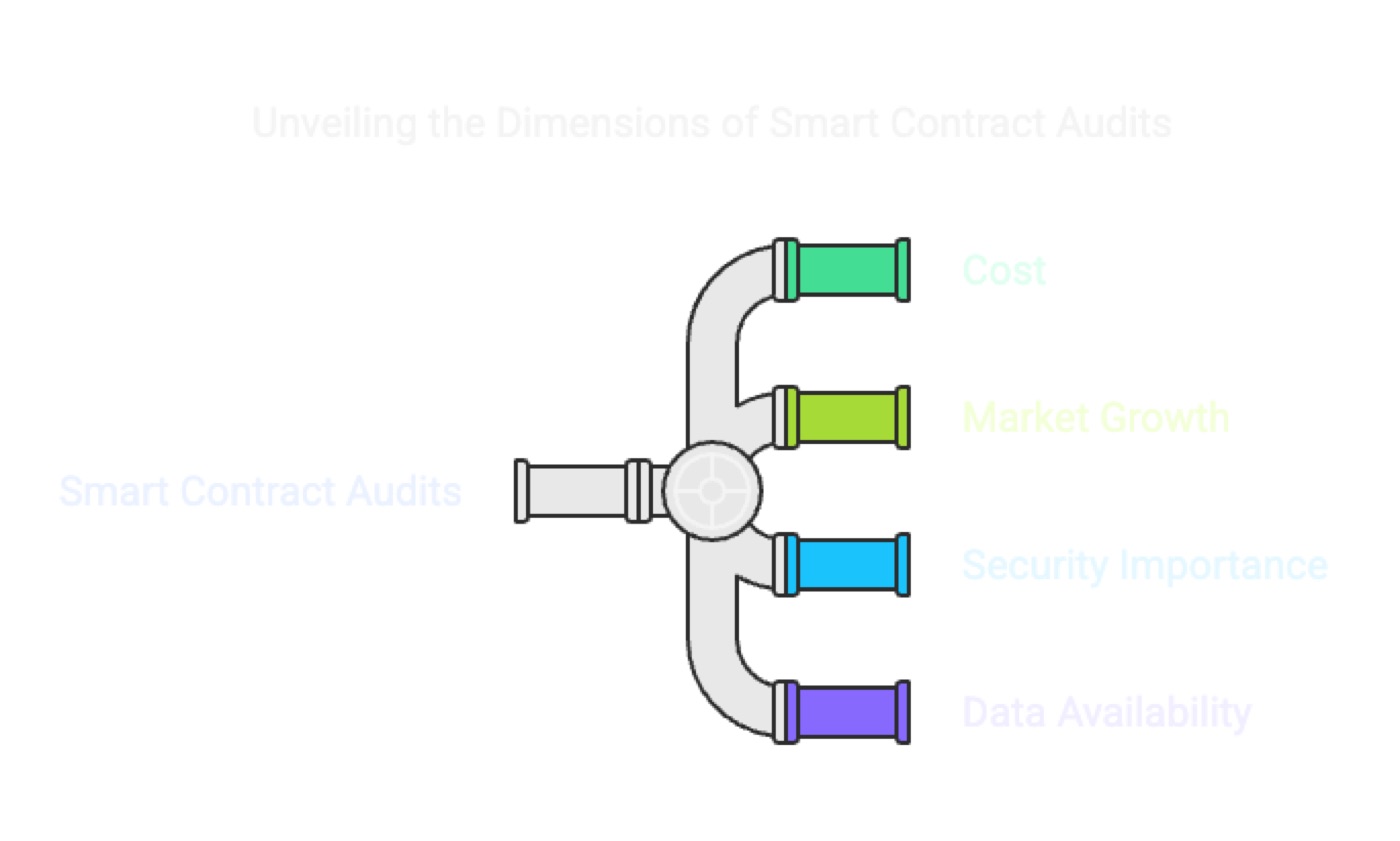
Understanding these statistics is vital. They highlight the financial and security stakes involved. As the market expands, staying informed about costs and trends is essential. This knowledge empowers developers and businesses to make informed decisions. It also emphasizes the need for ongoing vigilance in smart contract deployment.
Security and Vulnerabilities
Smart contracts are powerful but not without risks. Common vulnerabilities include reentrancy and integer overflows. These issues can lead to serious security breaches. Reentrancy allows attackers to repeatedly call a function before the previous execution completes. This can drain funds from a contract. Integer overflows occur when calculations exceed storage limits, causing unexpected behavior.
Automated tools like MythX and Slither help in detecting these vulnerabilities. However, they aren't foolproof. Manual audits are essential for thorough security checks. They involve line-by-line code reviews by experts. This process is more detailed and can uncover complex issues that automated tools might miss.
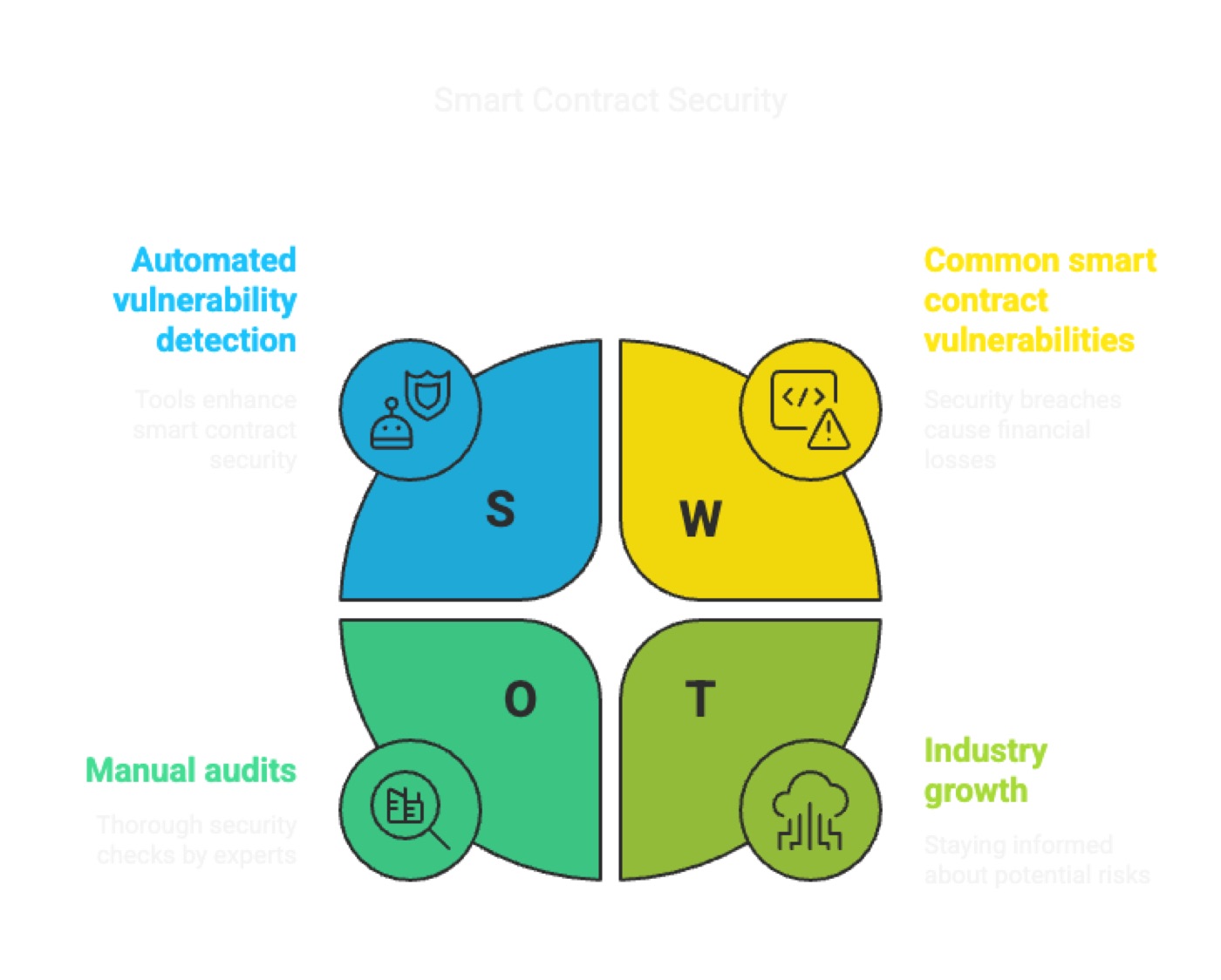
Complex coding increases security risks and audit costs. Simpler code is easier to audit and less prone to errors. Developers should focus on writing clear and concise code. This approach not only enhances security but also reduces the time and cost of audits.
Understanding these vulnerabilities is crucial. It helps in designing more secure smart contracts. As the industry grows, staying informed about potential risks is vital. This knowledge ensures better protection against financial losses and enhances the overall trust in smart contract systems.
Best Practices and Standards
Adhering to established security guidelines is crucial in smart contract development. It minimizes risks and ensures the integrity of the code. Developers should follow frameworks like OpenZeppelin’s standards to enhance security. These guidelines provide a solid foundation for creating robust smart contracts.
Collaboration between developers and auditors is essential. It helps identify and address potential issues early. Regular communication ensures that security concerns are promptly tackled. This partnership is vital for maintaining high security standards in smart contracts.
In smart contract audits, a combination of tools and methodologies is often employed. Automated tools like MythX and Slither are popular for initial scans. They quickly detect common vulnerabilities. However, manual audits remain indispensable. They involve detailed code reviews to uncover complex issues that automated tools might miss.
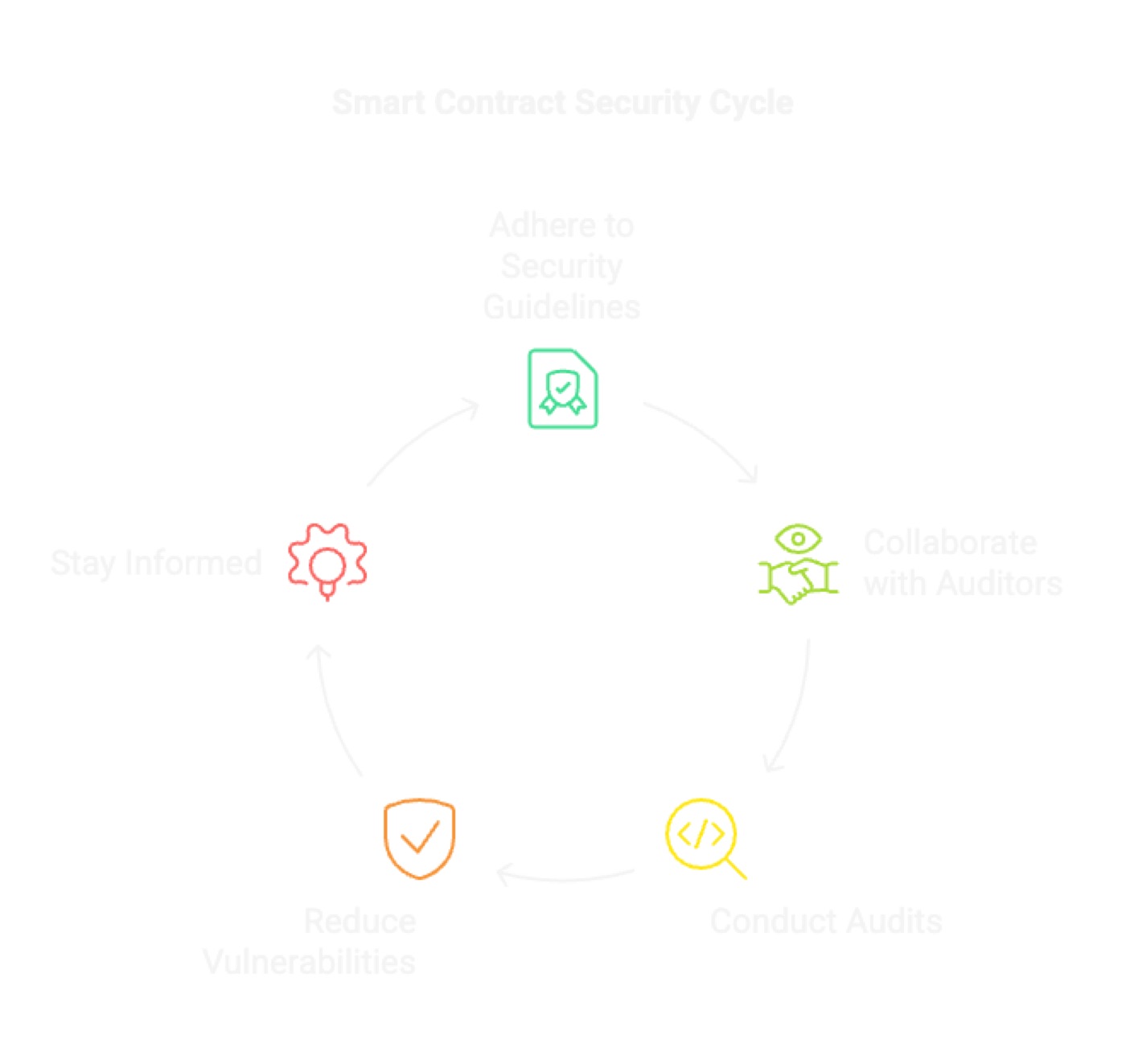
By following these best practices, developers can significantly reduce the risk of vulnerabilities. It leads to more secure and efficient smart contracts. As the industry evolves, staying informed about the latest tools and methodologies is key. This proactive approach ensures that smart contracts remain resilient against emerging threats.
Industry and Market
Ethereum leads the pack for smart contract development. It's joined by Tron, Solana, and Polkadot. These platforms offer diverse features appealing to developers. Each platform has its unique strengths, making them popular choices.
The smart contract industry is booming. In 2024, it's set to be worth USD 230.2 million. By 2034, this could rise to USD 1,946.78 million. This growth reflects a CAGR of 23.80%. The demand for secure contracts is a key driver.
Several companies dominate the audit services market. ConsenSys Diligence, Quantstamp, and CertiK are notable names. OpenZeppelin also plays a significant role. While exact market shares aren't available, these companies are major players.
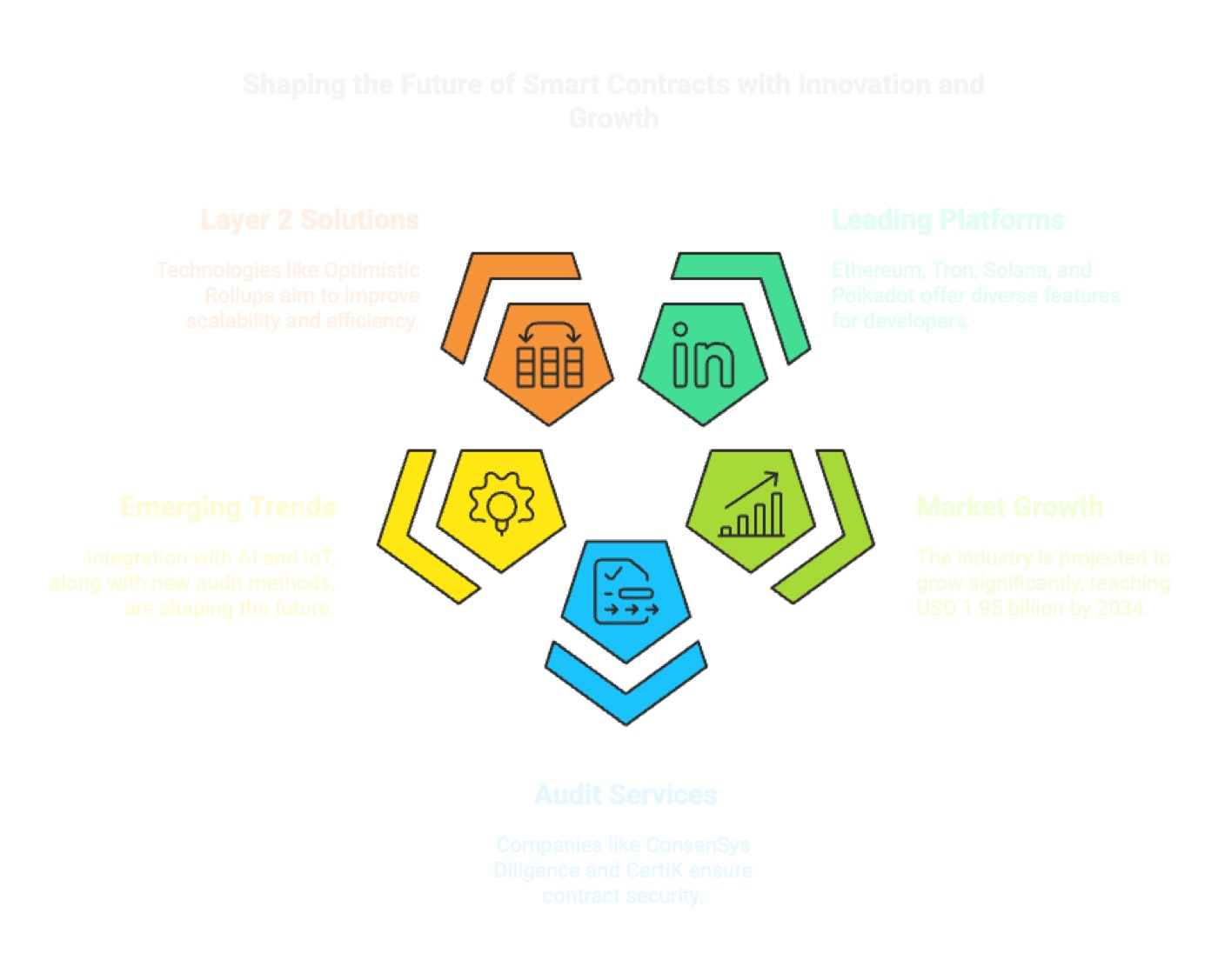
Emerging trends are reshaping the landscape. The integration with AI and IoT is noteworthy. These technologies enhance smart contract functionality. Additionally, new audit methodologies are gaining traction. Regulatory scrutiny is also increasing. This demands more transparent reporting practices.
Layer 2 solutions like Optimistic Rollups are gaining attention. They aim to improve scalability and reduce costs. Their impact is still under evaluation. However, they promise to make transactions more efficient. As the industry evolves, these trends will continue to shape its future.
User and Developer Insights
Developers face numerous challenges when writing and auditing smart contracts. Ensuring security and functionality in complex contracts is a primary concern. Different blockchain platforms add layers of complexity. Managing audit costs and timelines is another hurdle. Despite these challenges, the importance of security audits is widely recognized. Developers see audits as essential for minimizing risks and protecting digital assets.
Community engagement plays a pivotal role in enhancing security and efficiency. Developers and users often rely on community feedback to verify smart contract code. This collaborative approach helps identify potential issues early. It also fosters a culture of continuous improvement. Engaging with the community can provide valuable insights and support.
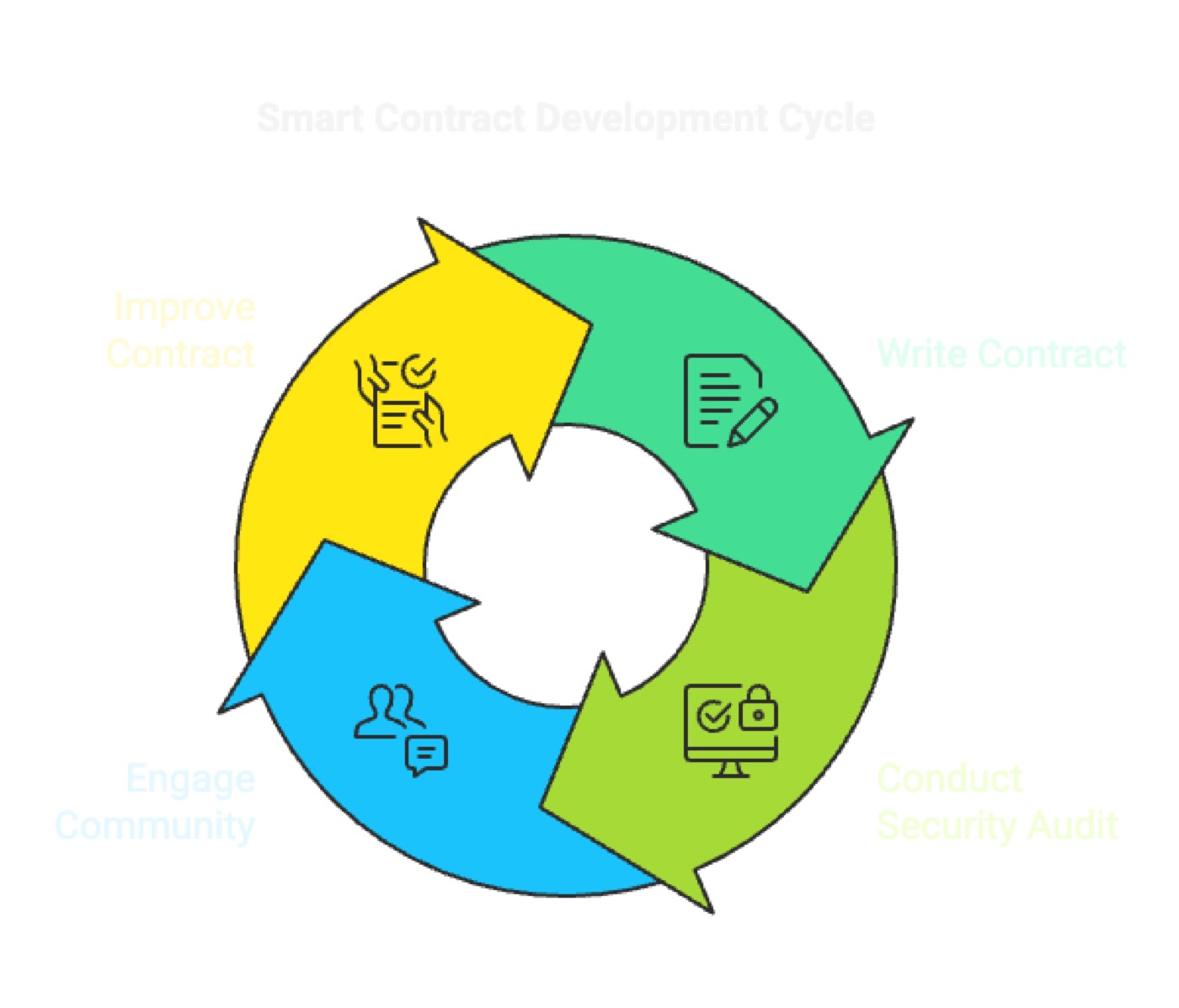
In conclusion, while developers navigate various challenges, the emphasis on security audits and community involvement remains strong. These elements are crucial for advancing smart contract development and ensuring robust security measures.
Conclusion
Smart contracts are reshaping how agreements are executed. They offer a new level of efficiency and automation. Understanding and auditing these contracts is crucial. It ensures that they function as intended and are free from vulnerabilities. The growth of the smart contract audit market underscores its importance. As the industry evolves, staying informed is key. Developers and businesses must keep up with the latest tools and practices. This knowledge helps in creating robust and secure smart contracts. Engaging with the community can provide valuable insights. It fosters a collaborative environment for innovation. The future holds vast potential for smart contracts. Exploring their capabilities can unlock new opportunities across various sectors.
Further reading: VARA inspection readiness · Supervisors want evidence, not policies