Effective Governance and Accountability in Government
How governments are strengthening accountability and decision-making, and the role technology plays in more transparent, citizen-focused governance.

"In recent years, there has been a significant push towards enhancing the accountability and efficacy of governance across the globe. As governments strive to enhance decision-making and align their policies more closely with the needs of their citizens and stakeholders, critical questions arise about how these efforts can be effectively achieved and monitored. What strategies can be implemented to foster greater transparency and enhance government capabilities? How can citizen and stakeholder engagement be maximized in the policymaking process to ensure effective policies are implemented?"
This was one of the themes that was defined this week in the World Governments Summit 2025.
Effective governance and accountability are crucial in today's world. They guide organizations and nations toward success. Governance sets the direction, while accountability ensures that those in power are answerable for their actions. Together, they create a system where power is used responsibly and ethically. This balance is essential for building societies that are fair and just. As we delve into this topic, we will explore how these elements work together to shape our world.
Fundamentals of Governance and Accountability
Governance is the system by which societies are organized and directed. It involves rules, processes, and behaviors that guide how power is exercised. Effective governance ensures that resources are managed responsibly and that decisions are made in the best interest of the public. Accountability, on the other hand, is about holding leaders and organizations responsible for their actions. It ensures that those in power answer to the people they serve, promoting trust and fairness.
The relationship between governance and accountability is crucial. Governance provides the framework for decision-making, while accountability ensures that these decisions are scrutinized and justified. This interplay is vital for maintaining fairness and equity in society. When leaders are accountable, they are more likely to act ethically and transparently, fostering a culture of integrity.
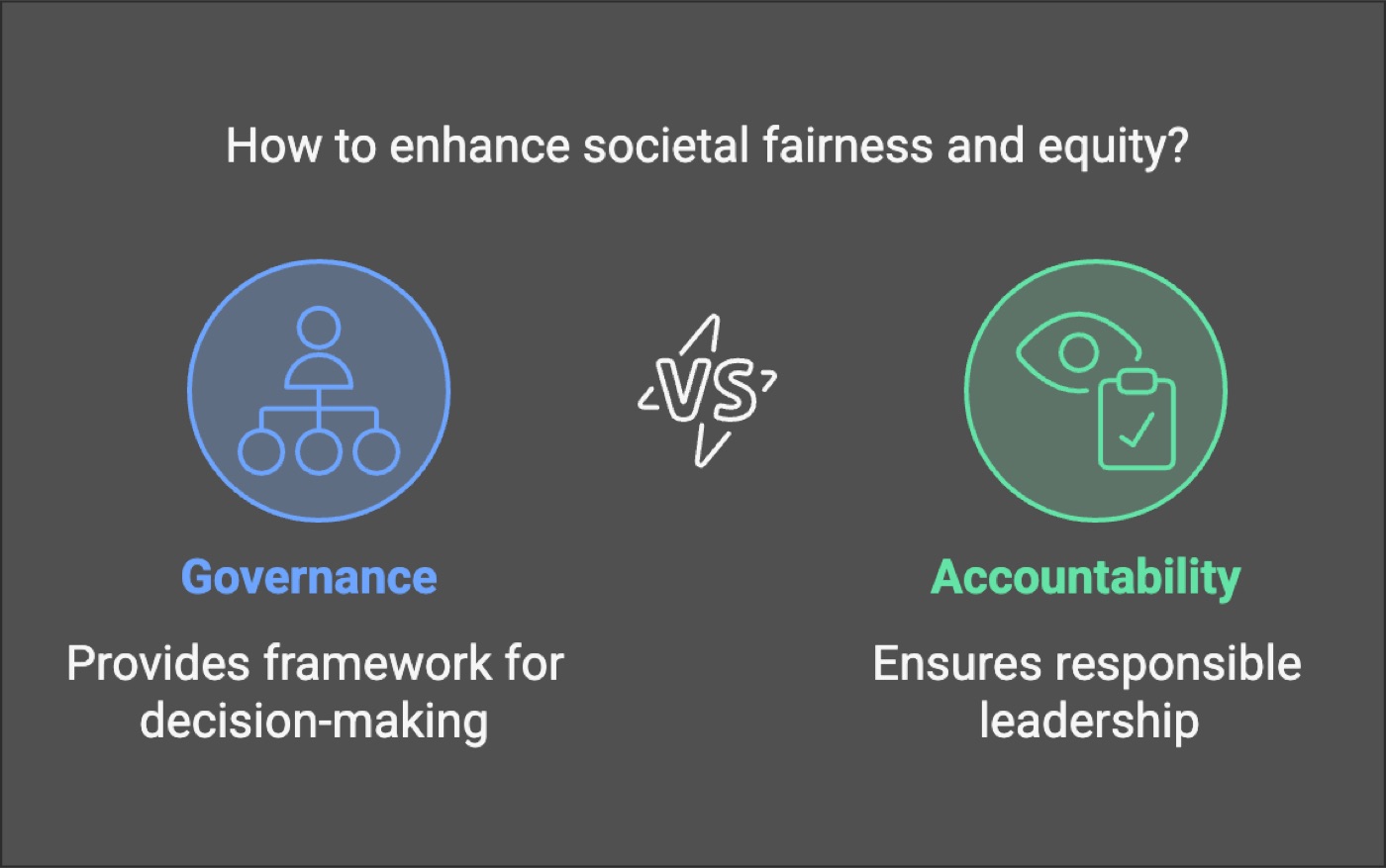
In today's world, the need for robust governance and accountability mechanisms is more pressing than ever. As societies become more complex, the systems that govern them must evolve to meet new challenges. This requires a commitment to continuous improvement and adaptation, ensuring that governance structures remain relevant and effective. By prioritizing accountability, societies can build stronger, more equitable systems that serve the needs of all citizens.
Advanced Aspects of Governance
Governance involves a complex mix of legal frameworks, institutional structures, and cultural norms. These elements must work together to create a balanced system. Authority must be checked by accountability to prevent misuse of power. This balance ensures that leaders are answerable to the people they serve.
Technology plays a crucial role in modern governance. It enhances decision-making by providing data-driven insights. This allows for more informed choices and helps engage the public in meaningful ways. For instance, digital platforms can facilitate public input on policy matters, making the process more inclusive.
The integration of technology in governance is not without challenges. It requires careful planning and execution to ensure all voices are heard. Moreover, it is important to address issues of digital access and literacy. Not everyone has equal access to technology, which can create disparities in participation.
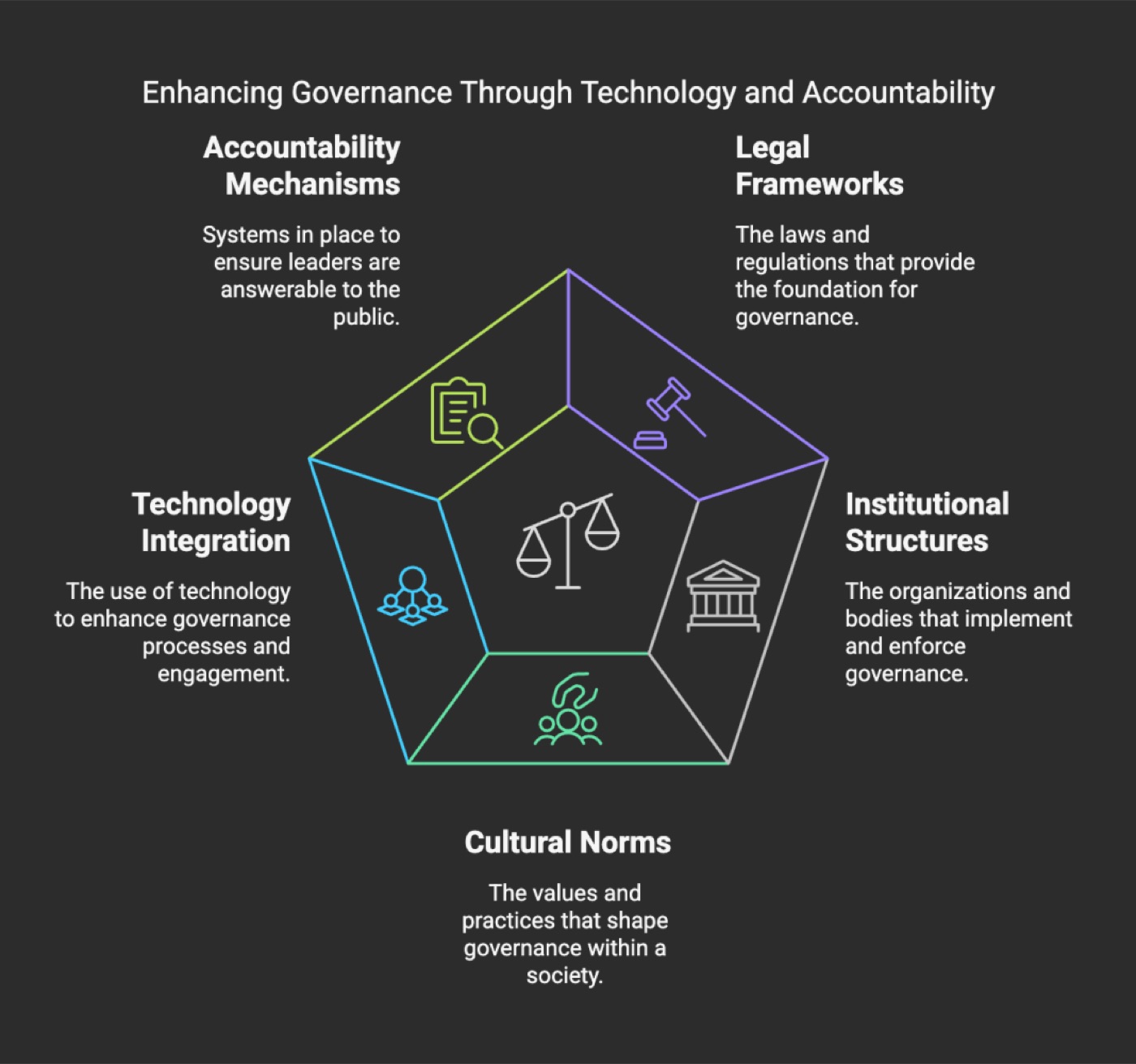
Ultimately, the goal is to create a governance system that is both effective and equitable. By leveraging technology, governments can improve their processes and better serve their citizens. This approach fosters a more engaged and informed society, paving the way for a brighter future.
Practical Examples of Effective Governance
UAE has emerged as a global leader in smart governance. Through initiatives like the Dubai Paperless Strategy and the UAE Pass, residents can access government services entirely online. This digital transformation enhances efficiency, reduces bureaucracy, and improves accessibility. By leveraging technology, Dubai strengthens public engagement and streamlines governance, positioning itself as a model for smart cities worldwide.
Additionally, Estonia stands out as a leader in digital governance. Its online platforms allow citizens to actively participate in shaping policies. This approach boosts civic engagement and strengthens democracy. By using technology, Estonia has made its government more accessible to its people.
Performance metrics and dashboards play a vital role in public administration. They help track the success of government programs. These tools provide clear, measurable objectives. Regularly monitoring these metrics ensures that public services meet their goals and improve over time.
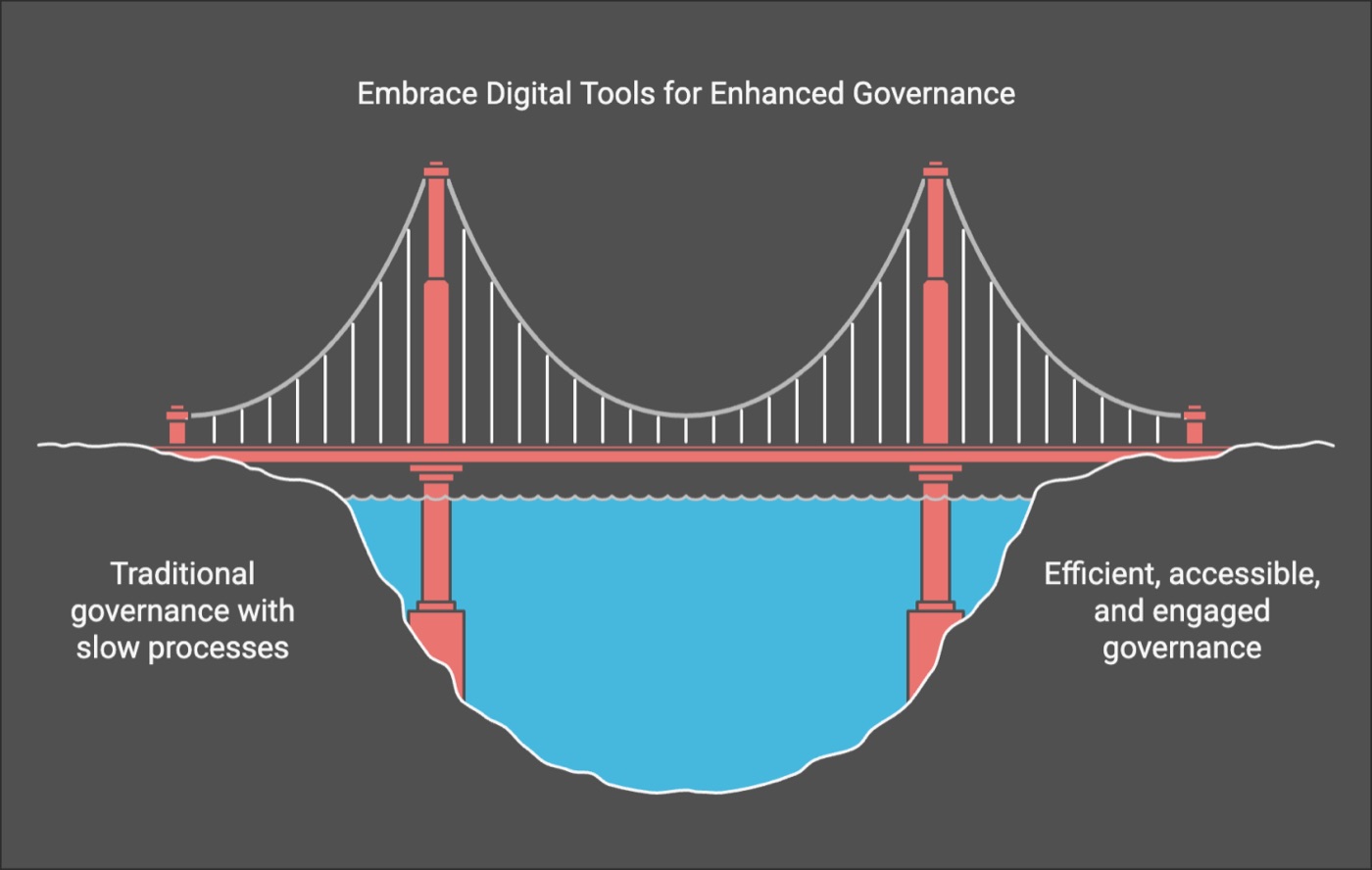
Local authorities are increasingly adopting electronic governance services. These services streamline processes like permitting and licensing. As a result, citizens experience faster service delivery. This shift not only enhances efficiency but also improves the overall experience for the public.
These examples illustrate how technology can transform governance. By embracing digital tools, governments can better serve their citizens. The focus remains on improving engagement, accountability, and service delivery.
Addressing Common Misconceptions
Accountability is often misunderstood as merely punitive. It's not just about punishment. It's about learning and improving. The Open Government Partnership (OGP) model emphasizes collaboration. Governments work with civil society to build trust. This approach fosters a constructive environment. It encourages transparency and shared responsibility.
Governance involves multiple stakeholders. It's not solely the job of governments. The private sector and civil society play crucial roles. They contribute to more ambitious action plans. These collaborations lead to better outcomes. They ensure diverse perspectives are considered.
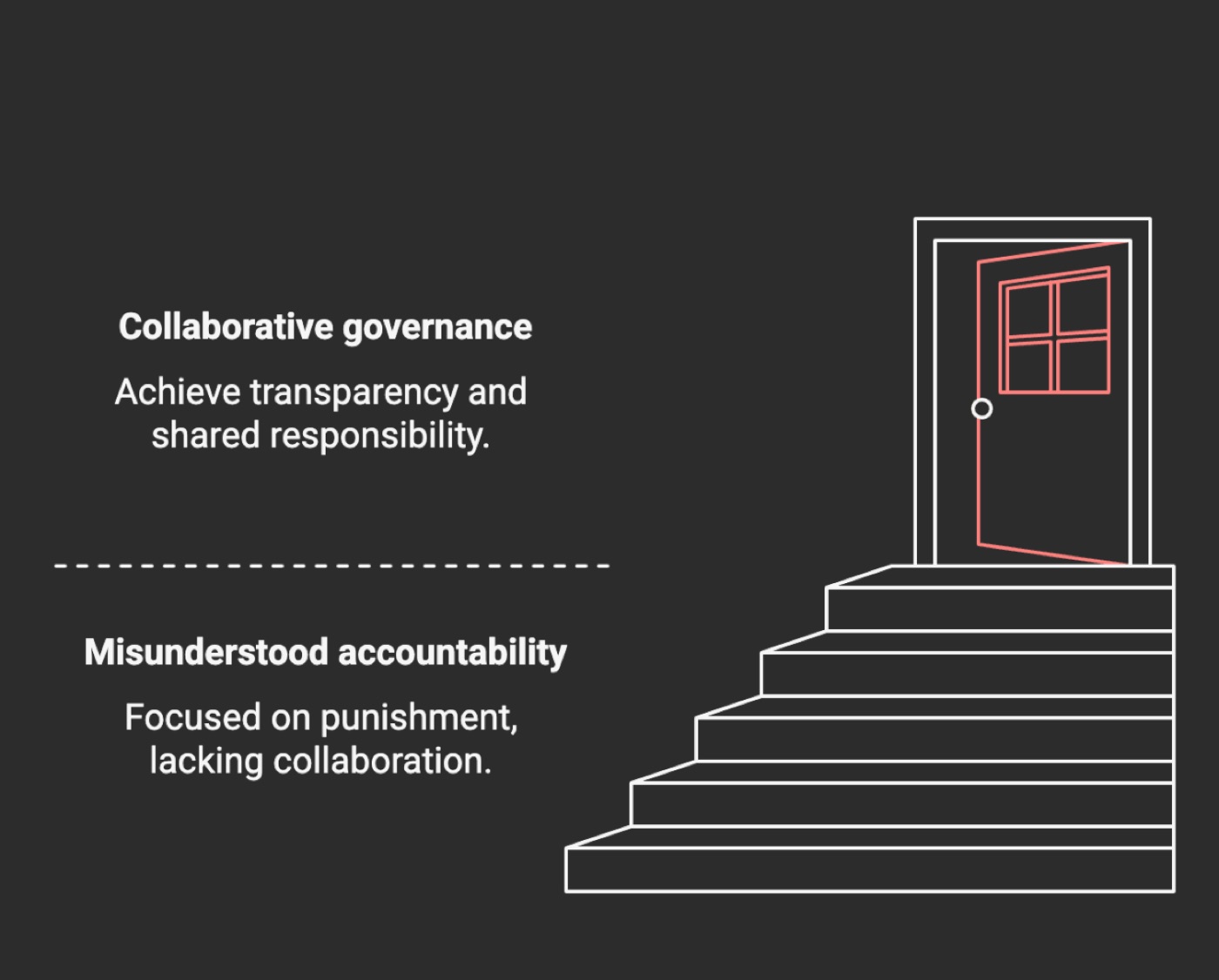
Many believe governance is only a government duty. This is a misconception. Effective governance requires a collective effort. The OGP highlights the importance of co-creation. It recognizes the value of input from various sectors. This inclusive approach strengthens governance frameworks. It ensures that decisions reflect the needs of all citizens.
Latest Developments in Governance
Blockchain is reshaping governance by improving transparency and accountability. Governments are exploring its potential to secure and streamline processes. This technology can prevent fraud and ensure data integrity. As a result, it is gaining attention for its ability to transform public administration.
Artificial intelligence and data analytics are revolutionizing policy decisions. They enable governments to make informed choices based on real-time data. This shift is leading to more effective and responsive governance. Agencies can now anticipate trends and adapt strategies quickly.
Current trends show a rise in digital governance solutions. E-governance services are becoming more widespread, offering citizens better access to services. Future developments may include deeper integration of AI and data tools. These advancements promise to enhance citizen engagement and improve service delivery.
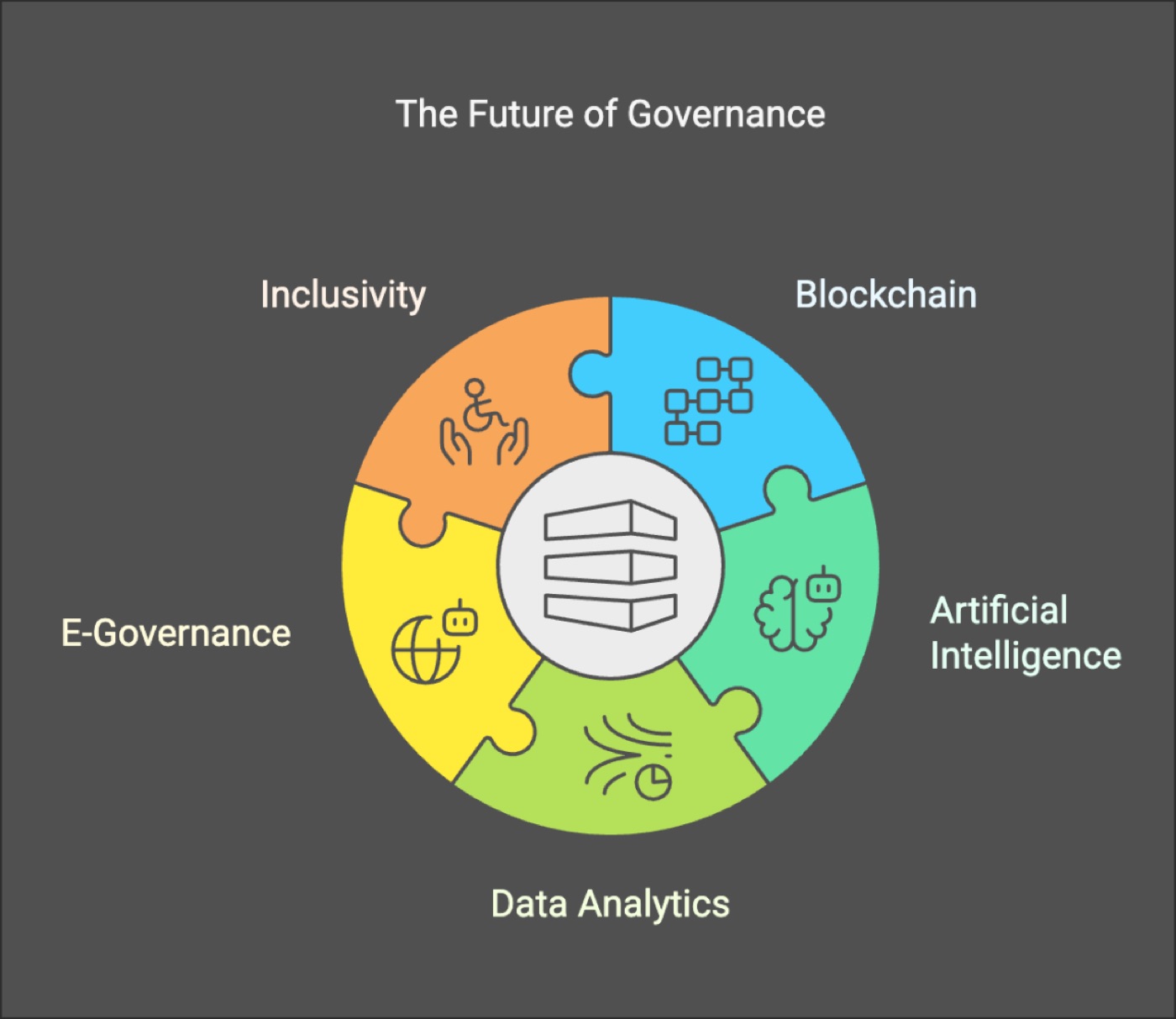
The future of governance lies in embracing these technological shifts. As governments adapt, they must ensure that these tools serve all citizens equally. The goal is to create systems that are both inclusive and effective. This approach will shape the next era of governance.
Expert Insights
Technological solutions must prioritize people. They should align with citizens' needs and experiences. This approach ensures that technology serves its purpose effectively. Experts emphasize this human-centric focus in governance.
Continuous learning and adaptation are crucial. Governments need to stay responsive to citizens' needs. Regular reviews and adjustments help maintain agility. This process is a key part of strategic planning.
Technology should not worsen inequalities. Careful implementation is necessary. It ensures inclusivity and fairness in governance. Studies highlight the importance of this consideration.
Conclusion and Future Outlook
Effective governance and accountability are crucial for societal progress. They ensure leaders act in the best interests of citizens. The integration of technology, like blockchain and AI, is reshaping how decisions are made. These tools help make governance more open and inclusive. As we move forward, the role of technology will only grow. It will continue to change how governments operate and interact with the public.
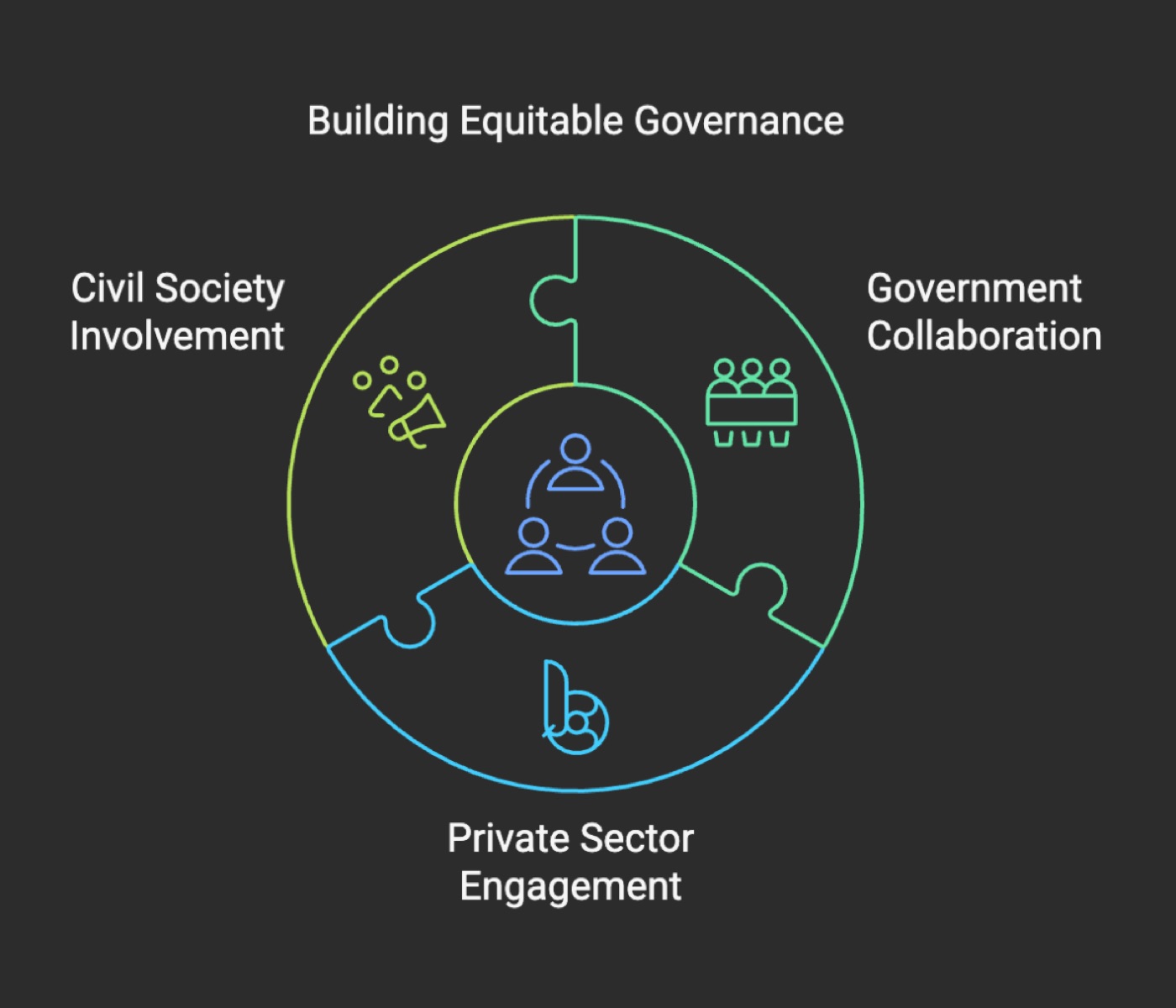
Looking ahead, the focus should be on fostering collaboration. Governments, private sectors, and civil society must work together. This collaboration can lead to more effective governance strategies. The future holds promise for more engaged and informed citizens. Continuous dialogue and adaptation will be key. By embracing these changes, societies can build systems that are fair and equitable for all.
Continue reading by subscribing to Nasser's Newsletter. You will receive strategy perspectives about AI, Blockchain, and Digital Transformation every week.
👇👇👇👇👇👇👇👇👇