Blockchain for Business Leaders: Uses, Risks and Results
A leader’s view of blockchain: how it improves transparency and security, where it is used in retail and banking, the adoption hurdles and how to start.

Welcome to our exploration of how digital transformation is reshaping the business landscape. At the heart of this change lies blockchain, a powerful tool with the potential to redefine entire industries. Our goal is to provide you with valuable insights into how blockchain can be applied practically today and what trends to watch for in the future. This article serves as a guide for leaders looking to harness the potential of blockchain to drive meaningful change.
Understanding Blockchain's Impact on Business
Blockchain is a digital ledger. It records transactions across many computers. This makes it hard to alter the past. Each record is a block, and they link together in a chain. This system is decentralized, meaning no single entity controls it.
One major benefit is openness. Every participant in the network can see the same data. This reduces the chance of fraud. In business, this openness builds confidence. For example, in supply chains, every step is visible. This visibility helps businesses track products from start to finish. It also ensures that products are authentic.
Security is another key advantage. Data stored in a blockchain is encrypted. This means it is turned into a code to prevent unauthorized access. In finance, this reduces the risk of hacking. Banks use it to protect customer information. It also helps in verifying transactions quickly and accurately.
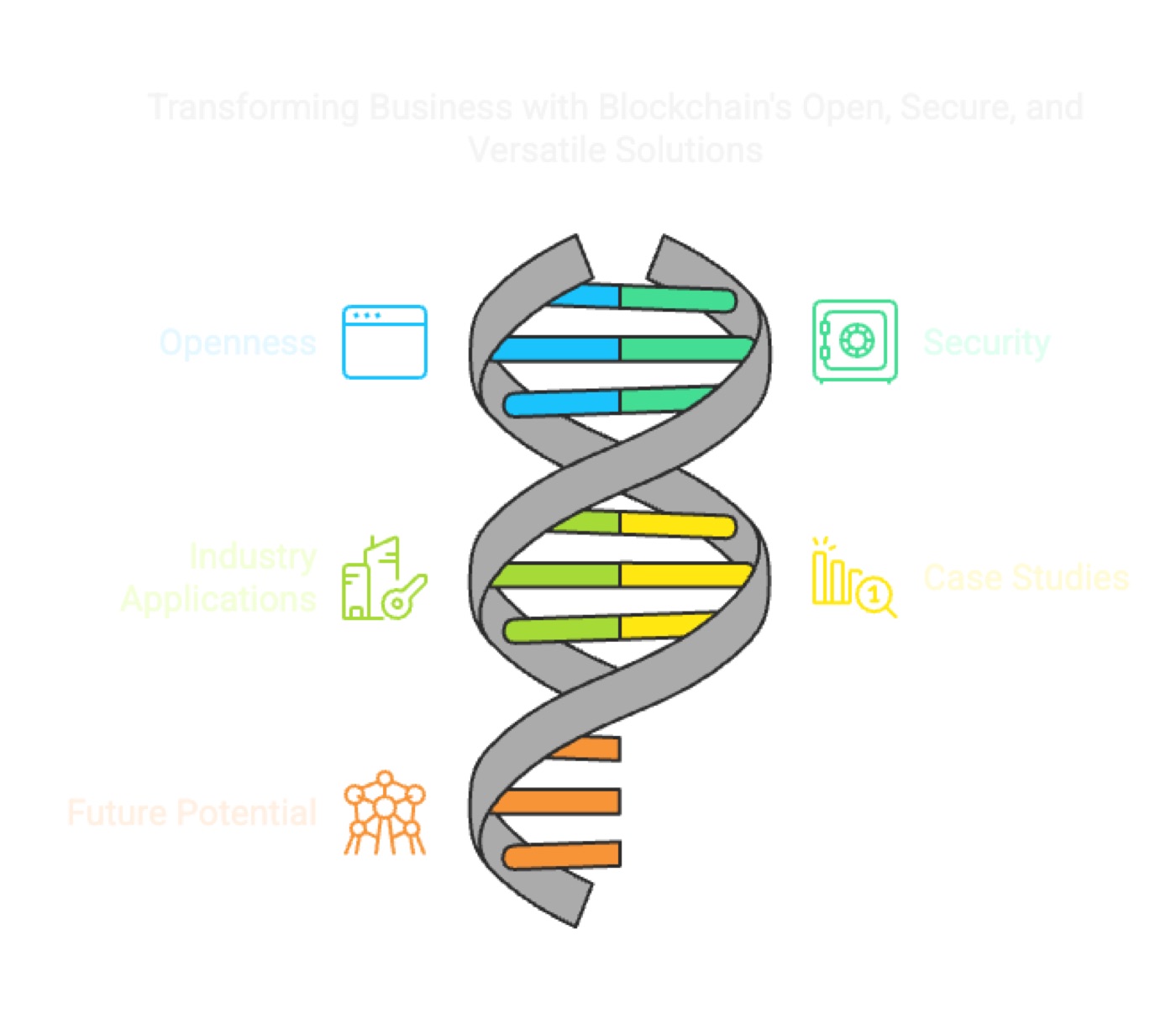
Different industries are using blockchain in unique ways. In healthcare, it helps manage patient records. Doctors can access a patient’s history securely. This improves care and reduces errors. In real estate, it speeds up property transactions. Buyers and sellers can exchange information without middlemen.
Case studies highlight successful uses. A retail company improved its supply chain by using blockchain. They reduced delays and cut costs. A financial institution used it to reduce fraud. They saw a drop in fraudulent activities by 30%.
Blockchain is reshaping how businesses operate. It offers new ways to solve old problems. As more industries adopt it, the potential for change grows. This is just the beginning of a new era in business.
SWOT Analysis
Starting with blockchain can seem daunting. Beginning with small pilot projects. This allows businesses to test the waters without major risks. They emphasize the importance of understanding the specific needs of your industry before diving in.
Adopting blockchain comes with challenges. Regulatory concerns and integration with existing systems are common hurdles. However, the potential benefits, such as increased efficiency and cost savings, are significant.
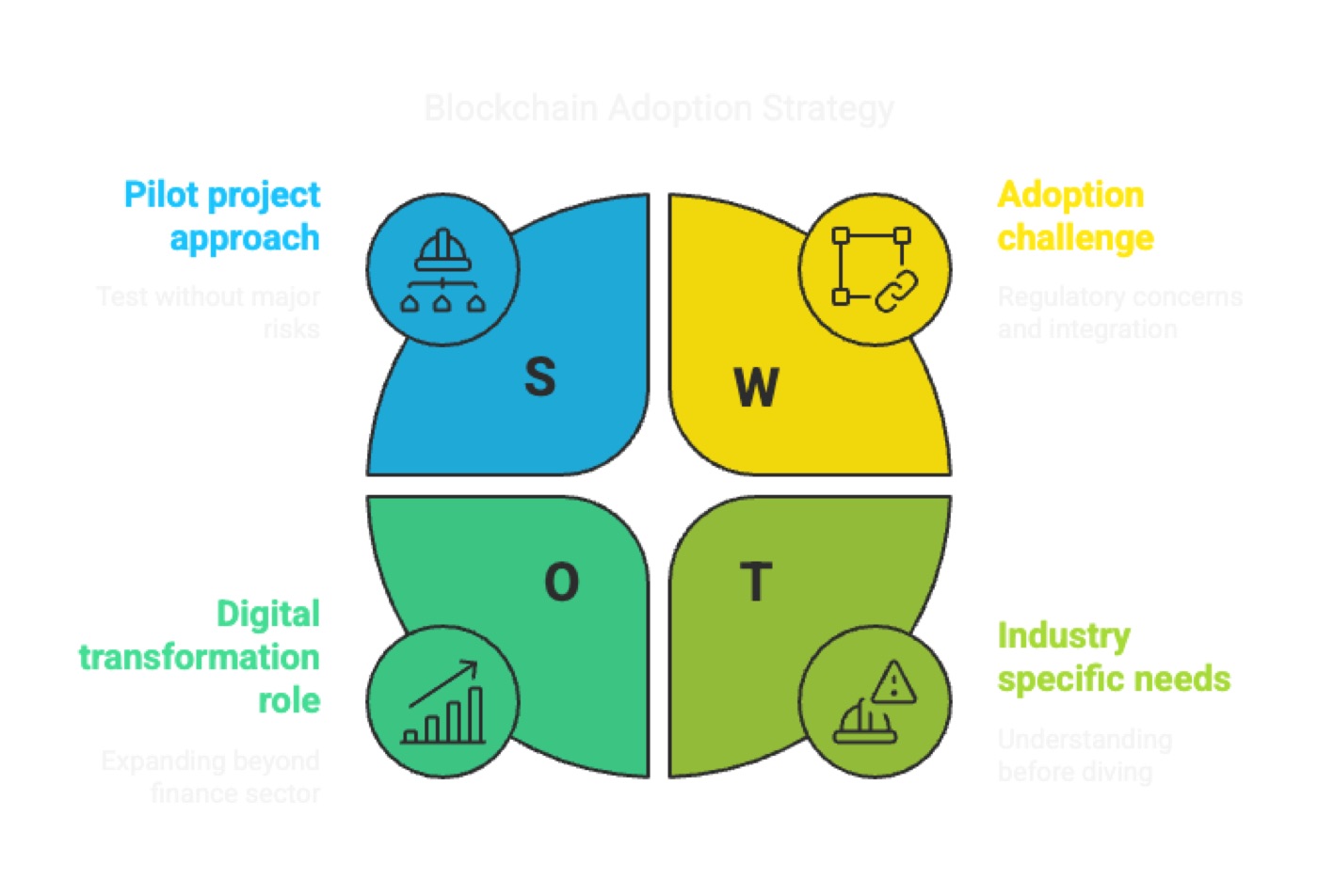
Looking ahead, Blockchain will play a crucial role in digital transformation. They foresee its use expanding beyond finance into sectors like healthcare and supply chain management. This evolution could redefine how industries operate in the future.
Blockchain Success Stories
Use Case: Retail Company
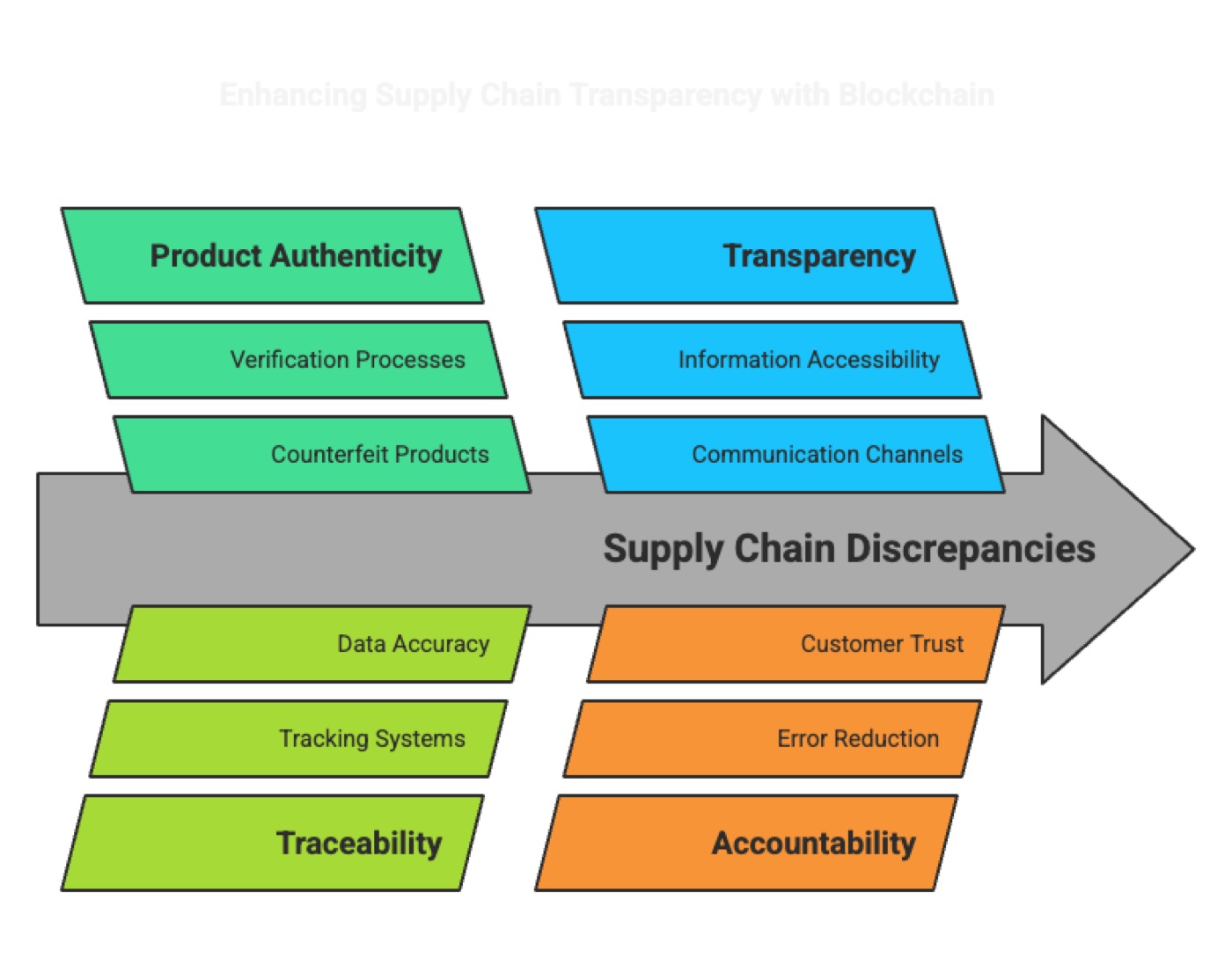
A major retail company faced challenges in tracking its supply chain. They needed a system to ensure product authenticity and traceability. By implementing a decentralized ledger, they achieved remarkable results. Each product's journey, from origin to store shelf, became easily traceable. This transparency reduced errors and improved customer trust. The company reported a 30% reduction in supply chain discrepancies. This case demonstrates the potential for greater accountability in retail operations.
Use Case: Financial Institution
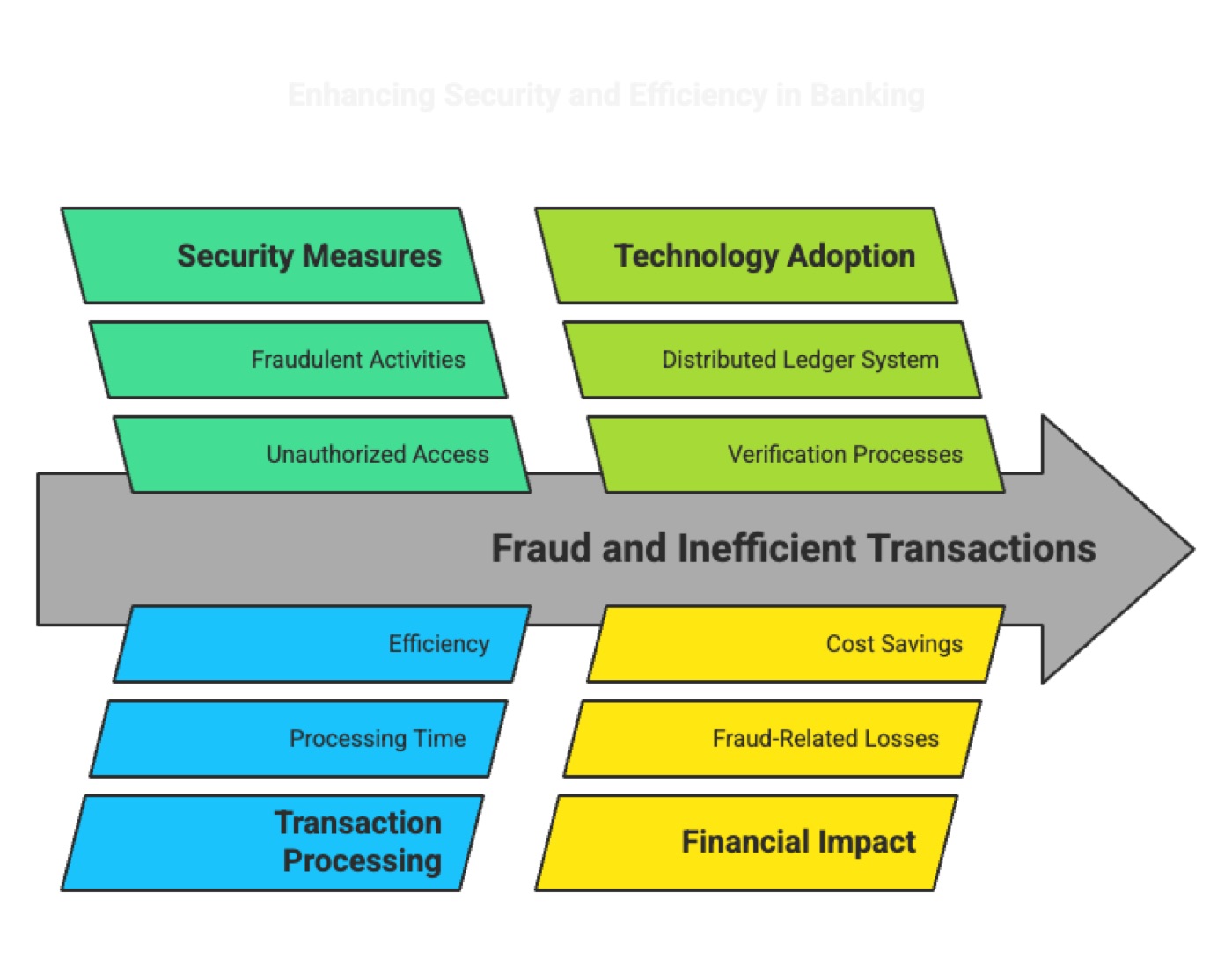
A leading bank sought to enhance its security measures and combat fraud. They adopted a distributed ledger system to verify transactions. This approach minimized unauthorized access and fraudulent activities. The institution saw a 40% decrease in fraud-related losses within the first year. Additionally, transaction processing times improved significantly. This example highlights the potential for improved security and efficiency in financial services.
Blockchain Research Insights
Recent studies show a significant rise in business adoption of blockchain. Around 81% of companies are exploring or implementing blockchain solutions. This surge reflects a growing recognition of blockchain's potential to streamline operations. In terms of cost savings, businesses report a 30% reduction in operational expenses. These savings primarily stem from enhanced efficiency and reduced fraud.
Surveys reveal that 60% of executives believe blockchain will fundamentally change their industries. This sentiment underscores the transformative power of blockchain. Companies are not just saving money; they are also gaining a competitive edge. The data highlights a trend towards integrating blockchain into core business strategies.
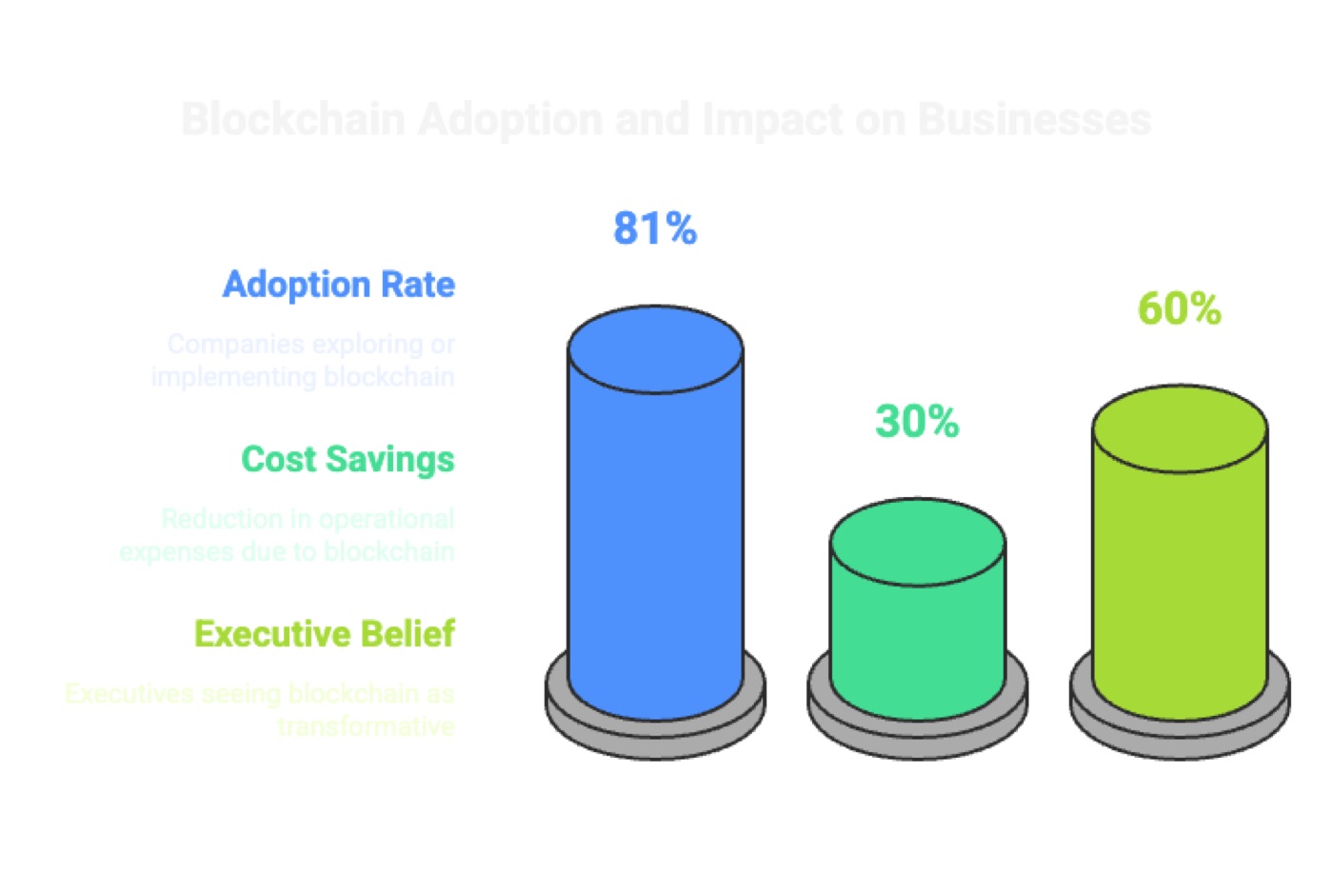
The impact on business operations is profound. Many organizations report improved data accuracy and faster transaction times. These improvements lead to better decision-making and increased customer satisfaction. As more data becomes available, the benefits of adopting blockchain are becoming increasingly evident.
Blockchain Implementation Cycle
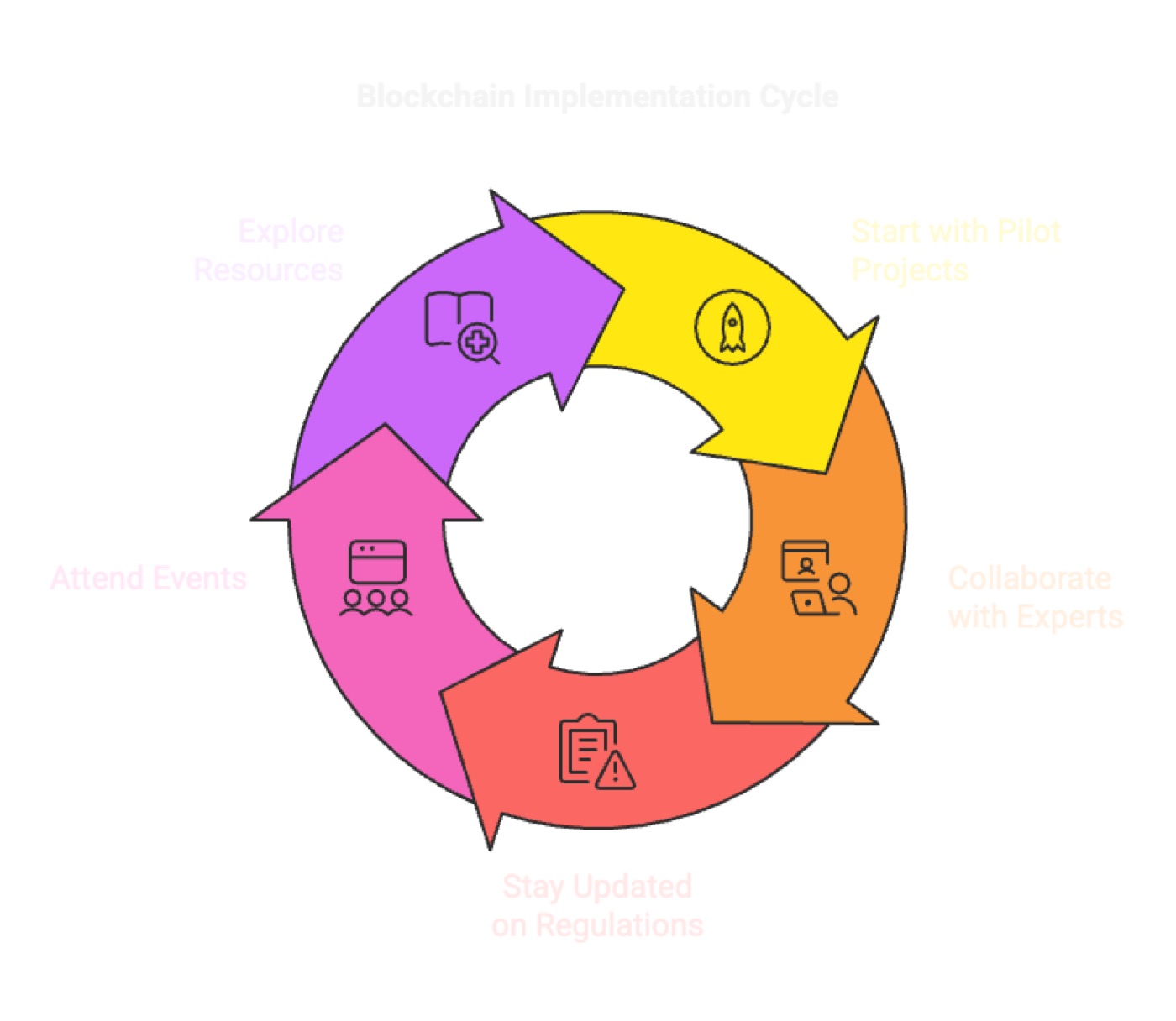
Start with pilot projects. This allows for testing on a small scale. It helps identify potential issues early. Collaborate with industry experts. Their experience can guide you through challenges. Keep abreast of regulations. Laws can change rapidly, affecting implementation.
Further reading: VARA inspection readiness · Supervisors want evidence, not policies