Human-Centric Growth in the Age of AI
Why human development, capacity building and technology together drive inclusive, resilient growth, and the metrics and programmes that show it works.

Human-centric growth has become a focal point in shaping the future. It emphasizes the enhancement of human well-being and capabilities. In a world that's changing rapidly, this approach is crucial. It aims to empower individuals and communities, fostering a more equitable society. Capacity building plays a vital role here. By equipping people with the necessary skills and knowledge, it ensures that they can adapt to new challenges. Technological innovation also drives this growth. It opens up new opportunities for development and progress. Together, these elements create a powerful synergy. They pave the way for sustainable and inclusive growth.
Human-Centric Development
Human-centric development focuses on improving human well-being and capabilities. It uses specific metrics to measure progress. The Human Development Index (HDI) is one such metric. It evaluates health, education, and income levels. The Gender Development Index (GDI) highlights gender disparities. The Inequality-Adjusted Human Development Index (IHDI) accounts for inequality. The Gender Inequality Index (GII) and Multidimensional Poverty Index (MPI) offer additional insights. These metrics help us understand how people are doing in different areas.
The impact on poverty rates is significant. A multifaceted poverty reduction program increased household income by 40 to 50% over five years. This was achieved through business operations and wages, not government transfers. The program also changed decision-making and preferences. People became more efficiency-focused and less selfish.
Successful case studies provide valuable lessons. The poverty reduction program is a prime example. It increased income and altered distributional preferences. Training, schooling, and job opportunities were key interventions. These had lasting impacts even after the program ended.
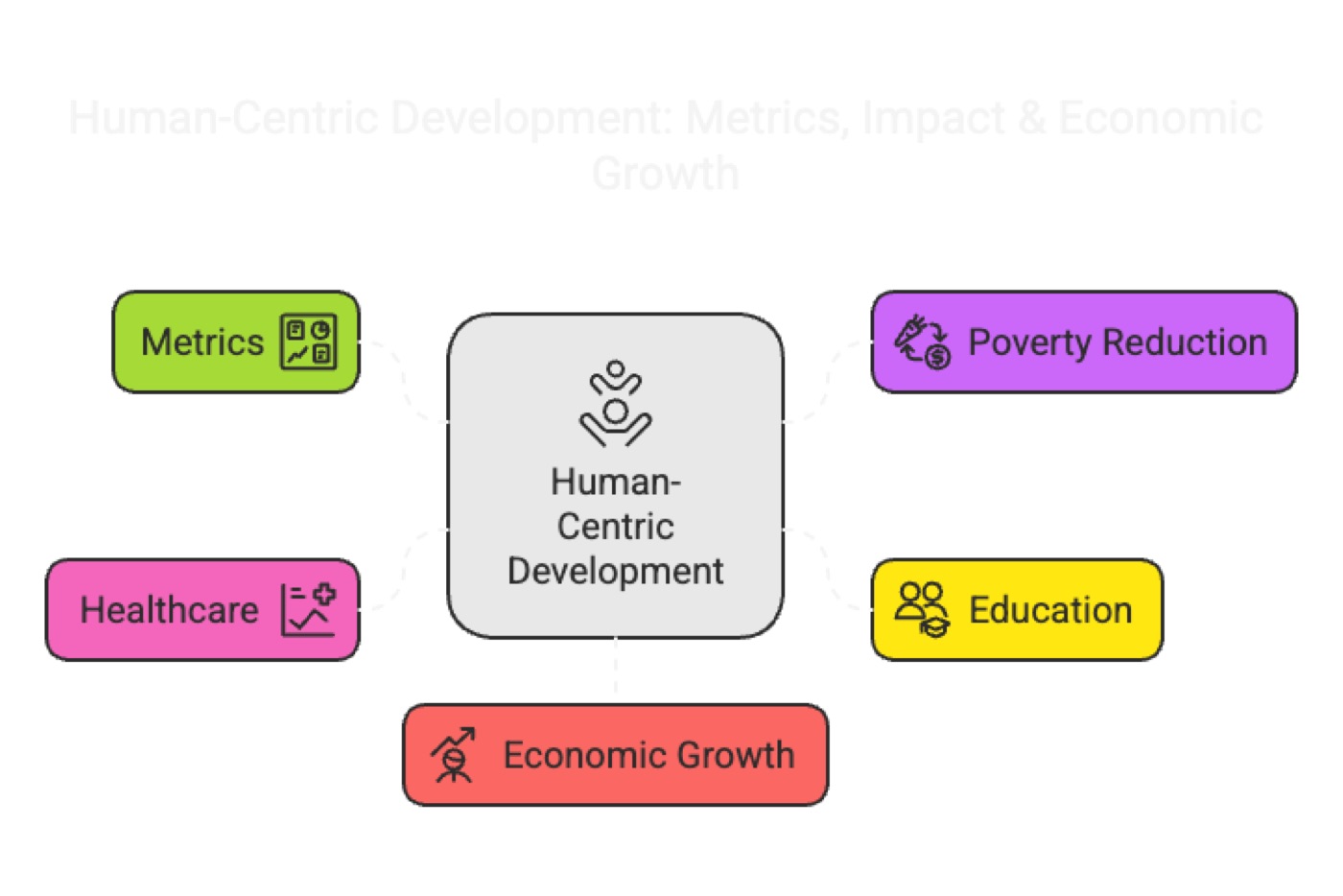
Human-centric development also influences education and healthcare. The Human Capital Project emphasizes investments in these areas. It ensures children are well-nourished and ready to learn. This prepares them for productive roles in the workforce. The Human Capital Index (HCI) measures the contribution of health and education to future productivity.
Investments in human-centric development yield economic returns. Improvements in human capital are linked to faster economic growth. Countries with higher human capital indices often see higher GDP growth rates. This highlights the economic benefits of focusing on human well-being.
Capacity Building
Capacity building is about enhancing skills and abilities. It's crucial for personal and organizational growth. Effective programs focus on specific needs. They improve decision-making and work skills. Training and education are key components. For example, a poverty reduction program included these elements and succeeded in raising incomes by 40 to 50% over five years.
Challenges in capacity building are common. Ensuring relevant training and addressing resource limitations are major hurdles. Long-term commitment is also essential. Overcoming these requires a comprehensive approach. High-level leadership and a focus on quality can make a difference. The Human Capital Project emphasizes these strategies, showing their effectiveness.
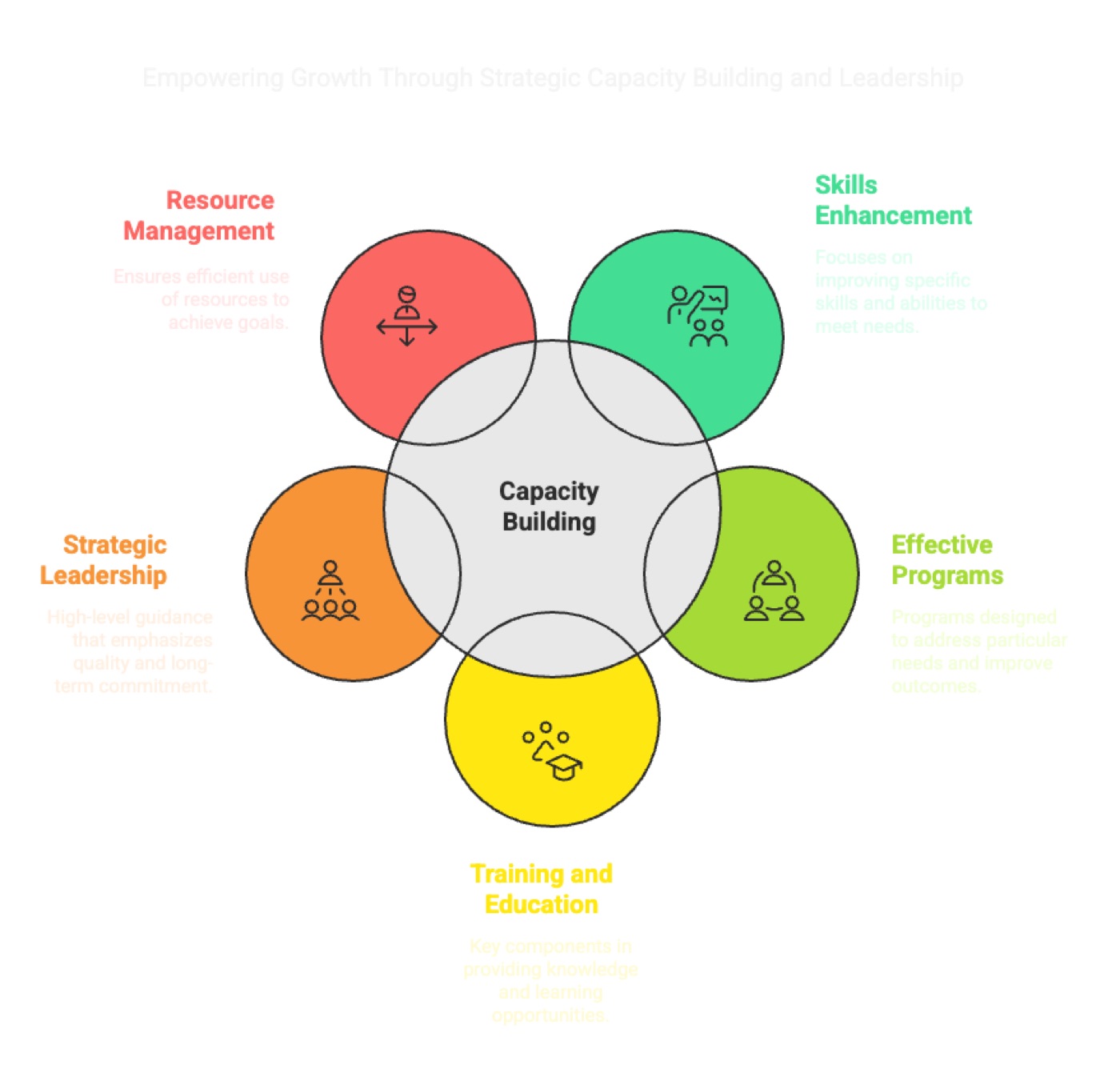
Building capacity impacts productivity and efficiency. Organizations see better performance and job satisfaction. Employees feel more engaged when they have growth opportunities. This leads to higher retention rates. Programs that integrate training into broader development efforts are often more successful. They ensure resources are used wisely and goals are achieved.
In conclusion, capacity building is vital for progress. It empowers individuals and strengthens organizations. By addressing challenges and focusing on effective strategies, we can unlock potential and drive meaningful change.
Technological Innovation
Technological innovation is reshaping how social programs operate. Data analytics and digital platforms are pivotal in enhancing program delivery. These tools streamline processes, making them more effective. The result? Better outcomes for communities in need.
Significant advancements are evident in various sectors. Digital health platforms improve access to medical services. Online educational tools offer learning opportunities to remote areas. These technologies bridge gaps, providing essential services to underserved populations.
Economic growth is closely linked to technological progress. Over the past five years, tech has boosted productivity. It has improved service delivery and informed decision-making. Countries leveraging data and analytics see better resource allocation. This targeted approach fosters development and prosperity.
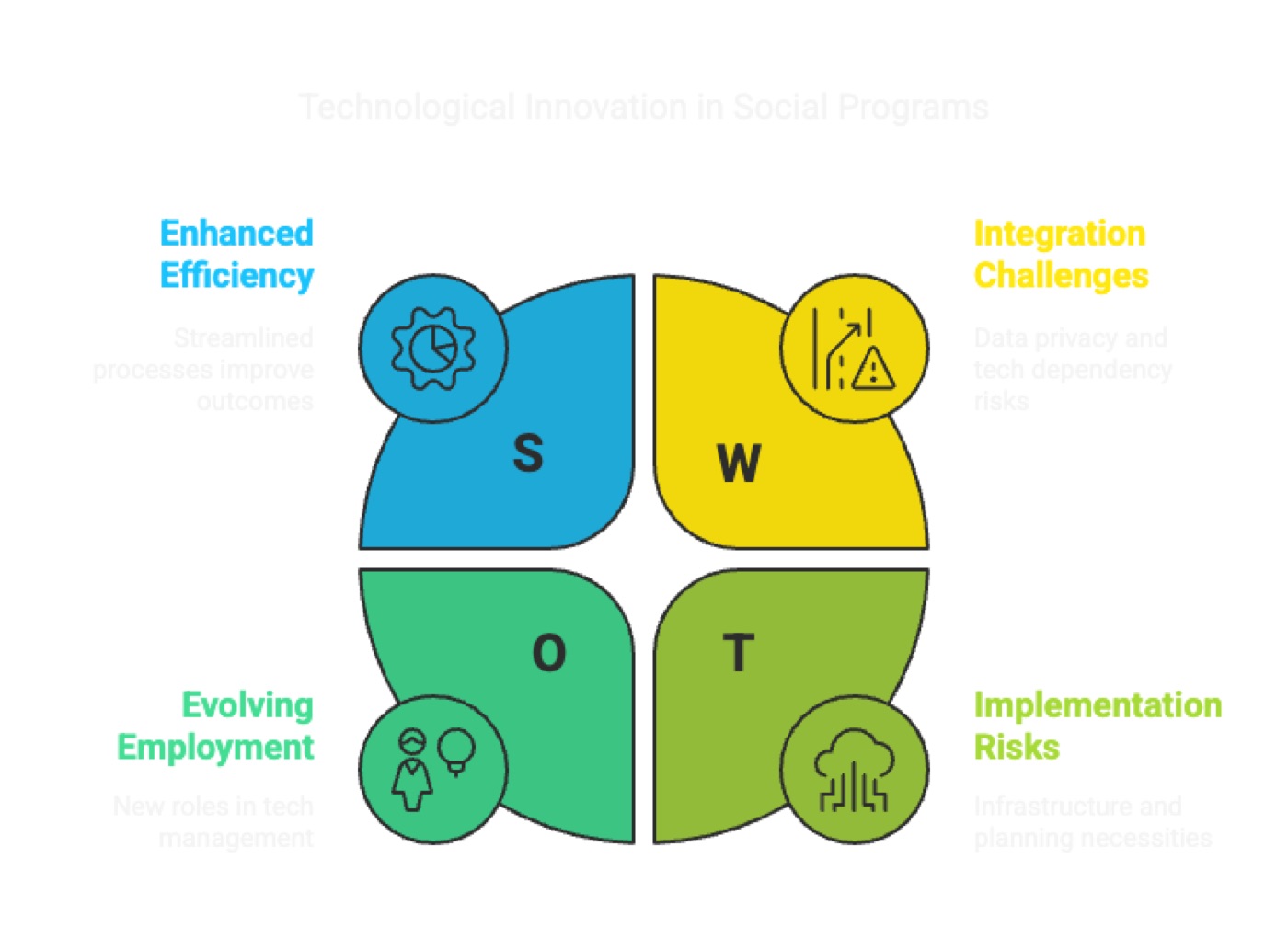
Employment opportunities in the nonprofit sector are evolving. New roles in data analysis and digital management are emerging. Existing positions are becoming more efficient. Technology equips workers with tools to enhance their impact. This shift is vital for organizations aiming to maximize their reach.
However, integrating technology into social programs isn't without challenges. Data privacy concerns and tech dependency are significant risks. Continuous training and maintenance are necessary. Careful planning and robust infrastructure are essential. These measures ensure that technology serves its intended purpose effectively.
Societal Change
Societal change is often marked by shifts in education, healthcare, and economic opportunities. Metrics like the Human Development Index (HDI) and the Human Capital Index (HCI) provide a snapshot of these changes. They show how human-centric and technological innovations are transforming societies. Education plays a crucial role in this transformation. It equips individuals with skills necessary for adapting to new challenges and opportunities. As education improves, so do societal outcomes.
Inclusion and social justice have also seen positive impacts. Digital platforms are bridging gaps, offering resources to remote and underserved areas. This access empowers marginalized groups, enhancing their participation in society. Programs focused on poverty reduction have furthered this cause. They not only alleviate economic hardships but also foster community engagement.
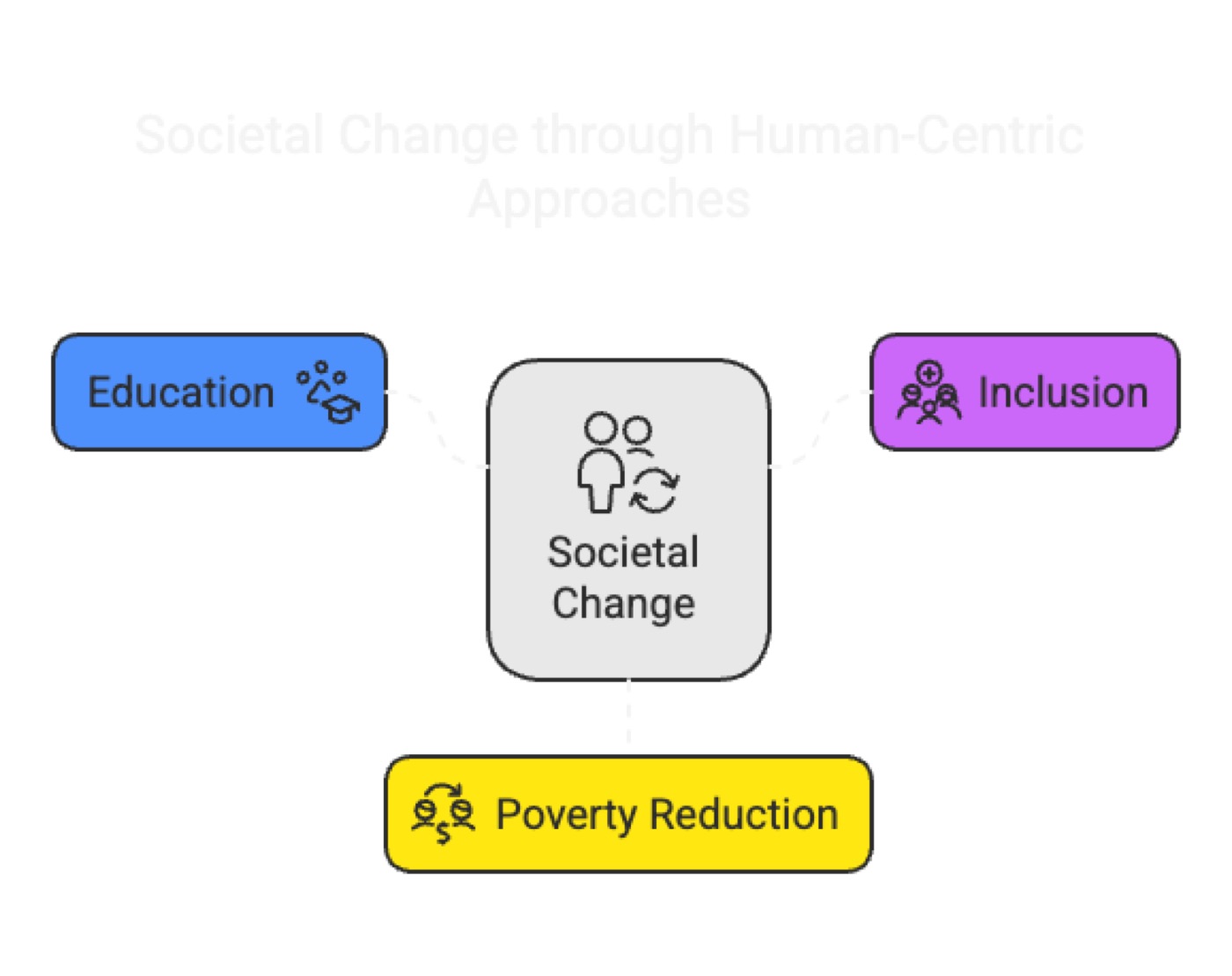
One successful example is a multifaceted poverty reduction initiative. This program not only reduced poverty but also changed social preferences. It shifted perceptions of fairness among the poor, leading to long-term community benefits. Such initiatives illustrate the potential for societal change when human-centric approaches are prioritized. As these strategies evolve, they promise to create more equitable and cohesive societies.
Inclusive Growth
Inclusive growth is a strategy that ensures everyone benefits from economic progress. It focuses on reducing income inequality and enhancing economic stability. The Inequality-Adjusted Human Development Index (IHDI) is a key metric here. Countries with higher IHDI scores often experience lower income inequality. This suggests that inclusive policies can lead to more equal societies.
Statistics show that inclusive growth positively affects poverty rates. Economic stability improves when growth reaches all segments of society. Policies that empower the poor and improve access to education and healthcare are crucial. These approaches have proven effective in reducing poverty and boosting economic stability.
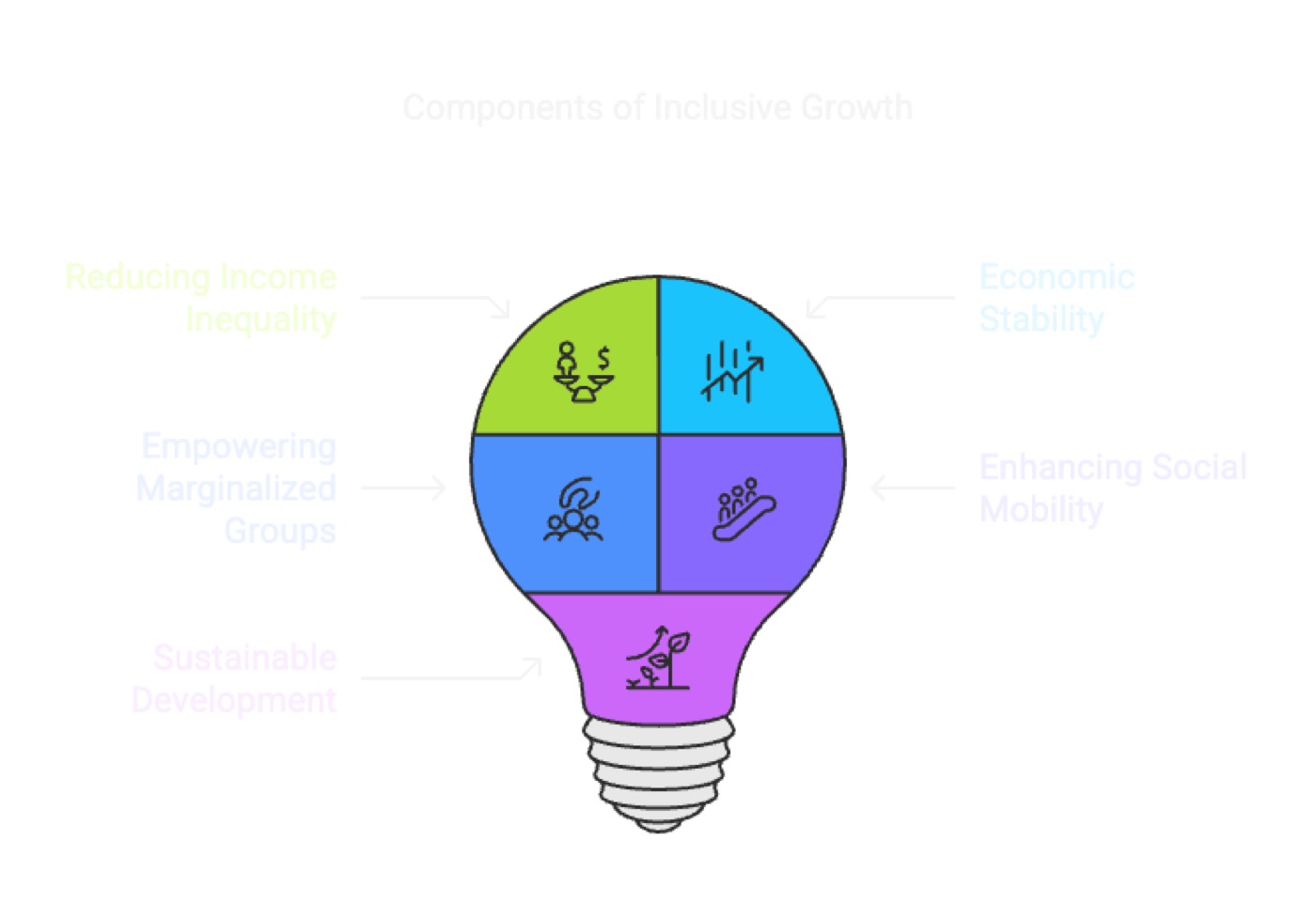
Effective policies for inclusive growth involve empowering marginalized groups. Strengthening their organizations and influence in economic governance is essential. This approach ensures that the poor are both agents and beneficiaries of economic growth. It leads to more equitable resource distribution.
Inclusive growth also enhances social mobility. It provides better access to education, healthcare, and job opportunities. This results in more equitable resource distribution and opportunities. Economic benefits include more sustainable development. Countries that adopt inclusive growth models often see higher and more stable growth rates.
Resilient Societies
Resilient societies are those that can withstand and adapt to challenges. These societies are built on strong human capital, effective capacity building, and inclusive growth strategies. Human capital involves the health, education, and skills of the population. Capacity building focuses on developing skills and abilities in individuals and organizations. Inclusive growth ensures that everyone benefits from economic progress.
When global crises hit, resilient societies respond better. For instance, during the COVID-19 pandemic, countries with robust healthcare systems and educated populations managed more effectively. Their ability to adapt and recover quickly was evident. Capacity building played a crucial role here. Training in emergency response and healthcare management proved vital.
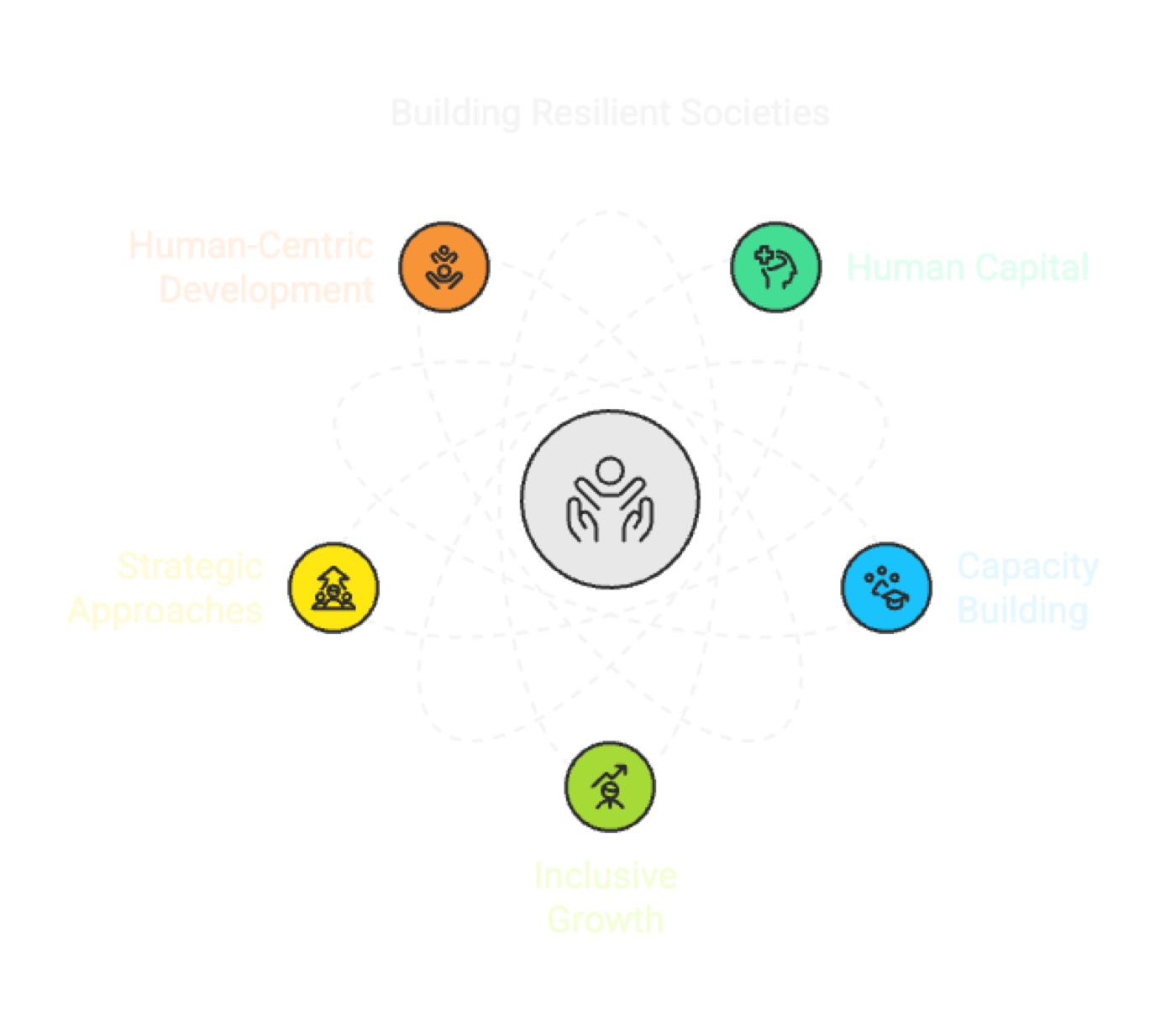
Building resilience in communities with limited resources requires strategic approaches. A "whole of government" approach can be effective. This involves coordinated efforts across different sectors. High-level leadership and a focus on quality service delivery are also essential. These strategies ensure resources are used wisely to strengthen communities.
Human-centric development significantly contributes to resilience. By investing in health, education, and social protection, societies build strong populations. These investments help people withstand and recover from challenges. As we look to the future, prioritizing human well-being and capabilities will be key to creating resilient societies that thrive in the face of adversity.
Conclusion
Human-centric growth holds immense potential for transforming societies. By prioritizing human well-being, we can address pressing global challenges. Capacity building and technology play crucial roles in this transformation. They enhance skills and improve efficiency, leading to economic growth. As we look to the future, it's vital to focus on creating resilient and inclusive societies. Investing in education, health, and social protection can help achieve this goal. These efforts will ensure that communities are better equipped to face future challenges. By fostering human-centric growth, we pave the way for a more equitable world.