Private vs Consortium Blockchains: A Guide for Banks
The difference between private and consortium blockchains, why banks use them for shared data and settlement, and when each model fits.

Consortium and Private Blockchain Networks are types of blockchains designed for restricted access. Unlike public blockchains (like Bitcoin or Ethereum) that anyone can join, these networks limit participation to specific users or organizations.
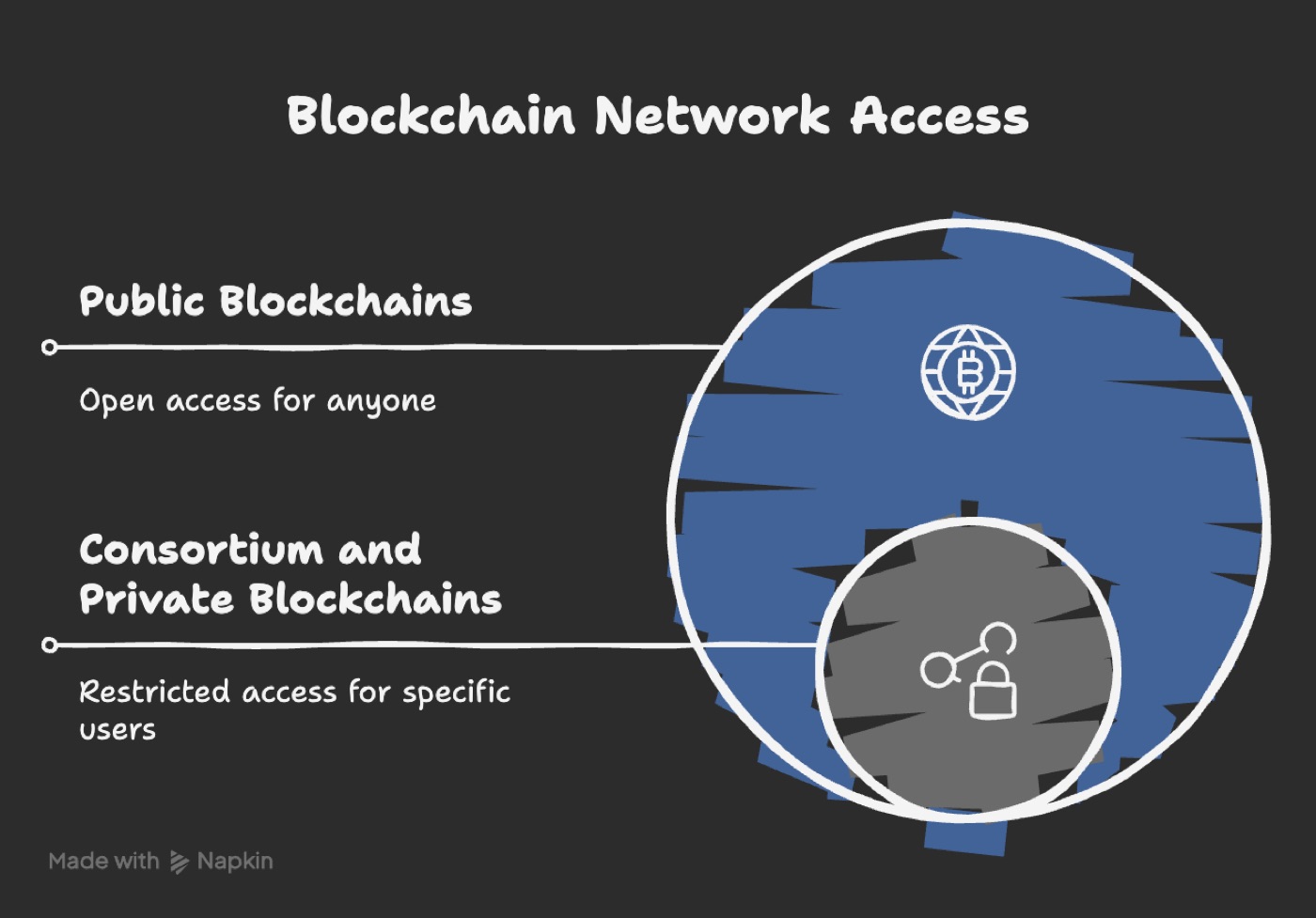
Key Differences
Access Control
- Consortium Blockchain: Managed by a group of organizations. Members must be approved to join.
- Private Blockchain: Controlled by one organization, which decides who can access the network.
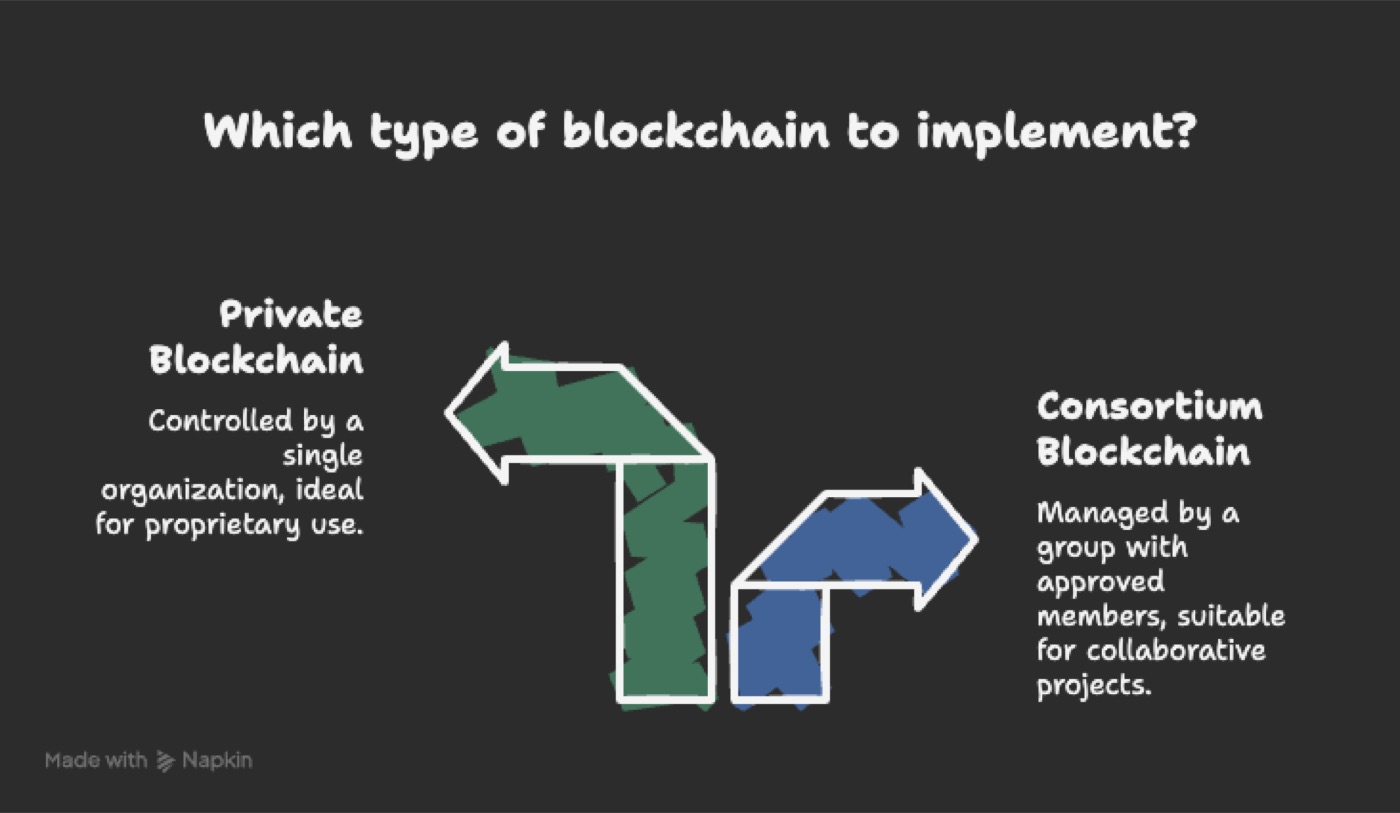
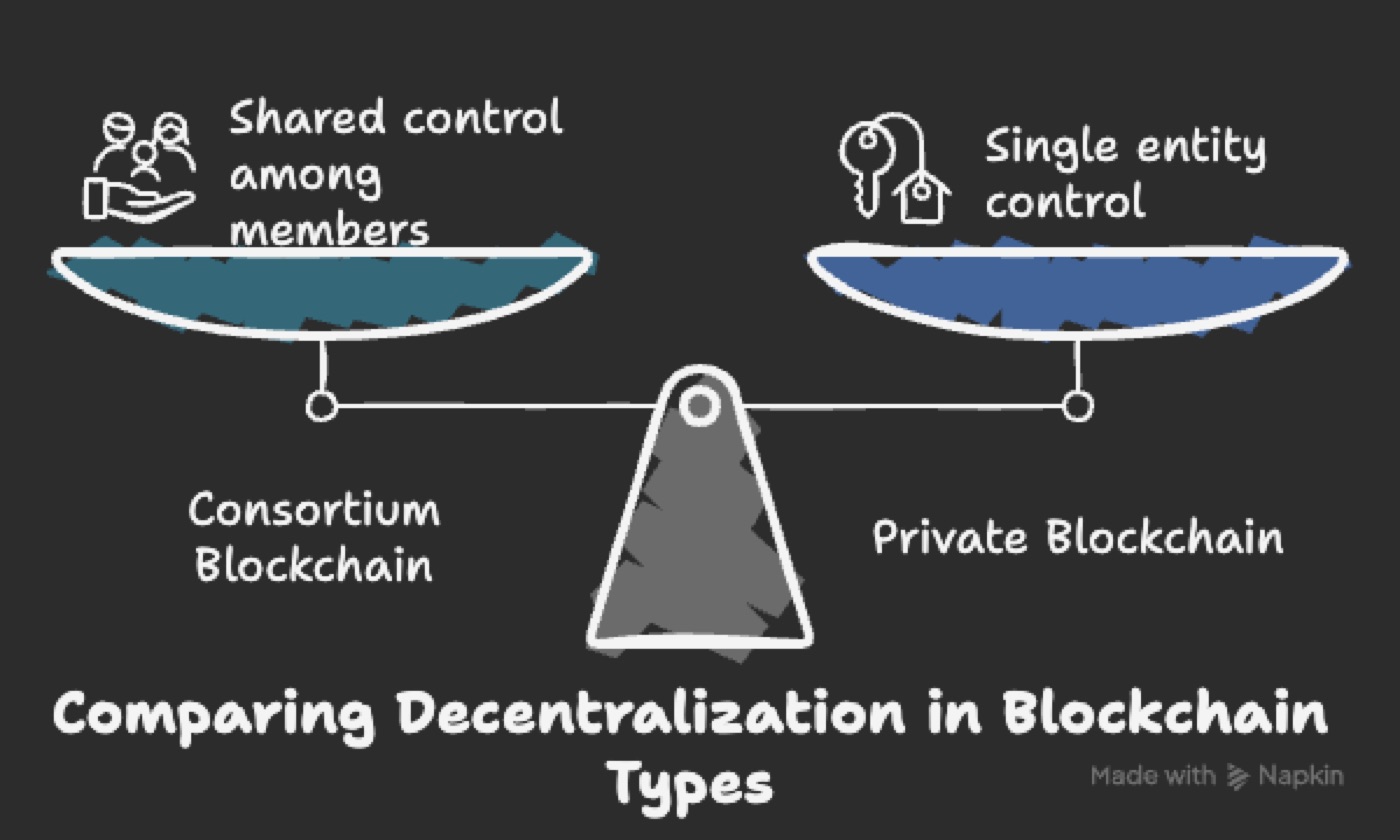
Decentralization Level
- Consortium Blockchain: Partially decentralized — control is shared among trusted members.
- Private Blockchain: Less decentralized — one entity has full control.
Use Cases
- Consortium Blockchain: Common in industries like banking where multiple companies collaborate securely.
- Private Blockchain: Often used for internal operations like inventory tracking or managing financial records.

Why Are They Important?
These networks offer greater control, enhanced privacy, and faster performance than public blockchains. For example, banks working together to verify transactions can use a consortium blockchain to securely share data without exposing it to outsiders.

Common Misunderstanding
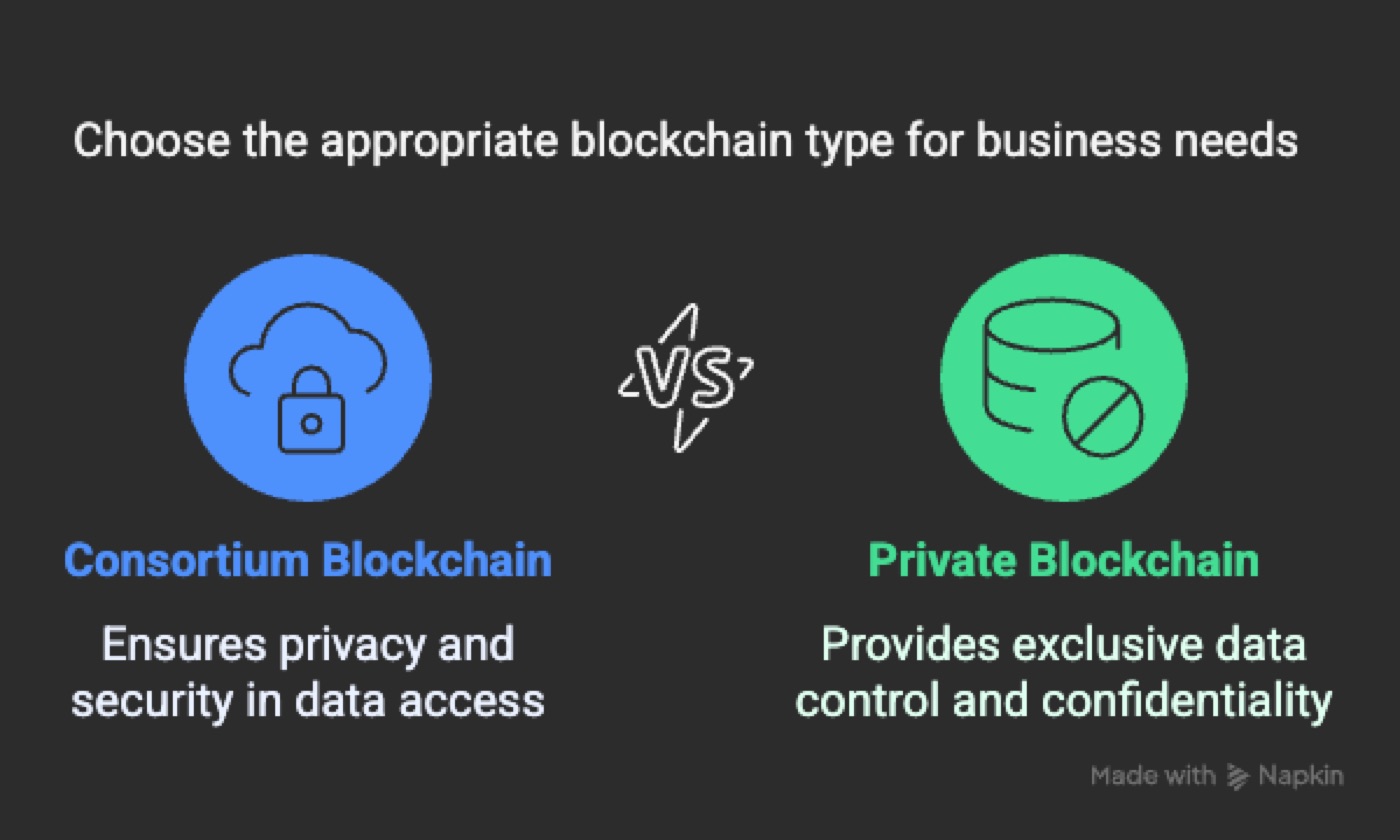
Many believe all blockchains are public and open, but consortium and private blockchains provide controlled environments, ideal for businesses that prioritize privacy and security.
Example: Imagine a supply chain where only verified suppliers, manufacturers, and retailers can access data — this is a perfect scenario for a consortium blockchain.
Further reading: ISO 20022 readiness · ISO 20022 isn’t done