Banking as a Service: What BaaS Means for Banks
How banking as a service lets non-banks offer accounts, payments and cards through licensed banks’ APIs, and what it means for bank operations and risk.

Introduction
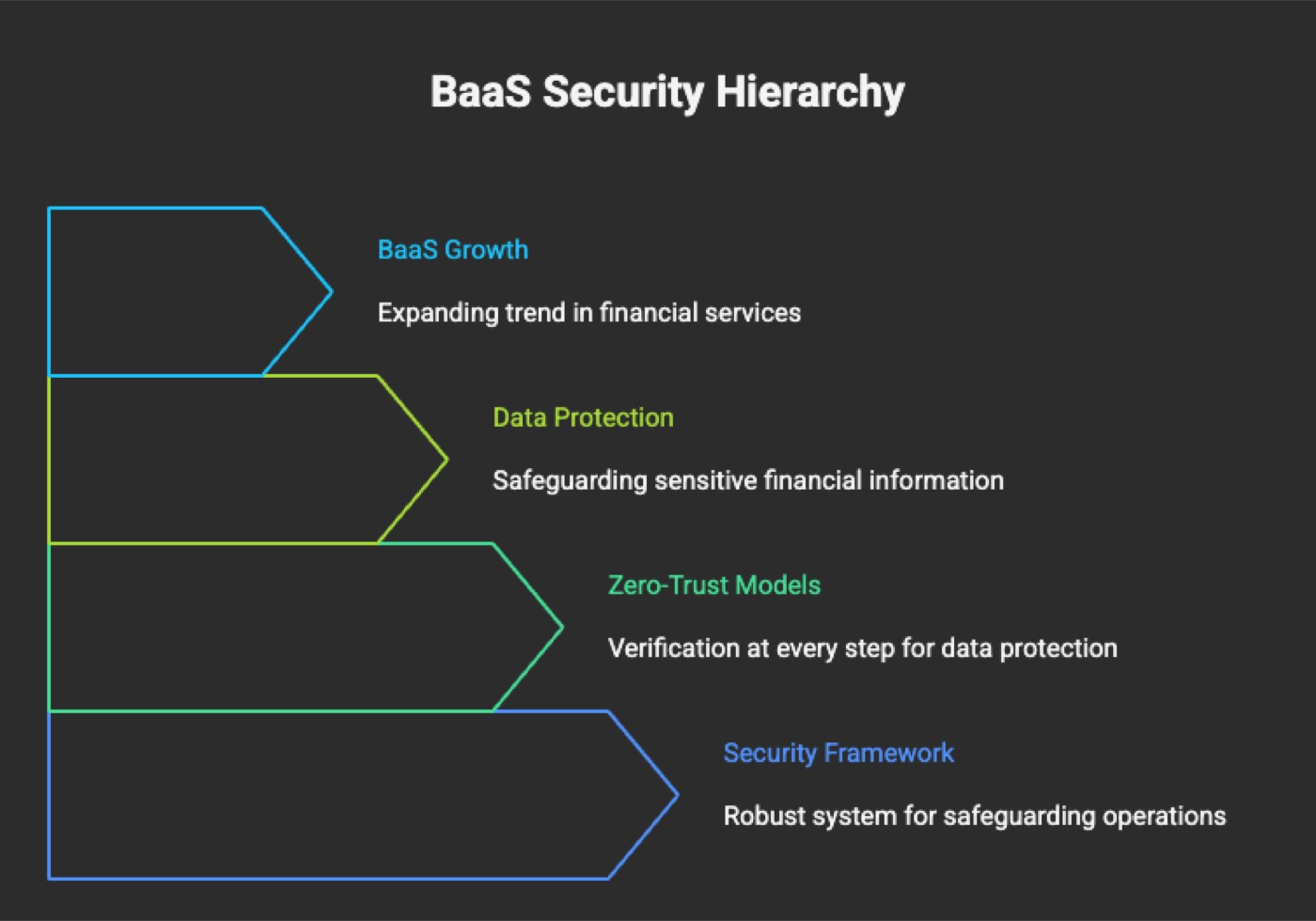
Banking as a Service (BaaS) is reshaping the financial landscape. It allows non-bank companies to offer banking services through digital platforms. This trend is gaining momentum as more institutions seek to enhance their offerings. At the heart of BaaS is a robust security framework. Zero-trust security models play a crucial role in safeguarding these operations. Unlike traditional methods, zero-trust requires verification at every step. This approach is vital for protecting sensitive financial data. As BaaS continues to grow, zero-trust security becomes indispensable.
Traditional Security Models
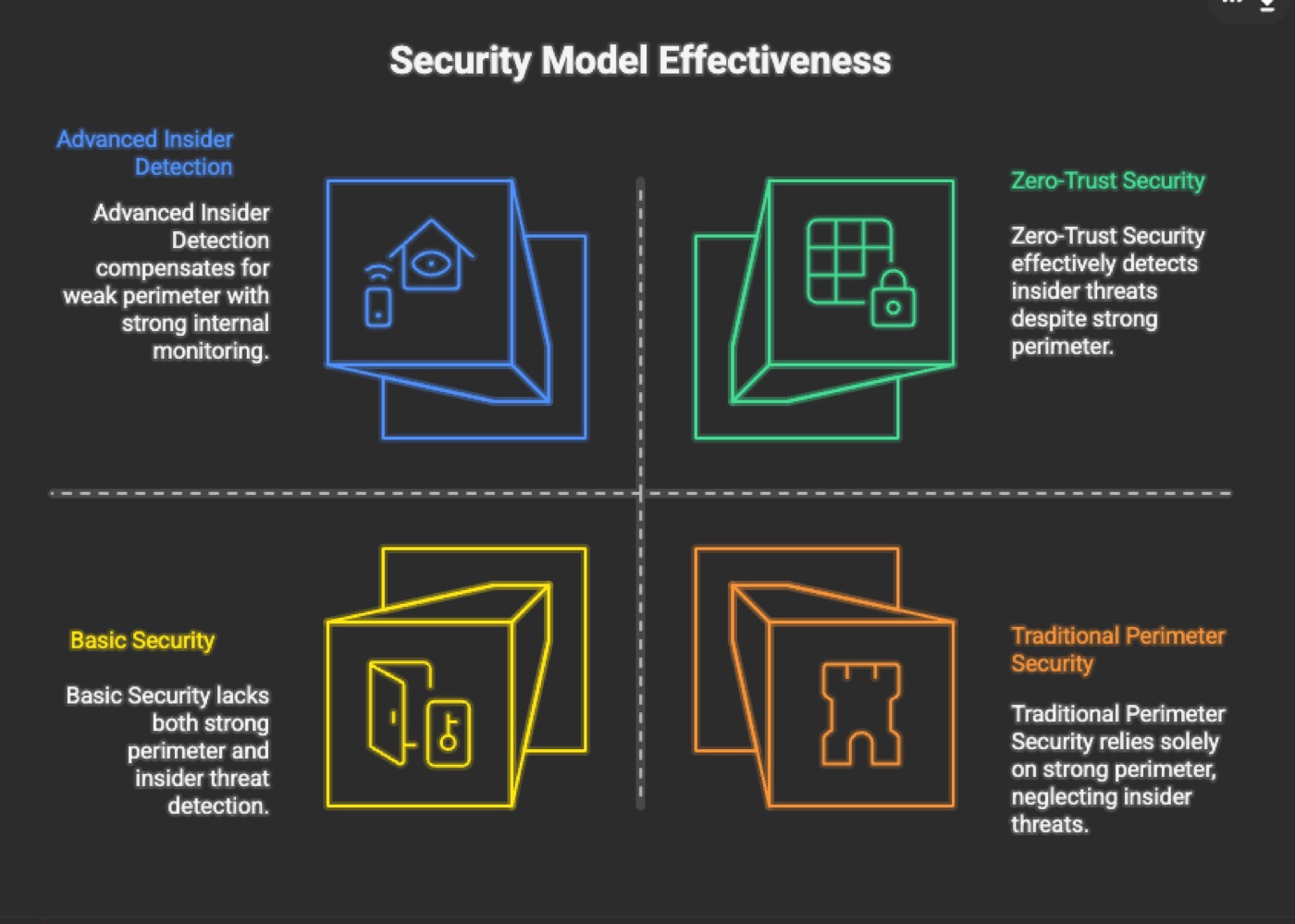
Traditional perimeter security is like a castle surrounded by walls. The idea is simple: build strong defenses to keep threats out. But what happens when the threat comes from within? This is a major flaw. Relying solely on a strong perimeter can leave organizations vulnerable. Insider threats and breaches can slip through unnoticed. Once inside, attackers can move freely, causing significant damage. This model assumes trust once inside the walls, which can be risky. As cyber threats evolve, the limitations of this approach become more apparent. It's clear that new strategies are needed to protect sensitive data and operations.
Zero-Trust Security Principles
Zero-trust security is a modern approach to cybersecurity. Its core principle is constant verification. Unlike traditional models, it doesn't assume trust based on location or network. Imagine a high-tech building with security checks at every door. This is zero-trust in action. Every user and device must prove their identity continuously.
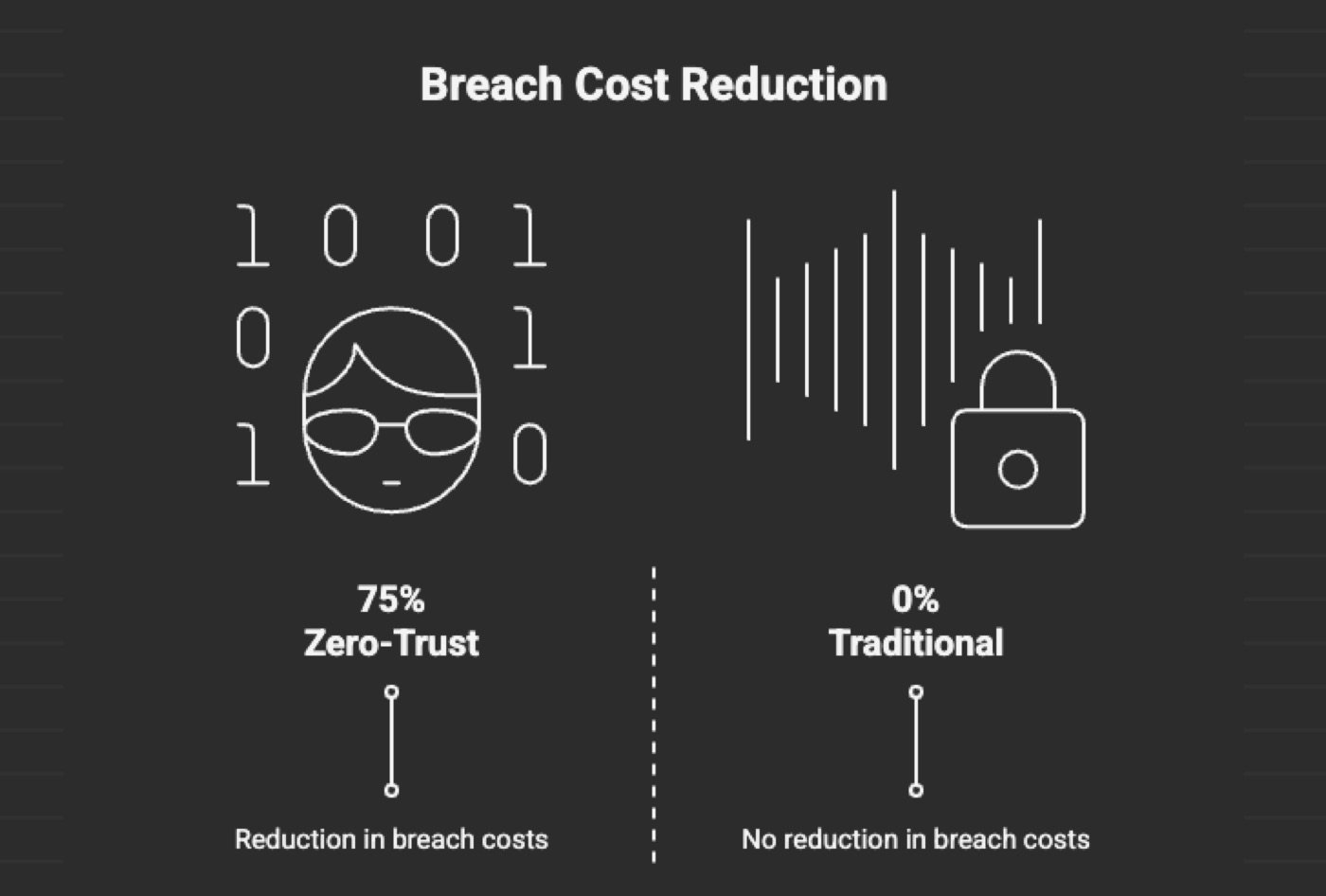
This model significantly reduces insider threats. It limits what users can access, minimizing potential damage. Organizations have reported up to a 75% reduction in breach costs with zero-trust. This is due to its ability to contain threats quickly and effectively. The focus is on minimizing risk by ensuring every access request is verified.
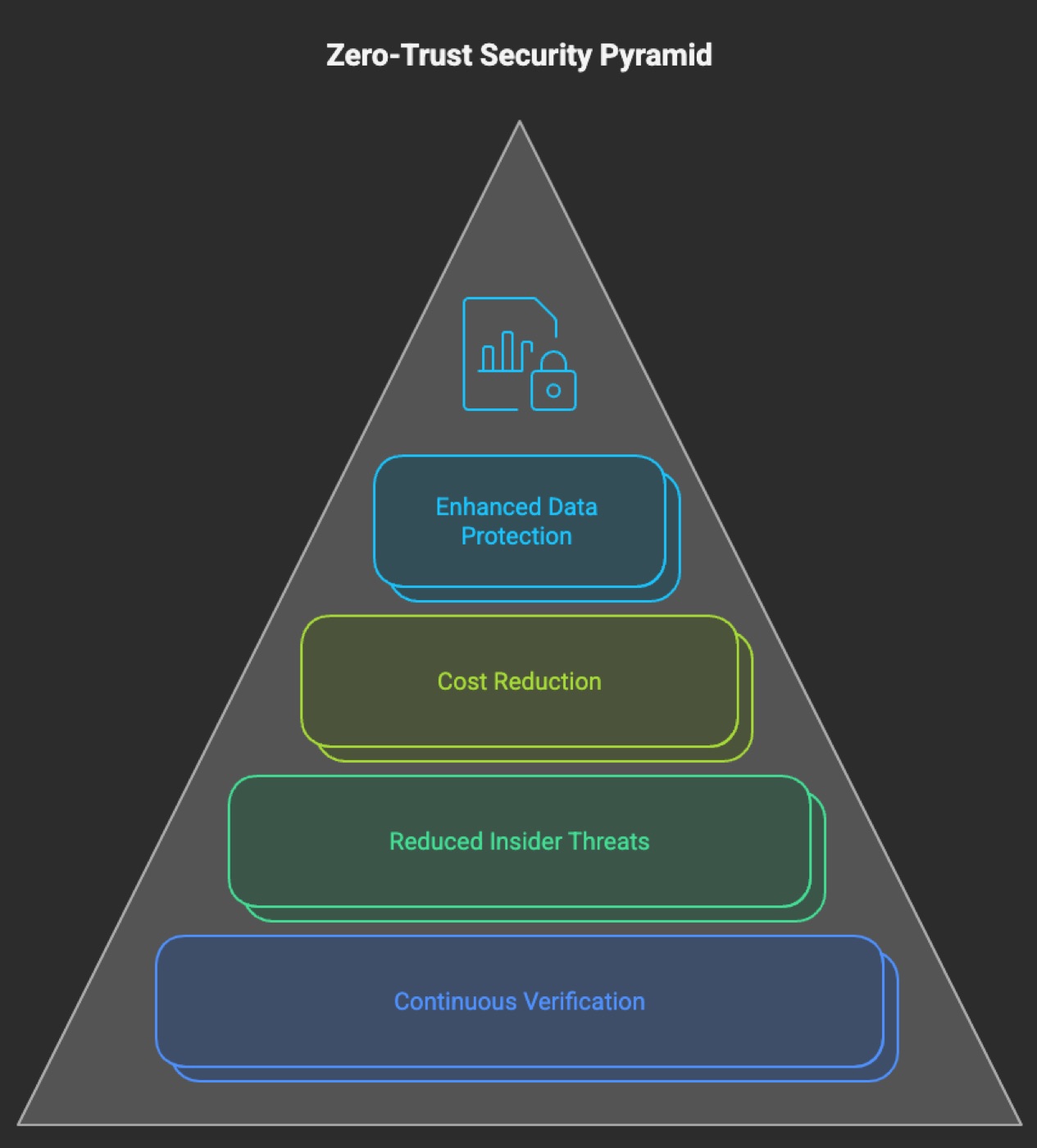
Zero-trust is more than just a security measure. It's a shift in how we think about protecting data. As cyber threats grow, this approach becomes essential. It ensures that only the right people access sensitive information. This makes it a critical component in today's digital landscape.
How Blockchain Enhances Security
Blockchain serves as a digital ledger, recording transactions in a way that cannot be altered. This immutability is crucial for security. It ensures that once data is entered, it cannot be changed without detection. This quality is invaluable for tracking and verifying transactions.
Incorporating blockchain into security frameworks can significantly improve breach detection. It offers a transparent and verifiable trail of activities, making it easier to spot anomalies. This transparency helps in identifying potential threats early, reducing the risk of unauthorized access.
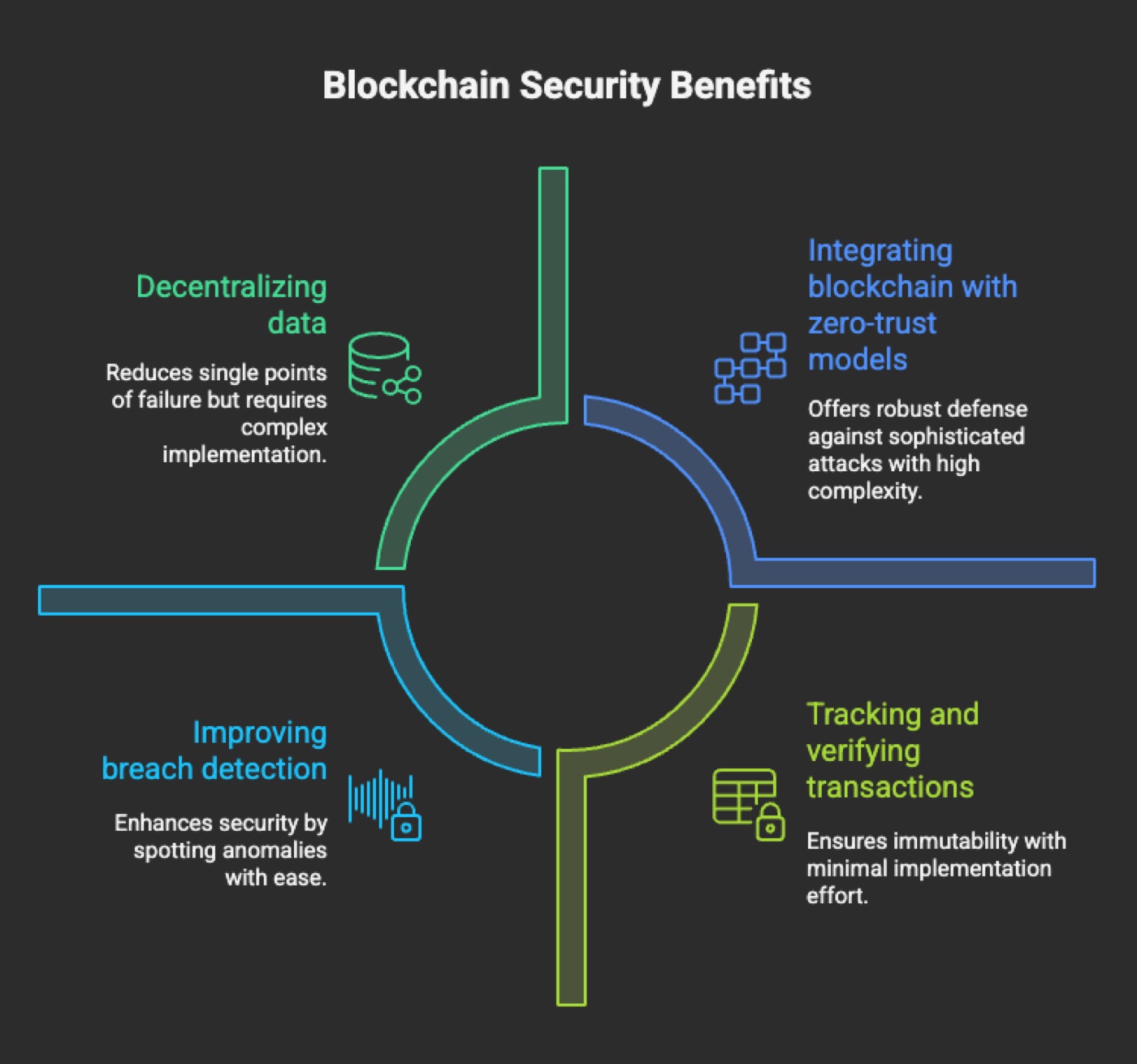
Blockchain also aids in preventing breaches. By decentralizing data, it removes single points of failure. This decentralization makes it harder for attackers to compromise the system. In zero-trust architectures, blockchain can enhance the verification processes, adding another layer of security.
The potential of blockchain in security is vast. As cyber threats evolve, integrating blockchain with zero-trust models could become essential. This combination offers a robust defense against increasingly sophisticated attacks.
The Future Importance of Zero-Trust
Cyber threats are becoming more sophisticated every year. By 2025, these threats are expected to challenge even the most advanced security systems. This is where zero-trust models become crucial. They are designed to protect digital assets by assuming that threats could come from anywhere, even from within the network itself.
Zero-trust security demands constant verification. Unlike traditional models that focus on keeping threats out, zero-trust operates on the principle that no user or device should be trusted by default. This approach limits the potential damage of any breach. Though specific data on attack proportions is not available, the trend is clear. Organizations are increasingly moving towards zero-trust to safeguard their operations.
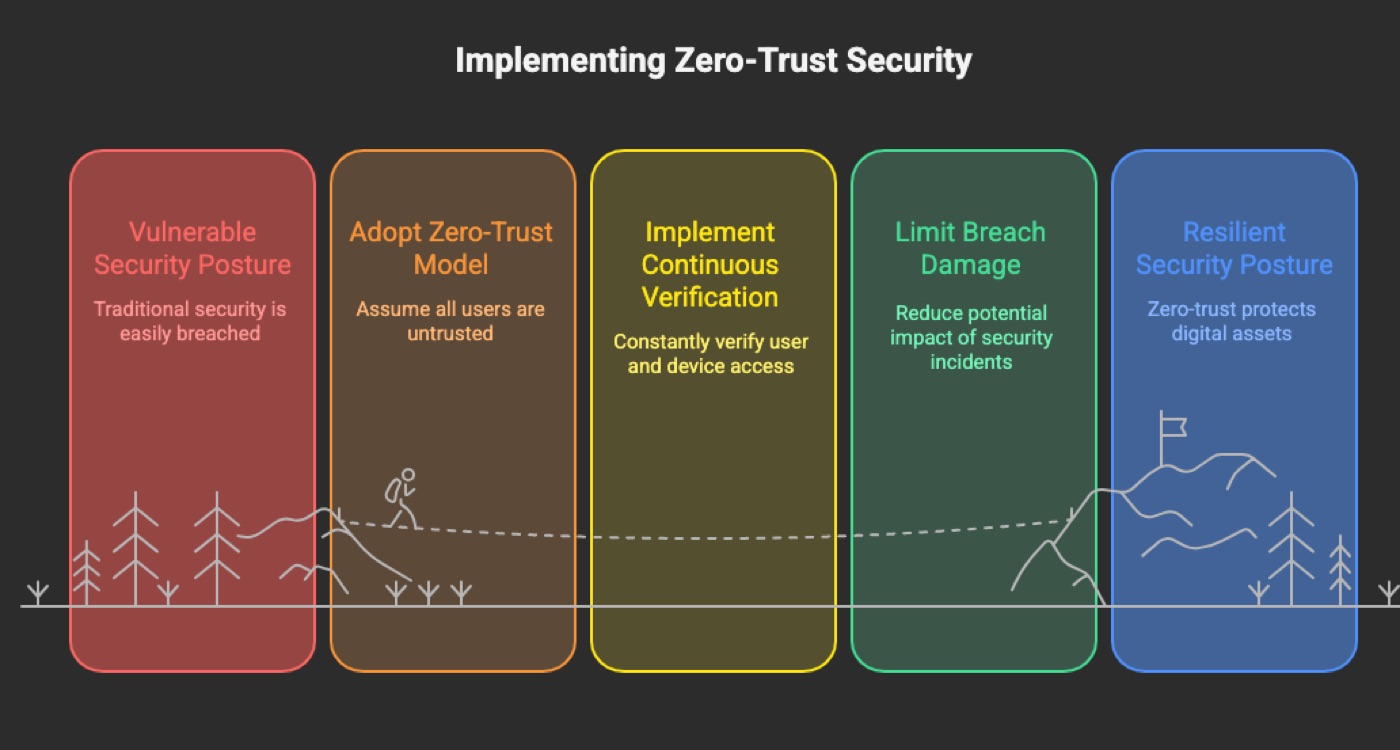
As cyber threats evolve, so must our defenses. Zero-trust is not just a trend; it is becoming a necessity. Banking operations, in particular, can benefit from this shift. By adopting zero-trust, banks can better protect their sensitive data and maintain the trust of their customers. As we look to the future, the role of zero-trust in cybersecurity will only grow in importance.
Relevance to Banking Operations
Zero-trust security is becoming essential in banking. It addresses the need for constant vigilance against threats. In banking, where sensitive data is at stake, this approach is crucial. It ensures that every access request is verified, reducing risks.
Blockchain plays a pivotal role here. It creates an unchangeable record, which is vital for maintaining data integrity. This is especially important in financial transactions. By integrating blockchain, banks can enhance security measures. It helps in tracking and verifying every transaction.
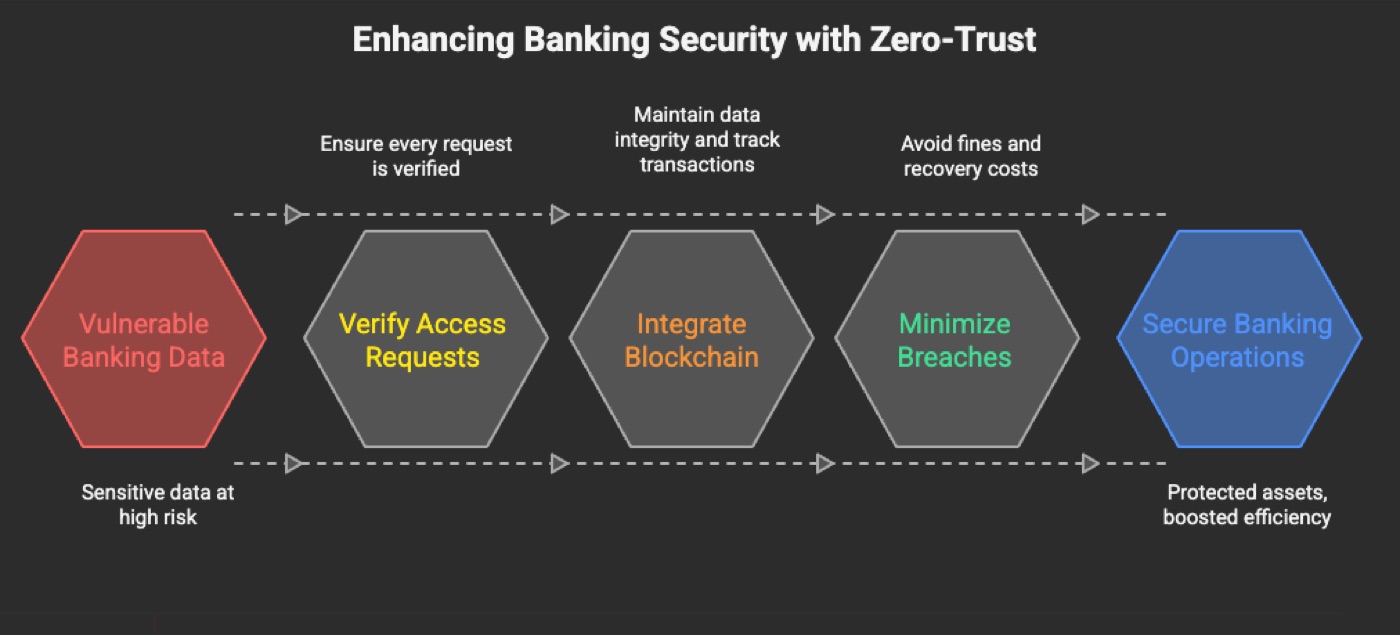
Moreover, adopting zero-trust can lead to cost savings. By minimizing breaches, banks can avoid hefty fines and recovery costs. This approach not only protects assets but also boosts operational efficiency. As cyber threats evolve, banks must adapt. Embracing these security measures is no longer optional. It's a necessity for future banking operations.
Quotes and Insights
"Zero-trust security is not just a trend; it's a necessity, In a world where threats evolve daily, constant verification is crucial." This perspective is echoed by ON2IT researchers who note that implementing zero-trust can reduce breach costs by up to 75%. While specific data on attack proportions is scarce, the consensus is clear: zero-trust models are more effective than traditional methods. Experts agree that as cyber threats grow more sophisticated, adopting these models is essential for safeguarding digital assets.
Conclusion and Future Developments
The fusion of zero-trust security and blockchain holds immense promise for banking. By 2025, this combination could redefine how banks protect and manage data. Zero-trust models, with their stringent verification protocols, offer a robust defense against evolving cyber threats. Meanwhile, blockchain's role as a digital ledger ensures each transaction is recorded immutably, adding an extra layer of security.
Banking operations stand to benefit significantly. With reduced breach costs and enhanced data integrity, banks can operate more securely. Although specific data on attack proportions remains elusive, the trend towards zero-trust adoption is clear. As cyber threats grow more sophisticated, banks must stay ahead by embracing these advanced security measures.
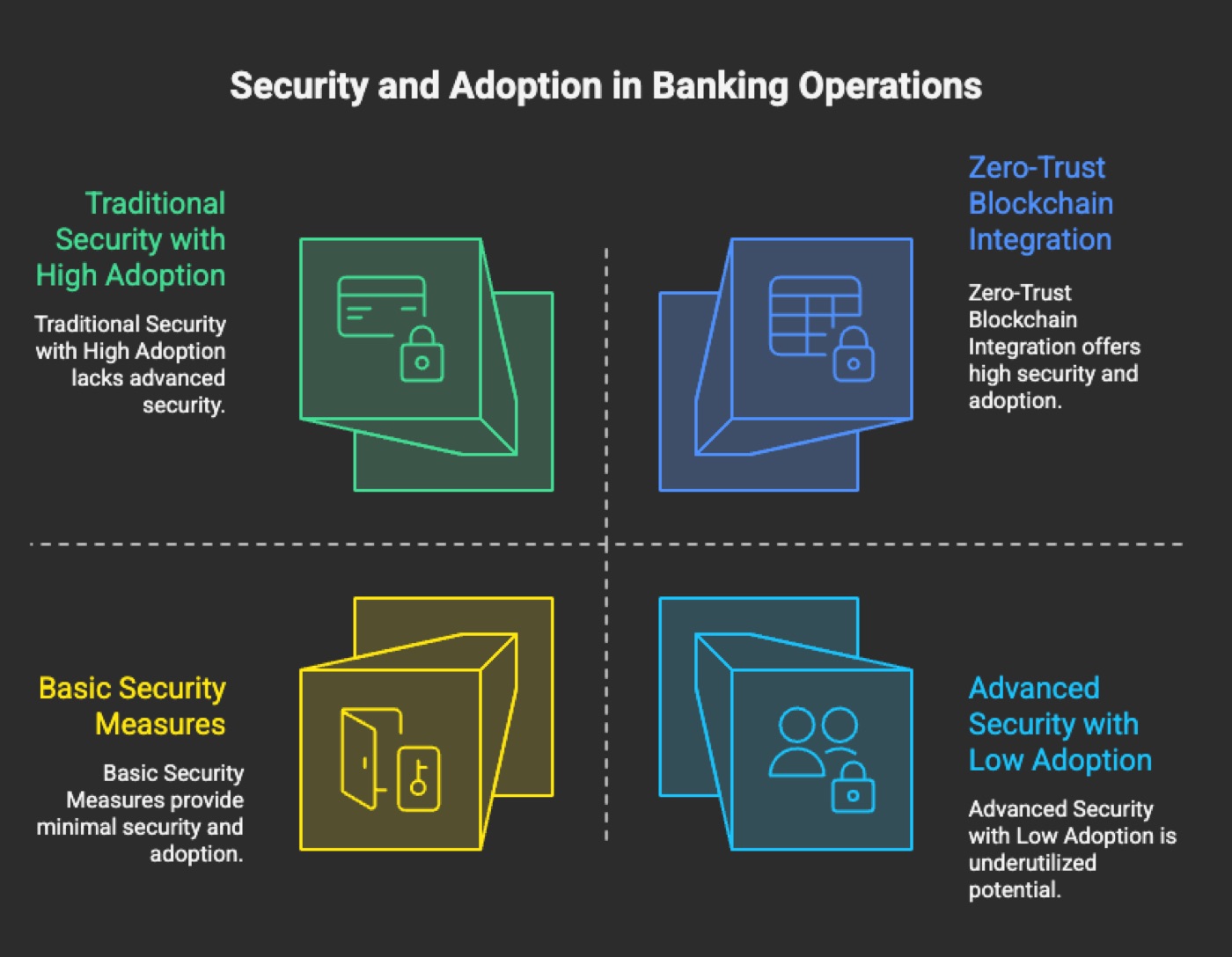
Looking ahead, continuous updates and research in cybersecurity will be crucial. The landscape of digital threats is ever-changing, and staying informed is key. As banks integrate these technologies, they pave the way for a more secure financial future. The potential for widespread adoption is on the horizon, promising a new era of security in banking operations.
Further reading: ISO 20022 readiness · ISO 20022 isn’t done