Launching a Fintech in Dubai: A Step-by-Step Guide
How to build a fintech in Dubai: market access, regulators and licensing, free zones, funding, partnerships and the steps from setup to scale.

Dubai stands as a beacon for fintech startups aiming for global success. Its strategic location bridges East and West, offering unparalleled market access. The city boasts advanced infrastructure, crucial for fintech companies seeking to thrive. Regulations here are crafted to nurture innovation while ensuring safety. This makes Dubai a fertile ground for fintech ventures.
The potential for growth in Dubai is immense. Startups can tap into a diverse market with varied financial needs. The city's regulatory framework is designed to support new businesses. This encourages more startups to set up shop and grow. With the right approach, fintech companies can leverage Dubai's advantages for rapid expansion.
Dubai's fintech landscape is vibrant and full of opportunities. The city's infrastructure supports cutting-edge technologies. This includes AI and blockchain, which are increasingly adopted by local fintech firms. Such technologies are reshaping how financial services are delivered. By integrating these innovations, startups can gain a competitive edge.
Market entry in Dubai is facilitated by its open policies. Fintech companies can benefit from the city's zero corporate tax policy. Full foreign ownership is another attractive feature. These factors make Dubai an appealing destination for global investors. As a result, the city continues to draw significant investment in its fintech sector.
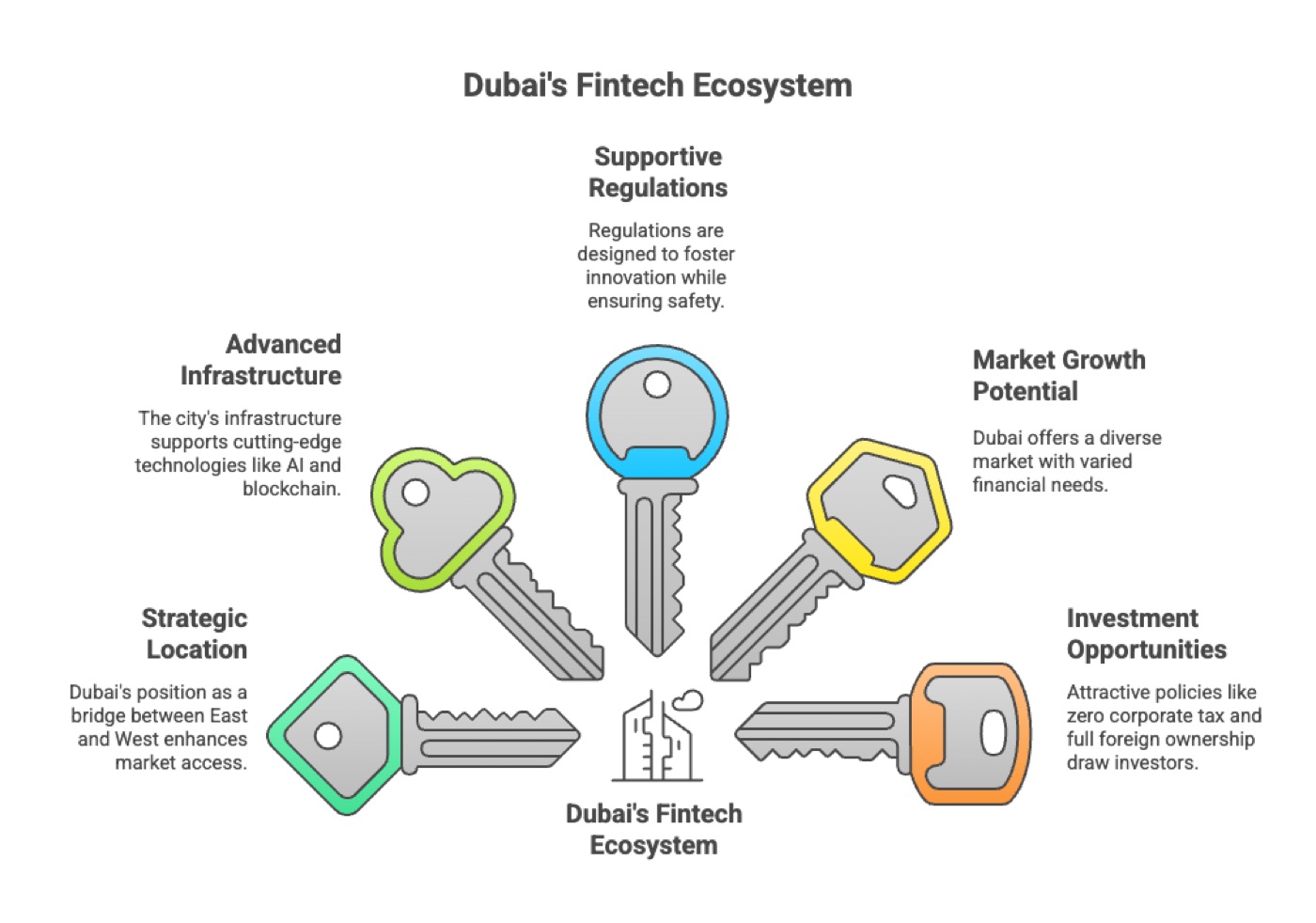
Dubai offers a unique environment for fintech startups. Its strategic location, advanced infrastructure, and supportive regulations create a perfect launchpad. The potential for market entry and growth is vast. By capitalizing on these advantages, fintech companies can achieve remarkable success in Dubai.
Dubai Fintech Startup Foundation
Establishing a fintech startup in Dubai offers a unique opportunity. The city’s strategic location and advanced infrastructure provide a solid foundation. Entrepreneurs can access a diverse customer base here. The regulatory environment is favorable for new ventures. Dubai's policies encourage innovation and growth. Fintech companies can benefit from these supportive measures.
The technological infrastructure in Dubai is robust. This allows startups to utilize advanced tech solutions. Companies can integrate new technologies with ease. The availability of resources supports rapid development. Entrepreneurs can leverage these tools for success.
Accessing the market in Dubai is straightforward. The region's fintech market is projected to grow rapidly. This growth presents numerous opportunities for startups. Popular services like digital payments are in high demand. Islamic FinTech is also gaining traction. Understanding these dynamics is crucial for success.
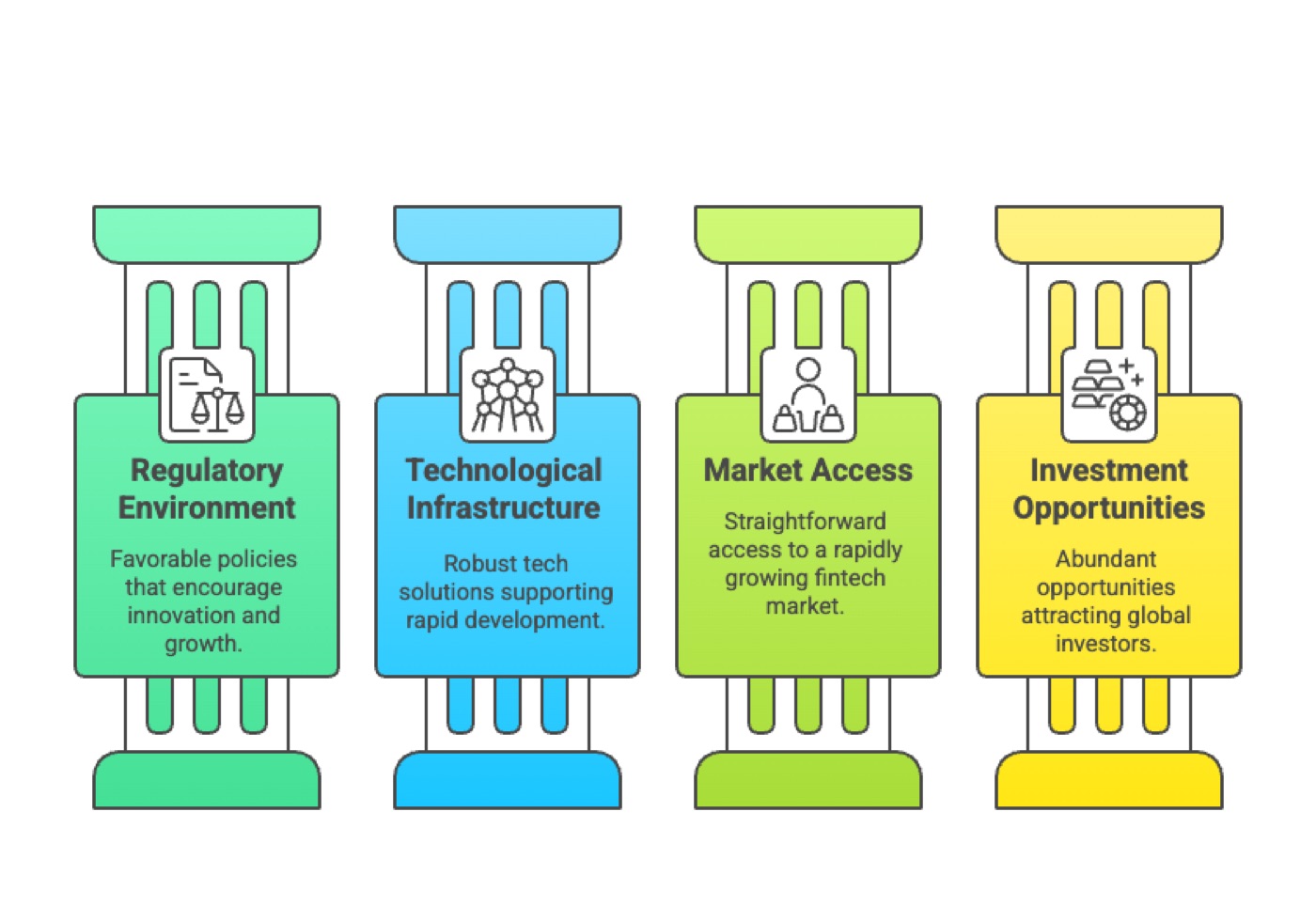
Investment opportunities in Dubai are abundant. The city attracts global investors looking for promising ventures. Policies like zero corporate tax enhance the appeal. Full foreign ownership is another attractive feature. These factors contribute to a thriving investment landscape.
Establishing a fintech startup in Dubai is promising. The city offers a supportive environment for growth. Entrepreneurs can tap into a growing market. With the right strategy, success is within reach.
Breaking Things Down
Navigating Dubai's Fintech Regulations
Dubai's fintech landscape is shaped by a robust regulatory framework. The Virtual Assets and Related Activities Regulations 2023, introduced by VARA, set the stage for secure and efficient virtual asset activities. These regulations focus on maintaining economic stability and enhancing security for cross-border transactions. Fintech startups in Dubai can benefit from the DIFC's regulatory sandboxes. These sandboxes provide a controlled environment to test new products and services, fostering innovation within the financial sector.
The Central Bank of the UAE has also introduced the Open Finance Regulation. This regulation mandates participation from licensed banks and insurance companies, ensuring they provide customer data access and transaction initiation capabilities to Open Finance Providers. A centralized API Hub facilitates secure online access to financial accounts and products. The regulation's phased roll-out begins with banks and insurers, with future phases to be announced.
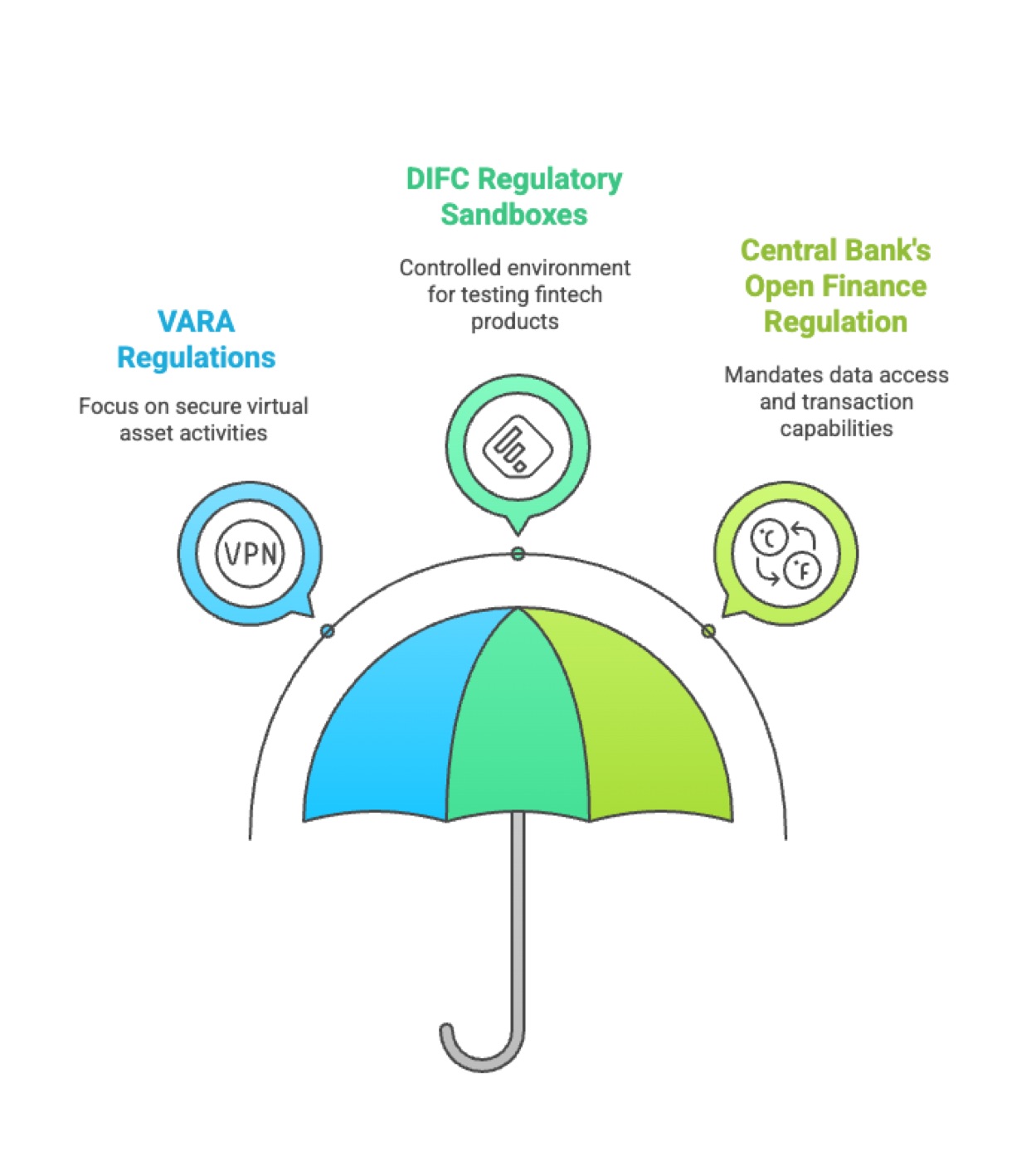
Understanding and navigating these regulations can be challenging for new entrants. However, they offer a framework that supports growth and innovation. By aligning with these regulations, fintech startups can position themselves for success in Dubai's dynamic market.
Technological Infrastructure
Dubai's fintech sector is rapidly embracing AI and blockchain. This shift is fostering growth and innovation. Many companies are integrating AI-driven solutions. These solutions enhance efficiency and decision-making. However, exact numbers on adoption are not available.
Dubai's digital infrastructure is robust. It supports fintech advancements. Yet, comparisons with other global hubs are limited. The city is positioning itself as a leader in fintech. This is evident in its investments and strategic initiatives.
Venture studios play a crucial role. They drive technological capabilities forward. Their presence boosts innovation in the fintech landscape. Yet, specific contributions of studios like R/GA Ventures remain under-documented.
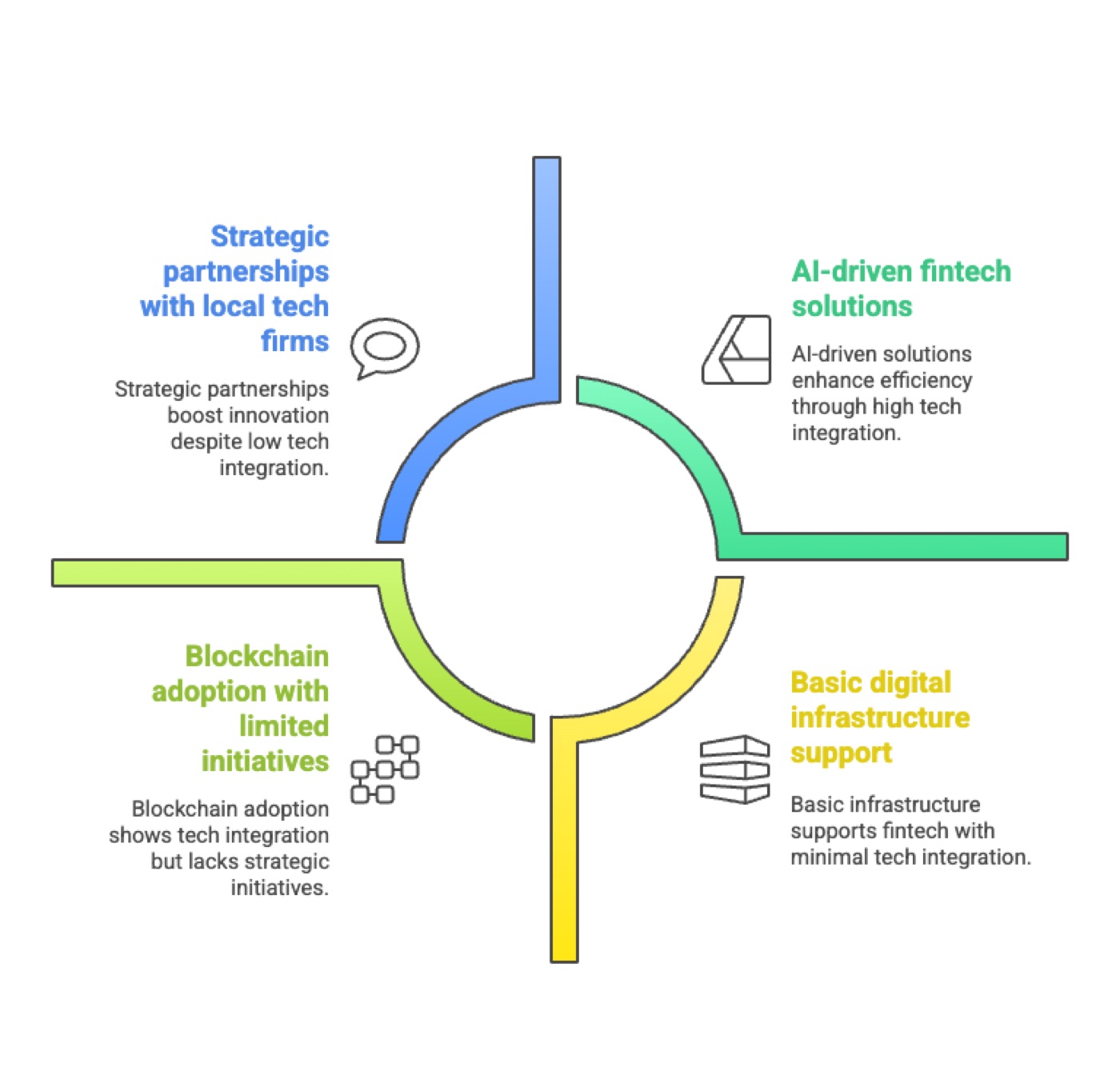
Despite the progress, challenges persist. Integrating new technologies with existing systems is complex. Fintech companies must navigate these hurdles. Collaborating with local tech firms can ease this transition. This partnership approach is vital for smooth operations.
Dubai's technological infrastructure is evolving. It is setting the stage for fintech success. The city's commitment to tech advancement is clear. This focus will likely continue to shape its fintech future.
Dubai Fintech Growth Through Market Adaptation
The fintech market in the Middle East, Africa, and South Asia (MEASA) region is on the brink of substantial growth. Experts predict it could double in size from 2021 to 2027. This growth presents a golden opportunity for fintech startups in Dubai. The city's strategic location serves as a gateway to this expansive market.
Dubai's fintech scene is shaped by unique market dynamics and customer preferences. The large expatriate population demands fast and efficient payment solutions. This need drives the adoption of fintech services. Popular services include payments, remittances, and Islamic financial technology. These services are expected to reach USD 128 billion by 2025.
However, understanding local market dynamics can be challenging. Fintech startups must navigate a complex landscape. This includes adapting to customer preferences and regulatory requirements. Thorough market research is crucial. It helps businesses tailor their offerings to meet local needs.
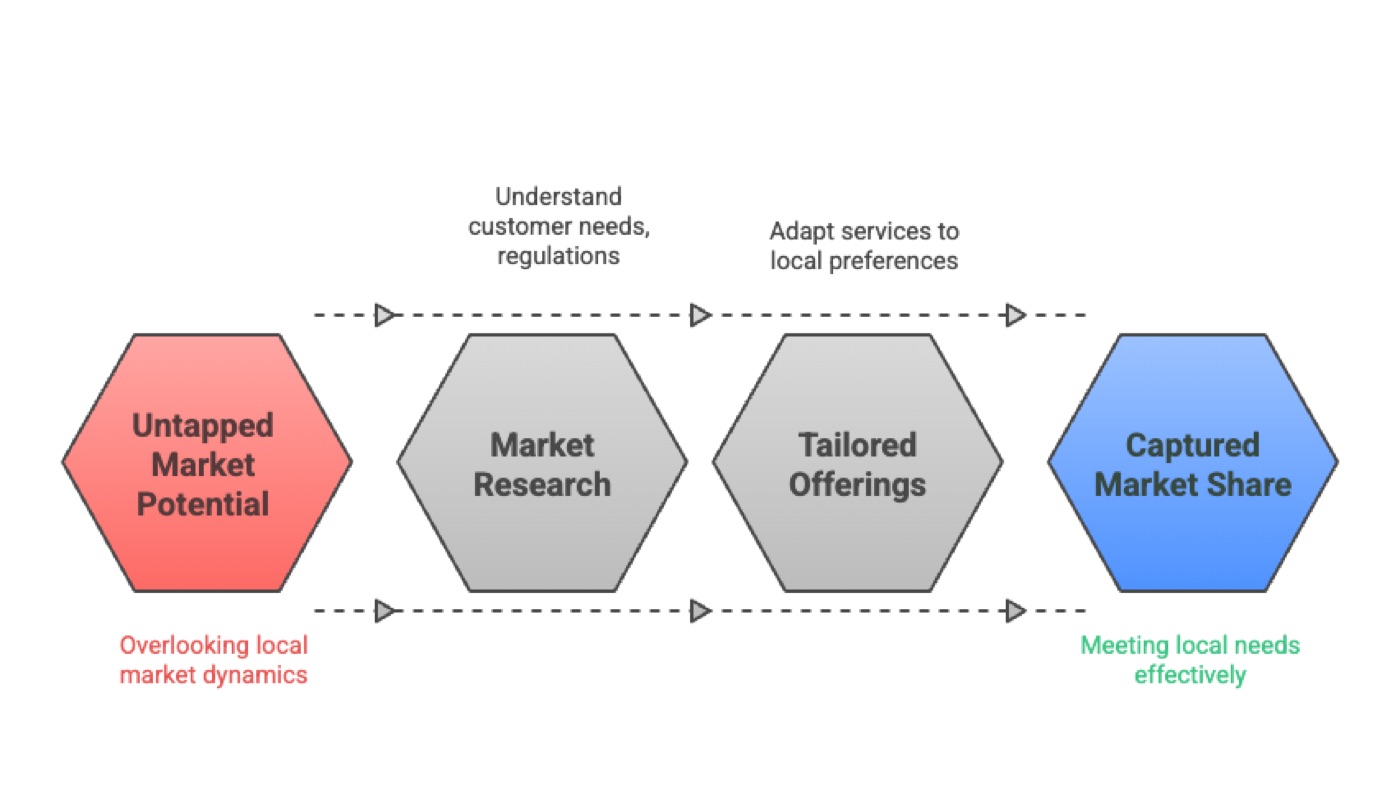
Dubai offers a promising platform for fintech growth. The projected market expansion and demand for digital solutions create a fertile ground for innovation. Startups must be prepared to adapt and evolve to capture the opportunities in this vibrant market.
Dubai's Fintech Investment Landscape
Dubai's fintech landscape is ripe with investment potential. The region's growth in areas like payments and Islamic FinTech attracts investors. The supportive regulatory environment further boosts confidence. Dubai's zero corporate tax policy is a major draw. It allows businesses to reinvest profits, fueling expansion. Additionally, 100% foreign ownership invites global players to establish a presence.
Investment competition is fierce. Startups must present a strong value proposition. They need to demonstrate unique offerings and potential for growth. The role of global investors is critical. Their involvement not only brings capital but also expertise and networks. This can accelerate a startup's journey to success.
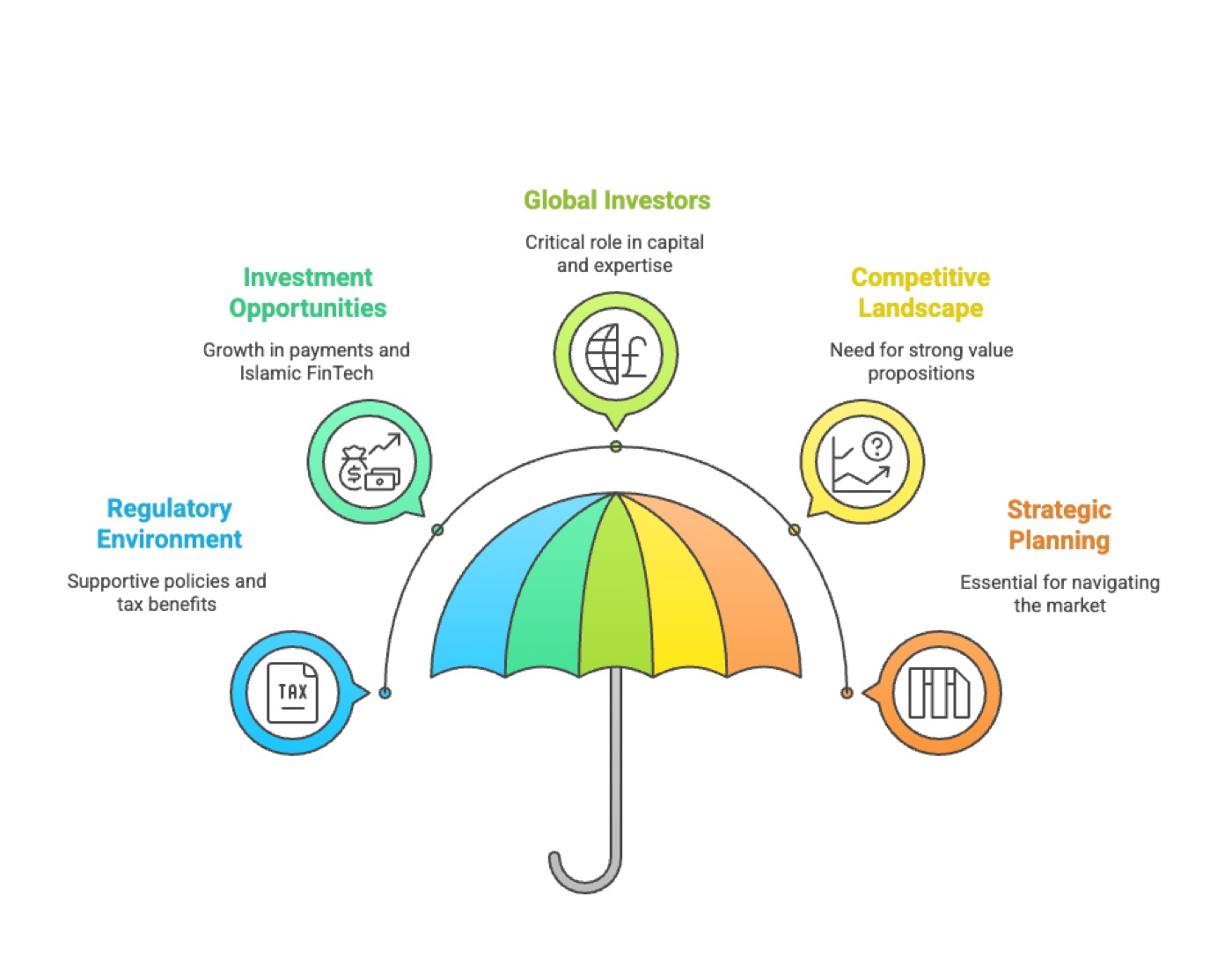
To attract investment, a compelling business model is essential. Startups should focus on solving real-world problems. They must align with market needs and future trends. Engaging with local advisors can provide insights into investor expectations. Building a robust network within Dubai's ecosystem is also beneficial.
The investment landscape in Dubai offers vast opportunities. However, success requires strategic planning and execution. Startups must be prepared to navigate a competitive environment. With the right approach, they can secure the investment needed to thrive.
Challenges for Fintech Startups in Dubai
Navigating Dubai's regulatory landscape can be daunting for new fintech startups. The Virtual Assets and Related Activities Regulations 2023 by VARA set a high standard. Understanding these complex rules is crucial. Startups must align with these regulations to operate successfully. This often requires significant time and resources. It's a challenge that demands careful planning and expert guidance.
Integrating with existing systems presents another hurdle. Many fintech companies face compatibility issues. The rapid pace of tech advancement in Dubai adds to the complexity. Startups need to ensure their systems can work with current technologies. This requires ongoing updates and adjustments. The challenge is to stay current without disrupting operations.
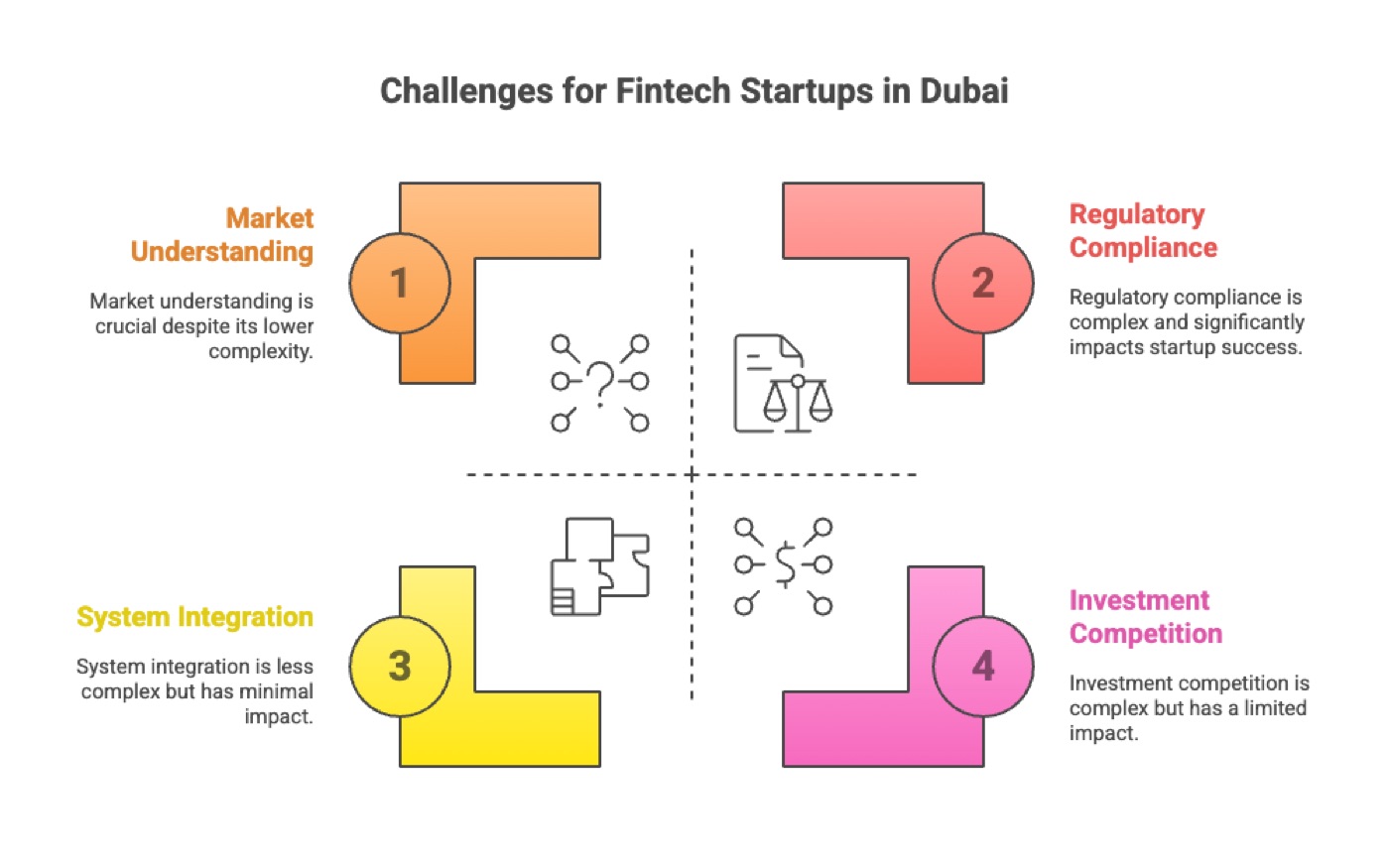
Understanding local market dynamics is essential. Dubai's diverse population influences customer preferences. Fintech startups must tailor their services to meet these varied needs. This involves deep market research and cultural understanding. Missteps here can lead to missed opportunities. It's a challenge that requires strategic insight and adaptability.
Competition for investment is fierce. Many startups vie for the same pool of investors. To stand out, a strong value proposition is necessary. This means clearly demonstrating potential returns and market impact. Startups must also show how they address specific market needs. The challenge is to communicate this effectively to attract the right investors.
Fintech Success in Dubai: Step by Step
Dubai's Fintech Regulatory Landscape
The Virtual Assets and Related Activities Regulations 2023, introduced by Dubai's Virtual Assets Regulatory Authority (VARA), set a new standard. Designed to bolster economic resilience, these regulations focus on securing cross-border financial transactions. The framework ensures that virtual asset activities maintain integrity and security.
Dubai International Financial Centre (DIFC) offers regulatory sandboxes that are proving beneficial for fintech startups. Although specific numbers aren't provided, the surge in investments within DIFC's FinTech and innovation sectors is evident. These sandboxes provide a testing ground for new financial technologies, allowing startups to innovate with reduced risk.
The Central Bank of the United Arab Emirates (CBUAE) has introduced the Open Finance Regulation. This regulation mandates participation from licensed banks and insurance companies, ensuring they provide customer data access and transaction initiation capabilities to Open Finance Providers. A centralized API Hub facilitates secure access to accounts and products. The Trust Framework, with its Participant Directory and Digital Certificates, enhances secure communications. This phased roll-out begins with banks and insurers, setting the stage for broader adoption.
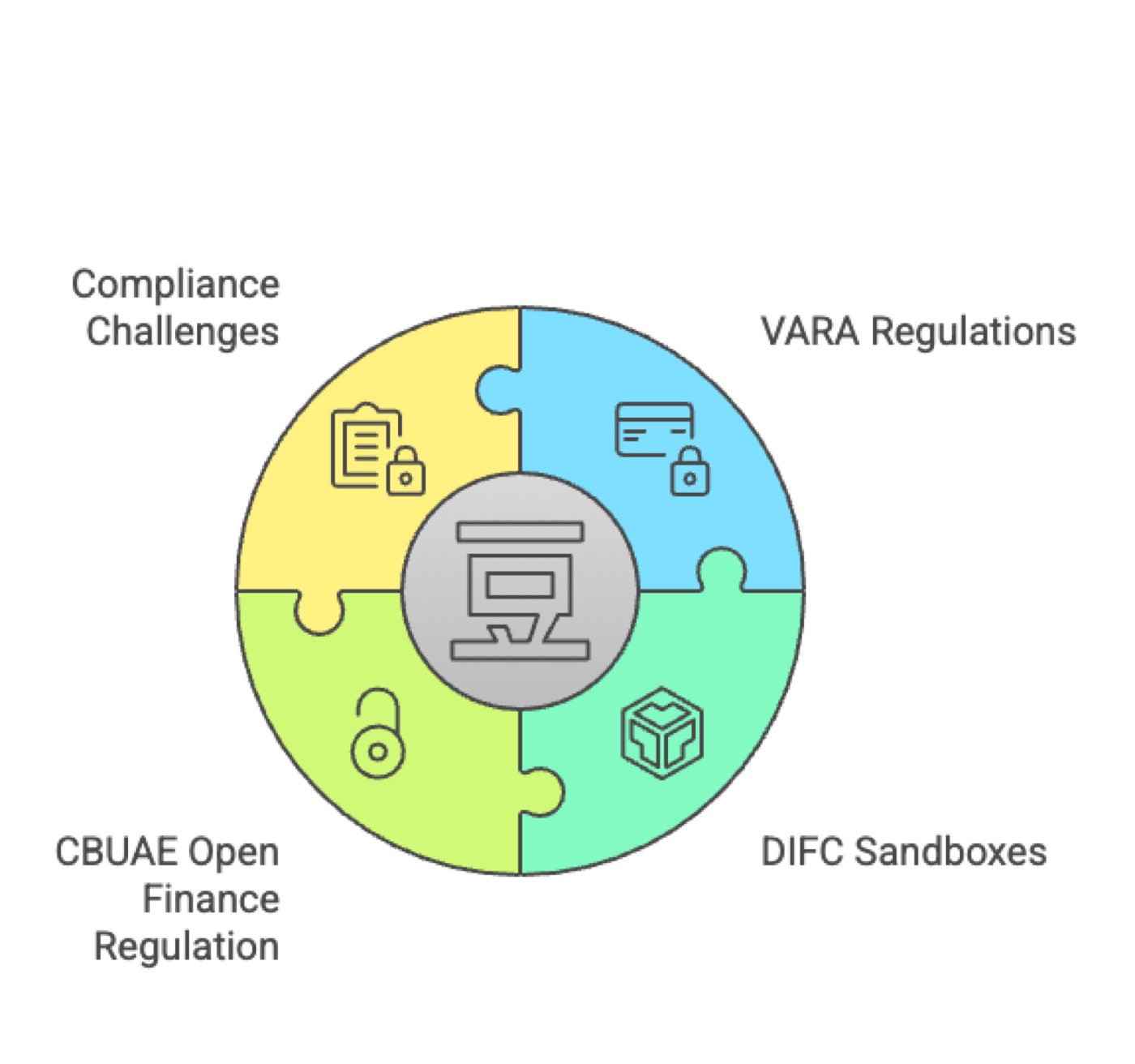
Navigating these complex regulations can be daunting for new startups. Understanding the requirements and ensuring compliance is critical. Engaging with local advisors can help startups maneuver through this intricate landscape, ensuring adherence to all necessary guidelines and maximizing their potential in Dubai's fintech ecosystem.
Fintech Technology Adoption and Impact in Dubai
Dubai's fintech sector is rapidly evolving. The adoption of AI and blockchain is at the forefront. Companies are exploring these technologies to enhance their services. Yet, the exact extent of this adoption remains unclear. The potential for growth is significant.
AI-driven solutions are being integrated by many fintech companies. These solutions improve efficiency and decision-making. However, data on the number of companies using AI is not available. The trend indicates a shift towards smarter operations.
Dubai's digital infrastructure is robust. It supports the fintech ecosystem effectively. However, a direct comparison with other global fintech hubs is lacking. This makes it challenging to gauge Dubai's standing globally. The city continues to attract attention for its technological advancements.
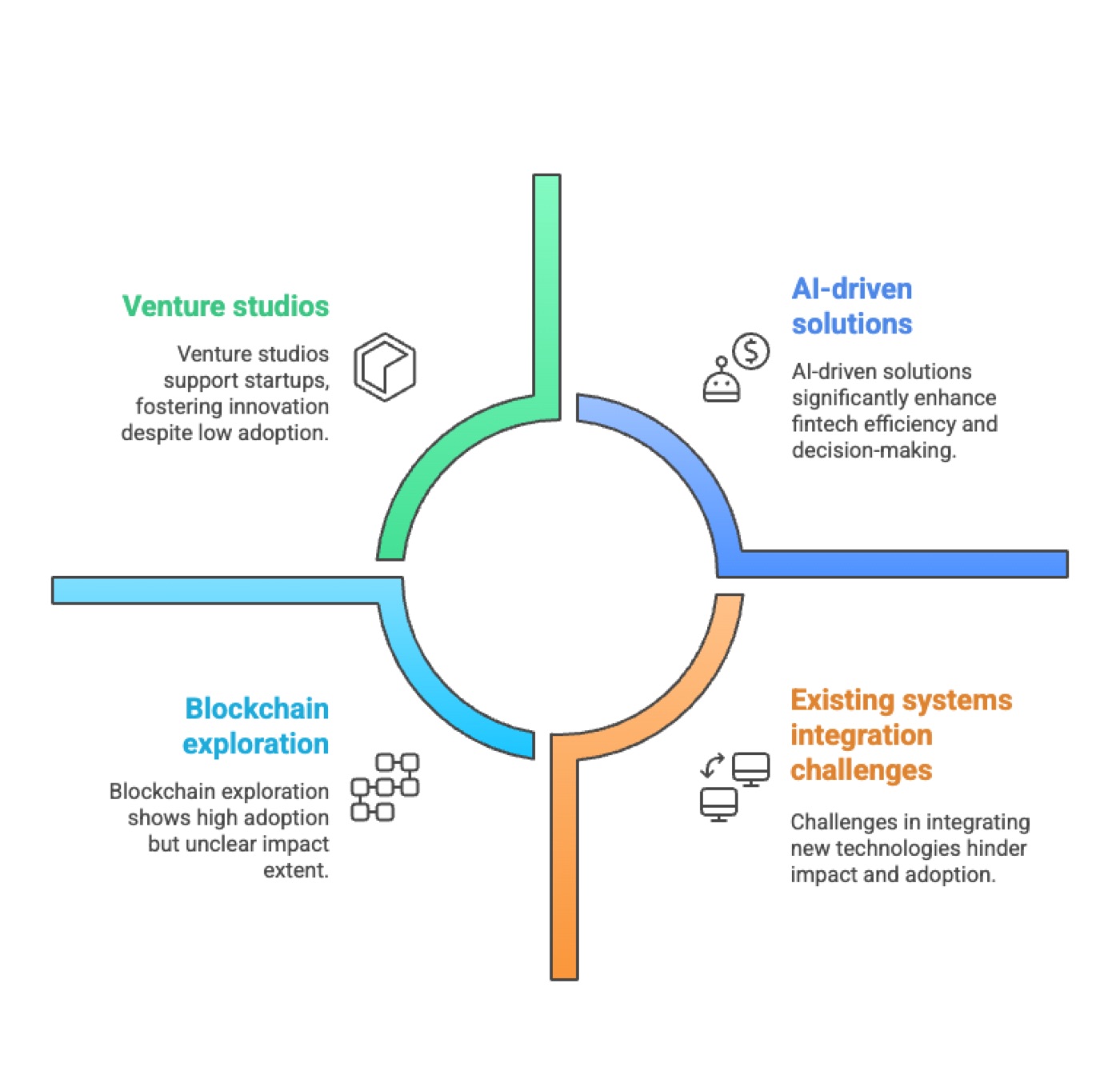
Venture studios play a crucial role in enhancing capabilities. They support startups in developing new technologies. Yet, specific details on their impact are not well-documented. Their presence suggests a supportive environment for innovation.
Challenges exist in integrating new technologies with existing systems. Companies must navigate these hurdles to succeed. Partnering with local tech firms can help. This collaboration can ensure smoother operations and better integration.
Dubai's Fintech Opportunity
The fintech market in the Middle East, Africa, and South Asia (MEASA) region is on a rapid growth trajectory. Projections suggest it could double in size from 2021 to 2027. This surge presents a significant opportunity for fintech startups in Dubai. The city's strategic location serves as a gateway to this expanding market.
Understanding local market dynamics is crucial for success. Dubai's diverse population and business-friendly environment create unique opportunities and challenges. Fintech companies must adapt to local preferences, such as the demand for efficient payment solutions and Islamic financial products.
Popular services like payments and Islamic FinTech are gaining traction. These sectors are expected to reach USD 128 billion by 2025. Fintech startups can capitalize on this trend by offering tailored solutions that meet the needs of Dubai's diverse consumer base.
However, navigating the local market can be complex. Startups face challenges in understanding customer preferences and regulatory requirements. Thorough market research is essential to overcome these hurdles. Companies must invest time and resources to gain insights into consumer behavior and regulatory landscapes.
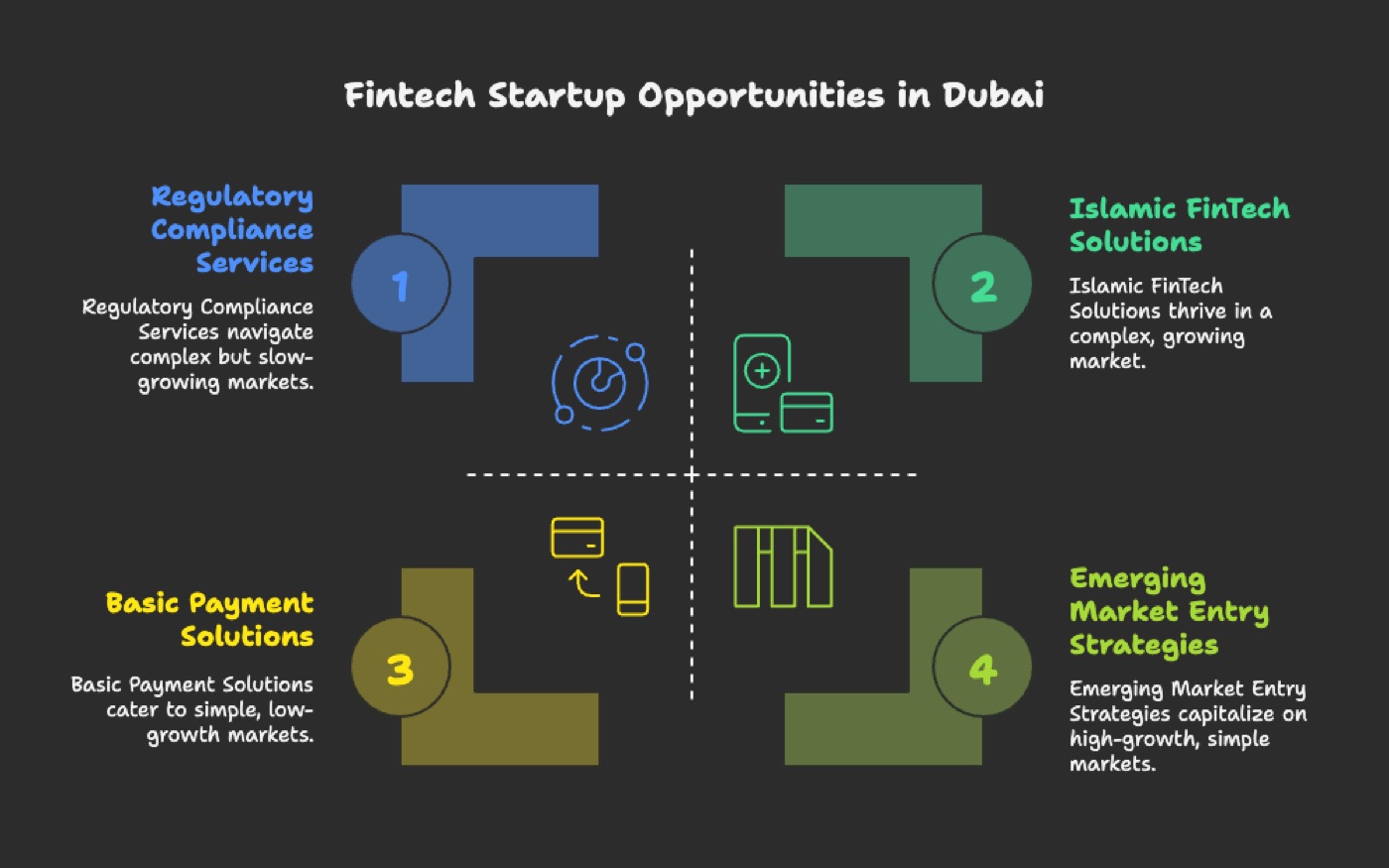
The MEASA region offers vast potential for fintech growth. Dubai, with its strategic position and vibrant market, is an ideal launchpad. By understanding local dynamics and consumer needs, fintech startups can effectively tap into this burgeoning market.
Dubai's Fintech Investment Landscape
Dubai's fintech sector is experiencing a surge in investment interest. The region's growth in areas like payments and Islamic FinTech is a major draw. Investors are keen on the supportive regulatory environment and robust infrastructure. These factors create a fertile ground for startups to thrive.
The zero corporate tax policy and 100% foreign ownership are significant advantages. These policies make Dubai an attractive destination for businesses. They reduce financial burdens and offer greater control to foreign investors. This environment encourages more global players to enter the market.
Global investors are increasingly eyeing Dubai's fintech landscape. The city's strategic location and business-friendly policies are key attractions. These investors bring not only capital but also expertise and networks. Their involvement can accelerate the growth of local startups.
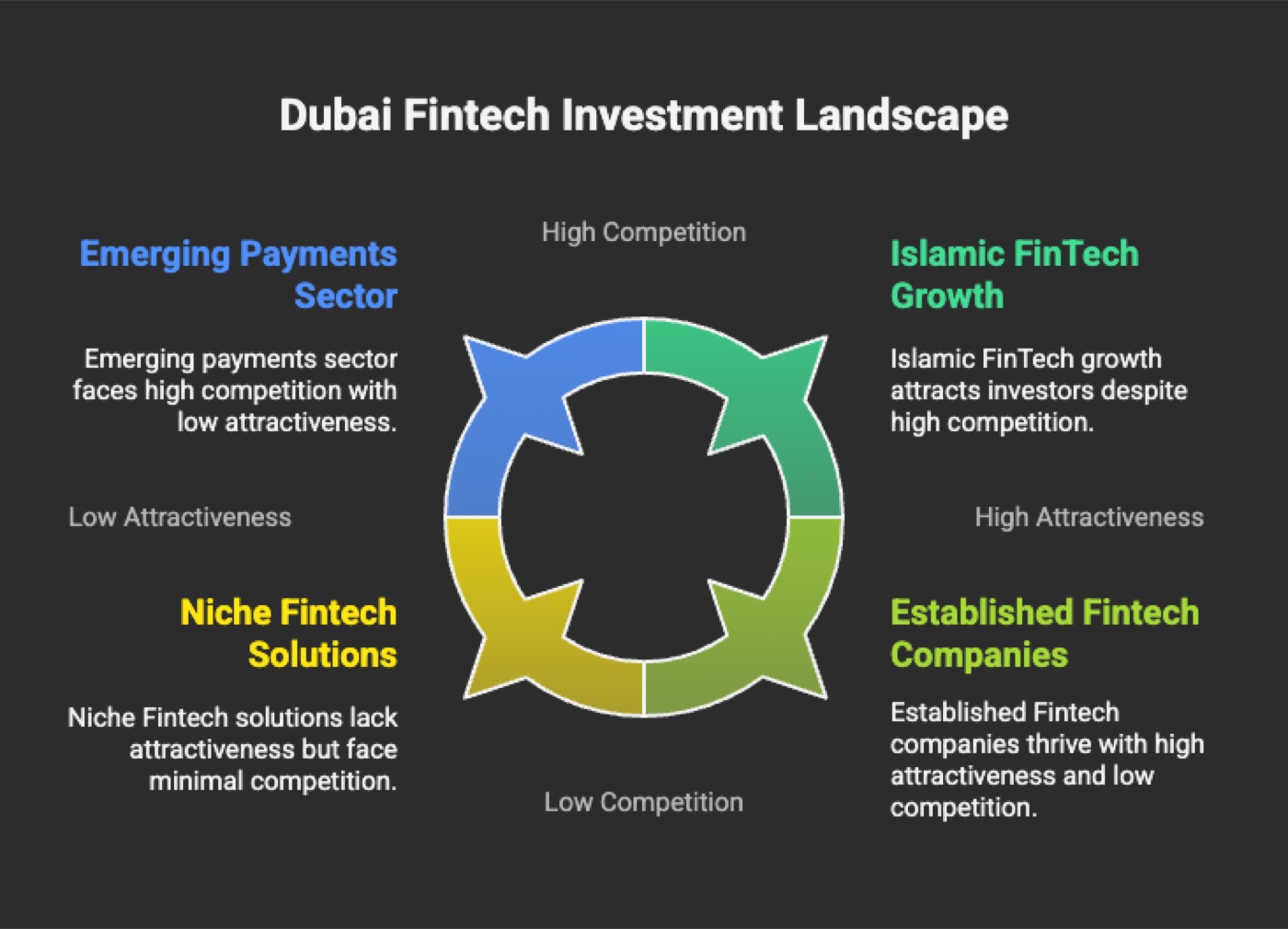
However, competition for investment is fierce. Startups need a strong value proposition to stand out. They must clearly demonstrate their potential for growth and profitability. A compelling business model is crucial to capture investor interest.
Dubai offers abundant opportunities for fintech investment. The combination of favorable policies and a growing market makes it a prime location. Startups must be prepared to compete and present a clear path to success.
Solutions and Strategies
Navigating Dubai's regulatory landscape can be complex. To ensure compliance, fintech startups should collaborate with local advisors. These experts can guide companies through the intricacies of regulations like the Virtual Assets and Related Activities Regulations 2023. Understanding these rules is crucial for smooth operations and avoiding legal pitfalls.
Integrating with existing systems poses challenges. Partnering with local tech firms can ease this process. These partnerships can help startups tap into established networks and infrastructure. This approach not only saves time but also enhances operational efficiency, allowing companies to focus on innovation.
Understanding local market dynamics is essential. Conducting thorough market research is key to identifying customer preferences and trends. This research helps tailor services to meet the specific needs of Dubai's diverse population. A deep understanding of the market can lead to better customer engagement and increased adoption of fintech solutions.
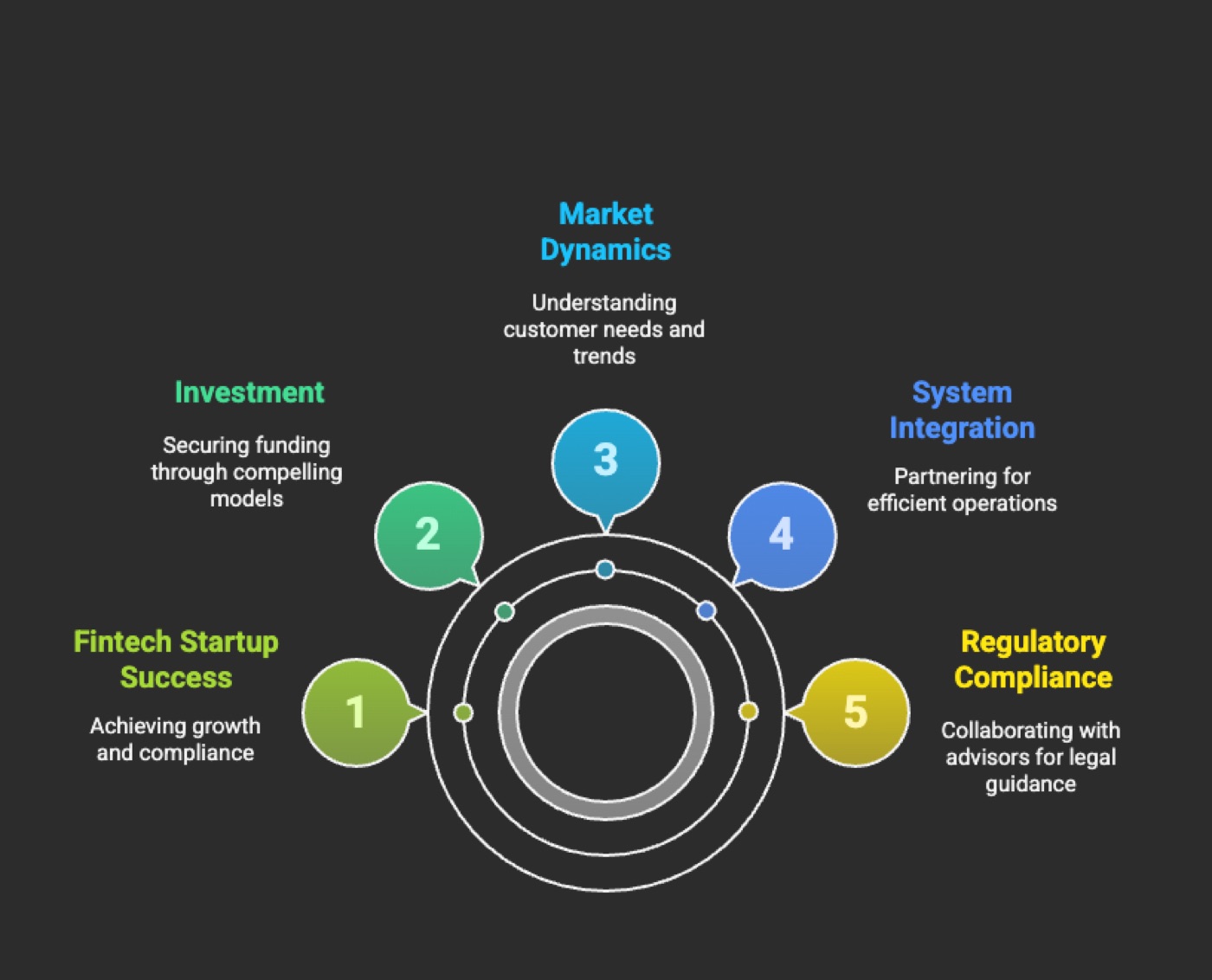
The competition for investment is fierce. To stand out, fintech startups need a compelling business model. This model should highlight unique value propositions and potential for growth. Engaging with potential investors early and often can build interest and trust. A strong pitch can make the difference in securing the necessary funding to succeed.
Implementation Steps
Research and Planning
Start by diving into Dubai's fintech landscape. Understand the regulatory requirements and market dynamics. The Virtual Assets and Related Activities Regulations 2023 by VARA is a key framework to study. It sets the stage for secure and compliant operations. Knowing these rules is essential for any fintech startup aiming to succeed in Dubai.
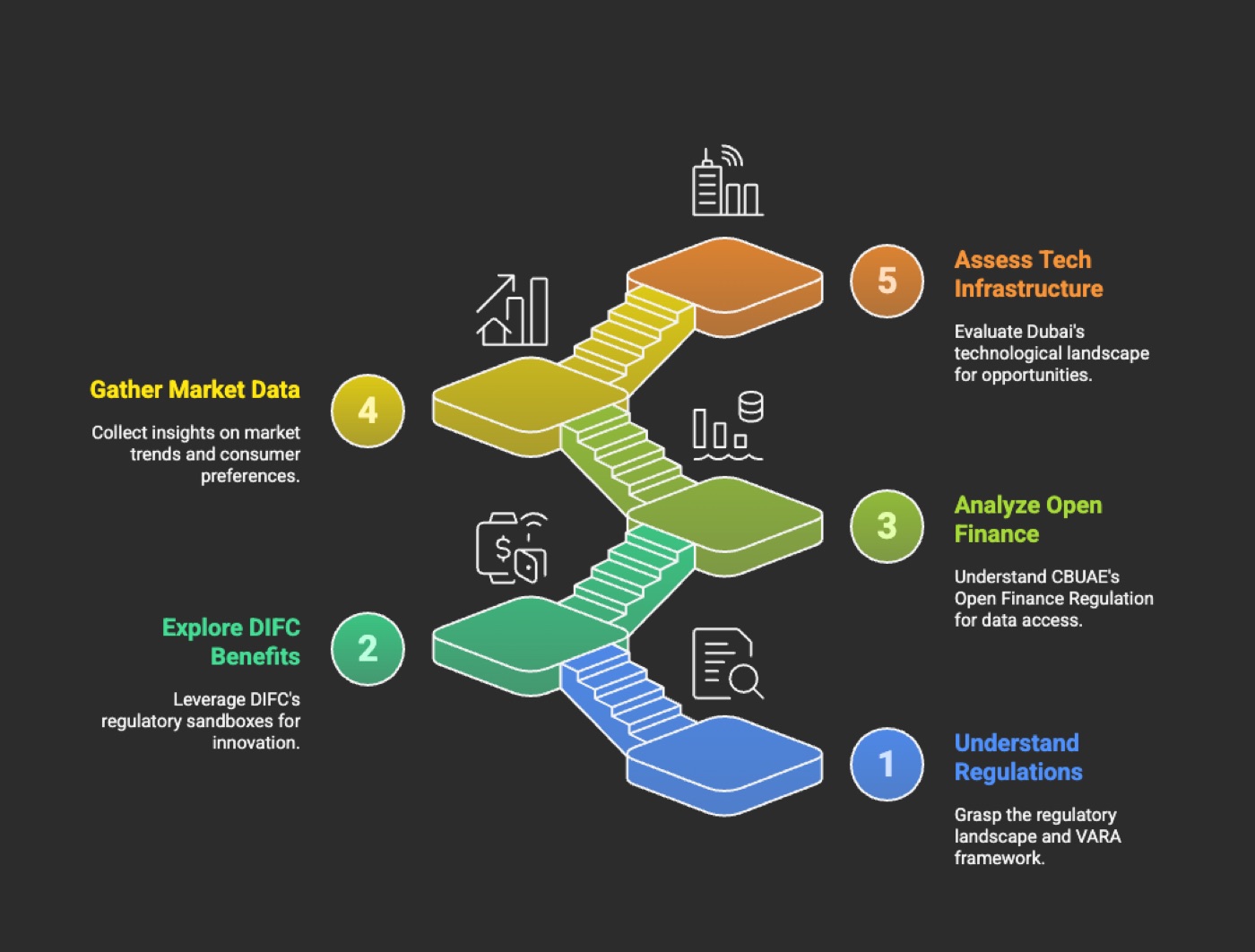
Next, explore the benefits offered by the Dubai International Financial Centre (DIFC). Their regulatory sandboxes provide a safe space for innovation. They allow startups to test new ideas without the full burden of regulations. This can be a significant advantage for early-stage companies.
Understanding the Open Finance Regulation by the Central Bank of the UAE (CBUAE) is also crucial. This regulation mandates banks and insurers to provide customer data access. It ensures fintechs can offer services like account aggregation and payment initiation. This opens up new opportunities for startups to innovate and grow.
Gather data on market trends and consumer preferences. Dubai's fintech sector is rapidly evolving, with payments and Islamic FinTech leading the charge. These areas present lucrative opportunities for new entrants. Analyze these trends to identify potential gaps in the market.
Finally, assess the technological infrastructure available in Dubai. The city is known for its advanced digital landscape. Compare it with other global fintech hubs to understand where Dubai stands. This will help you identify areas where your startup can leverage existing technologies or introduce new solutions.
In summary, thorough research and planning are the first steps to establishing a successful fintech startup in Dubai. Understanding the regulatory environment, market dynamics, and technological landscape will provide a solid foundation for your venture.
Local Partnerships
Building strong local partnerships is crucial for fintech startups aiming to succeed in Dubai. Collaborating with established businesses and tech firms can provide valuable insights and access to resources. Local partners understand the market dynamics and can offer guidance on navigating the complex regulatory environment. These partnerships can also help in integrating new technologies smoothly, ensuring that startups can operate efficiently from the start.
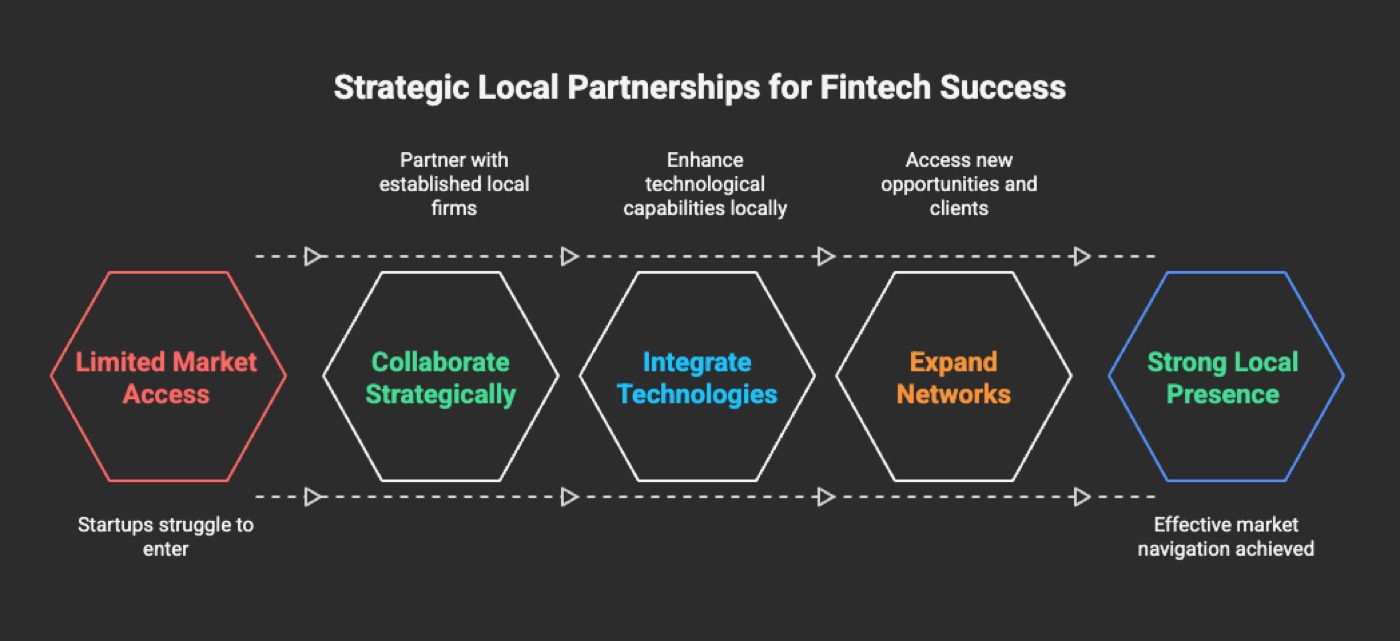
Working with local tech firms can enhance a startup's technological capabilities. These firms often have the infrastructure and expertise needed to support innovative fintech solutions. By leveraging local knowledge, startups can better tailor their offerings to meet the specific needs of the Dubai market. This approach not only aids in compliance but also boosts the startup's credibility in the eyes of potential customers and investors.
Moreover, local partnerships can open doors to new networks and opportunities. They can facilitate introductions to key industry players and potential clients, accelerating the startup's market entry. Engaging with local businesses also allows startups to tap into existing customer bases, providing a head start in building a loyal clientele.
Forming strategic local partnerships is a vital step for fintech startups in Dubai. It enables them to navigate the market more effectively, enhance their technological offerings, and establish a strong presence in the region. By aligning with local entities, startups can position themselves for long-term success in Dubai's thriving fintech landscape.
Regulatory Compliance
Navigating Dubai's regulatory landscape is crucial for fintech startups. The Virtual Assets and Related Activities Regulations 2023 set the stage. They ensure the integrity of virtual asset activities. Startups must align with these rules to thrive.
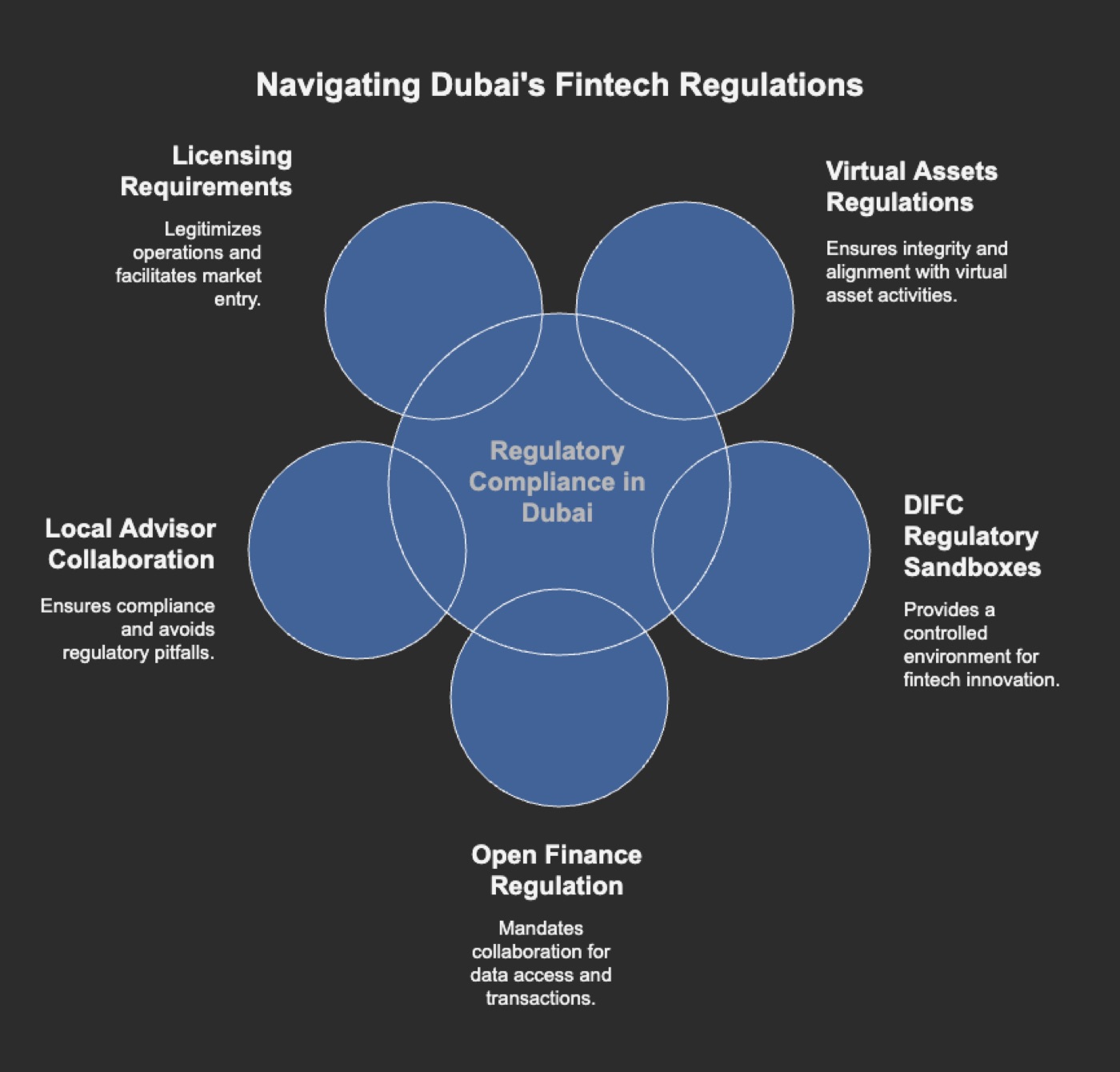
DIFC's regulatory sandboxes offer a unique advantage. They provide a controlled environment for innovation. This allows fintech companies to test new ideas safely. It's a significant boost for startups looking to experiment.
The Open Finance Regulation by the CBUAE is another key component. It mandates banks and insurers to collaborate with Open Finance Providers. This opens doors for startups to access customer data and initiate transactions. The regulation supports a more interconnected financial ecosystem.
Compliance isn't just about following rules. It's about understanding the local regulatory framework. Startups should work closely with local advisors. This ensures they meet all legal requirements and avoid potential pitfalls.
Obtaining necessary licenses is a critical step. It legitimizes the startup's operations in Dubai. Without it, navigating the regulatory environment becomes challenging. Proper licensing is a cornerstone of successful market entry.
Regulatory compliance in Dubai requires strategic planning. Startups must stay informed and proactive. By doing so, they can leverage Dubai's regulatory framework to their advantage.
Market Entry Strategy
Entering Dubai's fintech market demands a well-thought-out strategy. Start by understanding the local landscape. Research is crucial. Identify key players and potential competitors. Learn about the unique needs of the market. This will help you tailor your offerings.
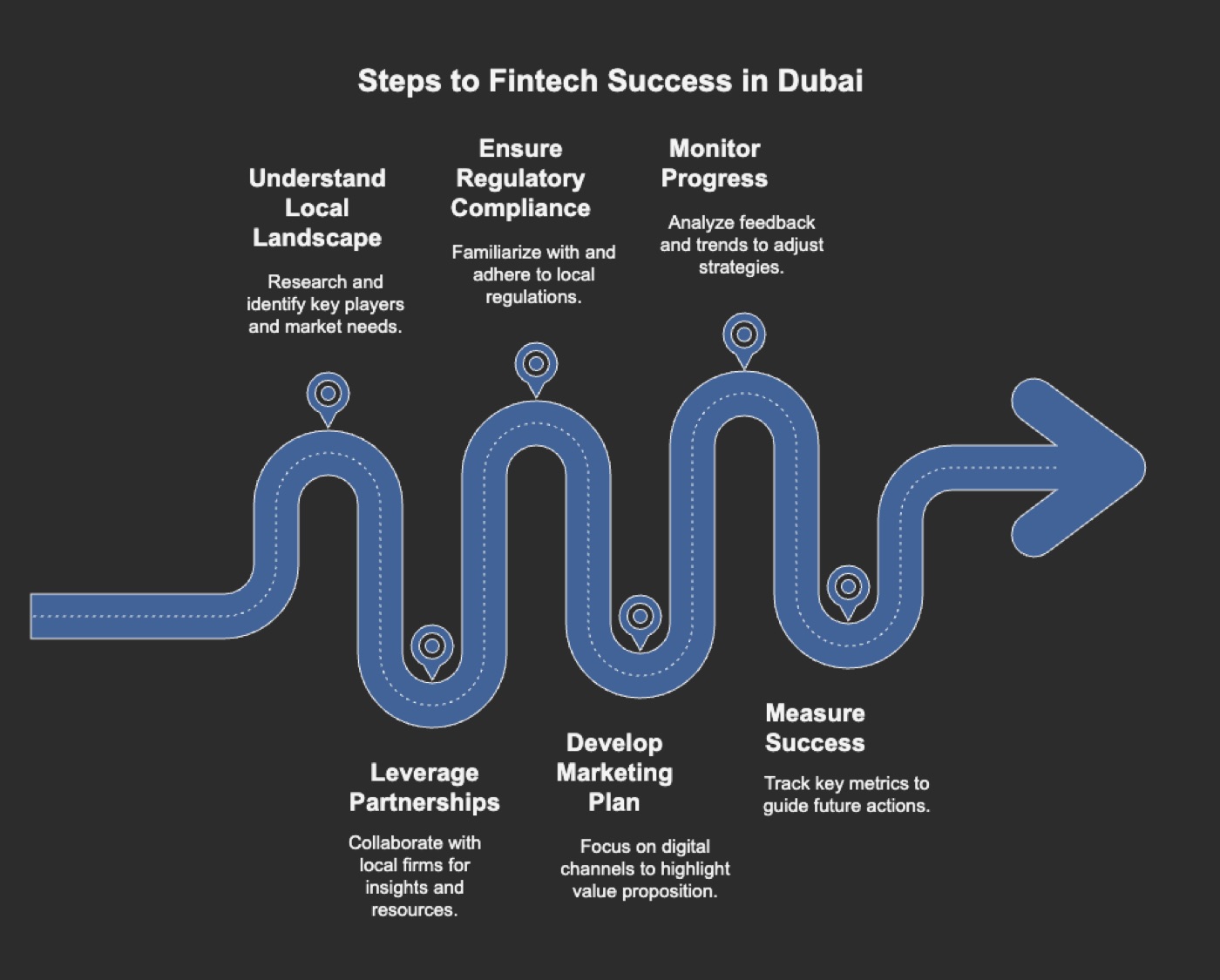
Next, leverage partnerships. Collaborate with local firms. They can provide valuable insights and resources. This collaboration can smooth your entry into the market. It also helps in navigating local regulations.
Regulatory compliance is essential. Familiarize yourself with the latest rules. The Virtual Assets and Related Activities Regulations 2023 is a key framework. Ensure your operations align with these guidelines. This will prevent legal issues and build credibility.
Develop a strong marketing plan. Focus on digital channels. Highlight your unique value proposition. Use data-driven strategies to reach your target audience. This approach can increase brand awareness and attract customers.
Monitor your progress continuously. Analyze customer feedback and market trends. Be ready to adjust your strategy as needed. This flexibility will help you stay competitive and meet evolving demands.
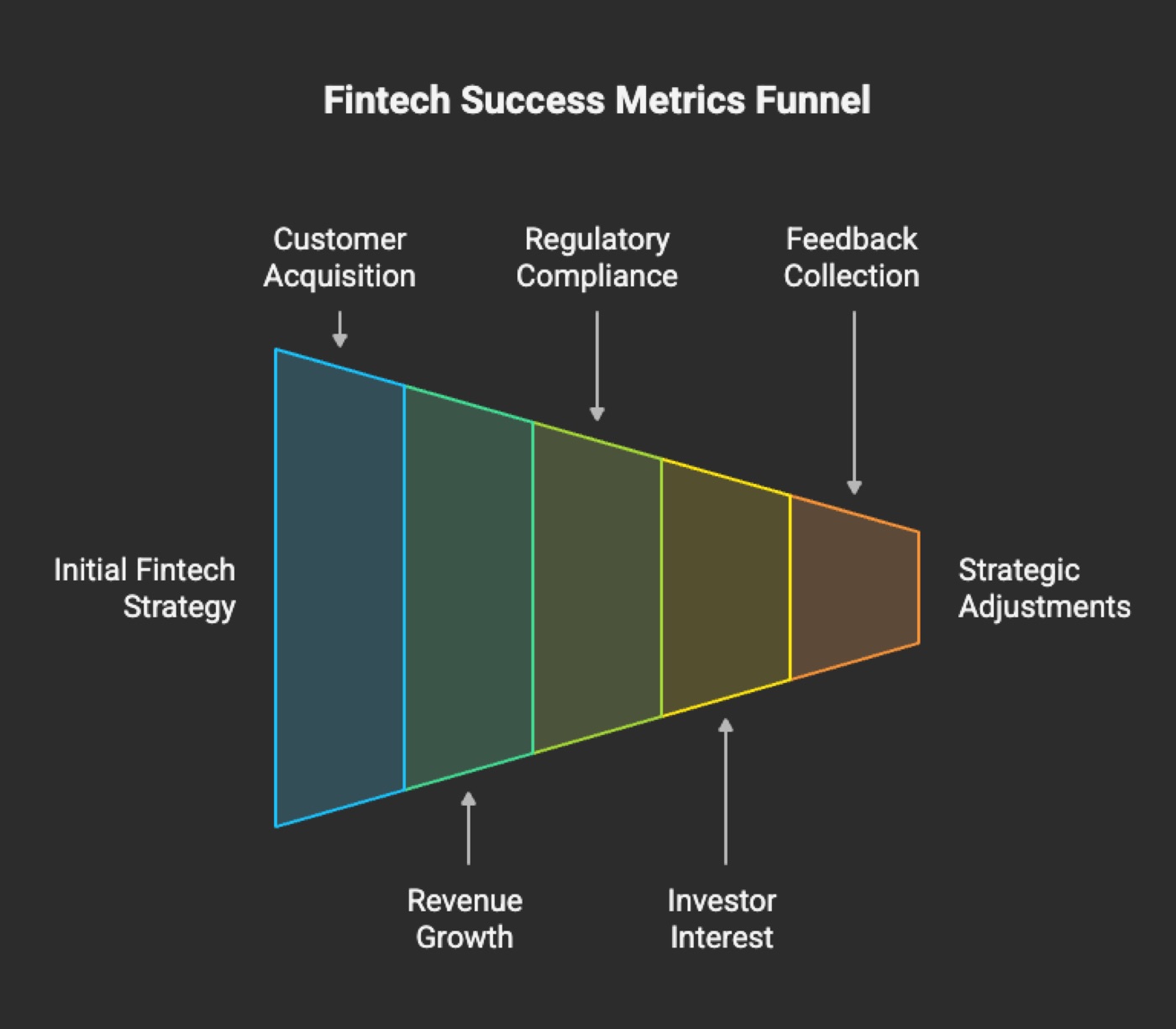
Measure success through key metrics. Track customer acquisition rates and revenue growth. Evaluate your compliance status and investor interest. These indicators will guide your future actions and ensure sustainable growth.
Launch and Marketing
Launching a fintech startup in Dubai requires strategic planning. Begin with a deep understanding of the local market. Identify key customer segments and tailor your offerings to meet their needs. Use data-driven insights to guide your marketing strategies.
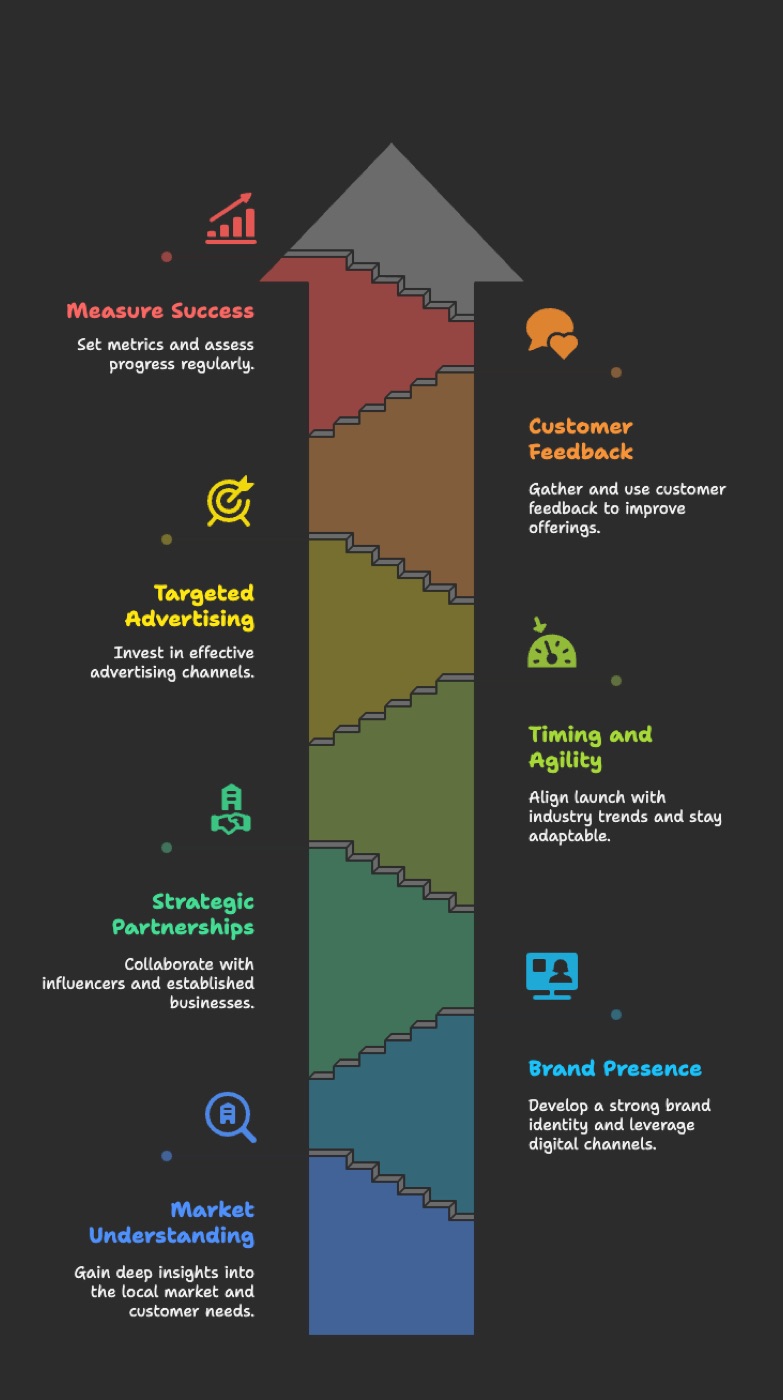
Develop a strong brand presence. Leverage digital channels to reach a broad audience. Social media platforms can be powerful tools for engagement. Create content that resonates with potential customers, focusing on the unique benefits your fintech solutions offer.
Consider partnerships with local influencers. They can help amplify your message and build credibility. Collaborate with established businesses to gain access to their customer base. This approach can accelerate your market penetration.
Timing is crucial. Align your launch with industry events or trends to maximize visibility. Monitor competitor activities and adjust your strategies accordingly. Stay agile and ready to pivot as needed.
Invest in targeted advertising. Use analytics to track campaign performance and refine your approach. Focus on channels that deliver the highest return on investment. Be prepared to allocate resources where they have the most impact.
Customer feedback is invaluable. Encourage reviews and testimonials to build trust. Use this feedback to improve your offerings and customer experience. A responsive approach can foster loyalty and drive growth.
Finally, measure your success. Set clear metrics for customer acquisition and retention. Regularly assess your progress and make data-informed decisions. This will ensure your fintech startup not only launches successfully but thrives in Dubai's competitive landscape.
Monitor and Adjust
Regular monitoring is vital for fintech startups in Dubai. It ensures operations align with goals. Start by tracking key performance indicators. These include customer acquisition rates and revenue growth. Use data analytics tools for accurate insights. They help identify trends and areas for improvement.
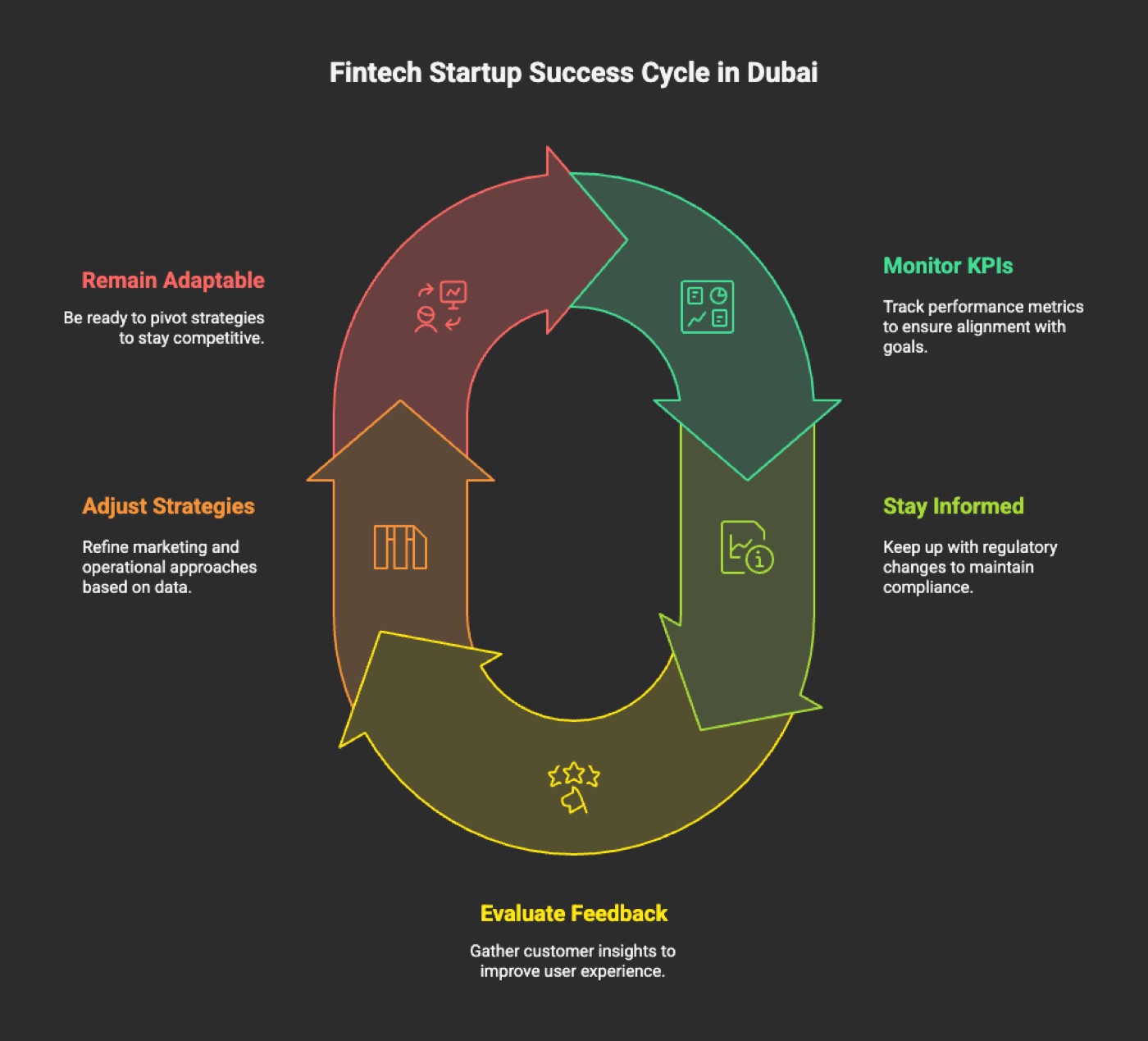
Stay informed about regulatory changes. Dubai's fintech landscape is dynamic. Regular updates can impact compliance and operations. Engage with local advisors for timely advice. This proactive approach minimizes risks.
Evaluate customer feedback consistently. It reveals user experience and satisfaction levels. Use surveys and feedback forms. This information is crucial for refining products and services. Addressing customer needs enhances market position.
Adjust marketing strategies based on performance data. Analyze which channels yield the best results. Allocate resources to high-performing areas. This ensures efficient use of marketing budgets.
Lastly, remain adaptable. The fintech sector evolves rapidly. Be prepared to pivot strategies as needed. This flexibility supports long-term success in Dubai's competitive market.
Evaluation
Success in Dubai's fintech scene requires clear metrics. Start by tracking customer acquisition rates. Are new customers joining at expected levels? Monitor revenue growth closely. Is it aligning with projections? Compliance is crucial. Ensure all operations meet local regulations. Investor interest is another key indicator. Are investors showing confidence in your startup? Collect feedback from customers and partners. Their insights are invaluable. Use this data to gauge satisfaction and identify areas for improvement. Regularly assess these metrics to understand your position in the market. Adjust strategies based on findings to maintain momentum and drive further success.
Fintech Success Framework
Success in Dubai's fintech landscape requires constant evaluation. Regularly reviewing outcomes is crucial. Analyze customer feedback and partner insights. This helps pinpoint areas needing improvement. Flexibility is key.
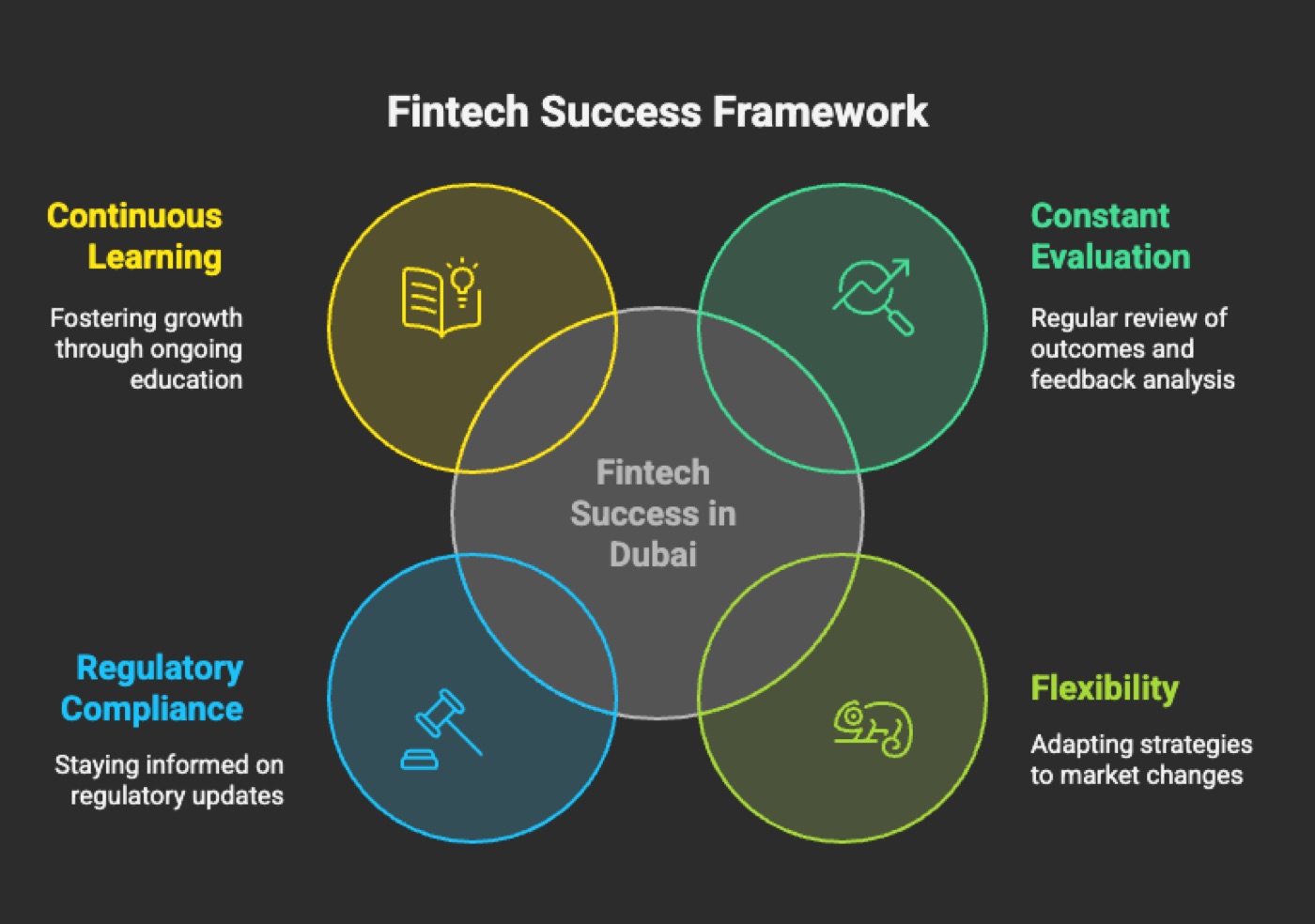
Be ready to adapt strategies based on market changes. Scaling operations should reflect real-time responses. Adjustments ensure alignment with evolving demands. Staying informed on regulatory updates is vital. This proactive approach aids in maintaining compliance. Continuous learning fosters growth. It also strengthens market position. Embrace change as an opportunity for enhancement. This mindset supports sustained success in a competitive environment.
Further reading: VARA inspection readiness · Supervisors want evidence, not policies