How Banks Can Take Part in Issuing Stablecoins
Why banks are looking at stablecoin issuance, the risks regulators focus on, and how banks could use stablecoins in payments, remittances and lending.

Banks are eyeing the booming stablecoin market, which has seen a significant increase in market capitalization, to offer more secure and regulated digital assets.
Stablecoin Market Overview
Stablecoins have grown rapidly. In just a year, their market cap jumped from $119.1 billion to $161.2 billion. The top three stablecoins are Tether ($114.4 billion), USD Coin ($33.3 billion), and Dai ($5.3 billion). These coins are used for trading, DeFi, and cross-border transactions. They help make crypto trading more stable and reduce costs in international transfers.
A Deloitte blockchain survey found that 42% of people believe stablecoins can have a positive impact. This shows a strong interest in these digital assets.

A senior executive mentioned that stablecoins could offer banks new opportunities but also come with challenges. Financial authorities are concerned about the stability of the assets backing these coins and the risk of money laundering.
Current Market Data
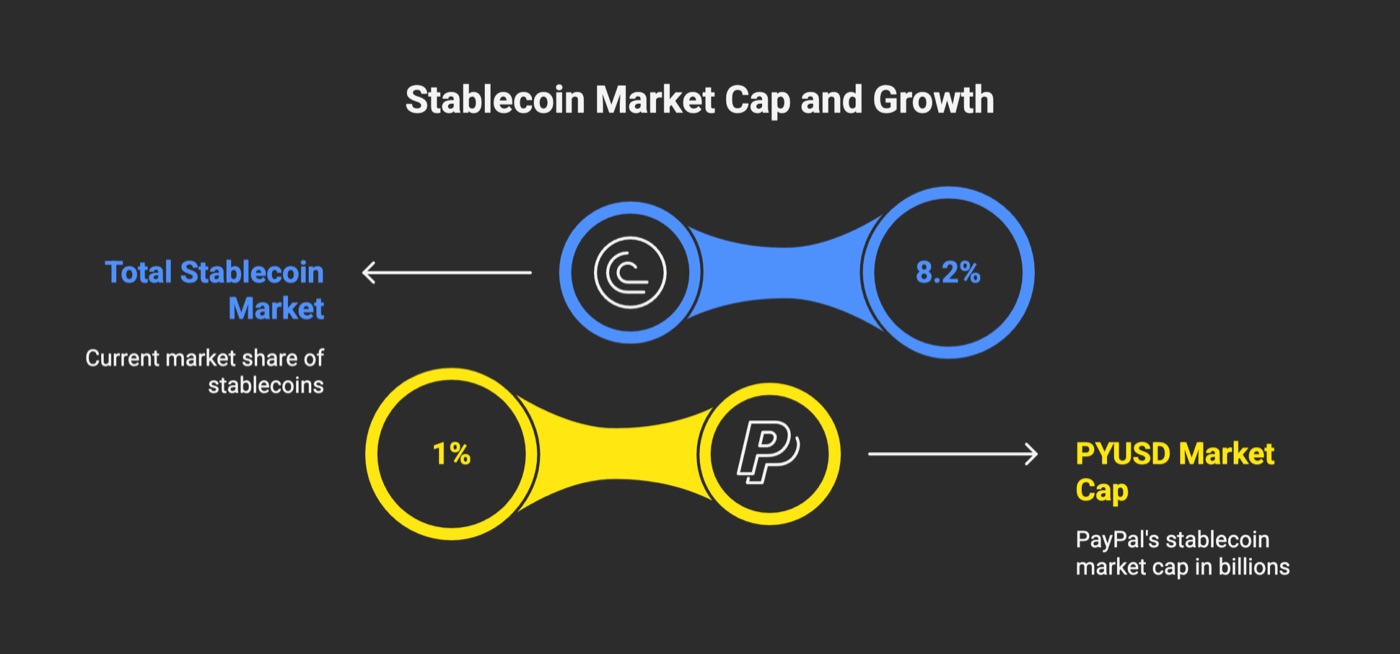
Stablecoins now make up 8.2% of the total crypto market cap. PayPal’s stablecoin, PYUSD, has a market cap of over $1 billion. These figures show the growing importance of stablecoins in the financial world.
Looking ahead, banks might need to follow new regulatory frameworks. These rules will help ensure stablecoins are safe and reliable. Banks could also integrate stablecoins into their services, making them more common in payments and remittances. This could lead to wider adoption in the FinTech sector.
Future of Banks in Stablecoin Issuance
Banks are starting to see the potential in stablecoins. With the market growing so fast, they don't want to miss out. But what does the future hold for banks in this space?
First, regulations will play a big role. Governments are looking closely at stablecoins. They want to make sure everything is safe and fair. This means banks will need to follow new rules. These rules could change how banks issue stablecoins.
Next, banks might start using stablecoins in their services. Imagine using a stablecoin to pay your bills or send money overseas. This could make things faster and cheaper. Banks could also use stablecoins for loans and savings accounts. This would give you more options for managing your money.
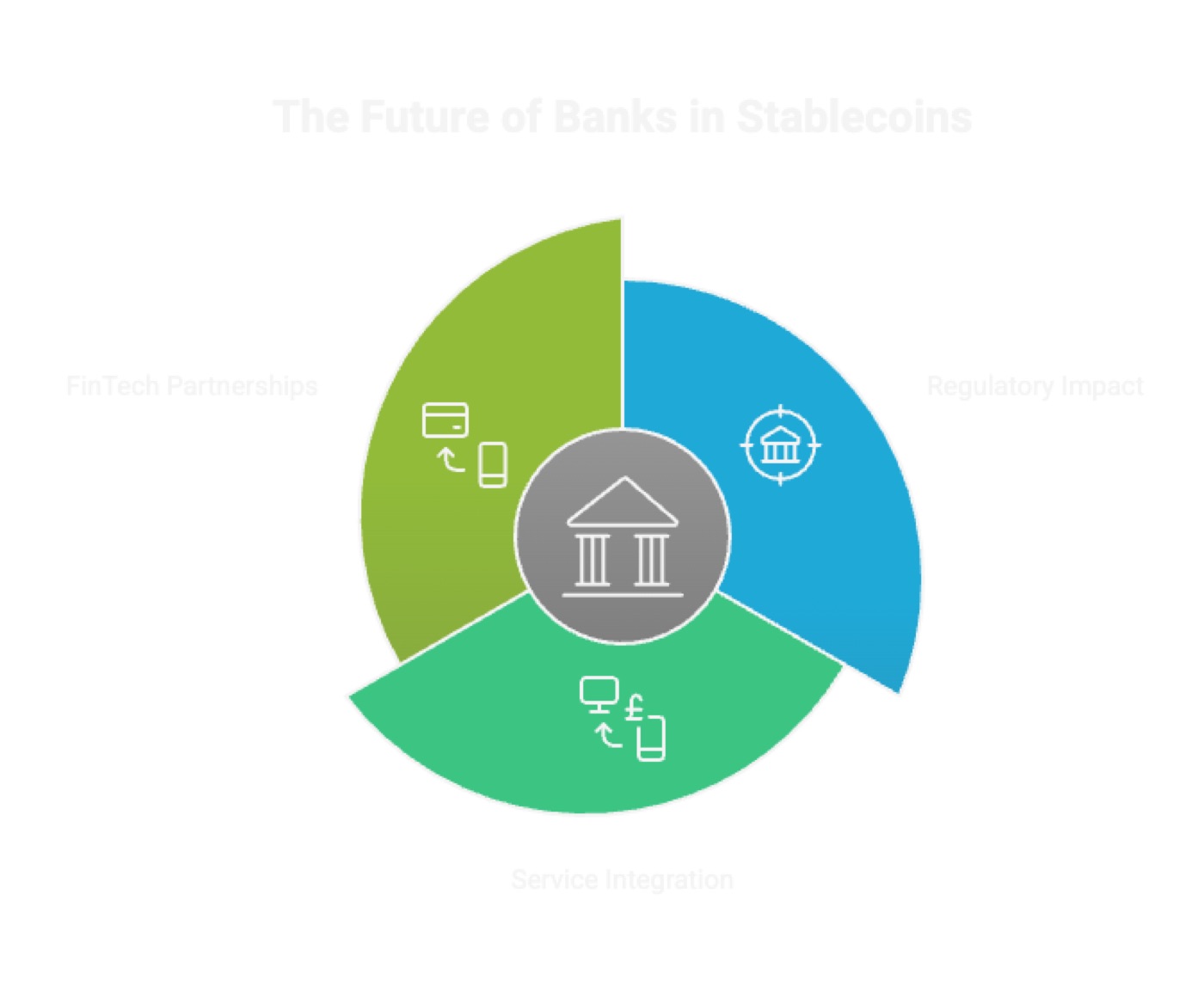
Finally, more FinTech companies might join in. They could partner with banks to offer new services. This could lead to even more ways to use stablecoins. The future looks bright for banks and stablecoins. Keep an eye out for new developments!
Further reading: VARA inspection readiness · Supervisors want evidence, not policies