Enterprise Blockchain Integration: Where to Start
How enterprises move existing processes onto blockchain: aligning workflows, migration, pilot projects, the main barriers and where adoption is growing.

Businesses are increasingly moving towards adopting digital ledgers. This shift is not just about using new systems but also about migrating existing processes to these platforms. A major factor driving this trend is the rise of systems that can work together. This makes it easier for different digital ledgers to communicate and share data. As a result, more industries are expected to adopt these systems. The global market for these digital solutions is set to grow significantly in the coming years. This growth is expected to impact various sectors, from finance to healthcare, as they seek to improve their operations and security.
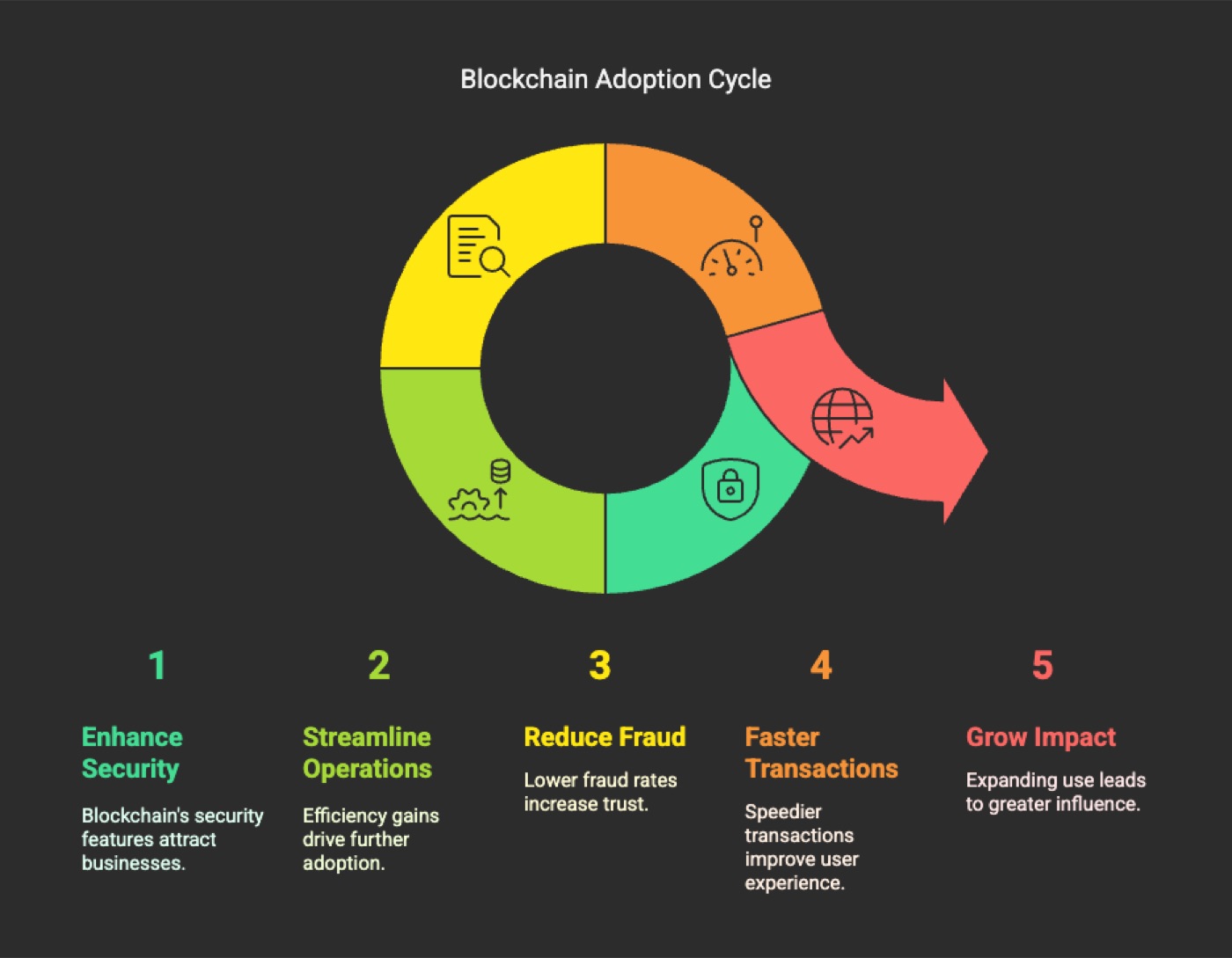
Blockchain Adoption Cycle
Businesses are increasingly turning to blockchain to boost security and streamline operations. This shift is reshaping industries such as finance, healthcare, and supply chain management. Companies are drawn to the promise of reduced fraud and faster transactions. As more sectors embrace this technology, its impact continues to grow. The movement toward blockchain is not just a trend; it's a significant transformation that is redefining how industries operate.
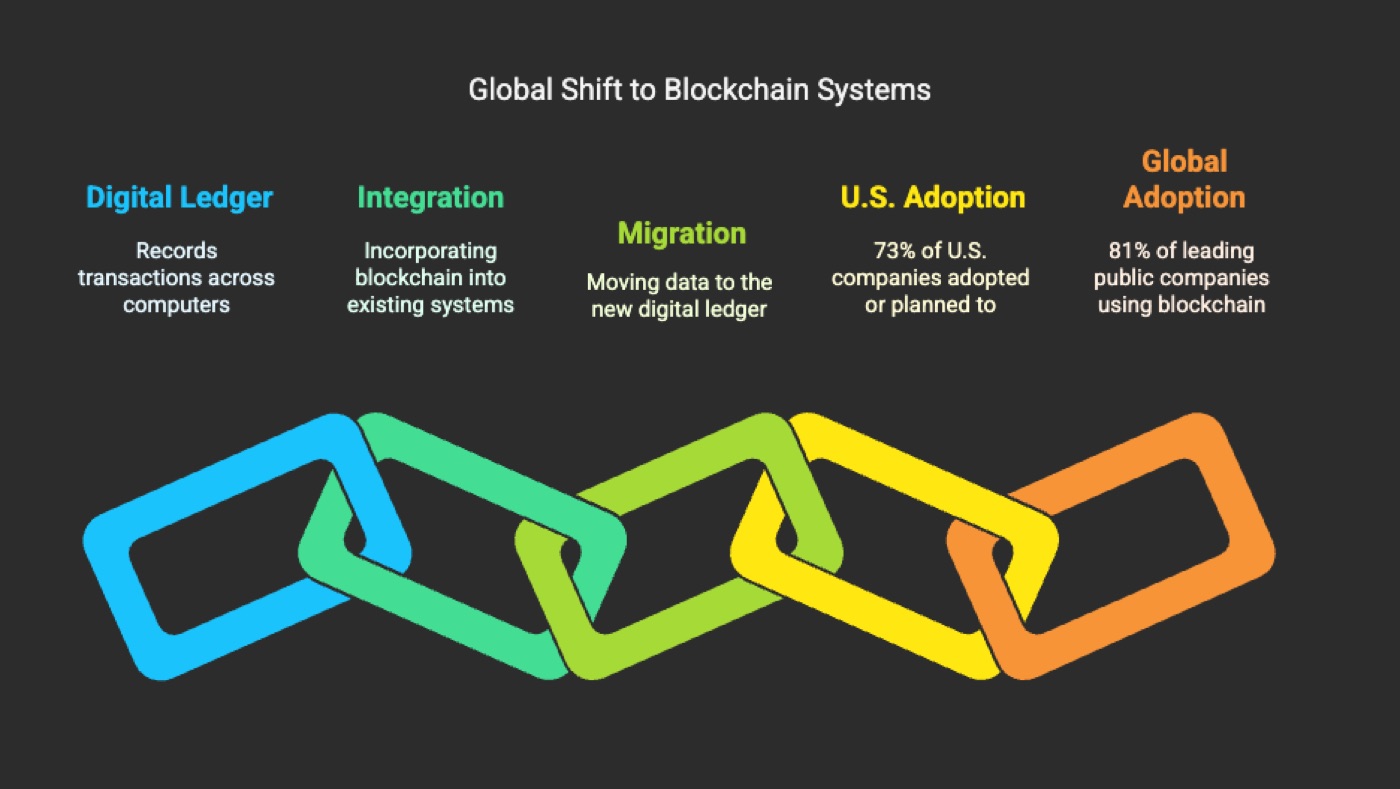
Global Shift to Blockchain Systems
Blockchain serves as a digital ledger that records transactions across many computers. This ensures that the record cannot be altered retroactively. Integration involves incorporating this ledger into existing systems. Migration refers to moving data from older systems to this new digital ledger. In 2023, about 73% of U.S. companies had already adopted or planned to adopt these systems. Worldwide, 81% of leading public companies are using them. This shows a significant global shift towards these systems for various applications.
Aligning business processes with blockchain capabilities is crucial. Companies must rethink their operations to fit this new digital framework. Smart contracts play a vital role here. They automate agreements, reducing the need for intermediaries. This not only speeds up processes but also cuts down on costs.
Migration to blockchain requires re-engineering existing processes. Businesses should assess their current workflows. They need to identify areas where blockchain can add value. This might mean redesigning data management systems or updating security protocols. The goal is to ensure that the transition enhances operational efficiency.
Understanding these advanced aspects is essential for successful integration. Companies must be prepared to adapt and innovate. This will allow them to fully leverage the benefits of blockchain.
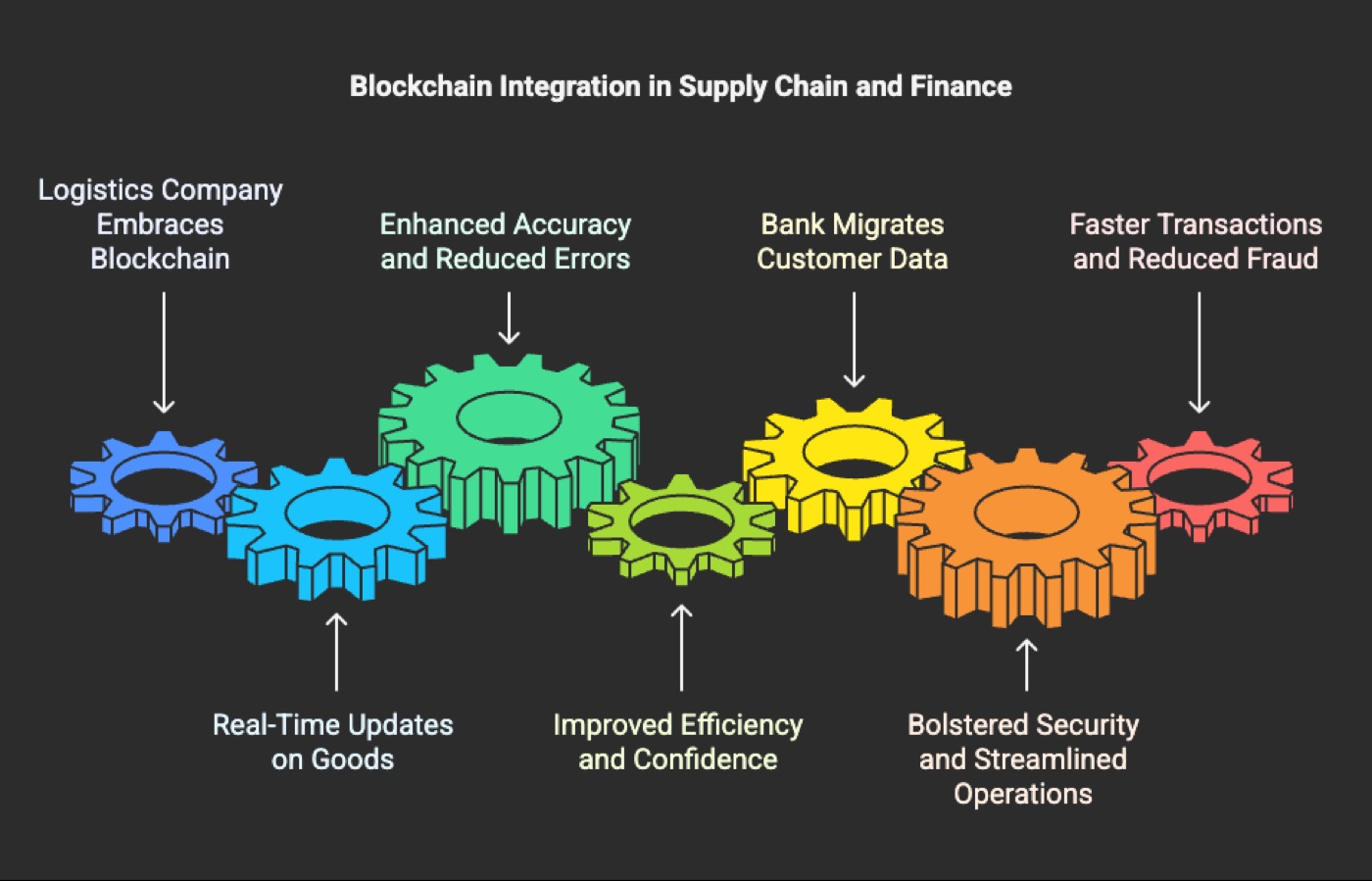
Case Study: Blockchain Integration in Supply Chain and Finance
In the world of supply chain management, a leading logistics company has embraced blockchain to enhance product tracking. This shift allows real-time updates on the location and condition of goods. By using digital ledgers, the company ensures accuracy and reduces the risk of errors. This transformation not only improves efficiency but also builds confidence among partners and consumers.
In the financial sector, a major bank has migrated its customer data to a blockchain system. This move aims to bolster security and streamline operations. By adopting this digital ledger, the bank can offer faster transactions and reduce fraud risks. Customers benefit from quicker services and enhanced protection of their personal information. This example highlights the potential for financial institutions to improve their operations through digital innovations.
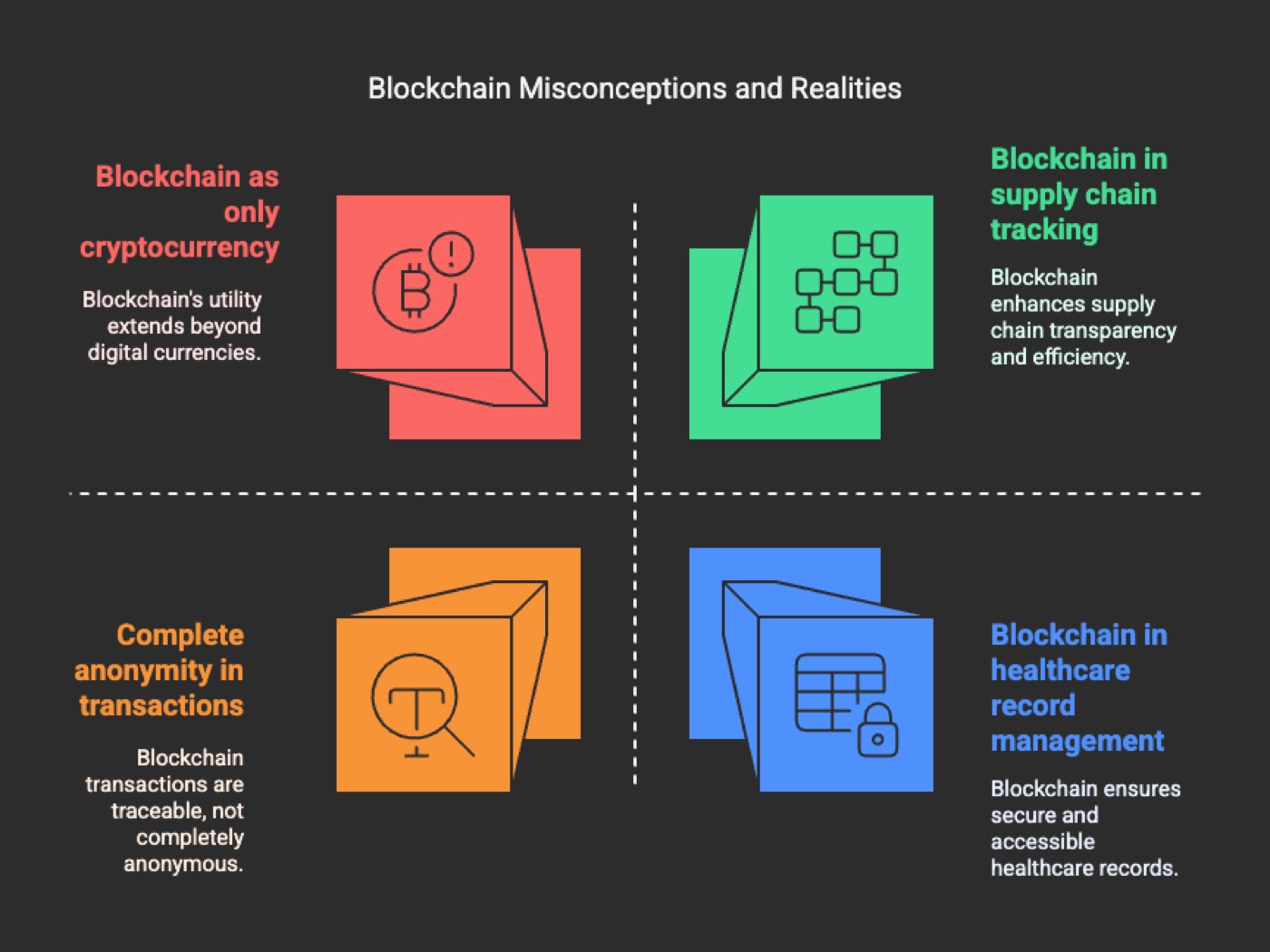
Blockchain Misconceptions and Realities
Many people still think blockchain is only about cryptocurrencies. This is far from the truth. Blockchain's potential goes beyond digital money. It serves as a powerful tool for various applications. For instance, it can track products in supply chains or manage records in healthcare. These uses show its versatility across different fields.
Another common misunderstanding is about privacy. Some believe that blockchain transactions are completely anonymous. In reality, while it offers privacy, every transaction is traceable. This means that while user identities can be hidden, the transaction details are visible on the ledger. This traceability helps in reducing fraud and ensuring accountability.
Understanding these aspects can help businesses and individuals appreciate the broader impact of blockchain. It's not just a trend but a tool for real-world problem-solving. As more industries adopt it, these misconceptions will likely fade. This shift in understanding will pave the way for more widespread acceptance and use.
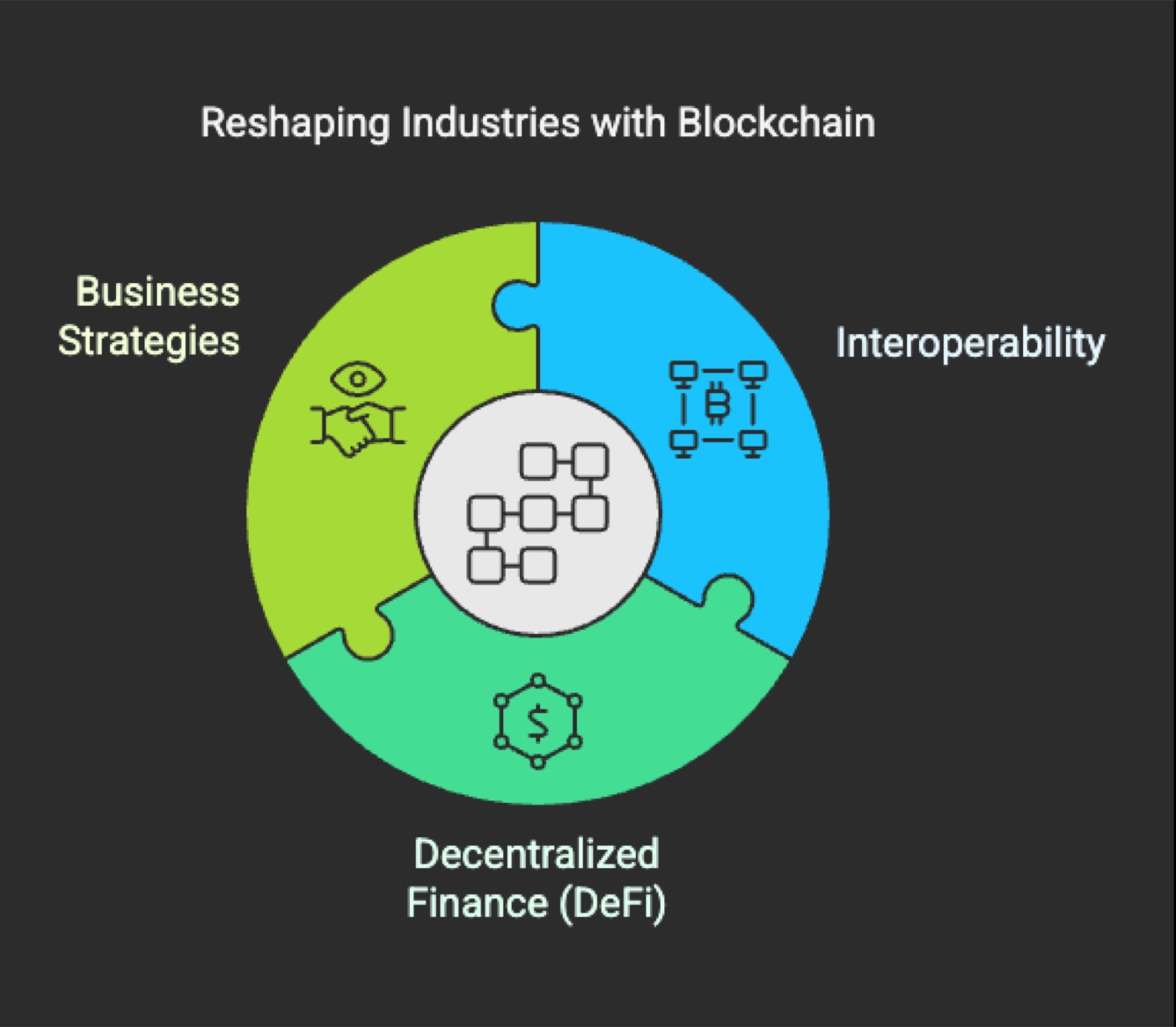
Reshaping Industries with Blockchain
Recent advancements in blockchain interoperability are reshaping how industries operate. Interoperability allows different blockchain systems to communicate, enhancing flexibility and functionality. This development is crucial as it enables businesses to integrate diverse systems without losing data integrity or efficiency.
Decentralized finance, or DeFi, is also making waves. It challenges traditional financial services by offering alternatives that operate without central authorities. DeFi platforms provide services like lending, borrowing, and trading, all managed through automated processes. This shift is prompting traditional financial institutions to reconsider their models and adapt to new technologies.
The rise of these developments signals a shift in how businesses approach financial and operational strategies. By embracing these changes, companies can access new opportunities and improve their competitive edge. As these trends continue to evolve, staying informed and adaptable will be key for businesses aiming to thrive in this rapidly changing landscape.
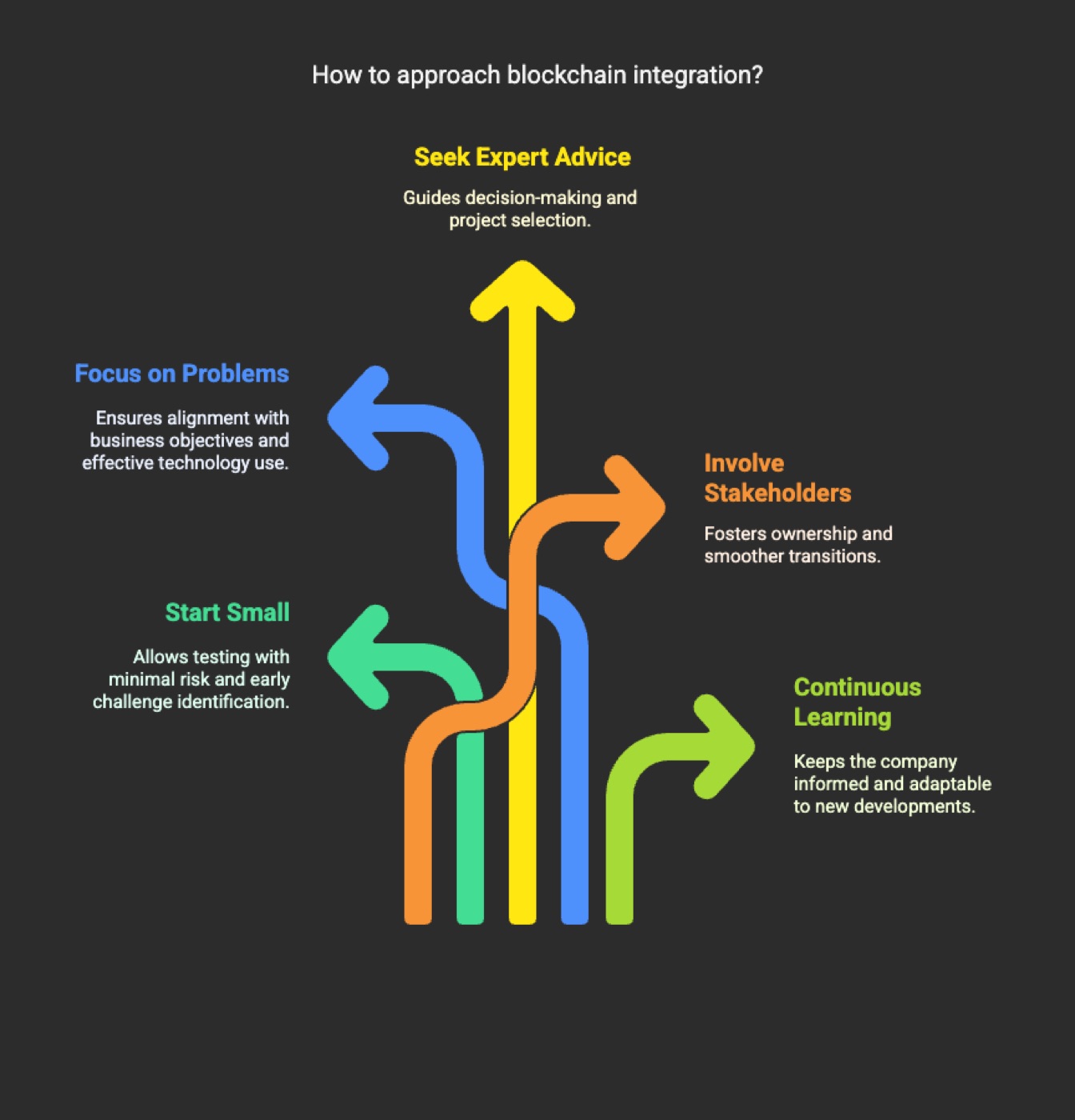
How to approach blockchain integration?
Starting small can be a smart move. Pilot projects allow businesses to test the waters with minimal risk. They provide a controlled environment to explore blockchain's potential without committing fully. This approach helps identify challenges early and adjust strategies accordingly.
Focusing on solving real business problems is crucial. It's not just about adopting new technology for the sake of it. Companies should aim to address specific issues they face. Whether it's enhancing data security or streamlining operations, the goal should be clear. This ensures that the integration of blockchain aligns with the company's objectives.
Expert advice often emphasizes the importance of understanding the technology's capabilities. It's essential to know how it can be applied effectively within different business contexts. This knowledge can guide decision-making and help in choosing the right projects to pursue.
Involving stakeholders from the beginning is also important. Their input can provide valuable insights and foster a sense of ownership. This collaborative approach can lead to more successful outcomes and smoother transitions.
Lastly, continuous learning and adaptation are key. The landscape is constantly evolving, and staying informed about the latest developments is vital. This proactive approach can position companies to take full advantage of the opportunities that blockchain offers.
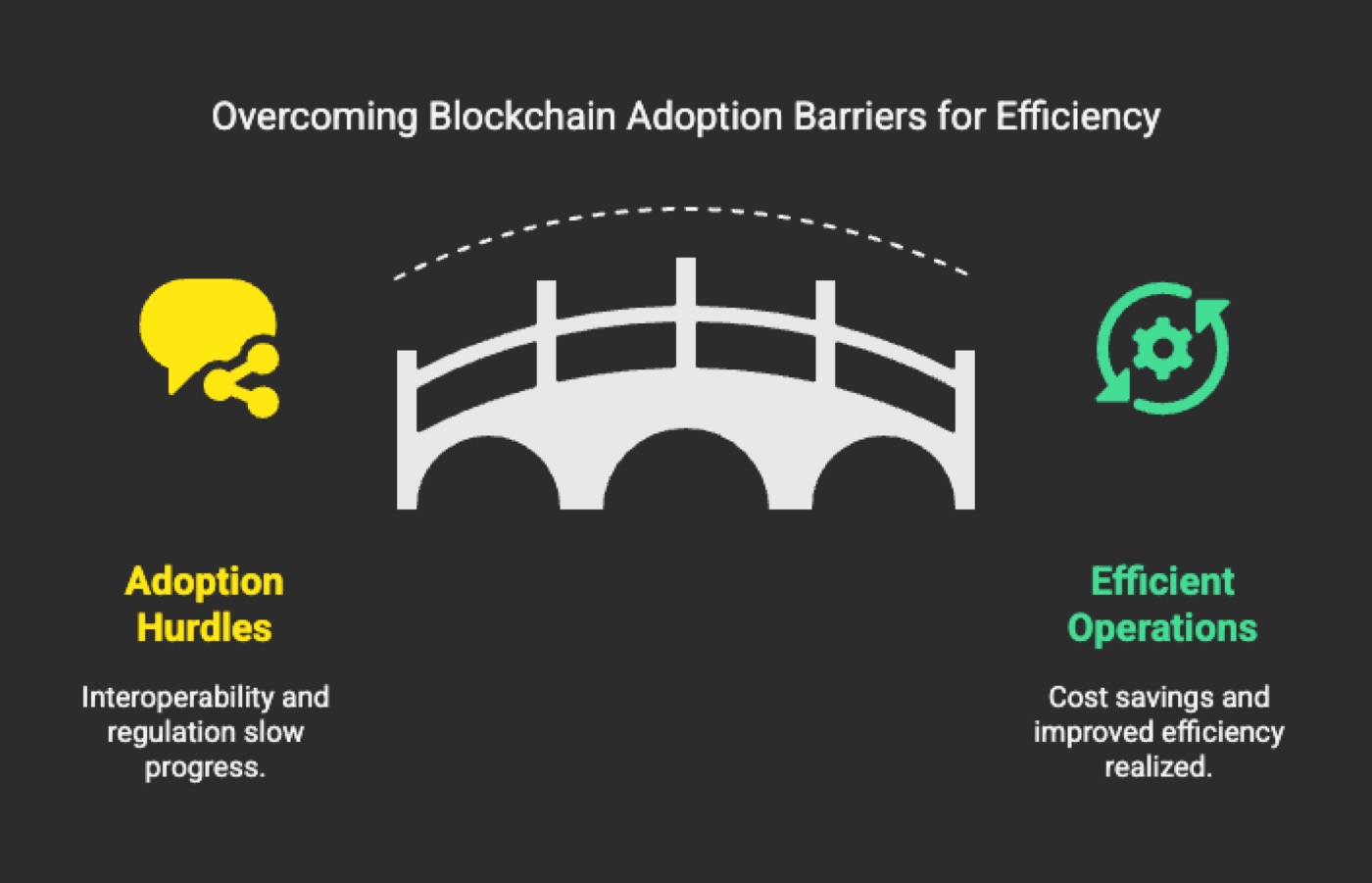
Overcoming Blockchain Adoption Barriers for Efficiency
Blockchain adoption is transforming industries by offering significant cost savings and efficiency improvements. For instance, it's estimated that global businesses could save $550 billion annually by 2030 through reduced risk and fraud. In the banking sector alone, infrastructure costs might be cut by $15-20 billion each year. Despite these benefits, challenges remain. Interoperability issues are a notable hurdle, affecting how different systems work together. Additionally, regulatory uncertainty poses a barrier to widespread adoption. These obstacles highlight the need for strategic planning and expert guidance in navigating the evolving landscape.
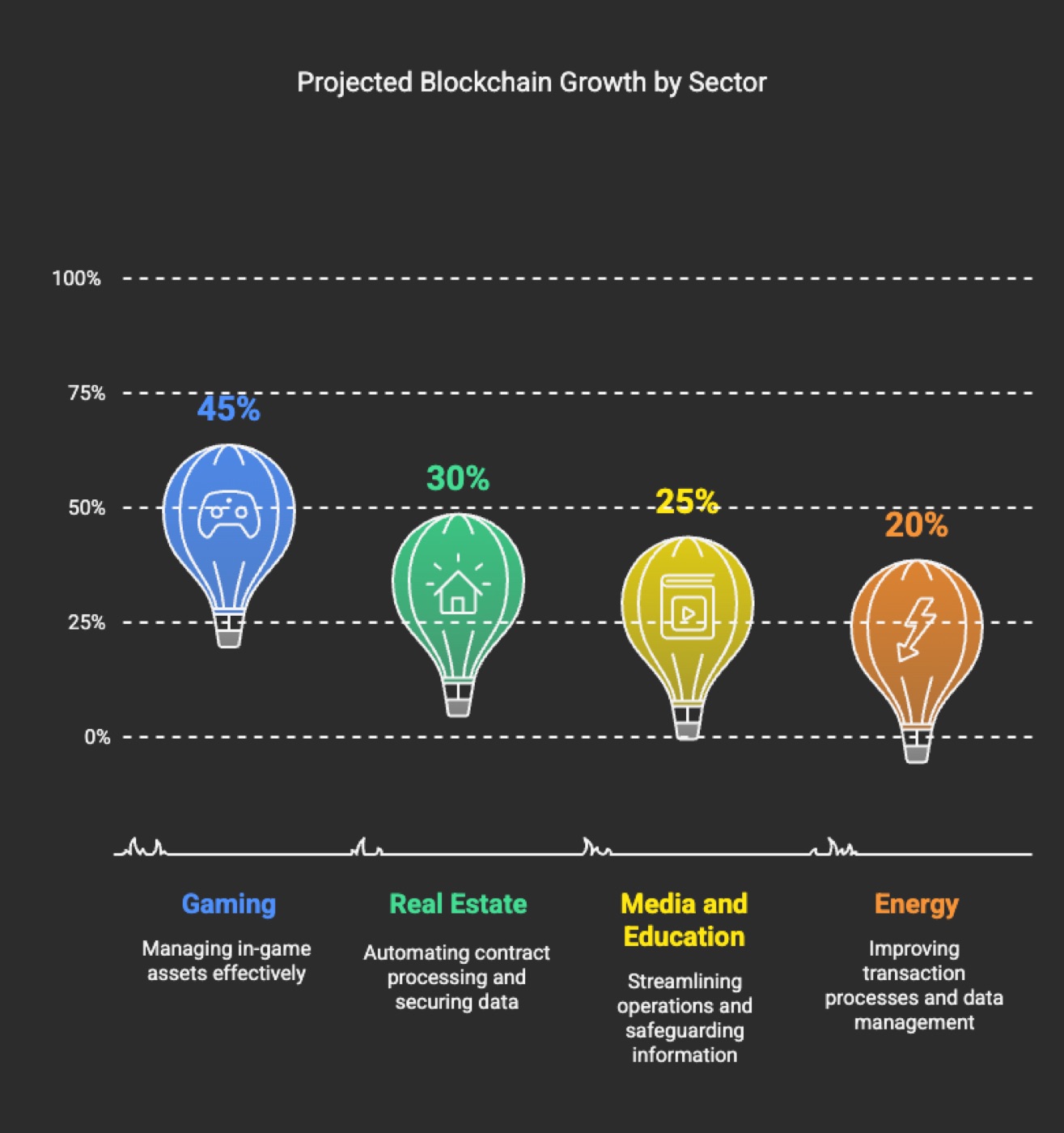
Projected Blockchain Growth by Sector
The blockchain industry is on the brink of significant expansion. Experts predict a staggering growth rate, with the global market expected to reach $152 billion by 2029. This surge is driven by the increasing need for systems that enhance data integrity and transaction speed. As industries continue to explore these systems, the gaming sector is poised to see a 45% increase in adoption by the end of 2024. This growth is largely due to the need for managing in-game assets more effectively.
Real estate is another sector set to benefit. The ability to automate contract processing and secure data storage is transforming how transactions are conducted. Media and education sectors are also exploring these systems for their potential to streamline operations and safeguard information. Energy companies are looking into these systems to improve transaction processes and data management.
The development of interoperability is a game-changer, enabling different systems to work together seamlessly. This capability is expected to drive adoption rates even higher, as it allows for more integrated and efficient operations across various platforms. As these systems evolve, they promise to reshape industries and solve modern challenges, paving the way for a new era of technological advancement.
Further reading: ISO 20022 readiness · ISO 20022 isn’t done