Crypto Payment Gateway Integration: A Step-by-Step Guide
How to choose, integrate and secure a crypto payment gateway: provider selection, security, AML and KYC, volatility and the metrics to track after launch.

As digital currencies continue to gain mainstream attention, businesses are exploring ways to expand their payment options. Integrating crypto payment gateways can help businesses cater to a broader customer base, improve transaction efficiency, and enhance security. This guide explores how businesses can successfully integrate crypto payment gateways, along with key challenges and strategies for implementation.
Understanding Payment Gateways
What is a Payment Gateway?
A payment gateway is a digital service that authorizes and facilitates secure transactions between merchants and customers. It plays a critical role in transferring payment data from the customer’s payment method (credit card, debit card, etc.) to the merchant's account.
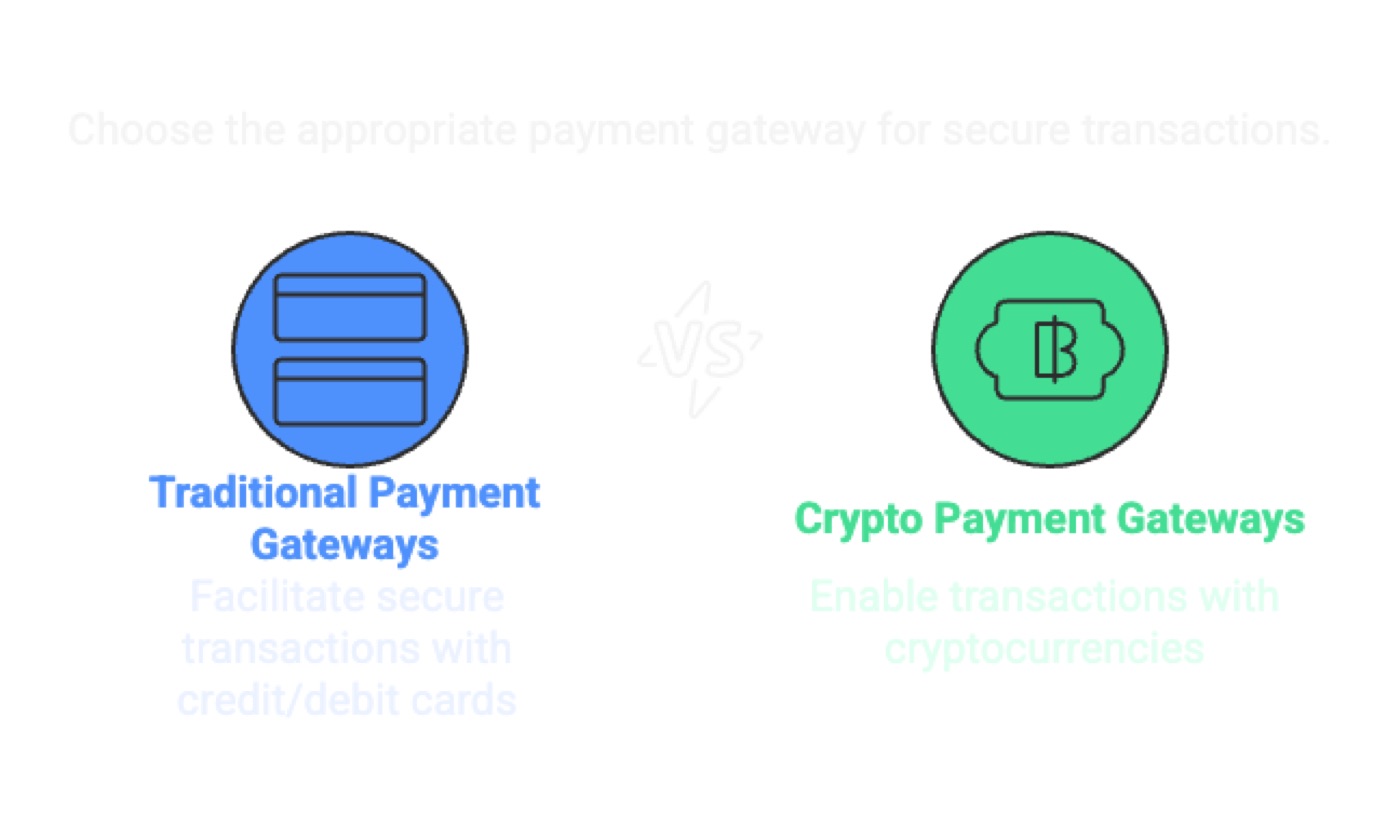
Traditional Payment Gateways
- Examples: PayPal, Stripe, Square
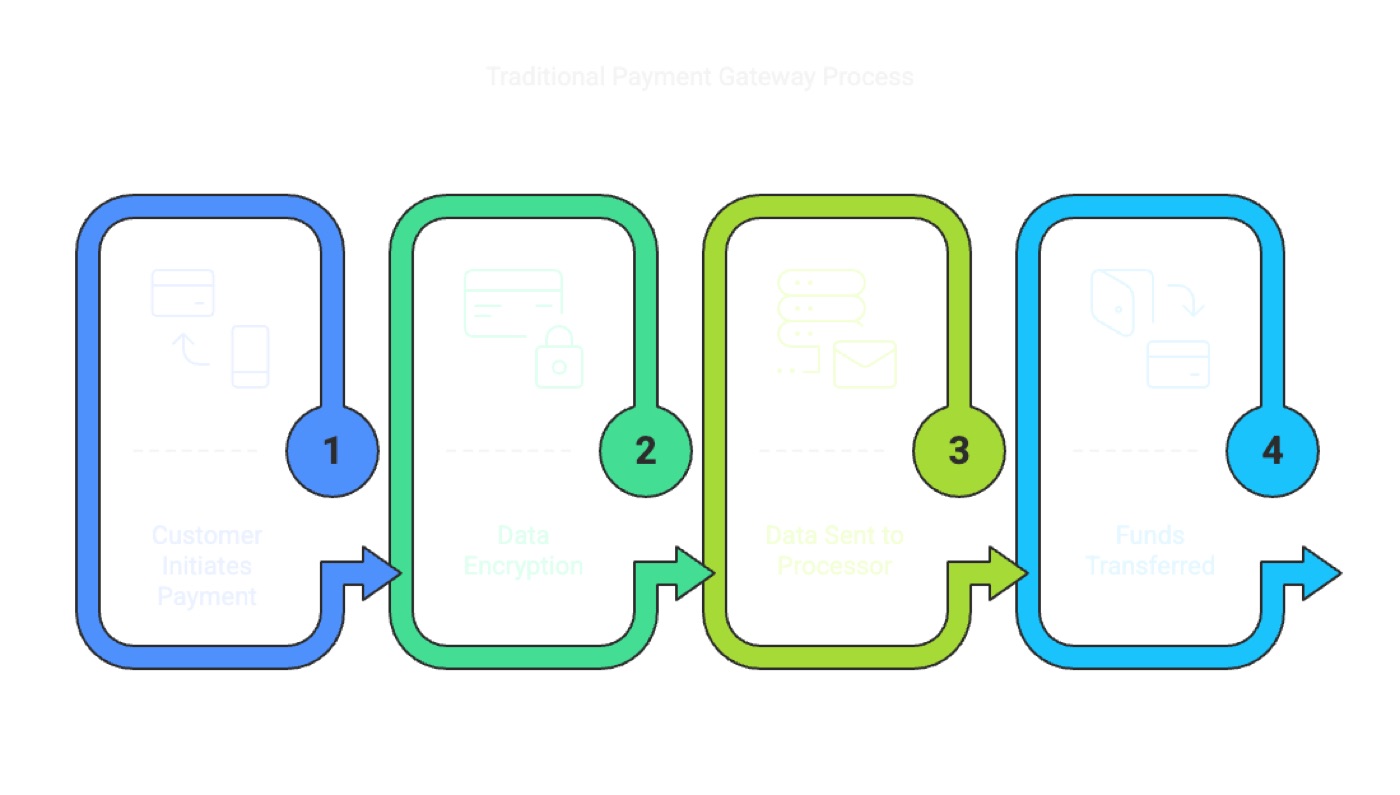
- Process: Customer initiates payment ➔ Data is encrypted and sent to the payment processor ➔ Funds are transferred to the merchant’s account.
Key Features of Traditional Gateways
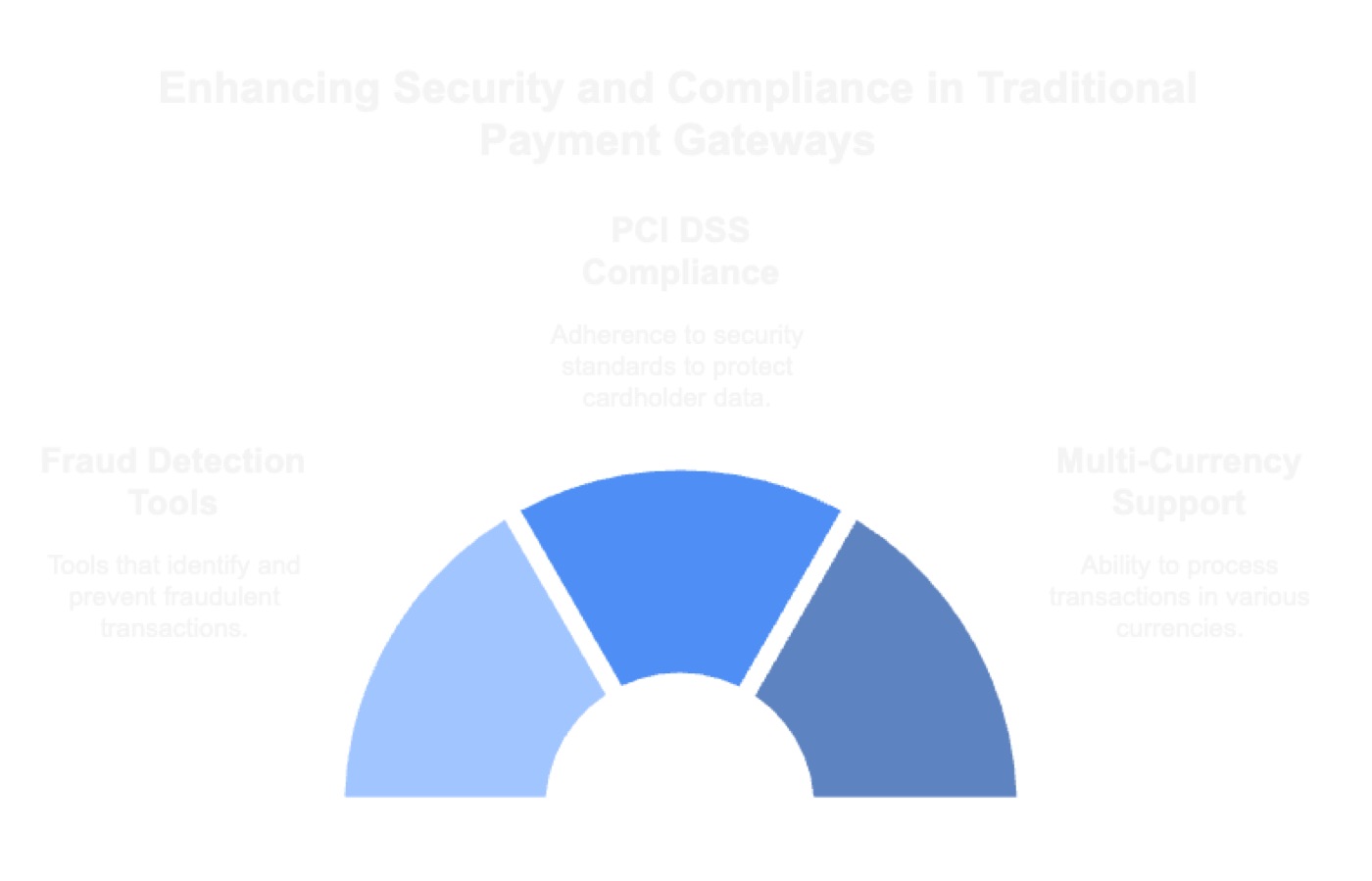
- Fraud detection tools
- PCI DSS (Payment Card Industry Data Security Standard) compliance
- Multi-currency support
Crypto Payment Gateways
What is a Crypto Payment Gateway?
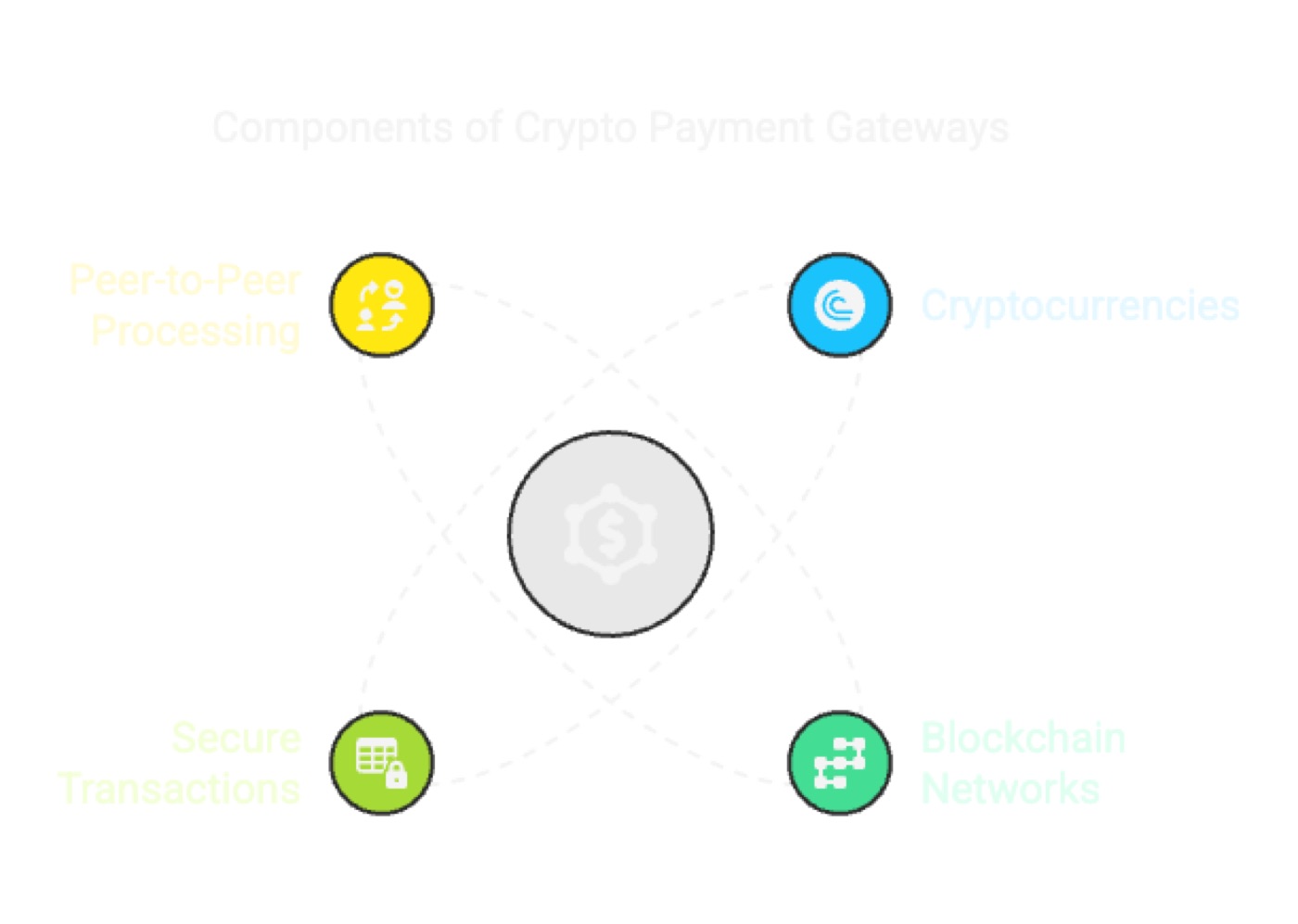
A crypto payment gateway enables businesses to accept cryptocurrencies like Bitcoin, Ethereum, and stablecoins. These gateways process transactions on blockchain networks, providing secure, peer-to-peer payment processing.
Differences from Traditional Gateways
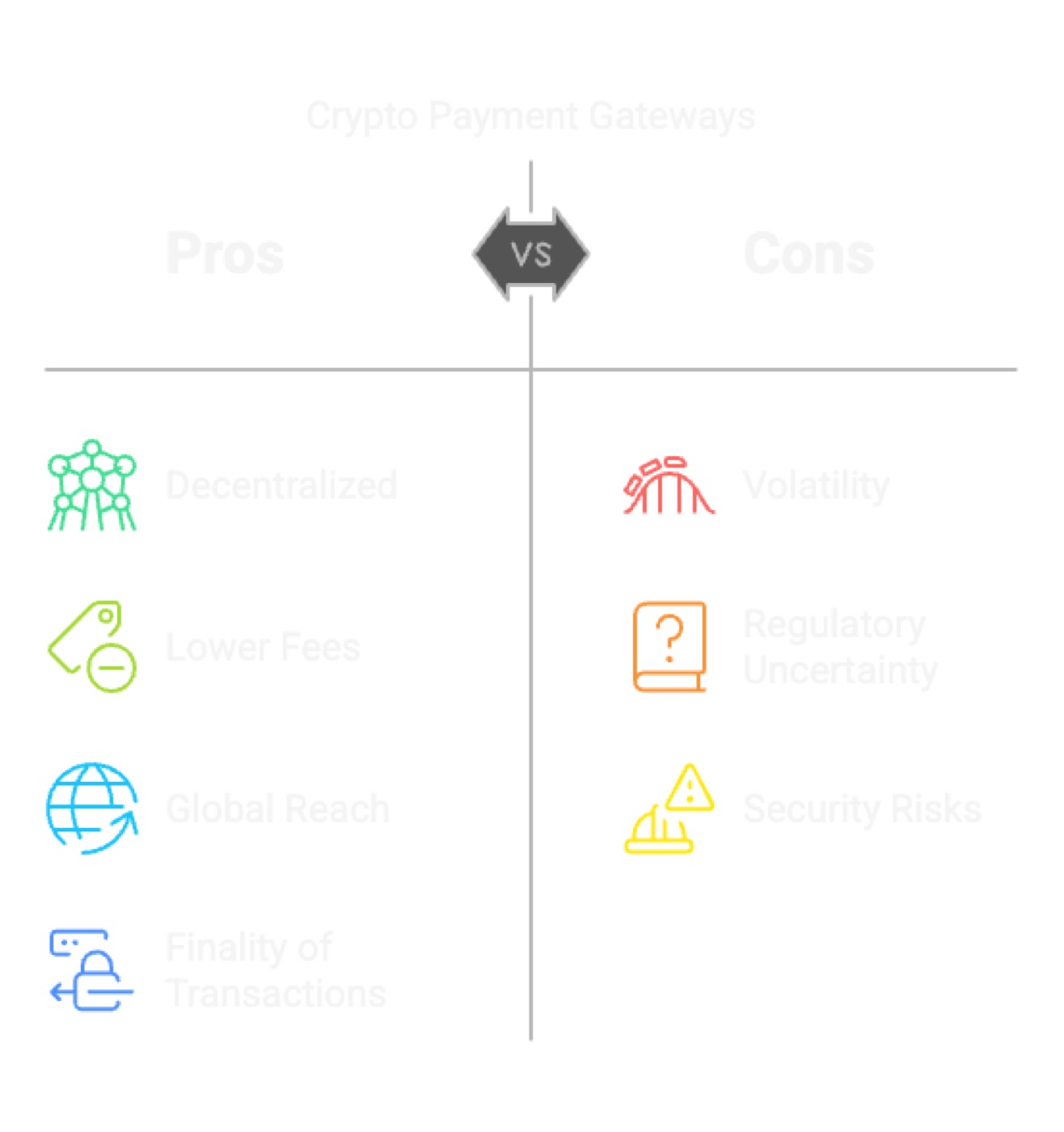
- Decentralized: No intermediaries are required, ensuring faster settlement.
- Lower Fees: Crypto networks often charge lower transaction fees.
- Global Reach: Cryptocurrencies simplify cross-border payments.
- Finality of Transactions: Blockchain transactions are irreversible, reducing chargeback risks.
Integration Process
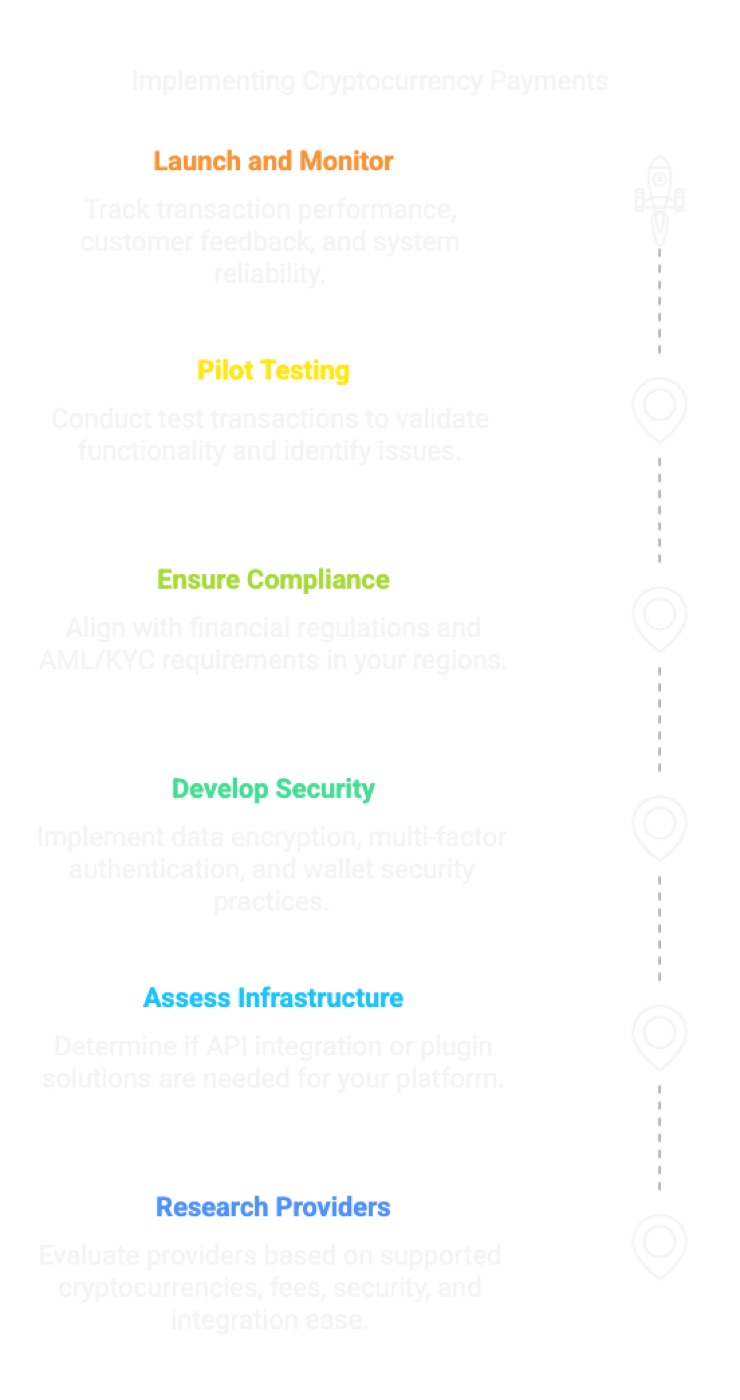
Step 1: Research and Select Providers
- Evaluate providers based on supported cryptocurrencies, fees, security features, and integration ease.
Step 2: Assess Infrastructure Needs
- Identify whether your platform requires API integration or plugin solutions (e.g., Shopify, WooCommerce).
Step 3: Develop Security Measures
- Implement data encryption, multi-factor authentication, and wallet security practices.
Step 4: Ensure Compliance
- Align with financial regulations and AML/KYC requirements in your operating regions.
Step 5: Pilot Testing
- Conduct test transactions to validate functionality and identify issues before launching.
Step 6: Launch and Monitor
- Track transaction performance, customer feedback, and system reliability to optimize the payment experience.
Security Considerations
Key Security Practices
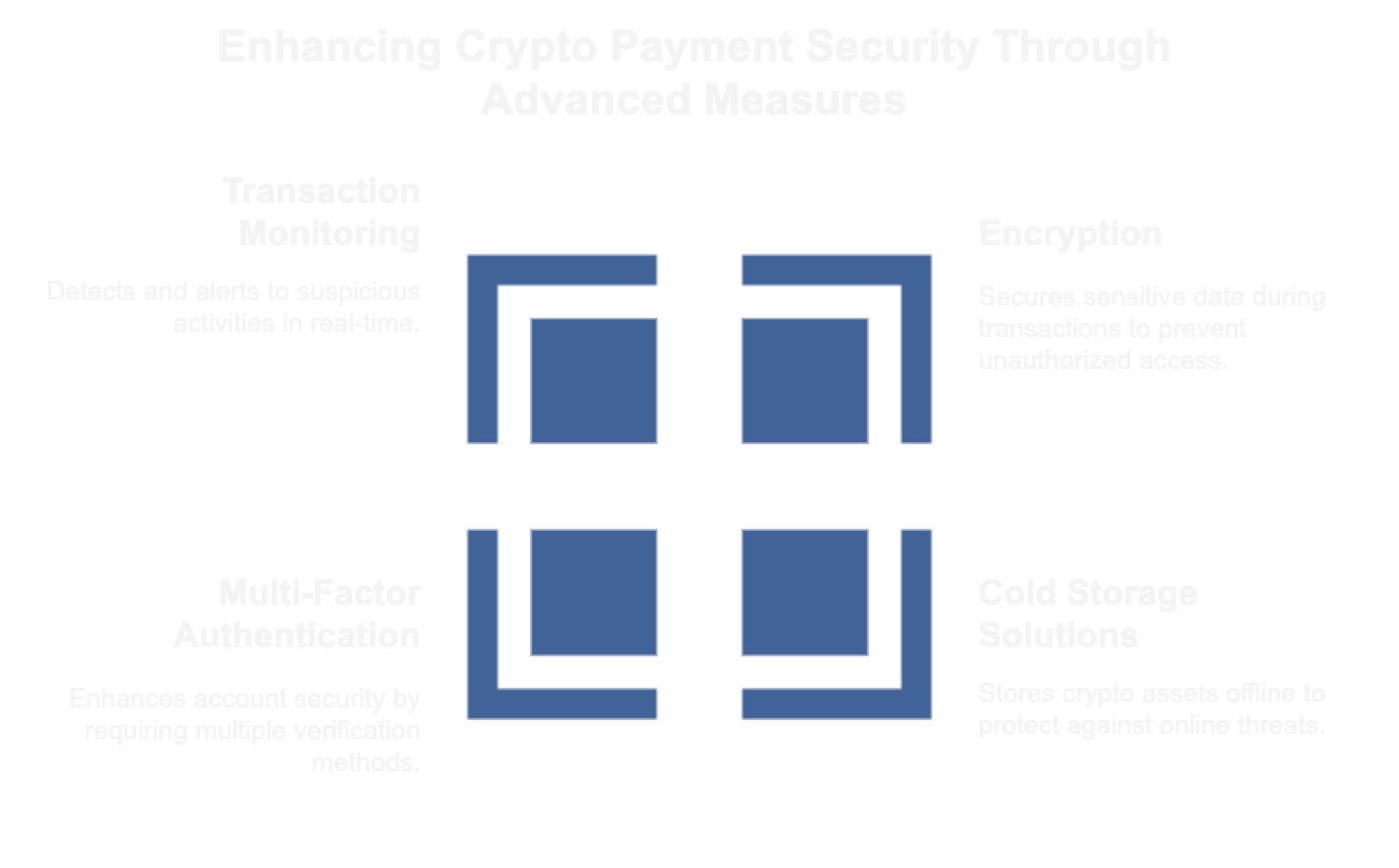
- Encryption: Encrypt sensitive customer data during transactions.
- Cold Storage Solutions: Store company-held crypto assets in offline wallets for added security.
- Multi-Factor Authentication (MFA): Ensure admin and customer accounts have MFA enabled.
- Transaction Monitoring: Set up real-time monitoring tools to detect suspicious activity.
Regulatory Compliance
Legal and Regulatory Considerations
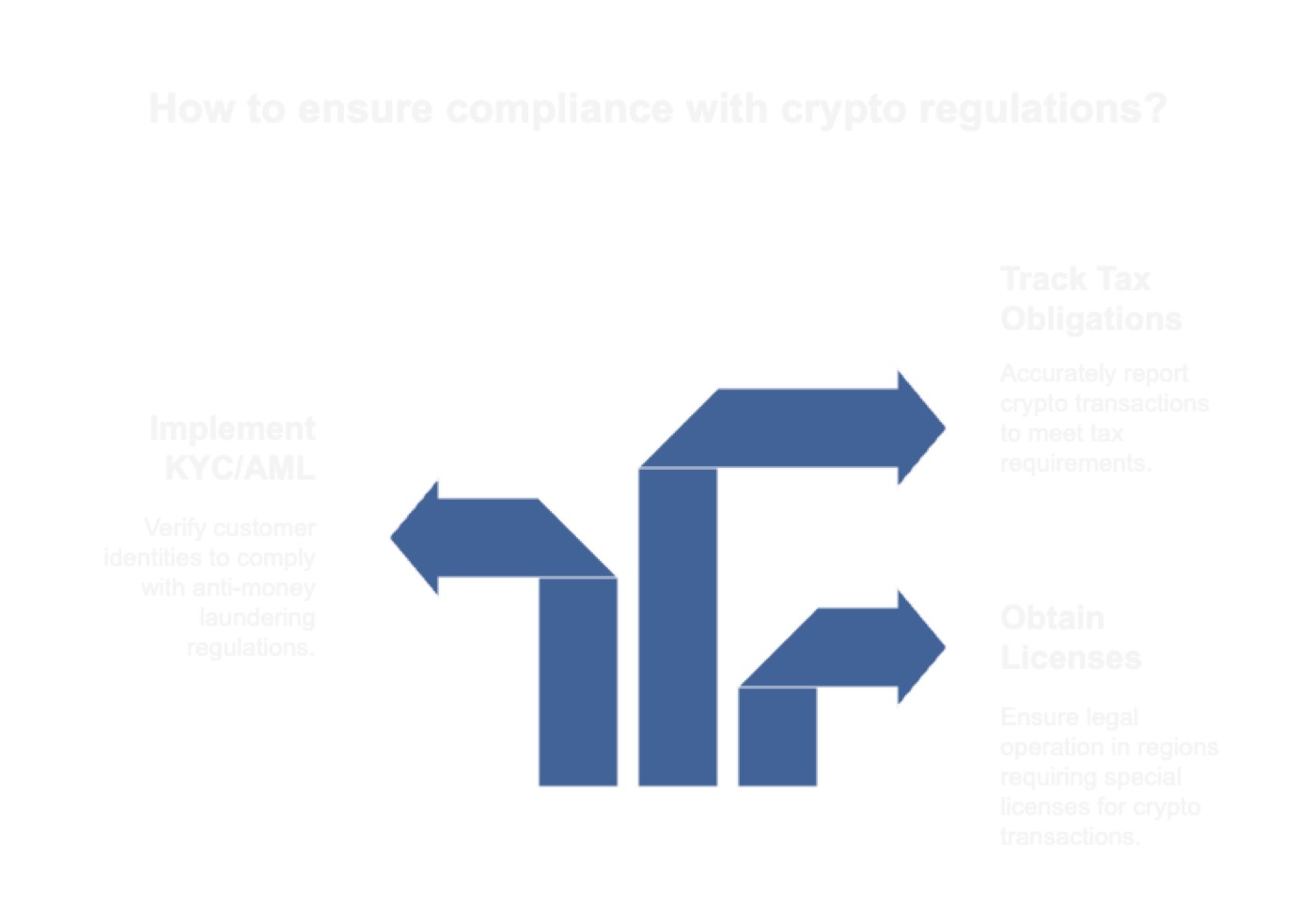
- Licensing: Some regions require special licenses for businesses handling crypto transactions.
- KYC/AML Compliance: Implement customer verification processes to meet anti-money laundering regulations.
- Tax Obligations: Track crypto transactions to ensure accurate tax reporting.
Consulting legal professionals familiar with digital asset regulations is vital for ensuring compliance.
Potential Challenges
Common Roadblocks
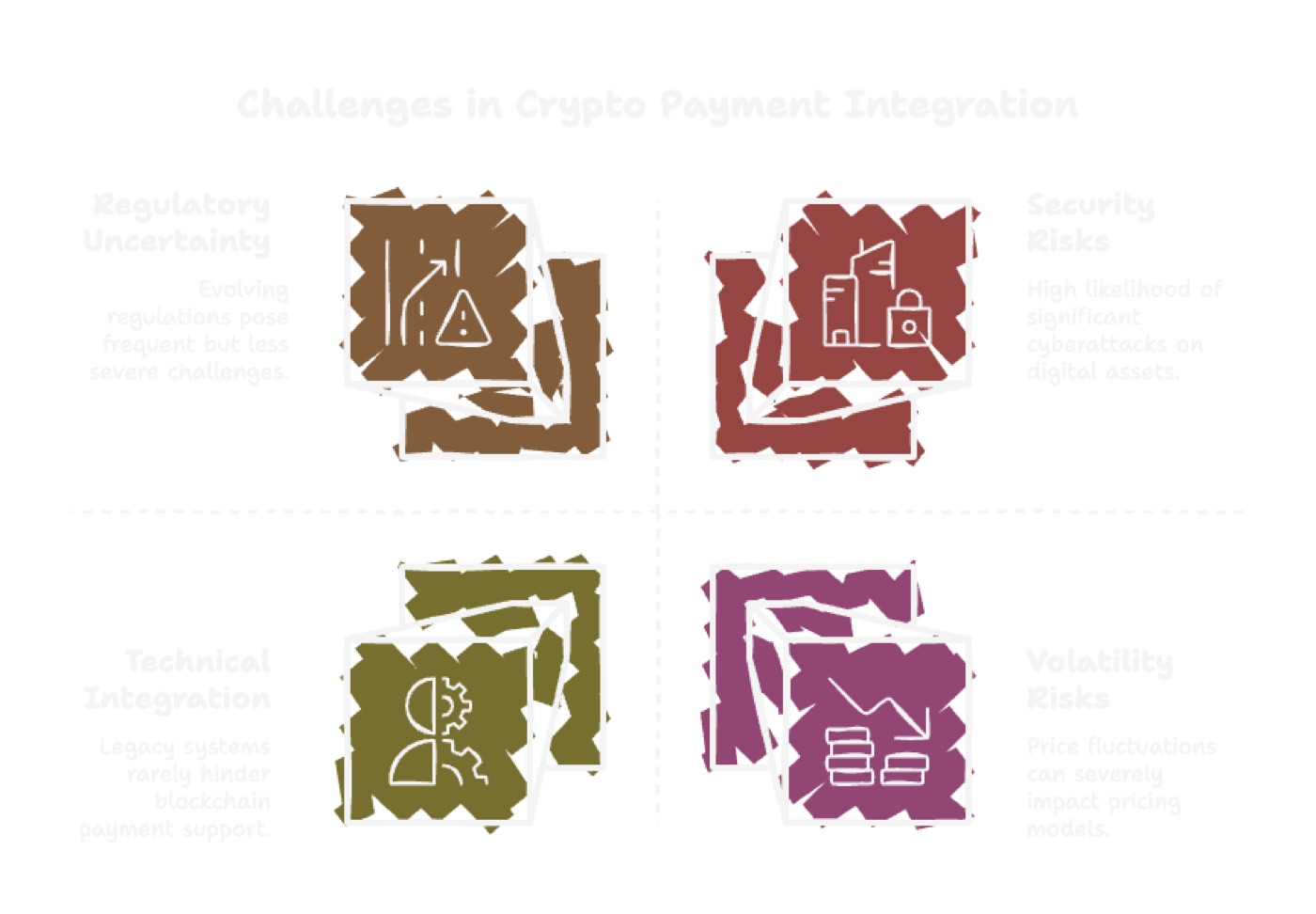
- Technical Integration: Legacy infrastructure may struggle to support blockchain-based payments.
- Security Risks: Digital assets are prime targets for cyberattacks.
- Regulatory Uncertainty: Crypto regulations are evolving and vary by jurisdiction.
- Volatility Risks: Crypto prices can fluctuate significantly, impacting pricing models.
Solutions and Strategies
Key Strategies for Success
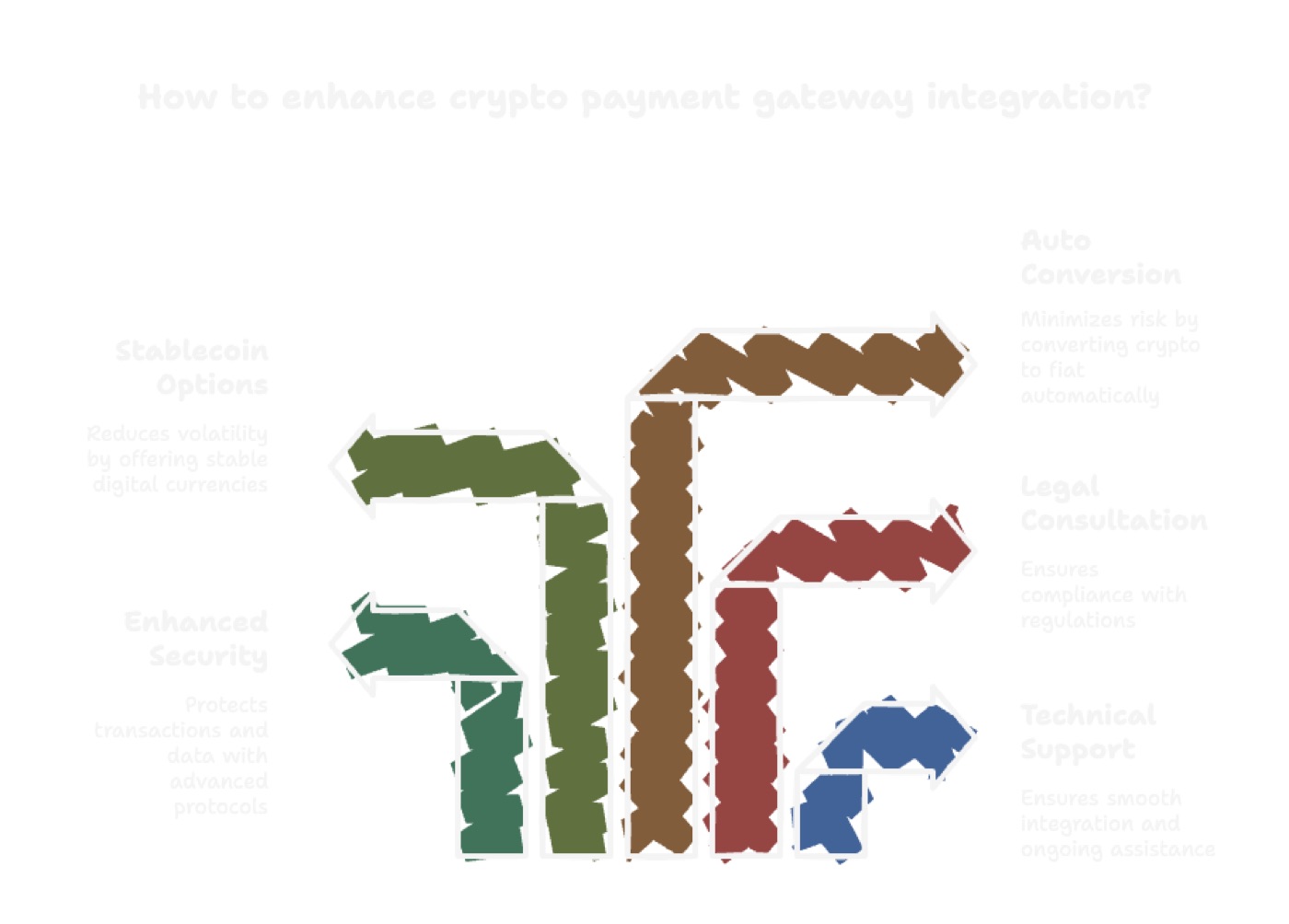
- Technical Support: Choose a gateway provider offering extensive integration support.
- Enhanced Security Protocols: Use encryption, cold storage, and MFA to secure crypto transactions.
- Legal Consultation: Engage legal experts to ensure compliance with local and global regulations.
- Stablecoin Options: Offering stablecoins like USDC or DAI can mitigate price volatility.
- Auto Conversion Services: Gateways like BitPay offer automatic conversion of crypto to fiat to minimize risk.
Evaluation and Performance Tracking
Key Metrics for Success
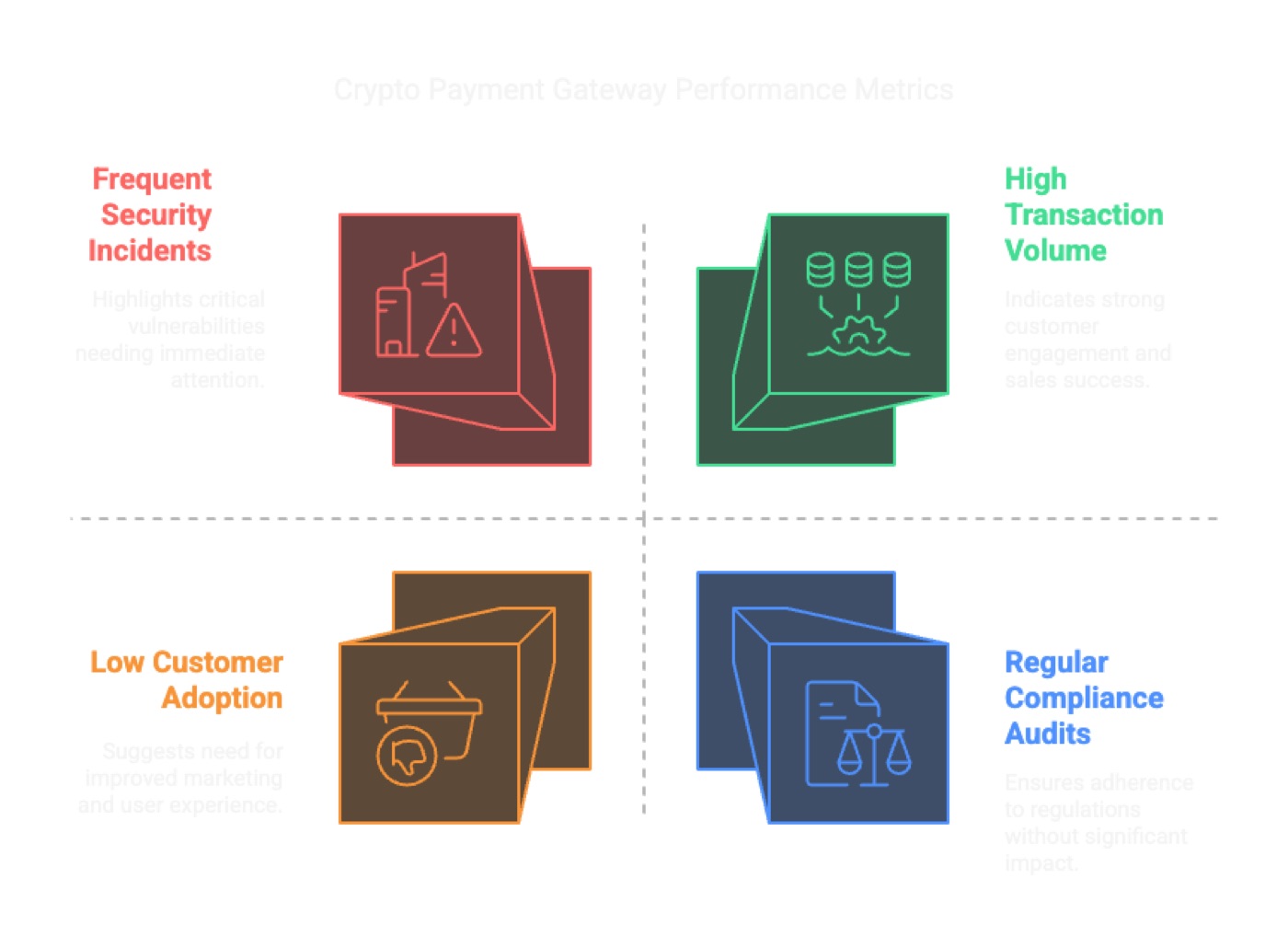
- Transaction Volume: Track crypto payments as a percentage of total sales.
- Customer Adoption Rates: Measure customer interest and engagement.
- Security Incidents: Monitor potential threats and breaches.
- Compliance Audits: Regular reviews ensure you stay aligned with crypto regulations.
Reflection and Adaptation
Continuous Improvement Strategies
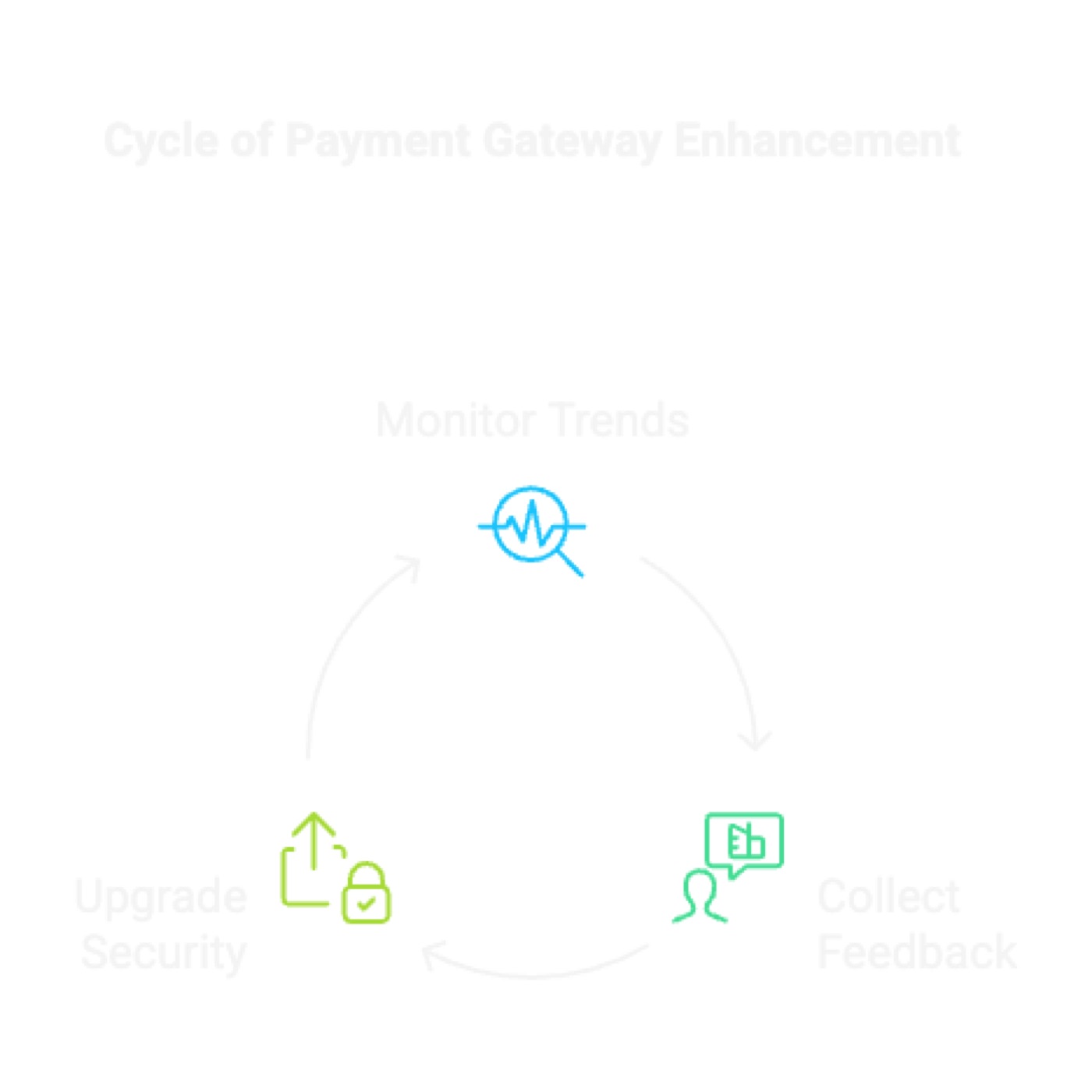
- Monitor Emerging Trends: Crypto technology and regulations evolve rapidly.
- Collect Customer Feedback: Identify pain points and improve payment experiences.
- Upgrade Security Protocols: Proactively improve security to stay ahead of threats.
Conclusion
Integrating crypto payment gateways can provide businesses with greater flexibility, improved security, and access to a broader global customer base. By understanding the benefits, challenges, and implementation strategies, businesses can confidently adopt these innovative solutions to enhance their payment systems.
Further reading: VARA inspection readiness · Supervisors want evidence, not policies