Crypto in Developing Nations: Inclusion, Remittances, Risk
How cryptocurrencies are used in developing countries for remittances, savings and financial inclusion, and the regulatory and volatility risks.

Introduction
Cryptocurrencies are reshaping financial landscapes in developing nations by offering new avenues for economic participation and stability. As digital currencies gain traction, they provide opportunities for economic growth and social inclusion. This article explores how these currencies are transforming regions that have traditionally been underserved by conventional financial systems.
Fundamentals of Cryptocurrency
Cryptocurrencies are digital forms of money. They use cryptography to secure transactions and control new unit creation. Unlike traditional currencies, they operate on a decentralized system, meaning no single entity controls them. This system is called a blockchain. It is a distributed ledger spread across multiple computers, which makes it difficult to alter past transactions.
Bitcoin is the most well-known cryptocurrency. However, there are many others, like Ethereum, Ripple, and Litecoin. Each has unique features and uses. For example, Ethereum supports smart contracts, which are programs that automatically execute actions when certain conditions are met. Ripple focuses on fast, low-cost international payments.
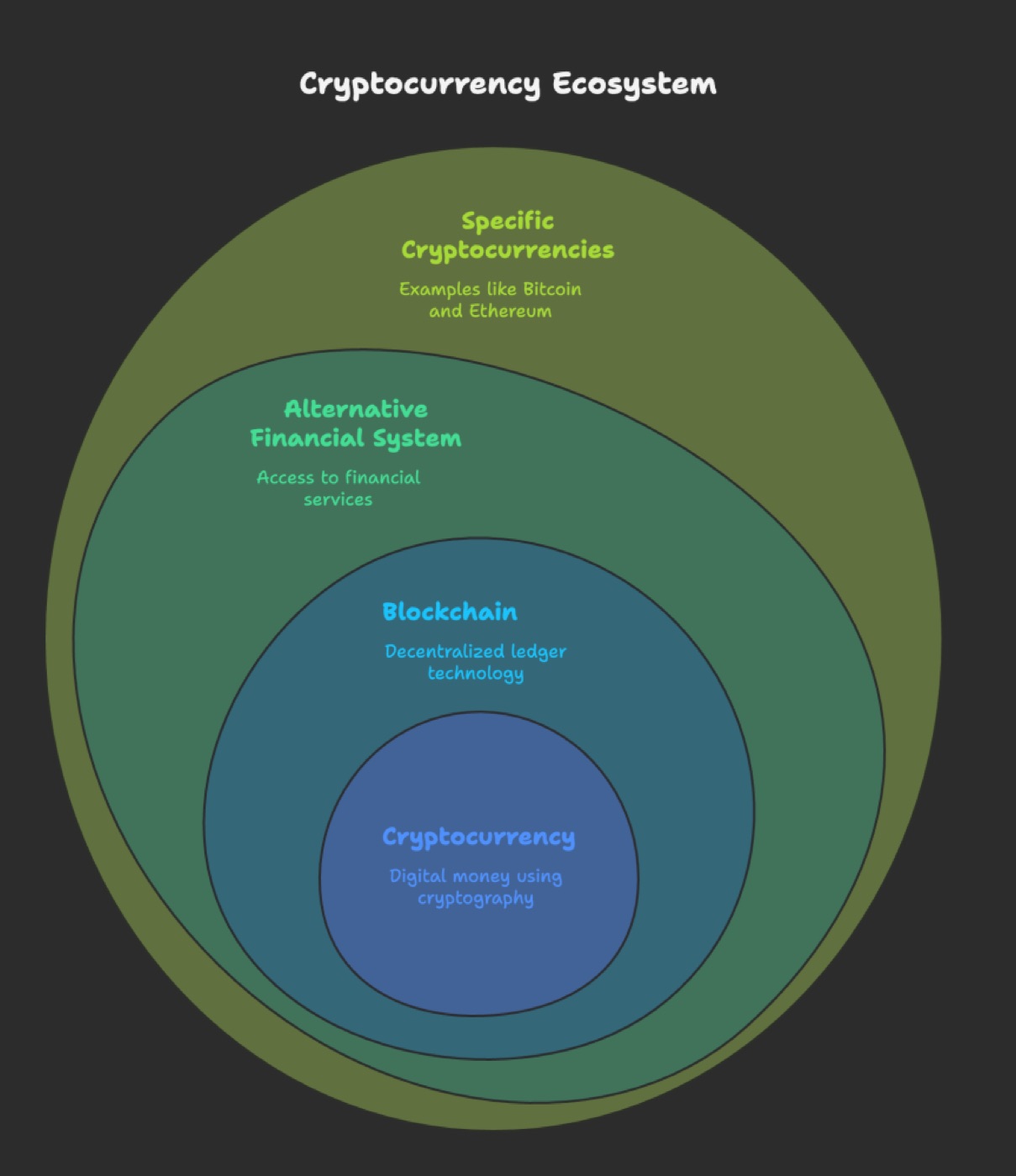
Cryptocurrencies offer an alternative to traditional financial systems. They can be accessed by anyone with an internet connection. This is particularly beneficial in regions where traditional banking infrastructure is lacking. By understanding these fundamentals, one can see how cryptocurrencies are reshaping financial landscapes, especially in developing nations.
Advanced Aspects of Cryptocurrency
Cryptocurrencies are opening doors for those without access to traditional banking. Around 1.4 billion people remain unbanked globally. Digital currencies offer a lifeline by providing financial services without the need for a bank account. This is especially beneficial in areas with limited banking infrastructure. Cryptocurrencies break down barriers like high costs and lack of documentation, making financial inclusion more attainable.
Transaction fees and times are another area where cryptocurrencies shine. Traditional cross-border transactions can be slow and expensive. In contrast, digital currencies can significantly reduce these costs and speed up transfers. For example, remittances can be processed almost instantly, saving billions annually in emerging nations. This efficiency is crucial for individuals relying on remittances as a primary income source.
Smart contracts are changing the way agreements are made. These self-executing contracts ensure that all parties fulfill their obligations. They operate on a decentralized network, removing the need for intermediaries. This not only speeds up processes but also reduces costs, making it easier for small businesses to engage in global trade.
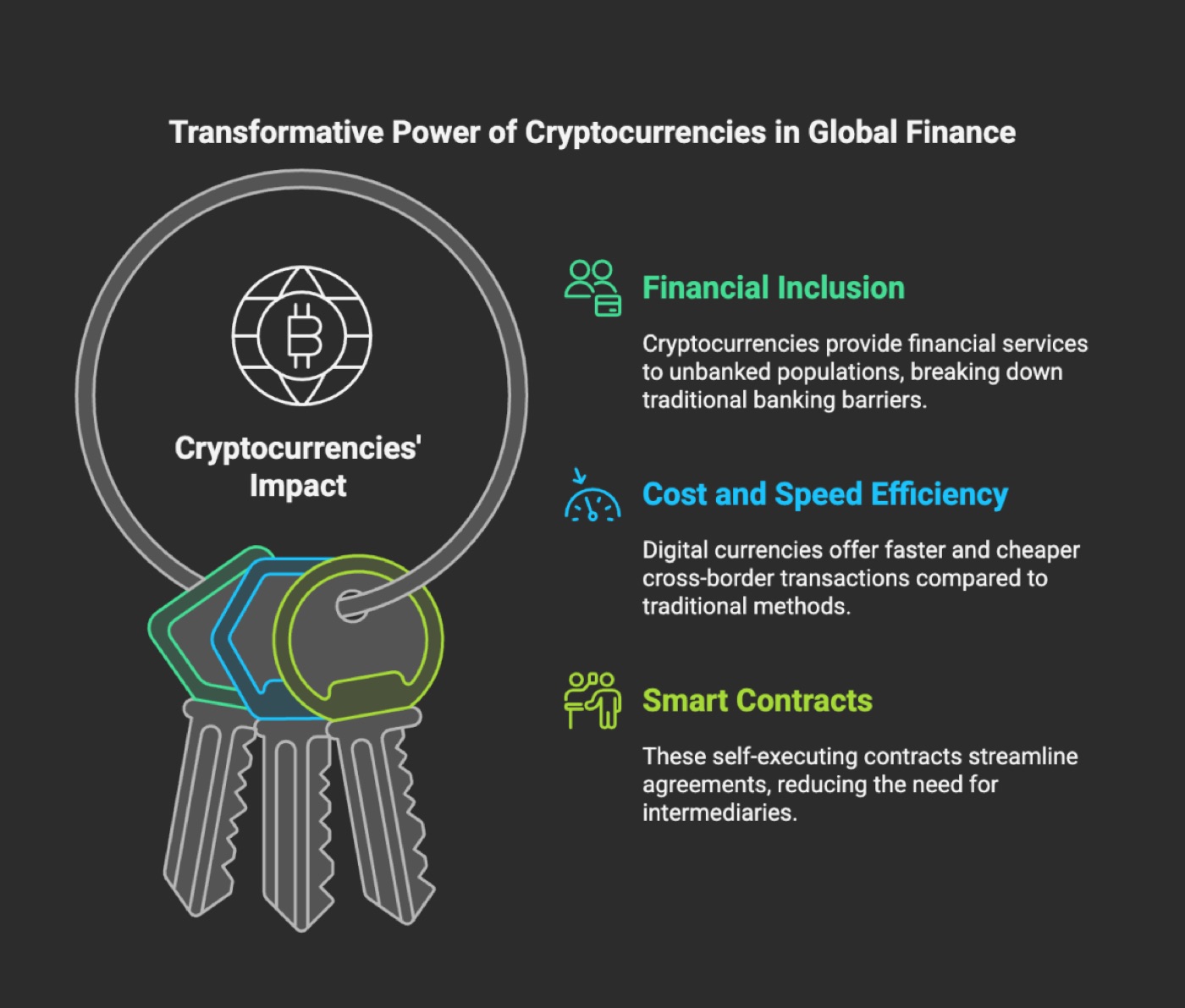
In summary, cryptocurrencies are transforming financial access and transaction processes. They offer solutions to longstanding challenges in developing nations. As digital currencies continue to evolve, their impact on economic participation and stability is expected to grow.
Practical Examples
Cryptocurrencies are making waves in developing countries, offering solutions to long-standing financial issues. In Venezuela, Bitcoin has become a vital tool for preserving wealth. With the national currency facing severe devaluation, many citizens turn to Bitcoin to protect their savings from inflation. This shift provides a stable alternative in a volatile economic environment.
In Kenya, BitPesa is transforming cross-border payments. Traditional methods are often slow and expensive. BitPesa offers a faster and more affordable option. This service enables businesses and individuals to send money across borders with ease, supporting economic growth and connectivity.
Small businesses in developing nations are also benefiting. Cryptocurrencies enable these enterprises to engage in global trade without the hurdles of traditional banking. By offering accessible transactions, digital currencies empower small businesses to expand their reach and compete on a larger scale.
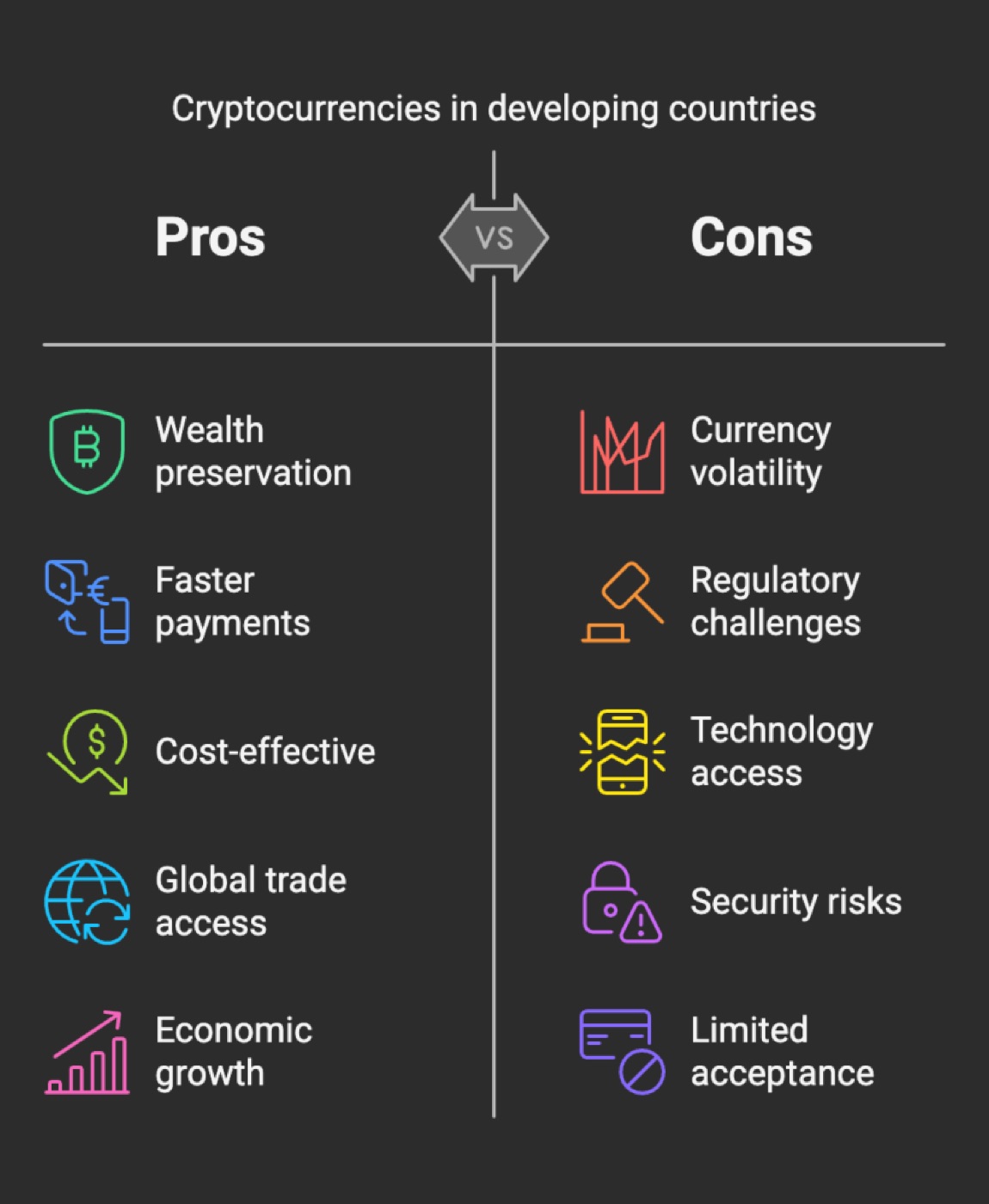
These examples highlight the real-world impact of digital currencies. They show how cryptocurrencies can address financial challenges and open new opportunities for economic participation in developing regions.
Addressing Common Misconceptions
Cryptocurrencies often face skepticism. Many associate them with illegal activities. However, the reality is different. Most digital currency transactions are legitimate. They serve as a tool for economic empowerment.
The complexity of cryptocurrencies also deters some users. This is changing rapidly. User-friendly applications are emerging. These apps simplify the process. They make it easier for everyday users to engage with digital currencies.
Education plays a crucial role. As more people learn about digital currencies, misconceptions fade. Understanding their potential benefits is key. This knowledge helps in making informed decisions.
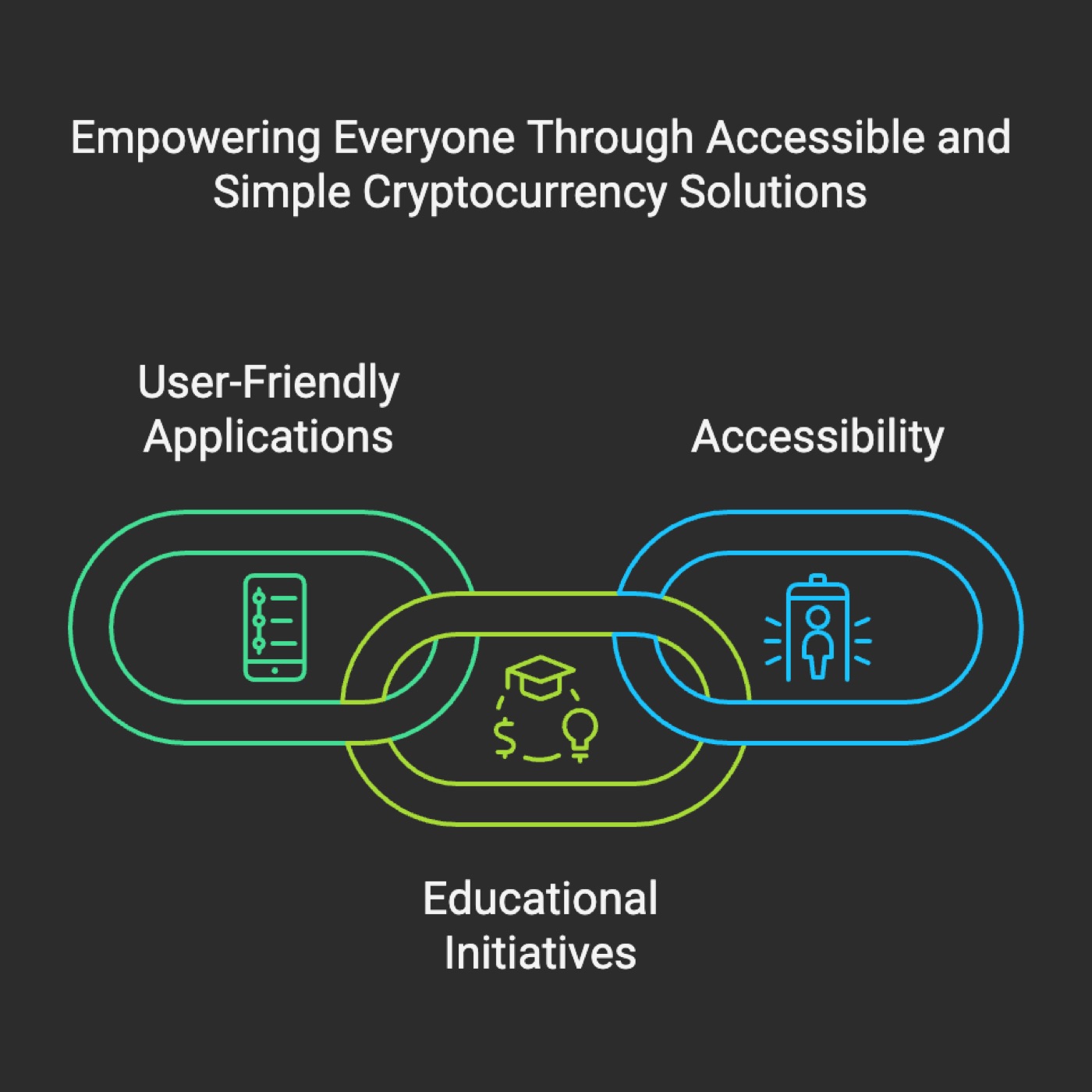
Cryptocurrencies are not just for tech enthusiasts. They are becoming accessible to everyone. With the right tools and information, anyone can participate. This shift is crucial for broader adoption and acceptance.
Latest Developments
Stablecoins are gaining traction as they offer a more stable form of digital currency. They are linked to stable assets like the US dollar, reducing the volatility often seen with other cryptocurrencies. This makes them particularly appealing in regions where economic instability is a concern. Facebook's Diem project aims to make these digital currencies more accessible worldwide, potentially transforming how people engage with money.
Central banks are also exploring digital currencies, known as Central Bank Digital Currencies (CBDCs). Over 100 governments are investigating how these digital forms of national currency can enhance financial systems. They are looking to reduce transaction costs and improve financial inclusion, especially in developing countries.
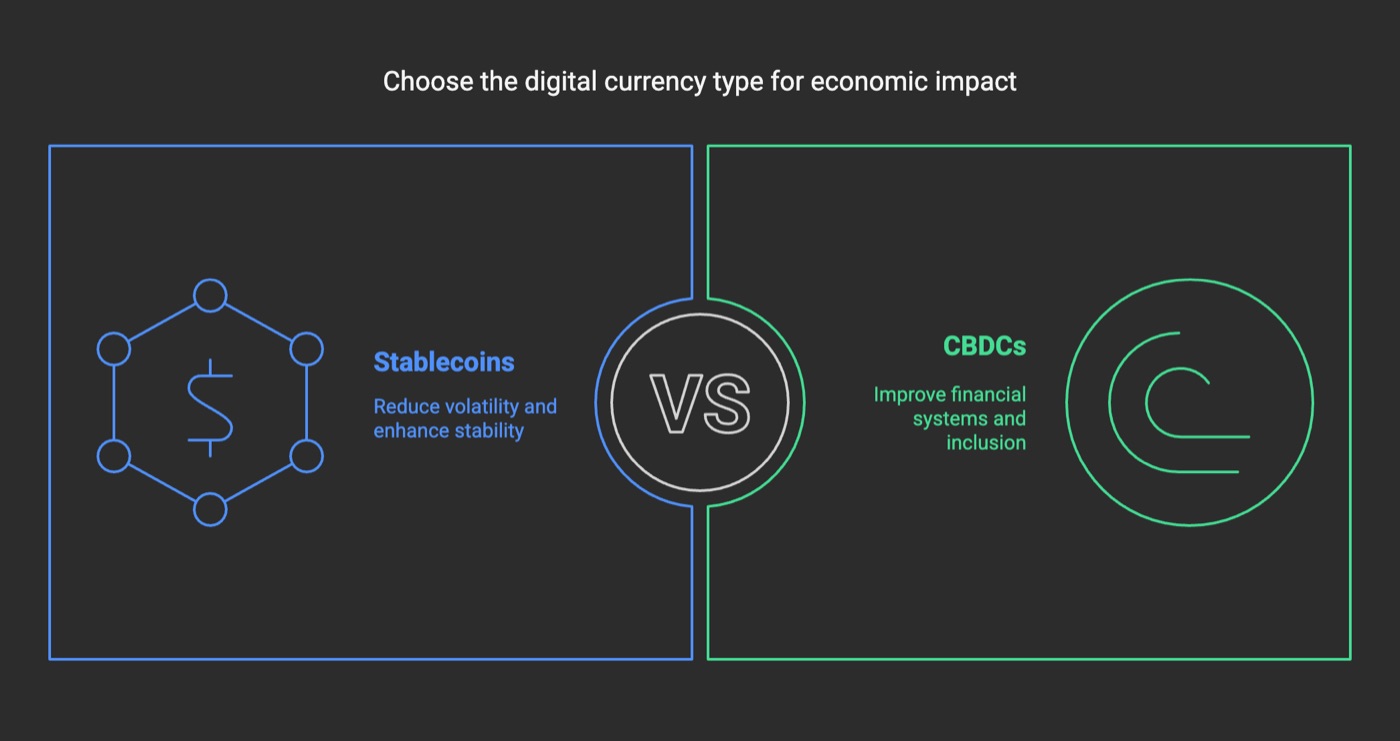
These developments indicate a significant shift in how global financial systems may operate in the future. As stablecoins and CBDCs continue to evolve, they could play a crucial role in economic systems, offering new ways for people and businesses to engage economically. The ongoing exploration and adoption of these currencies suggest a future where digital money could become a standard part of everyday life.
Financial Inclusion
The financial world is undergoing a transformation. In developing nations, cryptocurrencies are opening doors for those left out by traditional banking. According to the World Bank, around 1.4 billion people remain unbanked globally. This is a significant challenge, especially in developing regions. Cryptocurrencies are stepping in to fill this gap.
Traditional banking has many barriers. People often face issues like lack of documentation and high costs. Cryptocurrencies offer a solution. They provide a way to access financial services without needing a bank account. This is crucial for those with limited financial infrastructure. With just a smartphone and internet access, individuals can participate in the digital economy.
While exact numbers are hard to pin down, the impact is undeniable. Cryptocurrencies are making financial services more accessible. They allow people to send and receive money quickly and affordably. This is particularly beneficial in areas where banking infrastructure is lacking.
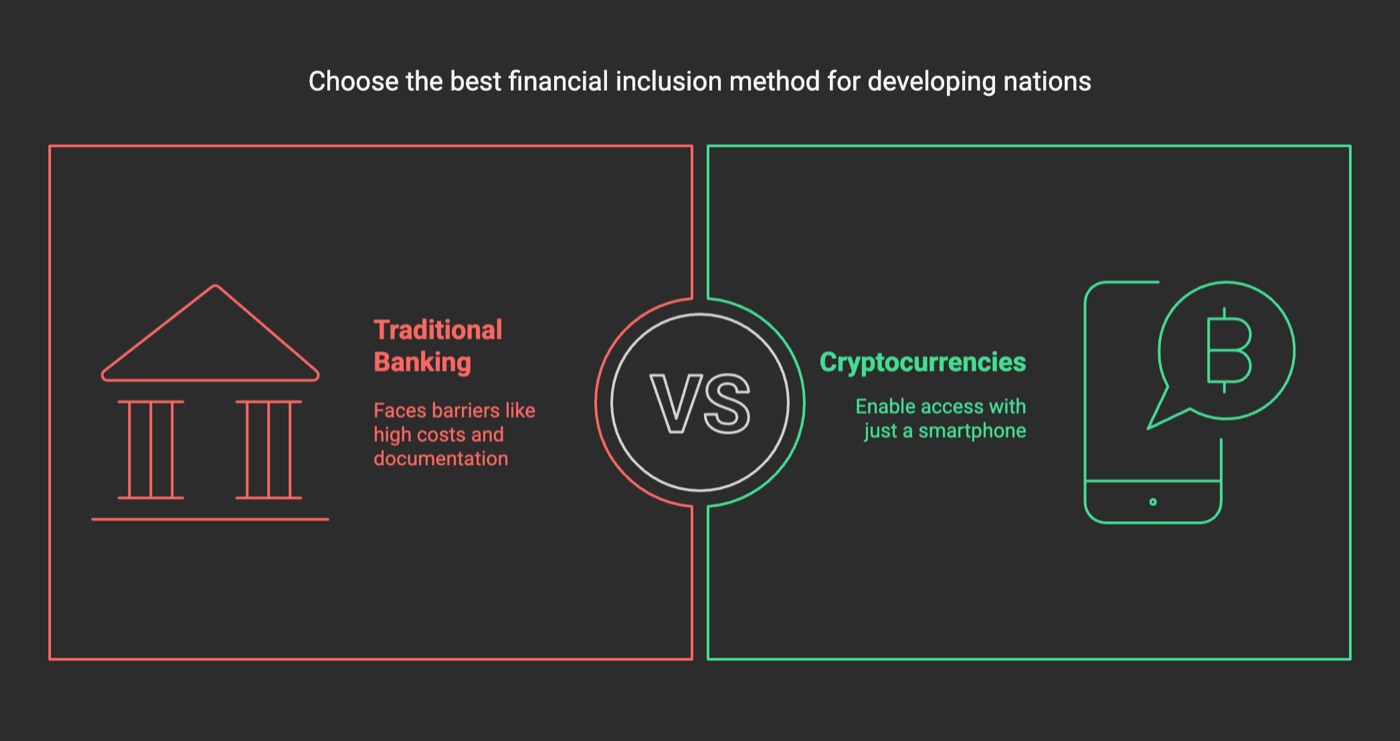
The rise of digital currencies is not just about technology. It's about inclusion and opportunity. By addressing traditional banking barriers, cryptocurrencies are empowering individuals. They are helping people gain financial independence and stability. As more people gain access, the potential for economic growth in these regions increases.
Transaction Costs and Speed
Cryptocurrencies have revolutionized cross-border transactions by slashing costs. Traditional money transfers often come with hefty fees, sometimes reaching 10% for a $200 transfer. In contrast, digital currencies can save emerging nations around $30 billion annually by reducing these fees. This is a game-changer for individuals and businesses alike.
Speed is another significant advantage. Cryptocurrency transactions are almost instantaneous. They bypass the lengthy processes of traditional banking, which can take days or even weeks. This efficiency is particularly beneficial for international remittances, providing a quick way to send money across borders.
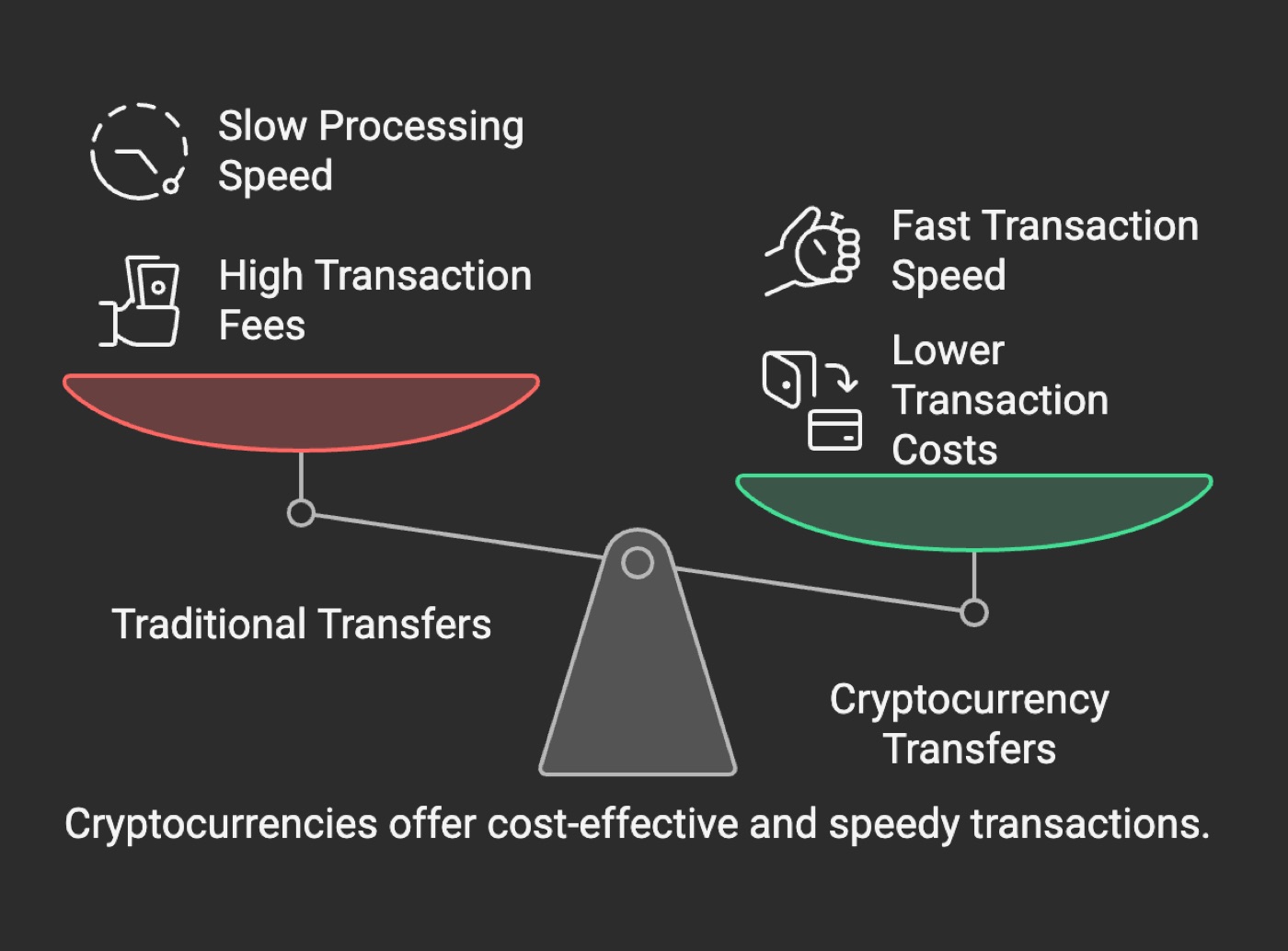
The potential annual savings for diaspora residents are substantial. By using digital currencies, they can retain more of their hard-earned money. This financial retention supports local economies and enhances financial stability in developing regions. As these technologies continue to evolve, the benefits are likely to grow, offering even greater savings and speed in the future.
Economic Stability and Corruption
Cryptocurrencies are emerging as a refuge in countries plagued by high inflation. In nations like Venezuela and Zimbabwe, digital currencies such as Bitcoin offer a way to preserve wealth. They present an alternative to unstable national currencies, helping individuals protect their savings from devaluation. This shift is crucial for maintaining economic stability in regions where traditional money loses value rapidly.
Blockchain's inherent characteristics also play a pivotal role in combating corruption. Its design ensures that transactions are both traceable and tamper-proof. Although there isn't a specific estimate for the reduction in corruption-related losses, the potential impact is substantial. By making financial activities more transparent, blockchain can deter fraudulent practices and promote accountability.
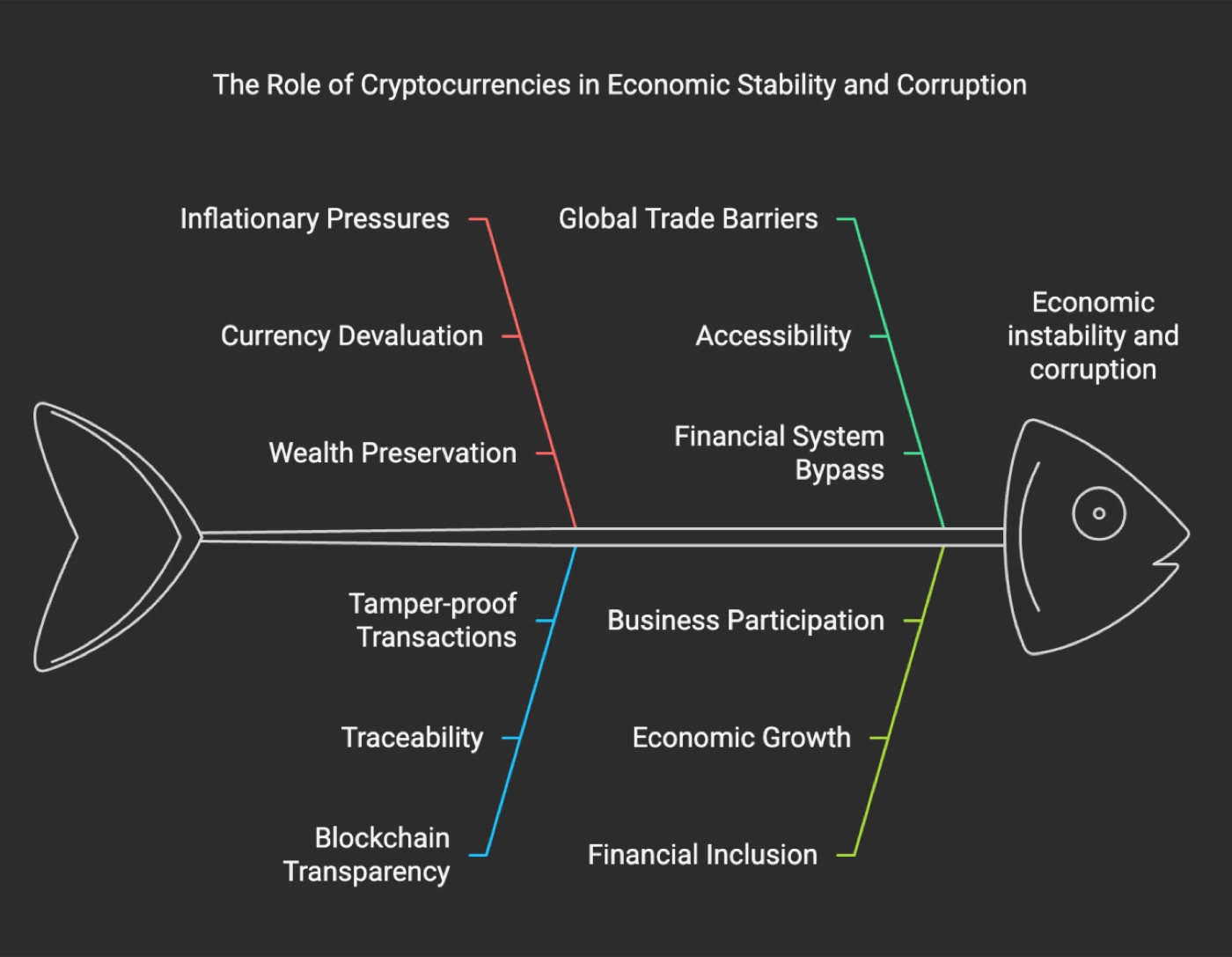
Small businesses, particularly in developing countries, benefit significantly from cryptocurrencies. These digital currencies facilitate global trade by providing a more accessible means of conducting international transactions. They help businesses bypass some of the barriers imposed by conventional financial systems, enabling them to participate more fully in the global economy. This increased participation can drive economic growth and foster a more inclusive financial environment.
Digital Identity and Financial Services
In many parts of the world, millions lack formal identification documents. This absence restricts their access to essential financial services. However, blockchain offers a solution by enabling digital identities. These digital identities can be used to access financial services without the need for traditional paperwork.
With blockchain-based digital identities, individuals can unlock opportunities like loans, savings accounts, and insurance. This development is crucial for those who have been excluded from financial systems due to the absence of formal IDs. By providing a secure and verifiable digital identity, blockchain makes it easier for people to participate in the economy.
Mobile phone apps like MPesa and BitPesa have already shown the potential of mobile financial services. Although specific numbers aren't available, it's clear that these services have significantly increased financial inclusion. Many people in developing countries now use their mobile devices for transactions, demonstrating a high level of adoption.
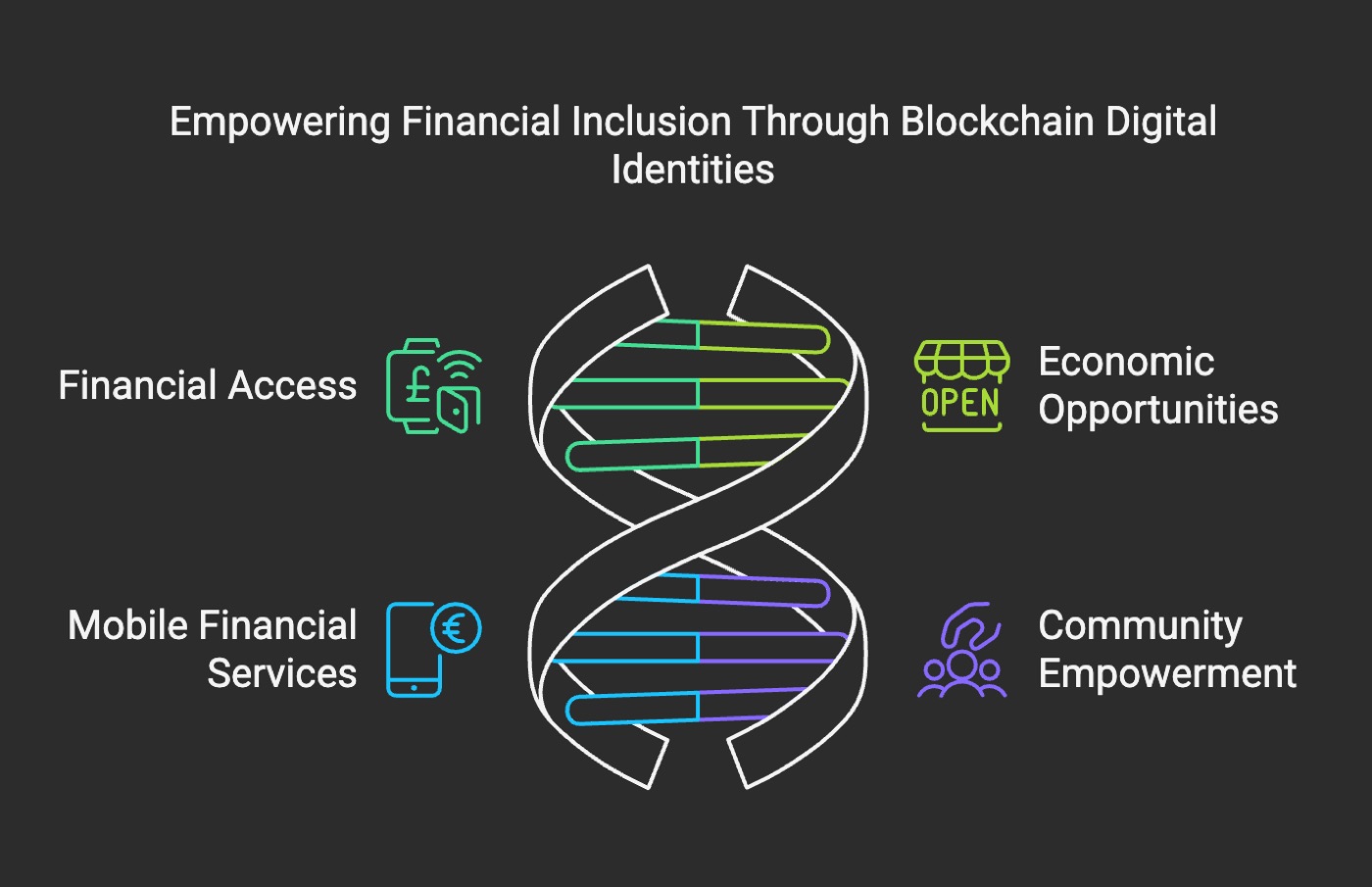
The role of digital identities is pivotal in bridging the gap between the unbanked and financial services. As more people gain access, the potential for economic growth and stability in these regions increases. This shift not only empowers individuals but also strengthens communities by fostering economic participation.
Future Developments and Education
The rise of stablecoins and Central Bank Digital Currencies (CBDCs) is gaining momentum in developing nations. These digital currencies offer a new way to enhance financial inclusion and reduce transaction costs. Over 100 governments are exploring CBDC projects to streamline digital payments. This trend indicates a significant shift towards digital currency adoption.
Financial education and digital literacy are essential for the safe use of cryptocurrencies. As more people in developing countries gain access to digital currencies, understanding how to use them safely becomes crucial. Various initiatives are being launched to improve these skills, helping individuals navigate the digital financial landscape effectively.
Collaborative efforts are key to supporting cryptocurrency adoption. Governments, tech companies, and financial institutions are working together to expand financial inclusion. These partnerships aim to provide financial services that meet the needs of the unbanked population. By involving all stakeholders, the goal is to make digital payments accessible to everyone, including vulnerable groups.
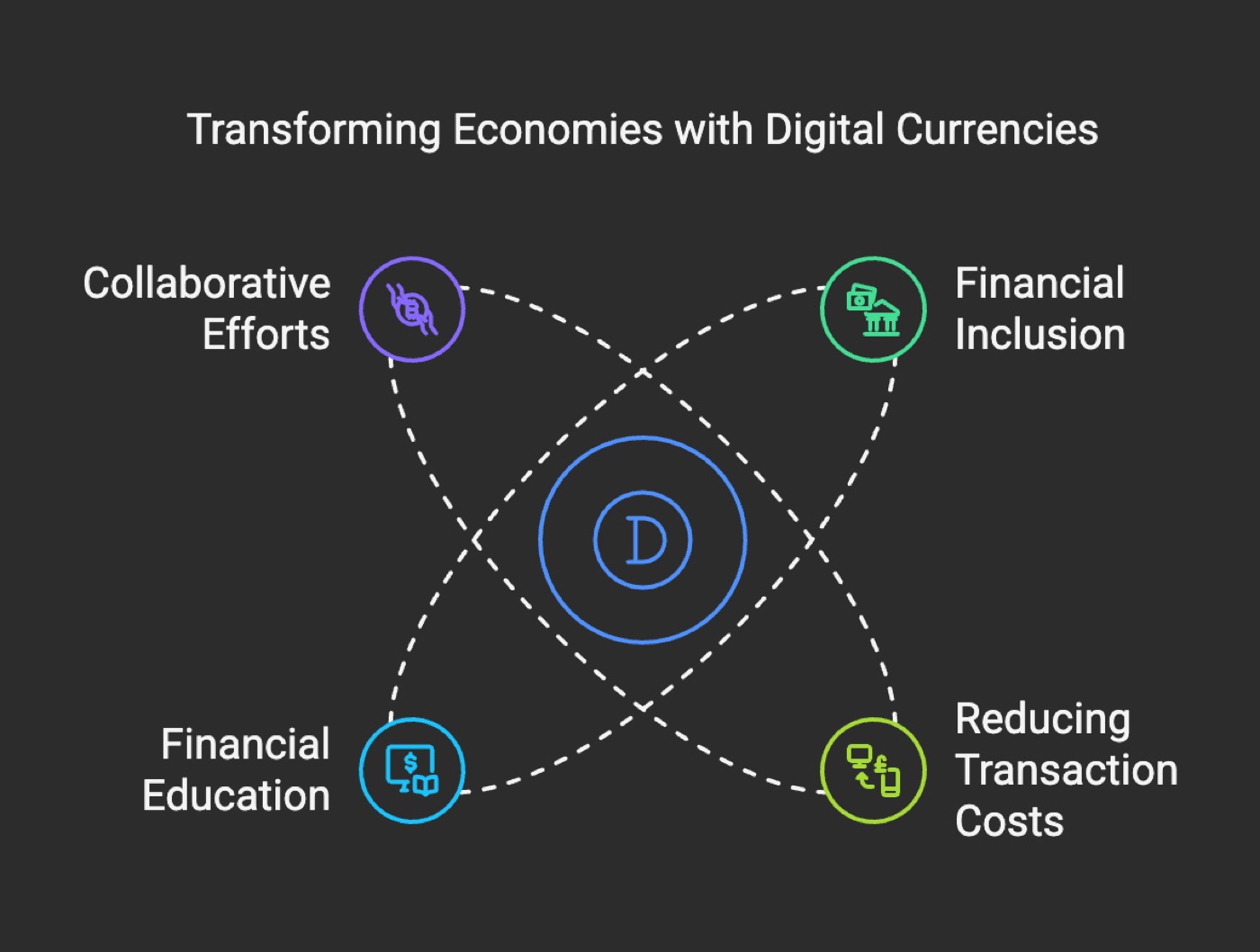
Looking ahead, the continued growth of digital currencies and education initiatives promises to transform economies in developing nations. As these efforts progress, we can expect more people to benefit from improved financial access and opportunities.
Conclusion
Cryptocurrencies are set to continue their rise in developing countries. As more people gain access to digital currencies, the economic landscape will shift. Education will play a crucial role in this transformation. People need to understand how to use these currencies safely. Governments and organizations are likely to increase their efforts in this area. Infrastructure improvements will also be vital. Better internet access and smartphone availability can drive further adoption. The future holds promise for these nations. Digital currencies could reshape economies and boost financial inclusion. The potential for change is immense.
Further reading: VARA inspection readiness · Supervisors want evidence, not policies