Crypto for Cross-Border Payments: Benefits and Risks
Why businesses use crypto for cross-border payments: lower fees, faster settlement and global reach, plus the regulatory and security risks to manage.

Cryptocurrency is changing the way we think about money. It's not just a trend; it's a movement reshaping global payments. More people and businesses are turning to crypto for international transactions. This shift is driven by the need for faster, cheaper, and more accessible payment methods. As traditional banking systems struggle with inefficiencies, crypto offers a compelling alternative. This growing interest signals a significant transformation in how we handle money across borders.
Cryptocurrency as Digital Currency
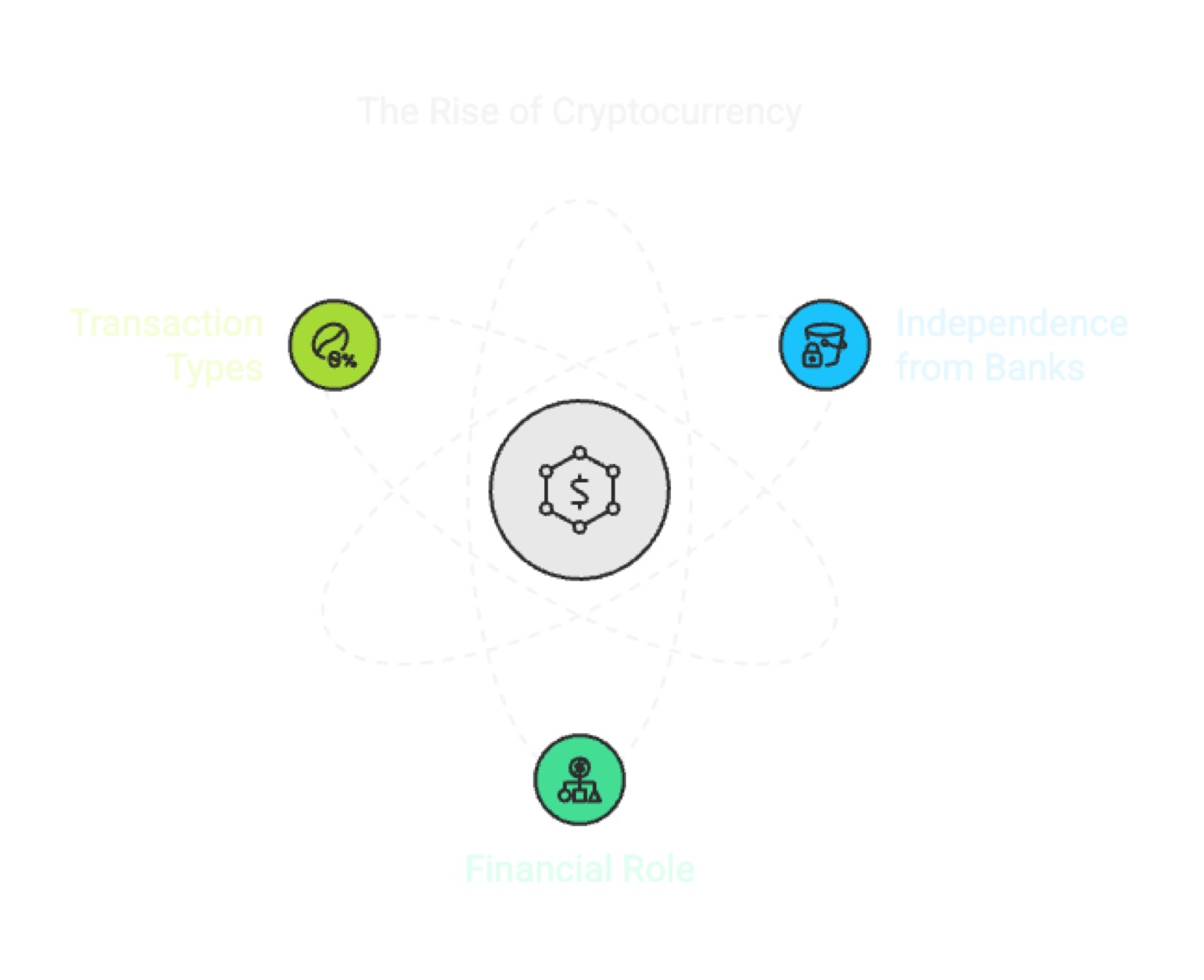
Cryptocurrency has emerged as a new form of digital money. It operates independently of traditional banks. Over the past decade, its role in finance has grown significantly. Initially, it was a niche interest. Now, it's a global phenomenon. People use it for various transactions, from buying coffee to international trade.
Blockchain as the Backbone
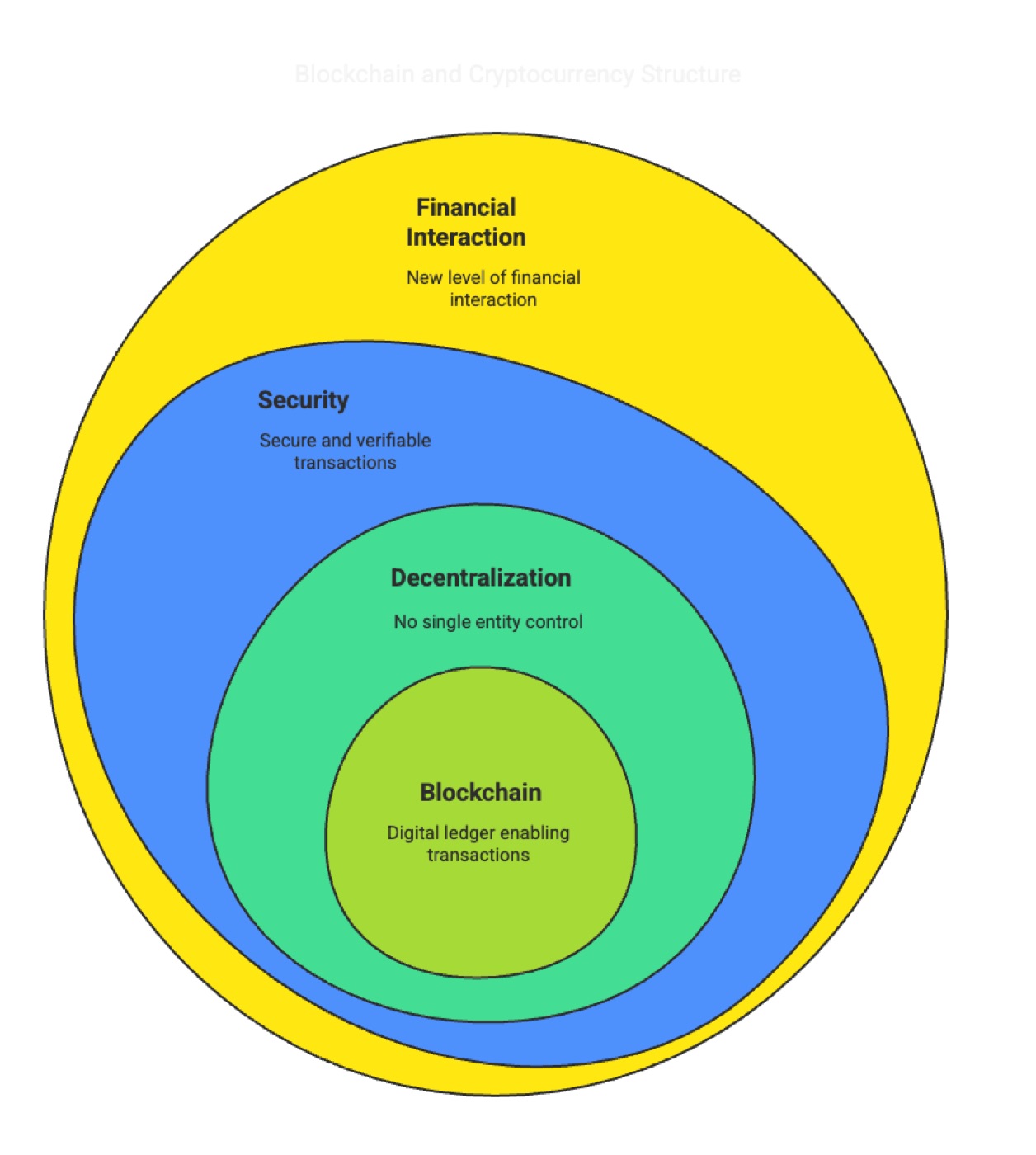
At the heart of cryptocurrency is the blockchain. This system acts as a digital ledger. It records every transaction made with cryptocurrencies. Unlike traditional ledgers, it is decentralized. This means no single entity controls it. Transactions are secure and open for verification. This structure allows for a new level of financial interaction.
Benefits of Crypto Payments
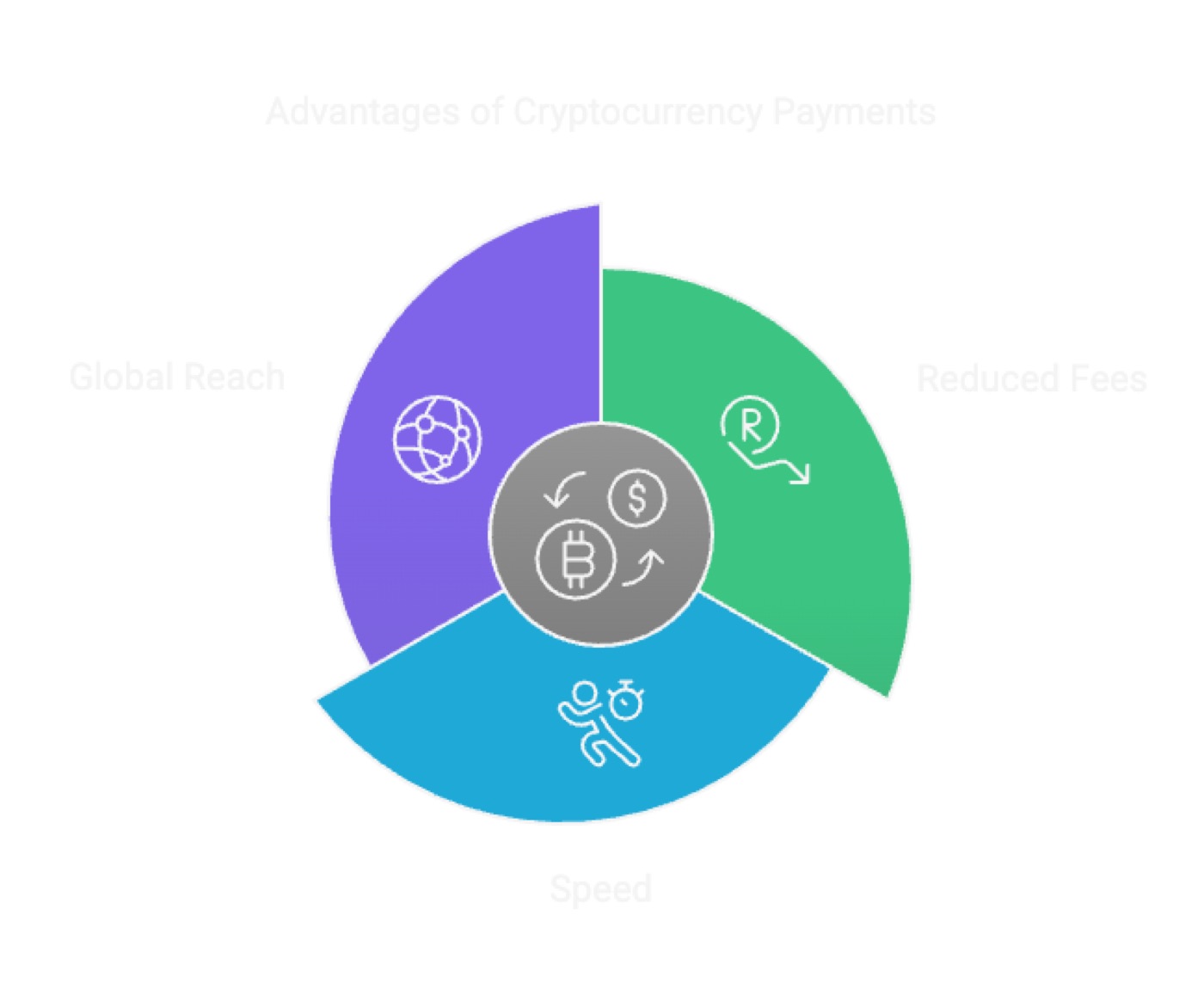
Cryptocurrency payments offer several advantages over traditional methods. One of the most significant benefits is reduced fees. By eliminating intermediaries, crypto transactions often cost less than bank transfers. Traditional banking fees can be high, especially for international transactions. In contrast, crypto payments can significantly lower these costs.
Speed is another key advantage. Crypto payments are typically faster than bank transfers. For instance, Bitcoin transactions can be confirmed in about 10-30 minutes. Ethereum transactions are even quicker, often settling in 15-30 seconds with layer 2 solutions. This rapid processing time is a major draw for businesses and individuals alike.
The global reach of cryptocurrency is unparalleled. It allows users to send funds anywhere in the world almost instantly. Imagine sending money as easily as sending an email. This capability makes crypto an attractive option for cross-border payments, removing the barriers of traditional banking.
These benefits make cryptocurrency a compelling choice for modern transactions. As more people and businesses recognize these advantages, the adoption of crypto payments is likely to grow.
Business Adoption
Businesses are increasingly turning to cryptocurrency payments. This shift offers a strategic edge. Retail and gaming sectors are at the forefront. They are integrating digital currencies to enhance customer experience. Companies like Ferrari are leading this trend. By accepting crypto, they tap into a new market segment.
Crypto payments can lead to significant cost savings. Traditional payment methods often involve high fees. Cryptocurrencies reduce these costs by eliminating middlemen. This efficiency appeals to businesses aiming to streamline operations. Additionally, it opens doors to international markets without currency conversion hassles.
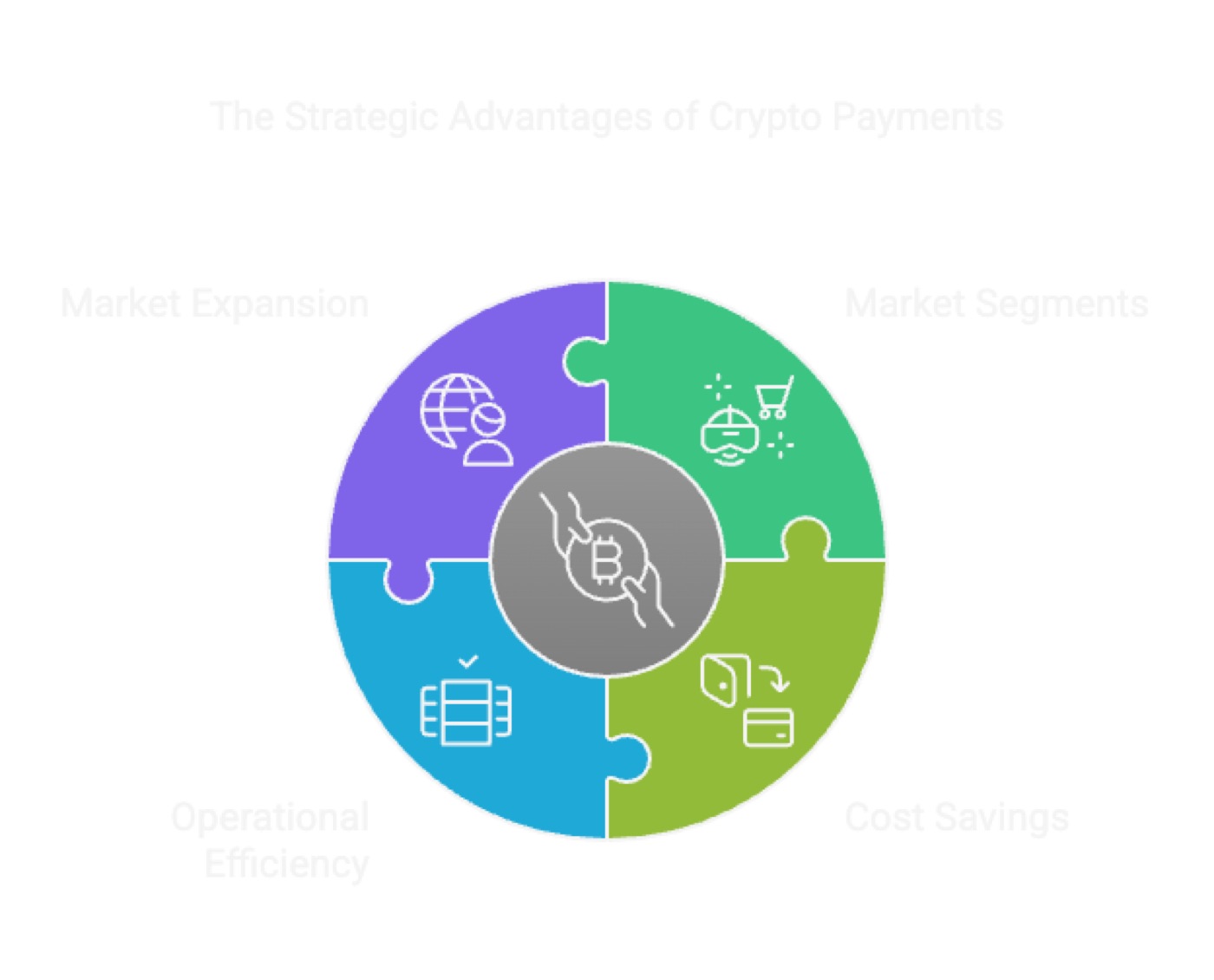
The potential for market expansion is vast. As more businesses adopt crypto, they gain access to a global customer base. This adoption is not just about keeping up with trends. It is about staying competitive in a rapidly evolving marketplace.
Regulatory Frameworks
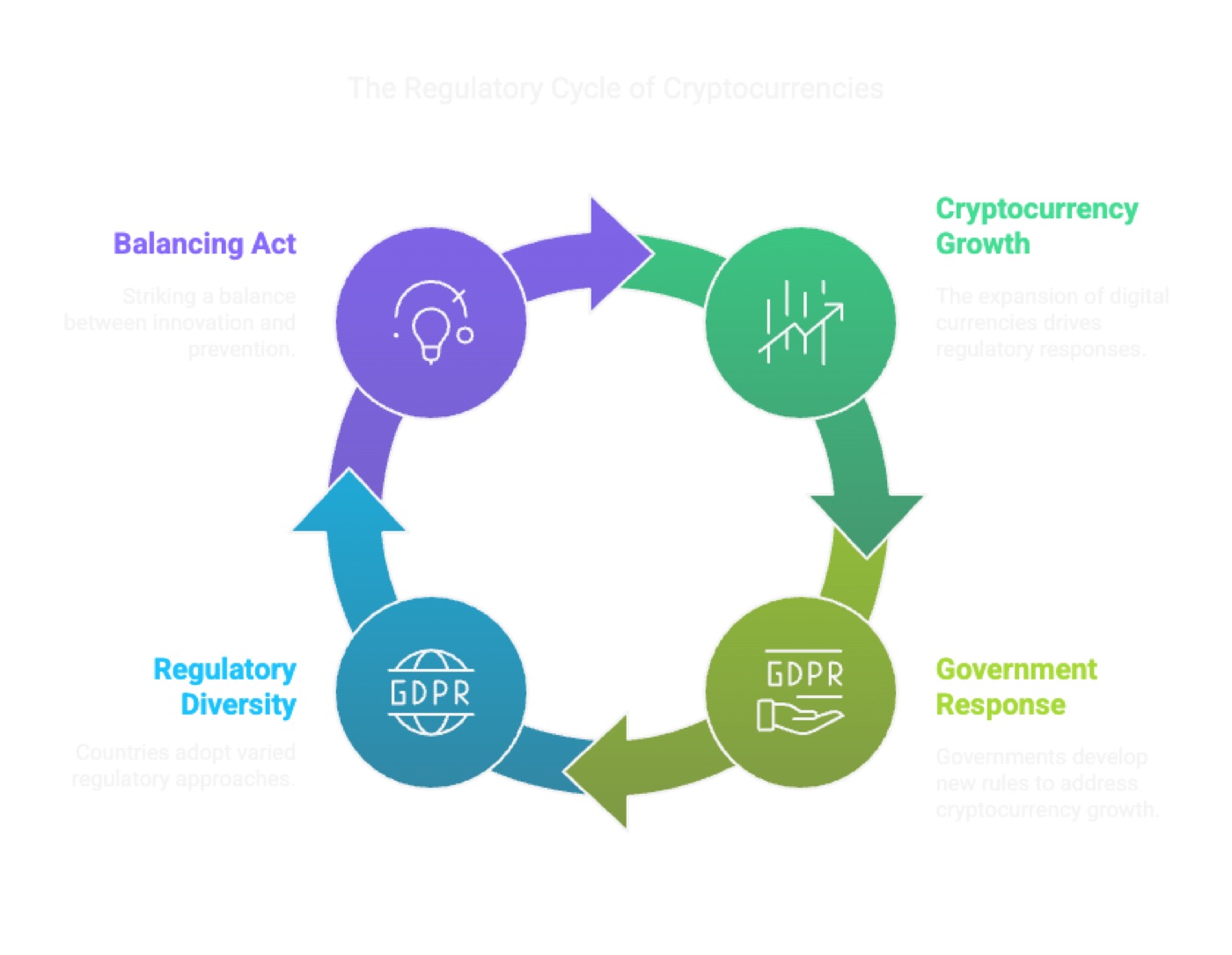
Cryptocurrencies are reshaping the financial landscape, prompting governments to develop new rules. These rules aim to balance the growth of digital currencies with the need to prevent illegal activities. Countries are taking varied approaches. Some are creating supportive environments to foster innovation. Others are cautious, focusing on consumer protection and financial stability. This regulatory diversity highlights the global challenge of governing a rapidly evolving sector.
Security Measures
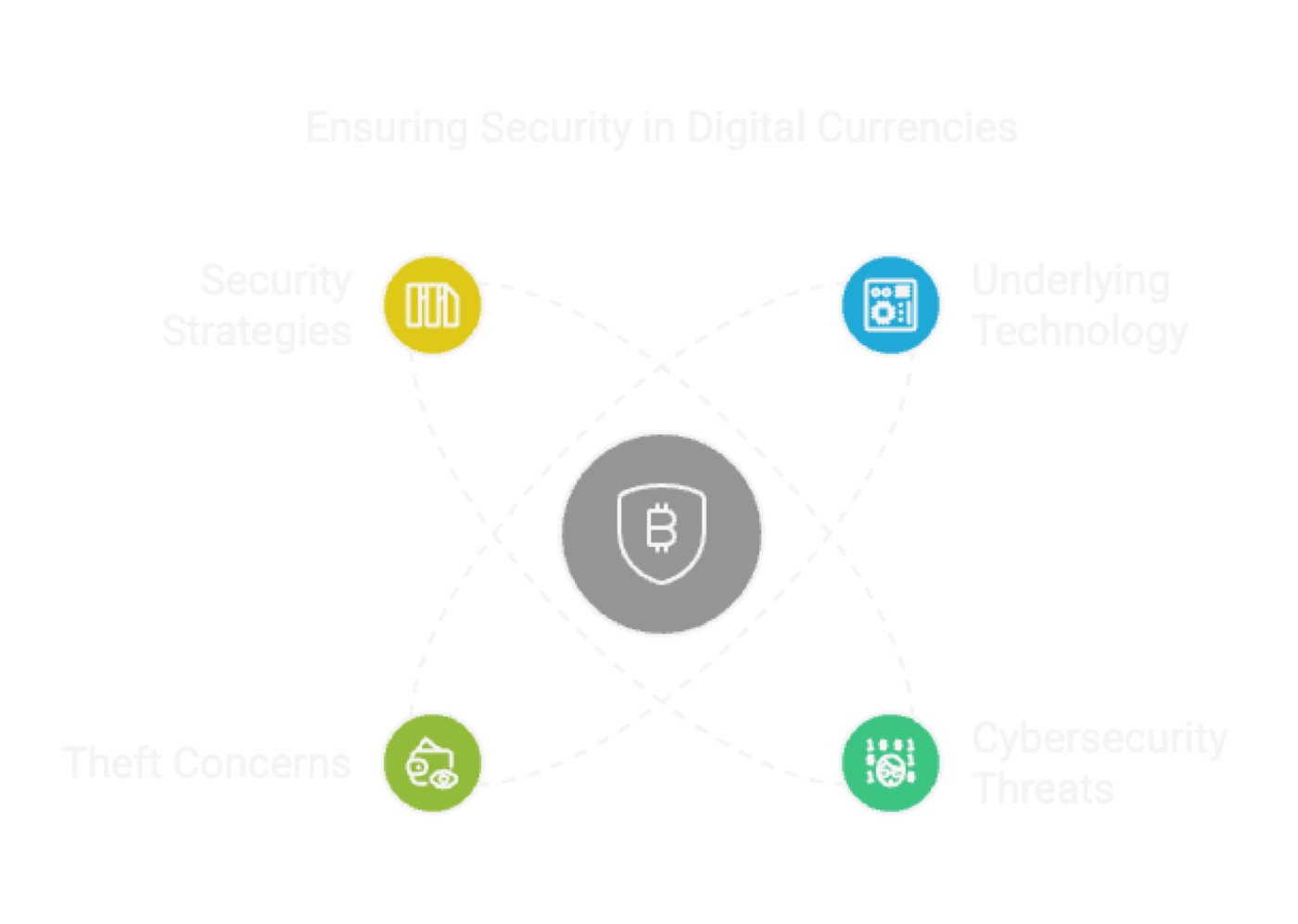
The security of digital currencies relies on their underlying technology. This technology ensures that transactions are tamper-proof and visible to all network participants. However, the digital realm is not without risks. Cybersecurity threats and theft remain significant concerns. As the industry grows, so does the need for robust security strategies. Addressing these challenges is crucial for maintaining confidence in digital currencies.
Future Developments
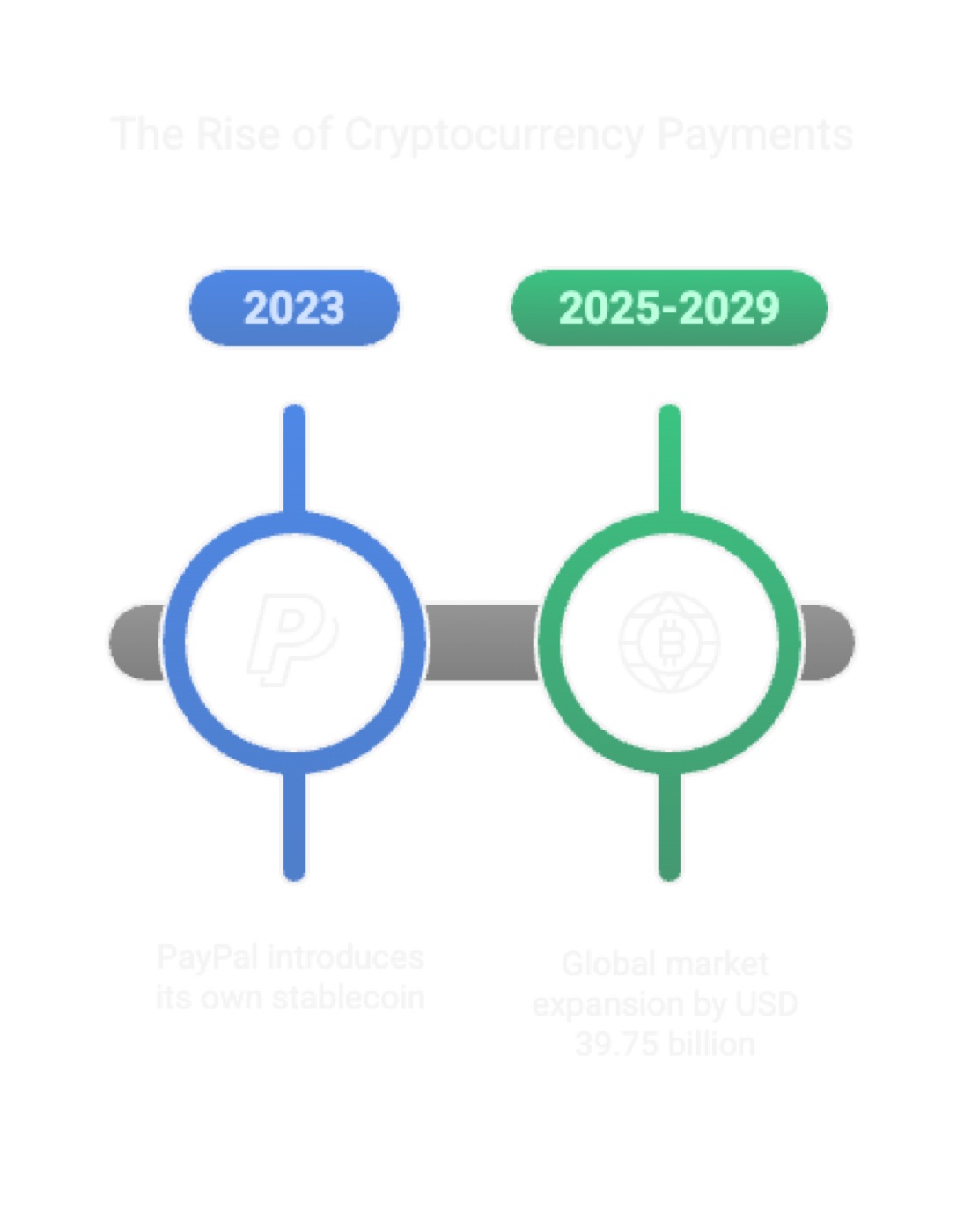
Cryptocurrency payments are on the brink of significant growth. The global market is expected to expand by USD 39.75 billion between 2025 and 2029. This is driven by increasing investments in digital assets and more retailers accepting crypto. Such growth indicates a shift in how transactions are conducted worldwide.
New technologies are also set to enhance crypto payments. Efforts are underway to use renewable energy in mining, reducing environmental impacts. Advancements in blockchain talent are contributing to more efficient platforms. For instance, networks like Solana and Base are paving the way for faster and more secure transactions.
Major financial institutions are taking note. Companies like PayPal are exploring blockchain and stablecoins. In August 2023, PayPal introduced its own stablecoin, marking a significant step in mainstream adoption. This move signals a broader acceptance of digital currencies.
These developments point to a future where crypto payments become more integrated into daily life. As technology evolves, the potential for crypto to reshape global finance becomes even more apparent. The journey towards widespread adoption is just beginning, with exciting changes on the horizon.
Conclusion
Cryptocurrency is reshaping global payments. It offers a new way to transact that is fast and cost-effective. This shift is not just a trend; it's a significant change in how we handle money. Businesses and individuals alike are beginning to see the benefits. As more companies adopt these digital currencies, the landscape of financial transactions is evolving.
Looking ahead, the future of crypto payments seems promising. With ongoing advancements, we can expect even more growth. New technologies are set to make these transactions even more accessible and environmentally friendly. The potential for innovation in this space is vast, and it could redefine how we think about money.
Staying informed about these developments is crucial. As digital finance continues to evolve, understanding its impact will be key. Embrace the change and keep an eye on how cryptocurrency might transform your financial world.
Further reading: VARA inspection readiness · Supervisors want evidence, not policies