Blockchain Security: New Approaches to Protecting Networks
The main threats facing blockchain networks and the newer defences against them, from audits and monitoring to quantum-resistant cryptography.

Blockchain Security Evolves: New Solutions Emerge to Protect Digital Assets
Blockchain technology is booming. Its use is spreading across industries, from finance to healthcare. But this growth brings new risks. Hackers are targeting blockchain networks more often. Now, experts are fighting back with innovative security measures.
Recent attacks have exposed vulnerabilities in some blockchain systems. These breaches have cost millions and damaged reputations. In response, developers are creating cutting-edge solutions to protect digital assets.
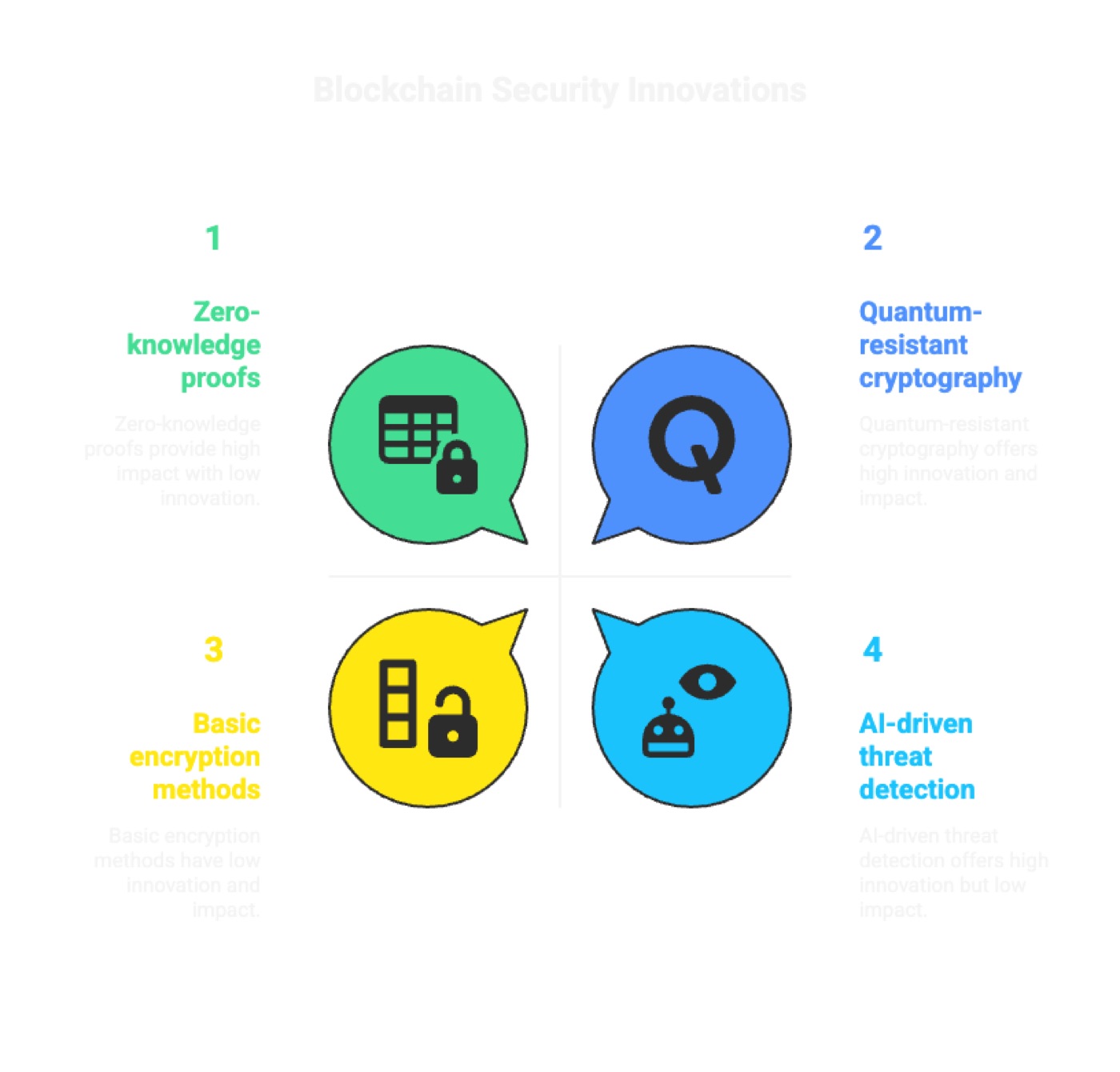
One promising approach is quantum-resistant cryptography. This technology aims to protect against future quantum computers that could break current encryption methods. Another innovation is zero-knowledge proofs. These allow transactions to be verified without revealing sensitive information.
AI is also playing a crucial role. Machine learning models can now detect suspicious activity in real-time. This helps prevent attacks before they cause damage.
The blockchain market is growing fast. By 2030, it's expected to be worth over $1.4 trillion. With so much at stake, security is more important than ever.
As blockchain use expands, so will efforts to secure it. The race to protect digital assets is just beginning.
The Need for Enhanced Blockchain Security
Blockchain technology has revolutionized data management and transactions. It offers decentralization, transparency, and immutability. But as blockchain adoption grows, so do security risks. Cyber attacks on blockchain networks have surged, exposing vulnerabilities. These attacks can lead to massive financial losses and damage reputations.
In 2021, 9 out of 10 blockchain platforms needed replacement due to security flaws. This alarming statistic highlights the urgent need for stronger protection. Hackers are getting smarter, using sophisticated methods to exploit weaknesses in blockchain systems.
The financial impact of these breaches is staggering. Millions of dollars in digital assets have been stolen through various attack vectors. These include 51% attacks, smart contract vulnerabilities, and exchange hacks. The crypto community has faced significant setbacks due to these security incidents.
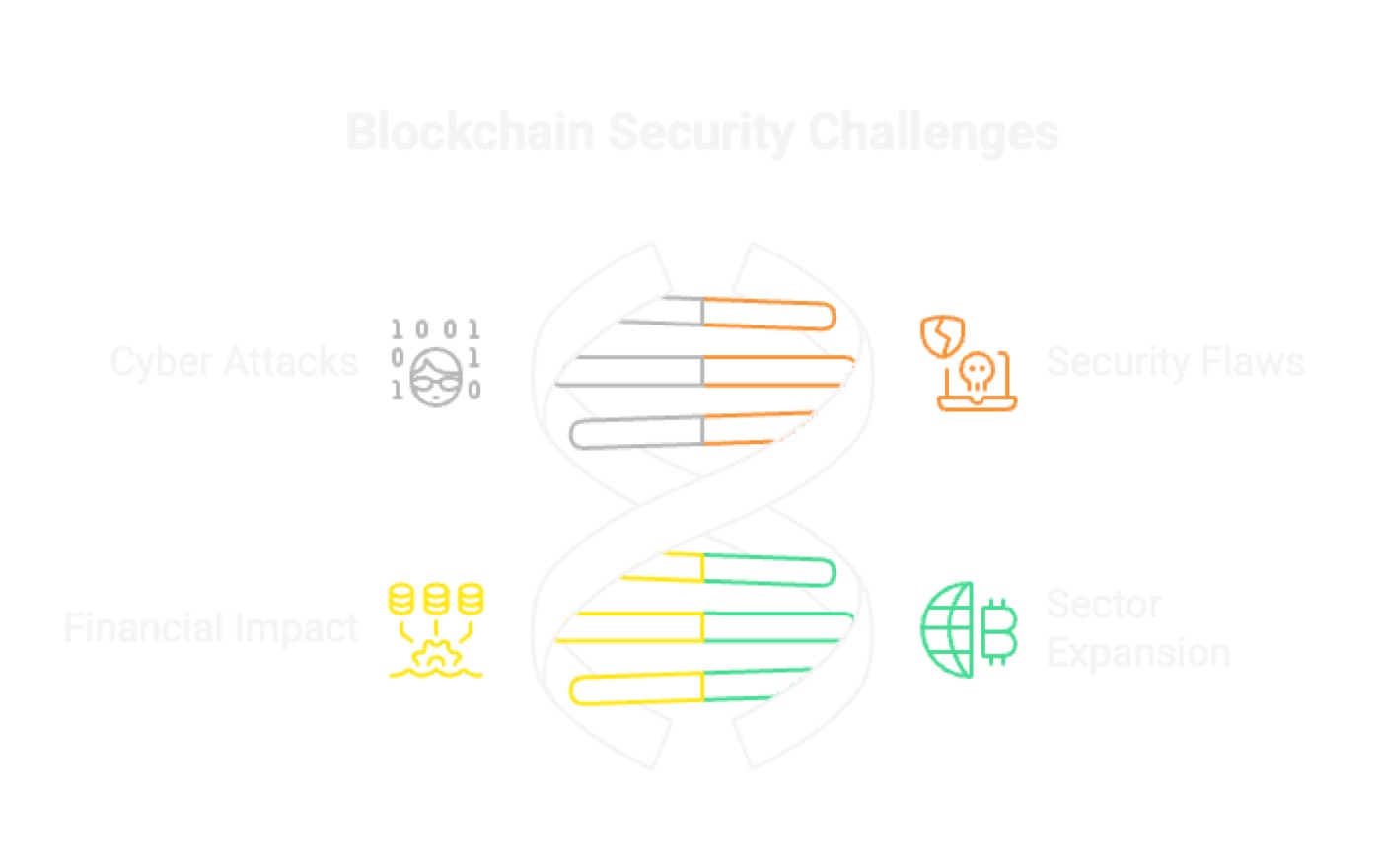
As blockchain expands into sectors like finance, healthcare, and supply chain, the stakes are higher. By 2025, 55% of healthcare applications are expected to use blockchain. This widespread adoption makes security more critical than ever.
Blockchain's promise of secure, transparent transactions is at risk without enhanced security measures. The industry is now racing to develop innovative solutions to protect digital assets and maintain user trust.
Key Innovations in Blockchain Security
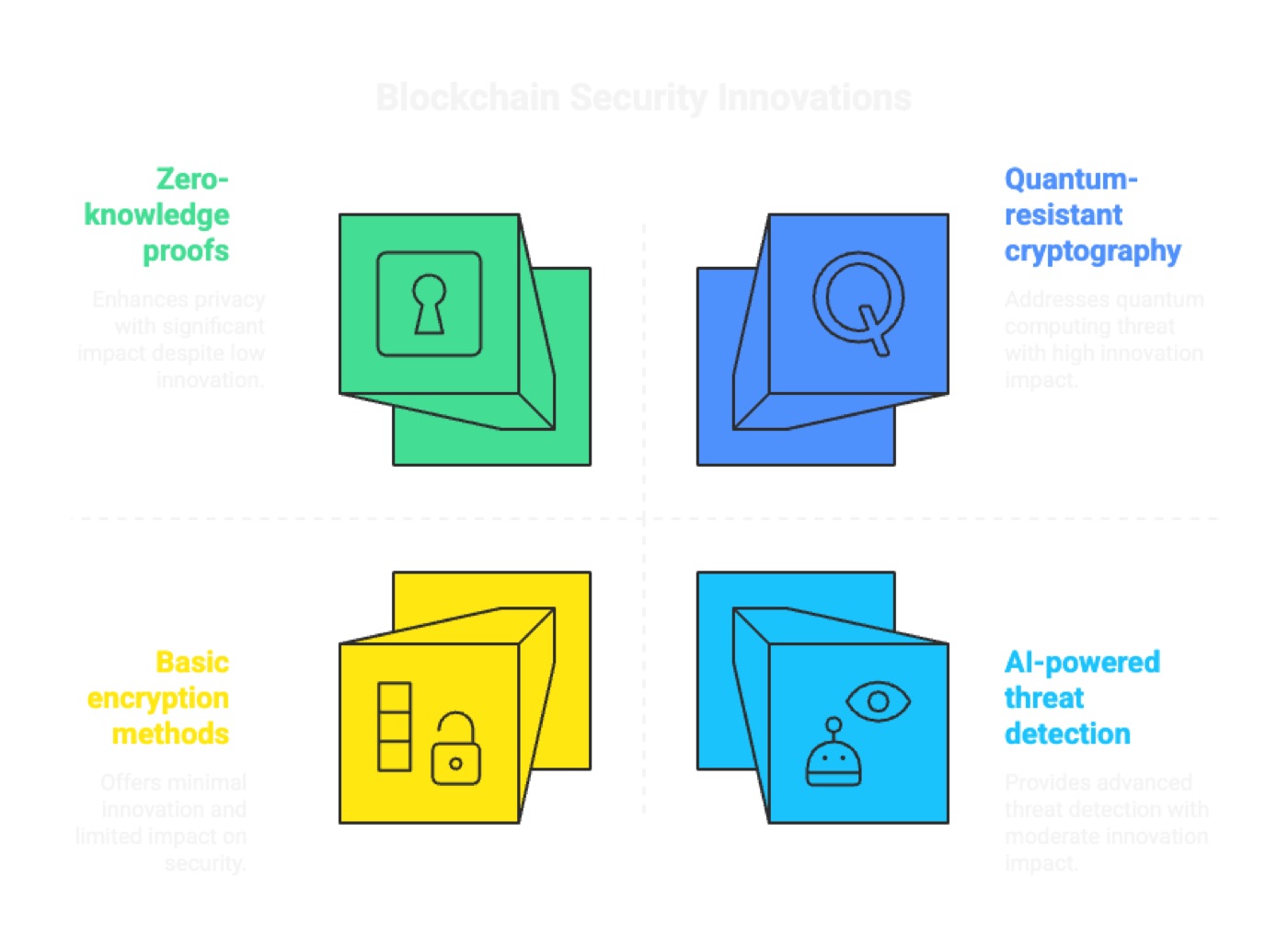
Blockchain security is evolving rapidly. New solutions are emerging to protect digital assets. Quantum-resistant cryptography is one such innovation. It addresses the threat of quantum computing to current encryption methods. Developers are creating post-quantum algorithms to safeguard blockchain networks.
Zero-knowledge proofs are another breakthrough. They enhance privacy while maintaining transparency. This technology is finding applications in identity verification and secure transactions. It allows users to prove they have certain information without revealing the information itself.
AI-powered threat detection is revolutionizing blockchain security. Machine learning models can identify suspicious activity with incredible accuracy. These systems provide real-time monitoring and response capabilities. They can detect and prevent attacks before they cause significant damage.
These innovations are crucial as blockchain adoption grows. The number of blockchain wallet users globally has reached 83,434,000 as of July 2022. By 2030, the global blockchain market is projected to be worth $1,431.54 billion. With 60% of CIOs considering blockchain integration, security is paramount.
Implementing these new security measures is challenging but necessary. As the blockchain landscape evolves, so too must its defenses. These innovations represent the cutting edge of blockchain security, paving the way for safer, more robust networks.
Enhancing Blockchain Security
Blockchain security is a moving target, and the industry must stay ahead of threats to protect digital assets. Developers are racing to implement new security measures, including quantum-resistant algorithms, to prepare for future threats now.
Better security is a catalyst for wider blockchain adoption: as it improves, more businesses will be willing to build on blockchain.
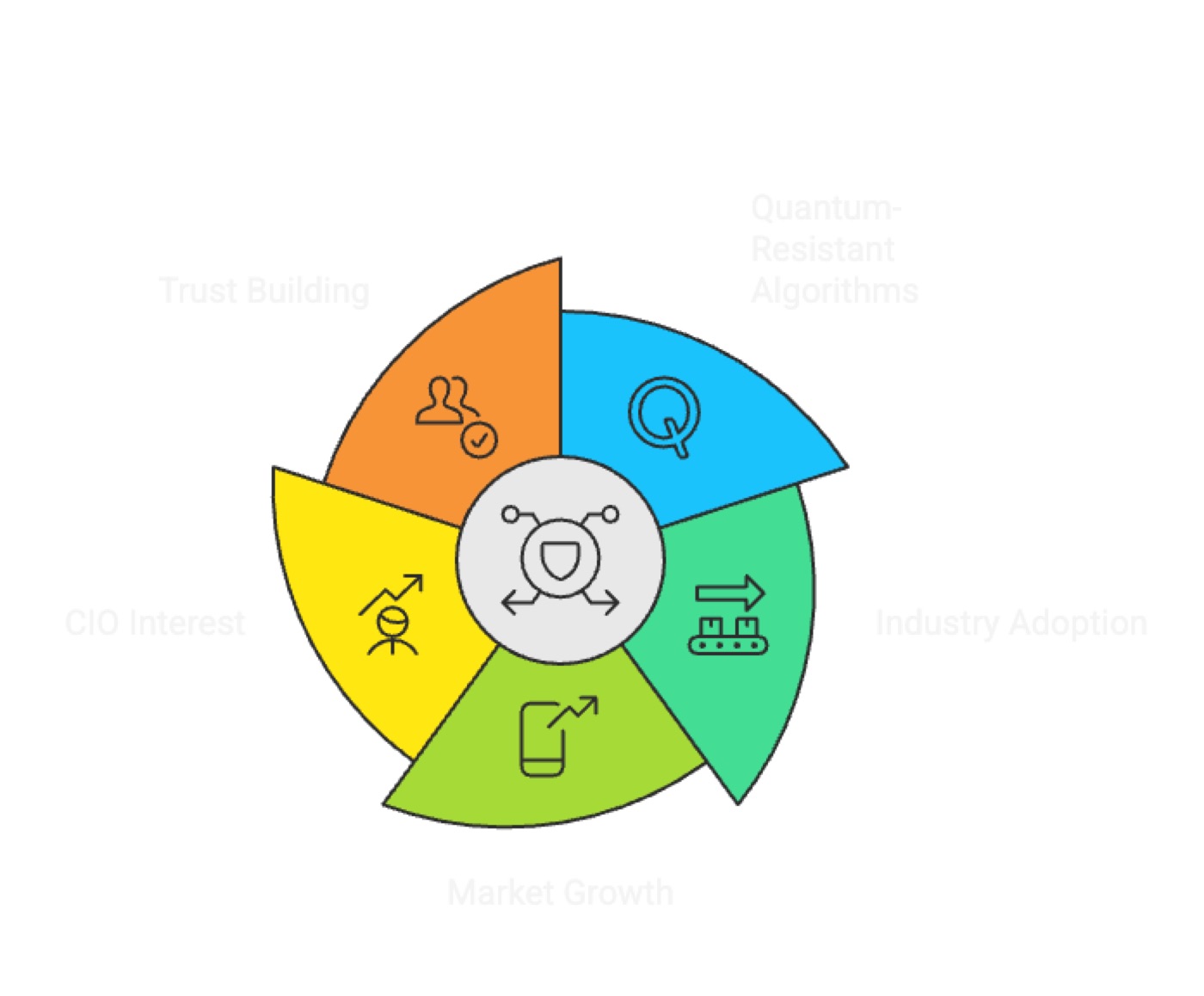
The impact of these innovations is significant. With 83 million blockchain wallet users globally and a projected market size of $1.4 trillion by 2030, secure networks are essential. 60% of CIOs are considering blockchain integration, highlighting the technology's growing importance.
Blockchain Adoption and Growth Metrics
Blockchain adoption is skyrocketing. As of 2024, over 560 million people worldwide use cryptocurrencies. This massive user base highlights the urgent need for robust security measures.
The blockchain market is set for explosive growth. Projections show it reaching $1,431.54 billion by 2030. This represents a staggering 85.9% compound annual growth rate from 2022 to 2030.
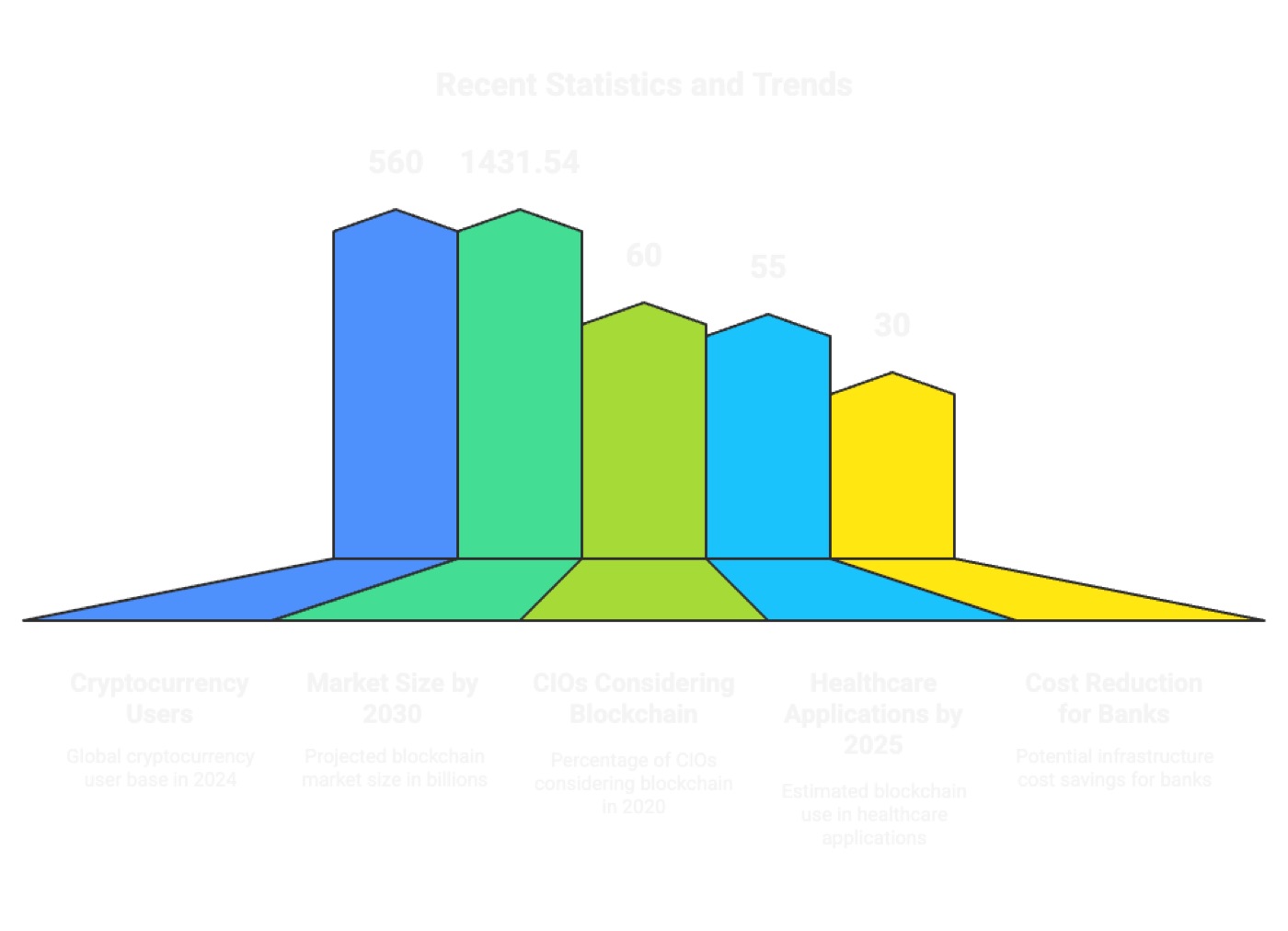
Organizations are embracing blockchain technology at a rapid pace. By the end of 2020, 60% of Chief Information Officers were considering integrating blockchain into their infrastructure. This trend continues to accelerate.
Healthcare is a key sector driving blockchain adoption. Estimates suggest 55% of healthcare applications will use blockchain by 2025. This shift promises improved data security and patient privacy.
Banks are also recognizing blockchain's potential. The technology could slash their infrastructure costs by up to 30%, saving over $10 billion annually. This financial incentive is spurring increased investment in blockchain security solutions.
Looking Ahead: The Road to Secure Blockchain Networks
Blockchain security is evolving rapidly. Researchers are working on new ways to protect digital assets. They're focusing on quantum-resistant algorithms and advanced encryption methods. These innovations aim to stay ahead of emerging threats.
Regulators are taking notice too. Many countries are considering new laws for blockchain security. These rules could set standards for how companies protect user data and assets. The goal is to build trust in blockchain technology.
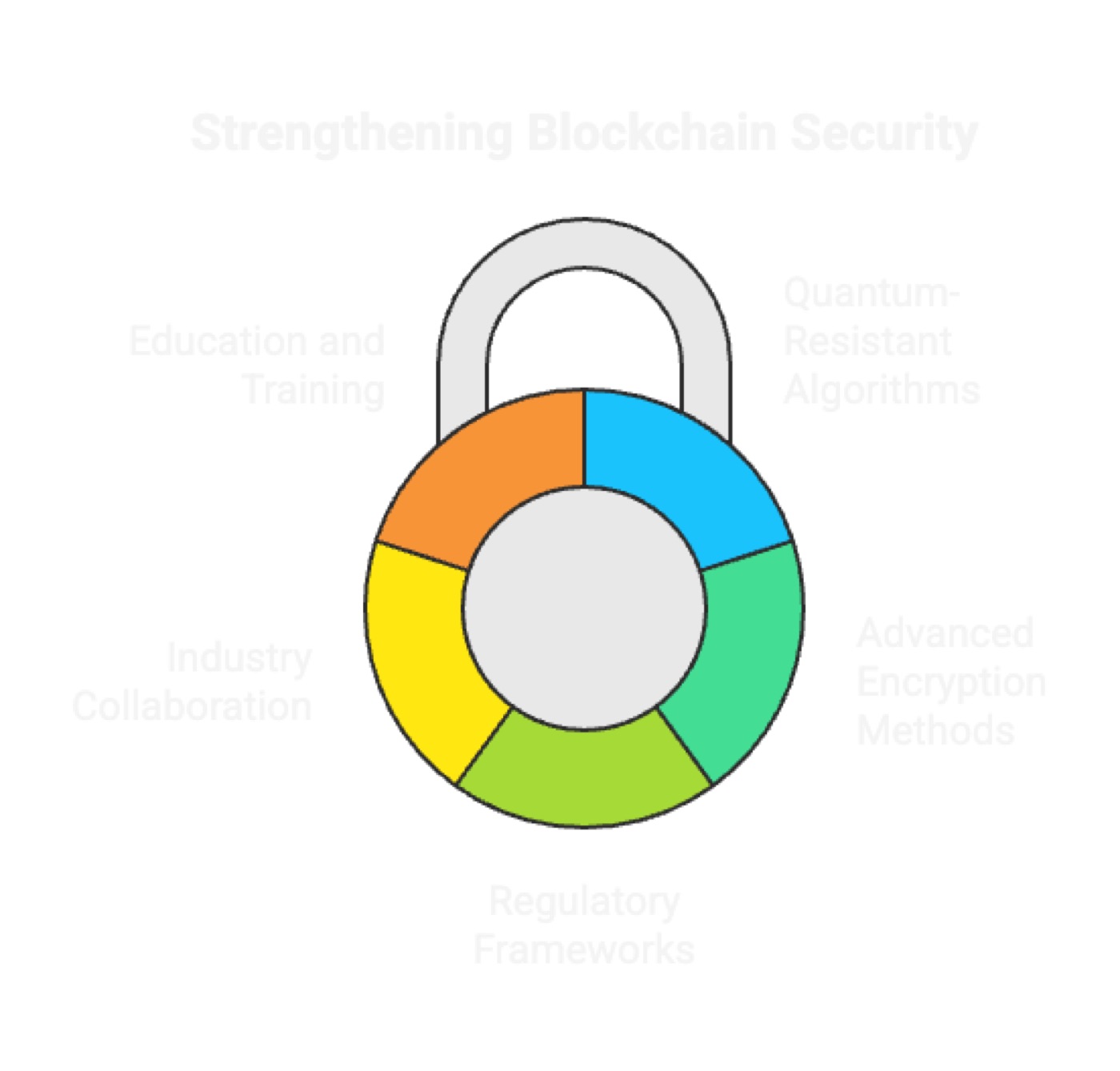
Industry leaders are joining forces. They're creating working groups to tackle security challenges. These collaborations are crucial for developing best practices. They're also sharing knowledge about new threats and defense strategies.
Education is becoming a priority. Companies are investing in training programs for their staff. This helps everyone understand the importance of security in blockchain systems. It's a key step in preventing human errors that could lead to breaches.
As blockchain use grows, so does the need for robust security. The future looks promising, with new tools and strategies emerging. But staying secure will require ongoing vigilance and adaptation. The blockchain community is committed to this challenge, working to create a safer digital future for all users.
Further reading: VARA inspection readiness · Supervisors want evidence, not policies