Blockchain Governance and Compliance: A Leader’s Guide
How blockchain governance models work, why KYC and AML still apply to pseudonymous networks, and the RegTech and regulatory trends leaders should track.

Introduction
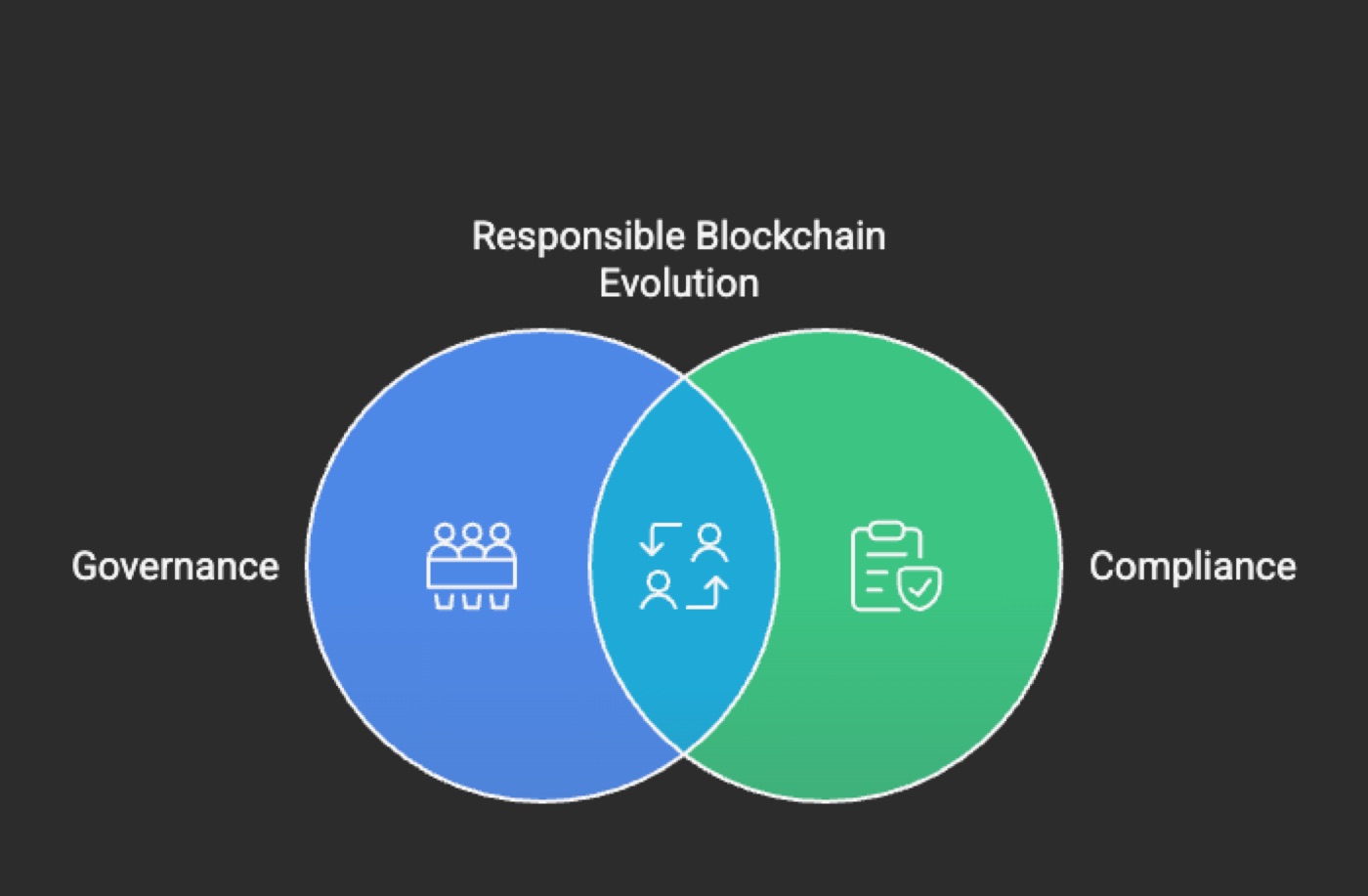
Governance and compliance are becoming increasingly important in the world of digital currencies. As blockchain technology evolves, so do the rules that govern it. Recent regulatory changes are reshaping the industry, demanding attention from all stakeholders. This article aims to delve into the complexities of governance and compliance within the blockchain realm. We will explore how these elements are critical in guiding the future of digital currencies. Understanding these aspects is essential for anyone involved in the blockchain space.
Foundations of Blockchain Integrity
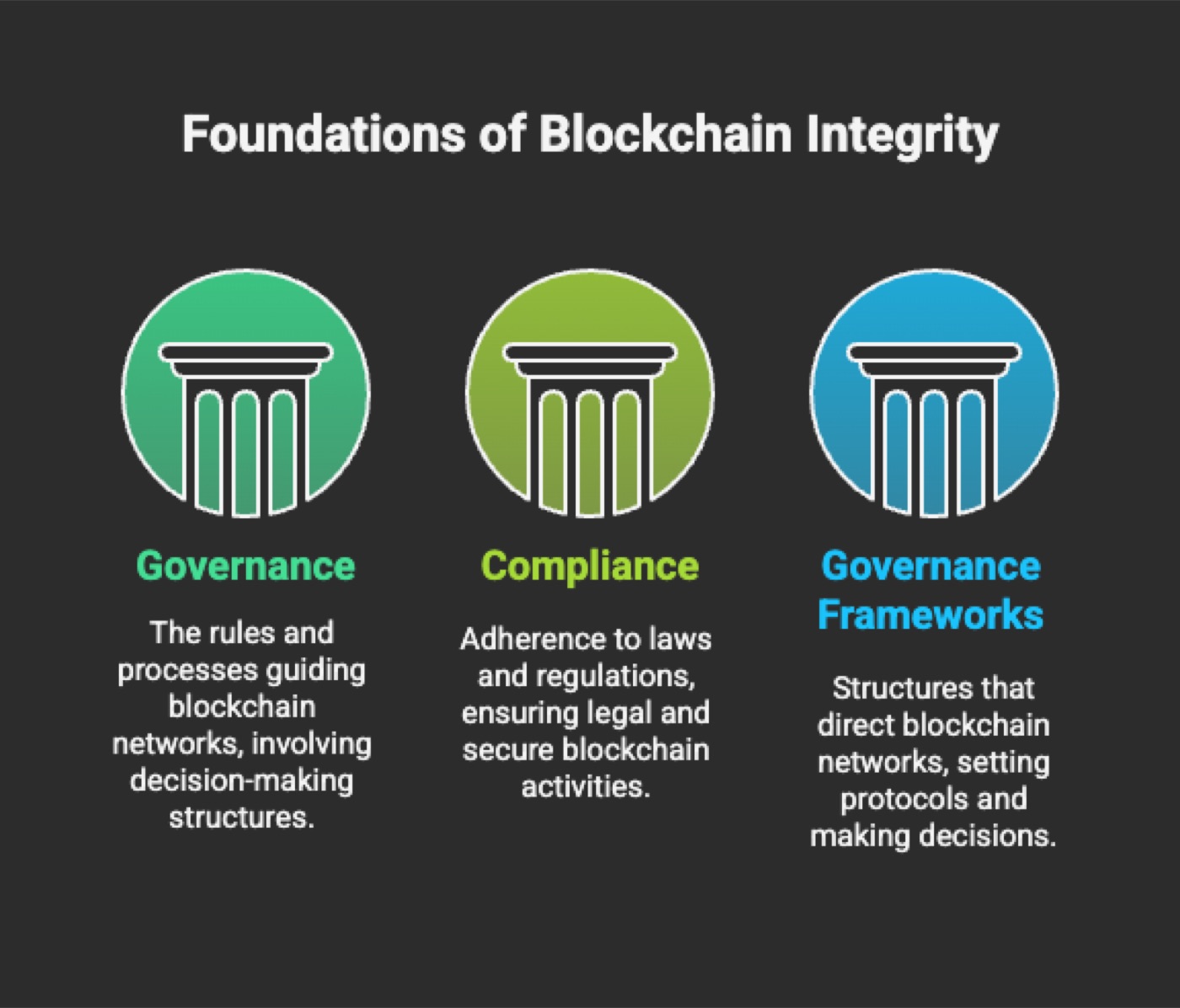
Governance and compliance are key concepts in the blockchain world. Governance refers to the rules and processes that guide blockchain networks. It involves decision-making structures that can be either decentralized or centralized. Decentralized governance allows stakeholders to participate through voting. Centralized governance, on the other hand, is controlled by a few key players or entities.
Compliance is about following laws and regulations. It ensures that blockchain activities are legal and secure. This includes measures to prevent fraud and protect users. Compliance requirements often involve Know Your Customer (KYC) and Anti-Money Laundering (AML) protocols. These are essential to maintain the integrity of blockchain networks.
Governance frameworks are crucial for directing blockchain networks. They help in setting protocols and making important decisions. Effective governance can prevent disputes and ensure smooth operations. It also plays a role in adapting to new technologies and regulatory changes.
Understanding these fundamentals is vital for anyone involved in blockchain. They provide the foundation for building robust and adaptable blockchain systems. As the industry evolves, governance and compliance will continue to shape its future.
Balancing Governance Models in Blockchain
Blockchain governance models are diverse. They range from decentralized to centralized systems. Decentralized governance involves stakeholders. They participate through voting. This model can empower a broader community. Yet, it often faces challenges. Low participation rates in on-chain voting are common. This can slow decision-making processes. In contrast, centralized governance is controlled by key players. It allows for quicker decisions. However, it risks excluding wider community input.
Compliance in blockchain is complex. Different regions have different regulations. This creates challenges for projects operating globally. Pseudonymous transactions add another layer of difficulty. They complicate identity verification processes. Advanced compliance solutions are emerging to address these issues. Identity verification tools are becoming more sophisticated. Transaction monitoring systems are also evolving. These tools aim to ensure adherence to laws. They help prevent fraud and enhance security. Despite these advancements, achieving full compliance remains a significant hurdle.
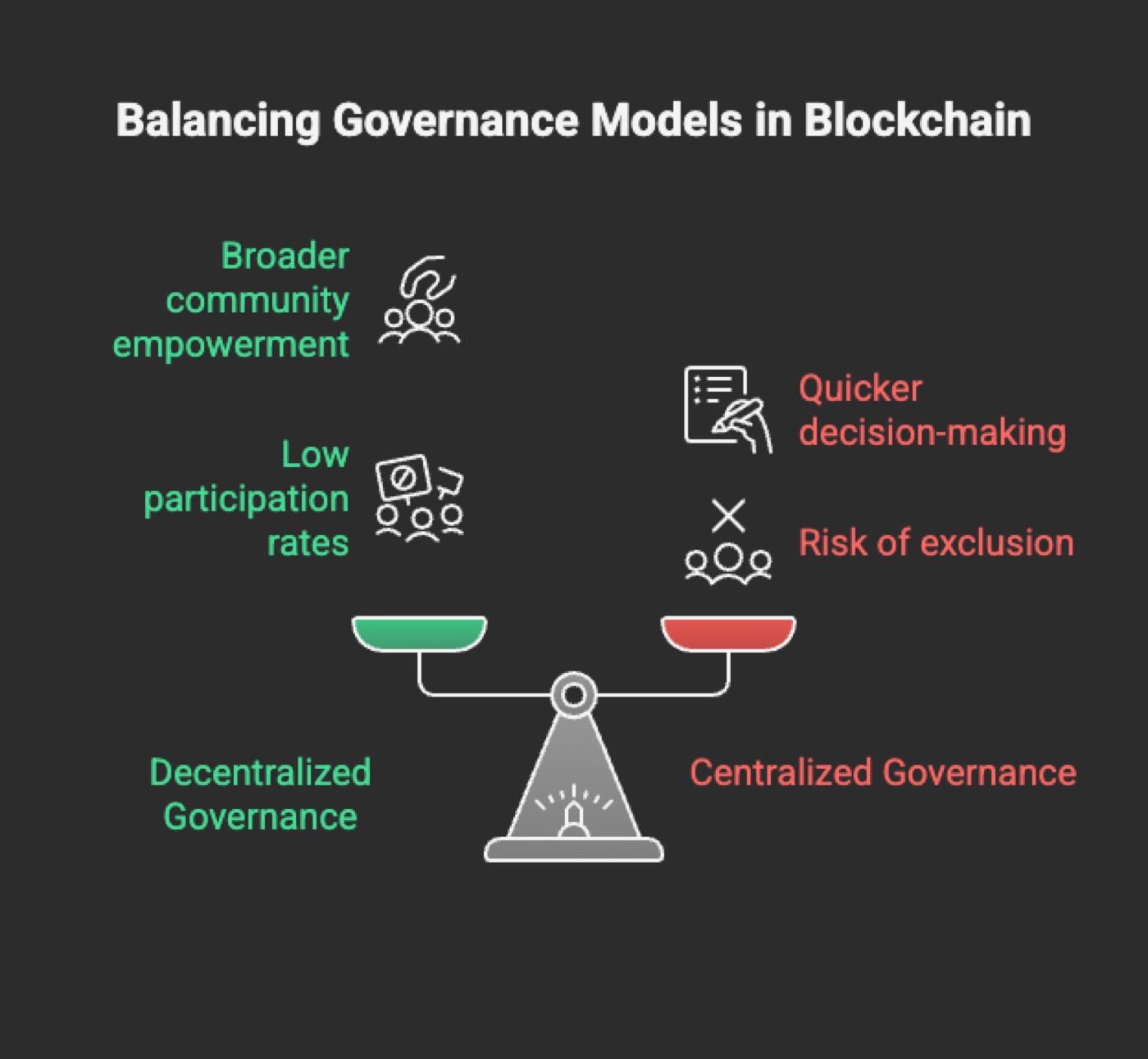
Navigating these governance and compliance challenges is crucial. It requires balancing stakeholder involvement with regulatory adherence. As the industry evolves, so too must its governance and compliance strategies.
Practical Examples: Ethereum's Governance
Ethereum stands as a prime example of decentralized governance. It uses Ethereum Improvement Proposals (EIPs) to guide its development. EIPs are documents that suggest changes to the network. They cover everything from protocol adjustments to new standards. Anyone can propose an EIP, but it requires community consensus to be accepted. This process ensures that diverse voices contribute to Ethereum's evolution.
On the compliance front, exchanges like Coinbase lead the way. They implement Know Your Customer (KYC) procedures to verify user identities. KYC is crucial for preventing fraud and money laundering. It involves collecting personal information from users before they can trade. This practice aligns with global regulatory standards and helps maintain a safe trading environment.
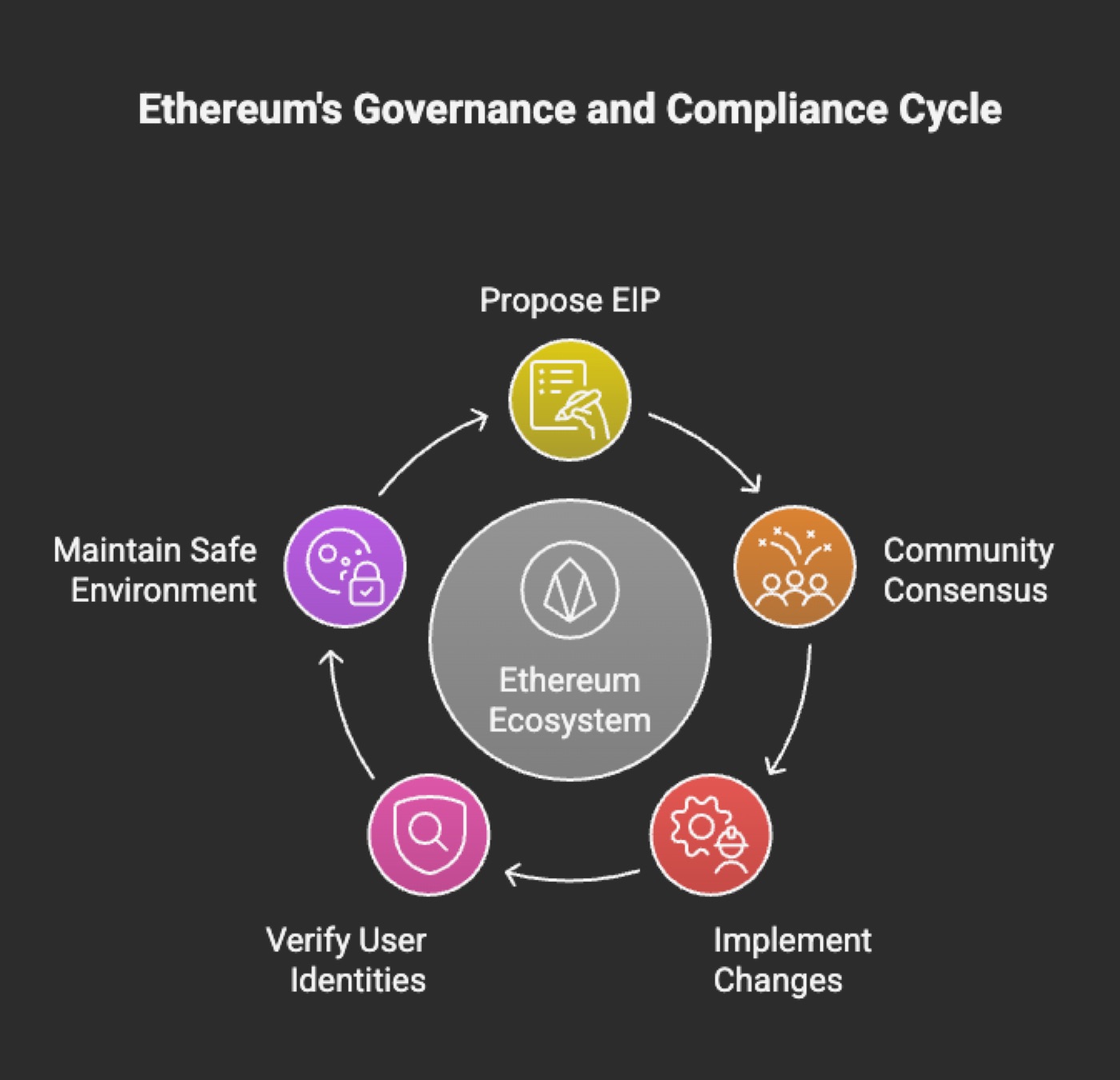
These examples highlight the balance between governance and compliance. Ethereum's model shows how decentralized decision-making can work. Meanwhile, Coinbase demonstrates the importance of adhering to regulations. Both are essential for the sustainable growth of blockchain networks.
Common Misconceptions
Blockchain is often misunderstood, especially when it comes to regulation and anonymity. Many believe that blockchain transactions are completely anonymous. In reality, blockchain offers pseudonymity. This means transactions can be traced back to digital addresses, which are often linked to real-world identities. This pseudonymity is why many blockchain projects implement Know Your Customer (KYC) procedures.
Another misconception is that all blockchain governance is decentralized. While decentralization is a key feature of many blockchain networks, some projects still rely on centralized governance. Centralized models allow quicker decision-making but can concentrate power in a few hands. On the other hand, decentralized governance involves broader stakeholder participation, often through voting mechanisms. However, low participation rates can hinder effective decision-making.
People also assume that blockchain is unregulated. This is not the case. Many countries are increasing regulatory oversight of digital currencies. These regulations aim to prevent fraud and ensure security. Yet, the regulatory landscape is complex and varies by region. This complexity can challenge blockchain projects, which must navigate differing legal frameworks.
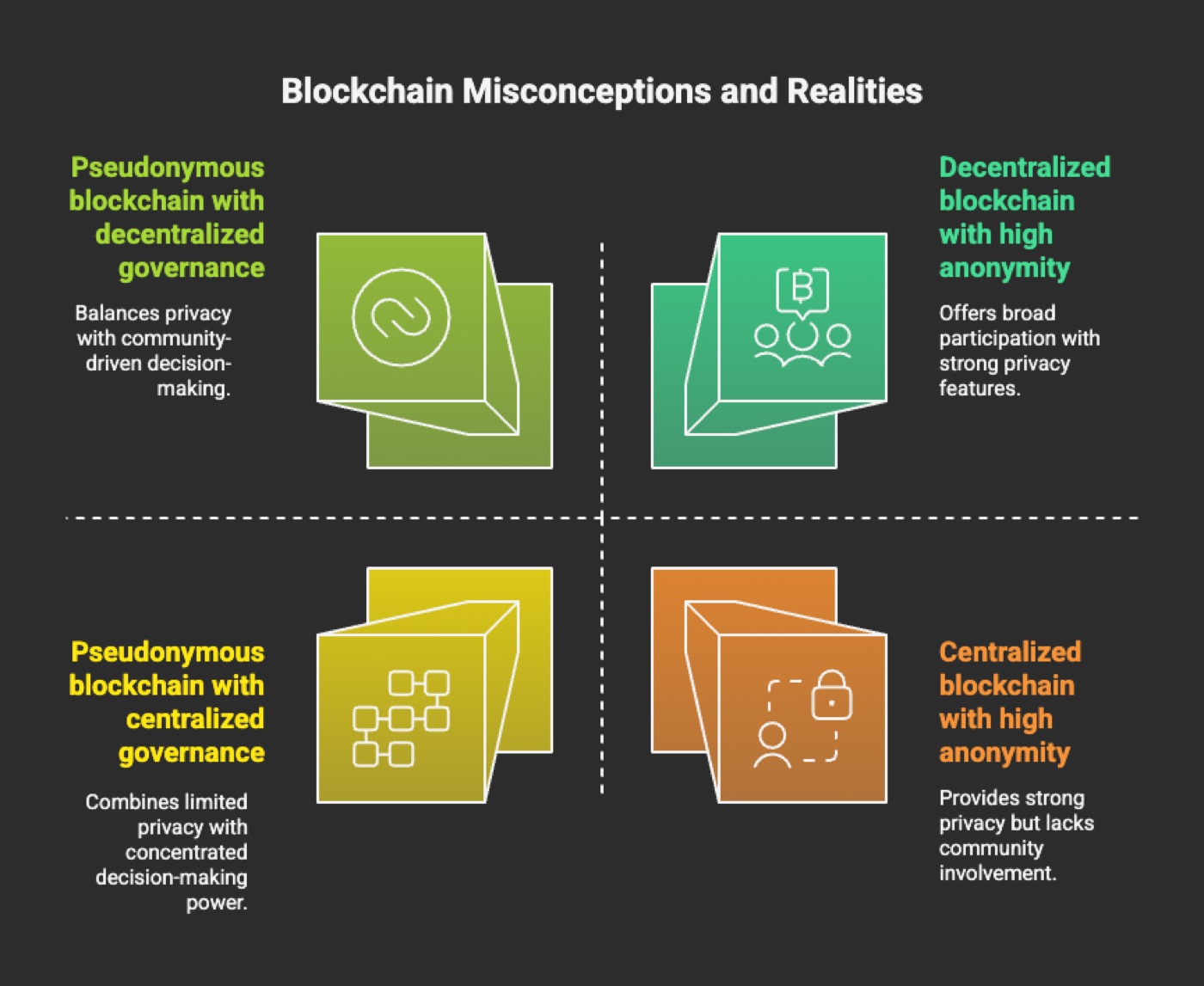
Understanding these realities is crucial for anyone involved in blockchain. It helps in making informed decisions and aligning with regulatory expectations. As blockchain continues to evolve, staying informed about governance and compliance is essential.
Blockchain Governance and Compliance Trends
The landscape of blockchain governance and compliance is rapidly evolving. A significant trend is the rise of regulatory technology (RegTech) solutions. These tools leverage artificial intelligence and machine learning to streamline compliance processes. By automating tasks, they aim to reduce human error and enhance decision-making. This shift is crucial as blockchain projects face increasing regulatory scrutiny.
Global regulatory standards for digital currencies are also gaining traction. Countries are working towards unified rules to govern blockchain activities. This push aims to create a more predictable environment for businesses and investors. However, the challenge lies in balancing diverse national interests with global cooperation.
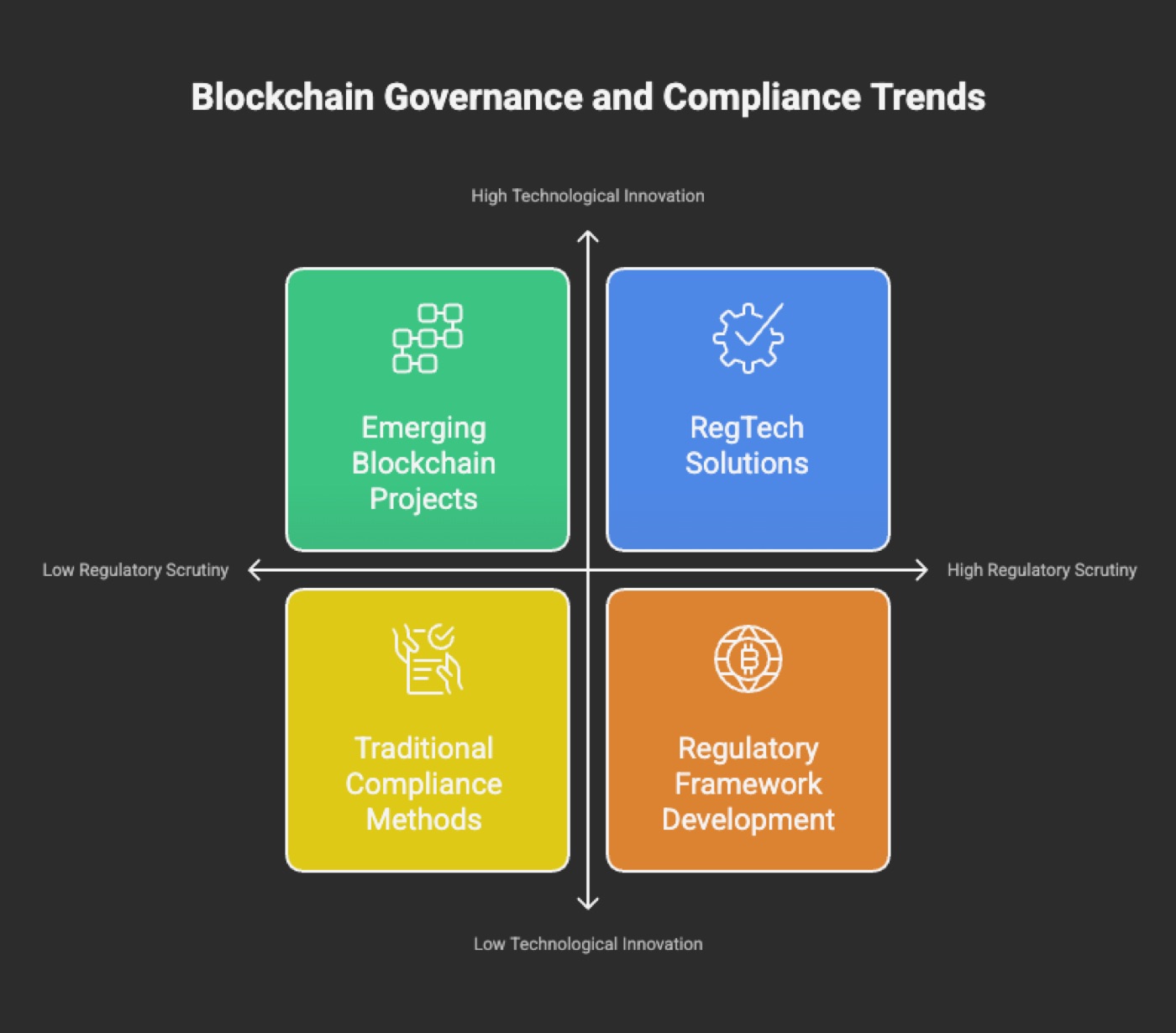
These developments hold promise for strengthening security and compliance in blockchain ecosystems. RegTech solutions, in particular, offer a way to manage complex regulations efficiently. As the industry continues to mature, such innovations will likely play a pivotal role in shaping its future.
Expert Insights: Blockchain Governance Cycle
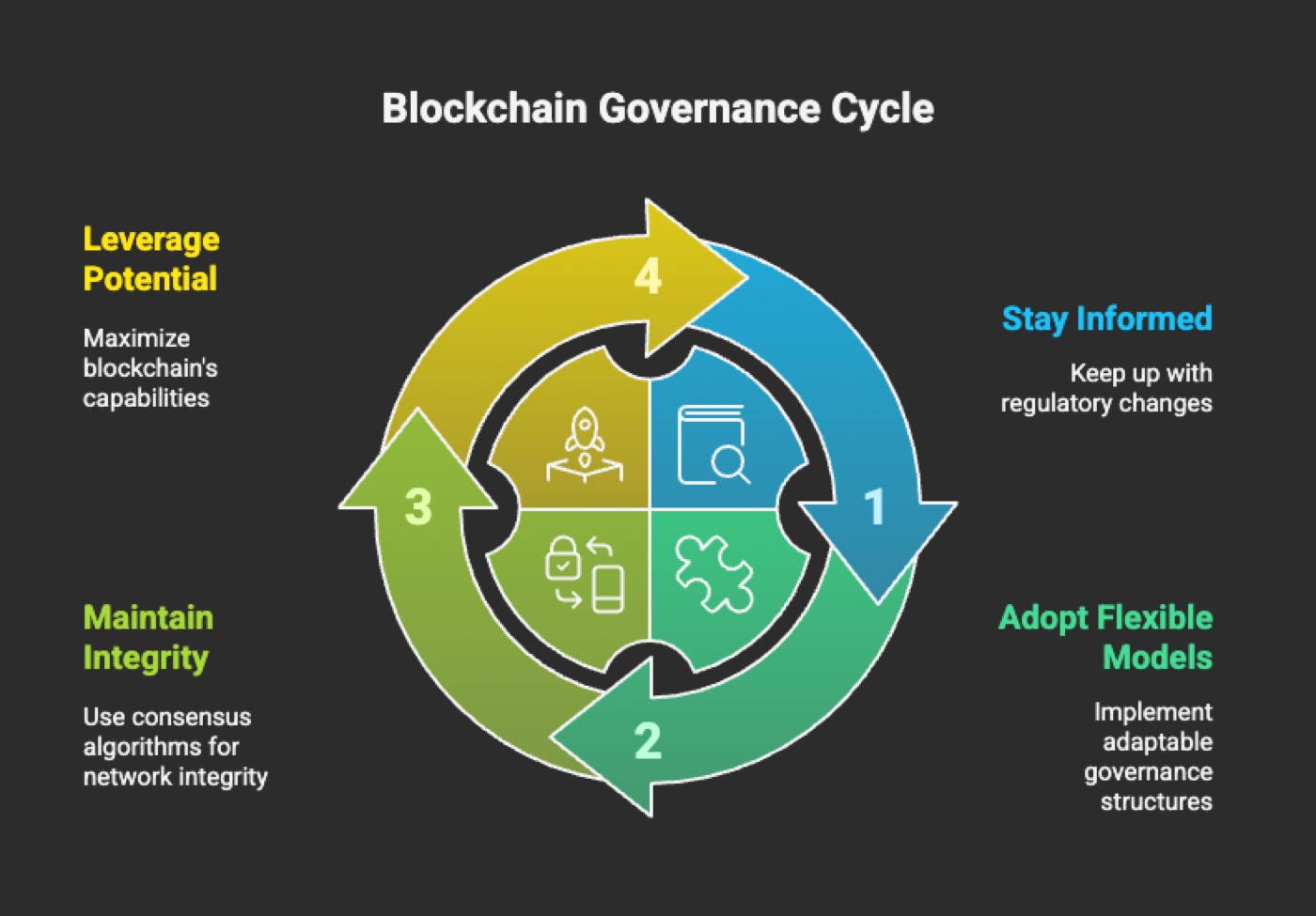
Balancing innovation with regulation is crucial for effective blockchain governance. As the industry evolves, staying informed about regulatory changes becomes imperative. Adopting flexible governance models can aid in navigating these shifts. Consensus algorithms play a pivotal role in maintaining the integrity of blockchain networks. They ensure that all participants agree on the network's state, which is essential for its smooth operation. As blockchain continues to grow, understanding these elements will be key to leveraging its full potential.
Conclusion: Blockchain's Future Landscape
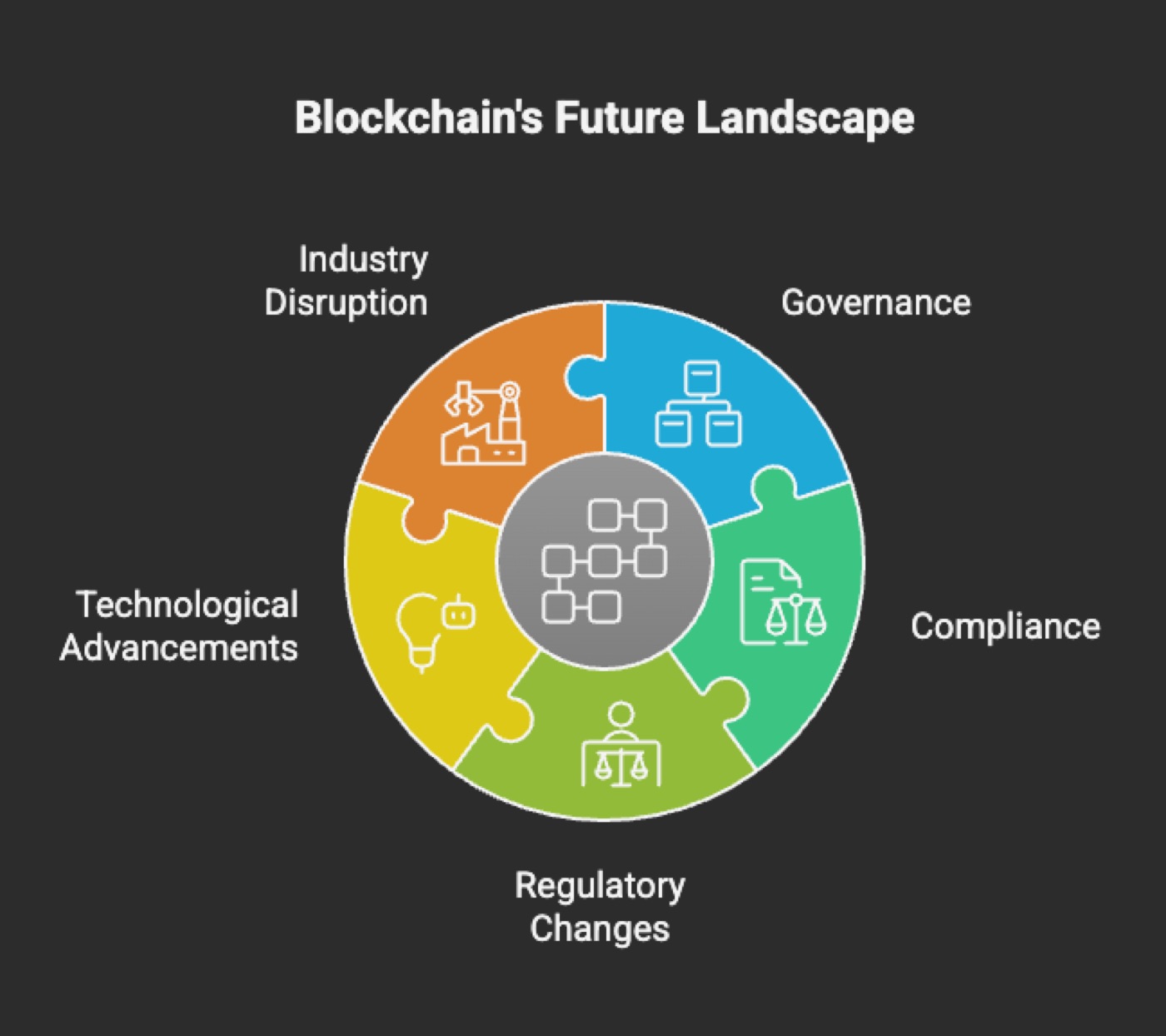
In the evolving landscape of blockchain, governance and compliance stand as pivotal pillars. They shape how networks operate and ensure adherence to legal standards. As blockchain continues to disrupt traditional industries, its potential to redefine sectors like finance, healthcare, and supply chain management is immense. However, with this potential comes the responsibility to adapt to regulatory changes and technological advancements. The future of blockchain will rely on our ability to navigate these challenges and embrace new opportunities. Continuous dialogue and adaptation are crucial. As regulations evolve, so must our approaches to governance and compliance. This ongoing evolution will determine blockchain's role in the future of global industries.
Further reading: VARA inspection readiness · Supervisors want evidence, not policies