Blockchain as a Service (BaaS): Market, Uses, Providers
What blockchain as a service is, how the market is growing, the main providers and use cases, and what to weigh before adopting a BaaS platform.

The market for Blockchain as a Service (BaaS) is expanding quickly. In 2024, it’s valued at around $6.9 billion. By 2029, experts expect it to reach nearly $42 billion. Growth rates are high, with some estimates showing a yearly increase of over 40%. This rapid rise shows how important BaaS is becoming for many industries. Regions like Asia Pacific are leading this change, with countries such as Singapore and Hong Kong pushing forward with new digital currency projects. As BaaS grows, more companies see it as a way to improve how they operate. It’s not just big firms. Small businesses and startups are also adopting these tools. This shift is changing how industries like finance, supply chain, and healthcare work. They are using BaaS to build better systems and meet new demands. The trend is clear: BaaS is shaping the future of digital business.
The Expanding BaaS Market
The market for Blockchain as a Service (BaaS) is growing quickly. Companies are adopting this technology to stay competitive in a changing digital world. Recent reports estimate the market size at around $6.91 billion in 2024. By 2029, it could reach nearly $42 billion. The growth rate is very high, with projections of over 43% annually. This rapid expansion is affecting many industries. Finance, supply chain, and healthcare are leading the way. Businesses see BaaS as a way to improve operations and build new solutions. As more organizations recognize its potential, the industry continues to expand.
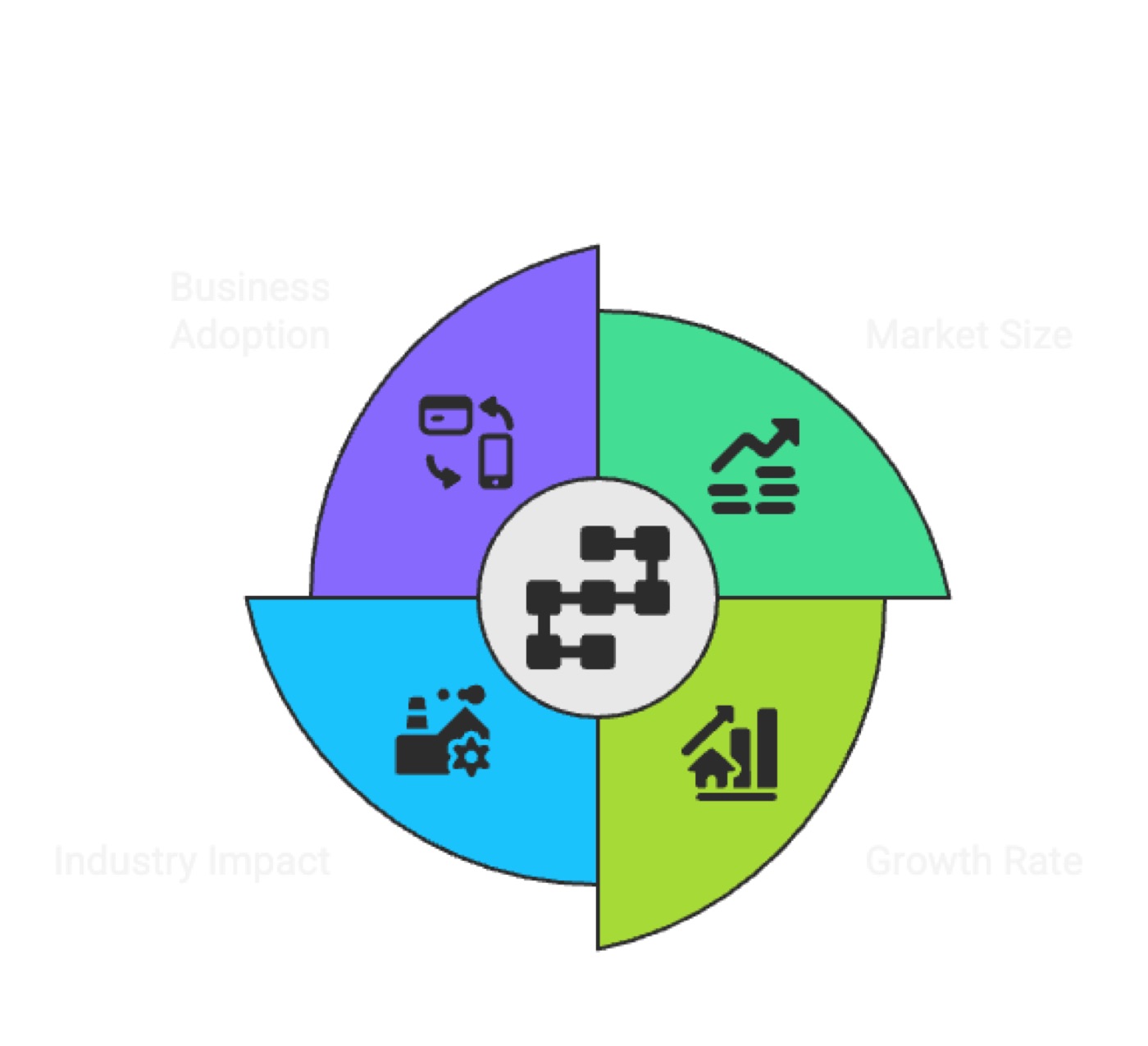
This trend shows how blockchain services are becoming a key part of modern business strategies.
Blockchain as a Service Benefits
Blockchain as a Service (BaaS) is a cloud-based platform that makes it easier for organizations to use blockchain. It provides the infrastructure needed to build and run blockchain applications without the need to set up everything from scratch. BaaS platforms handle the technical details, so businesses can focus on creating solutions that meet their needs.
BaaS includes tools for developing blockchain applications and features that connect these applications with existing systems. This setup allows companies to add blockchain functions to their operations smoothly. It’s accessible to organizations of all sizes, from small startups to large corporations.
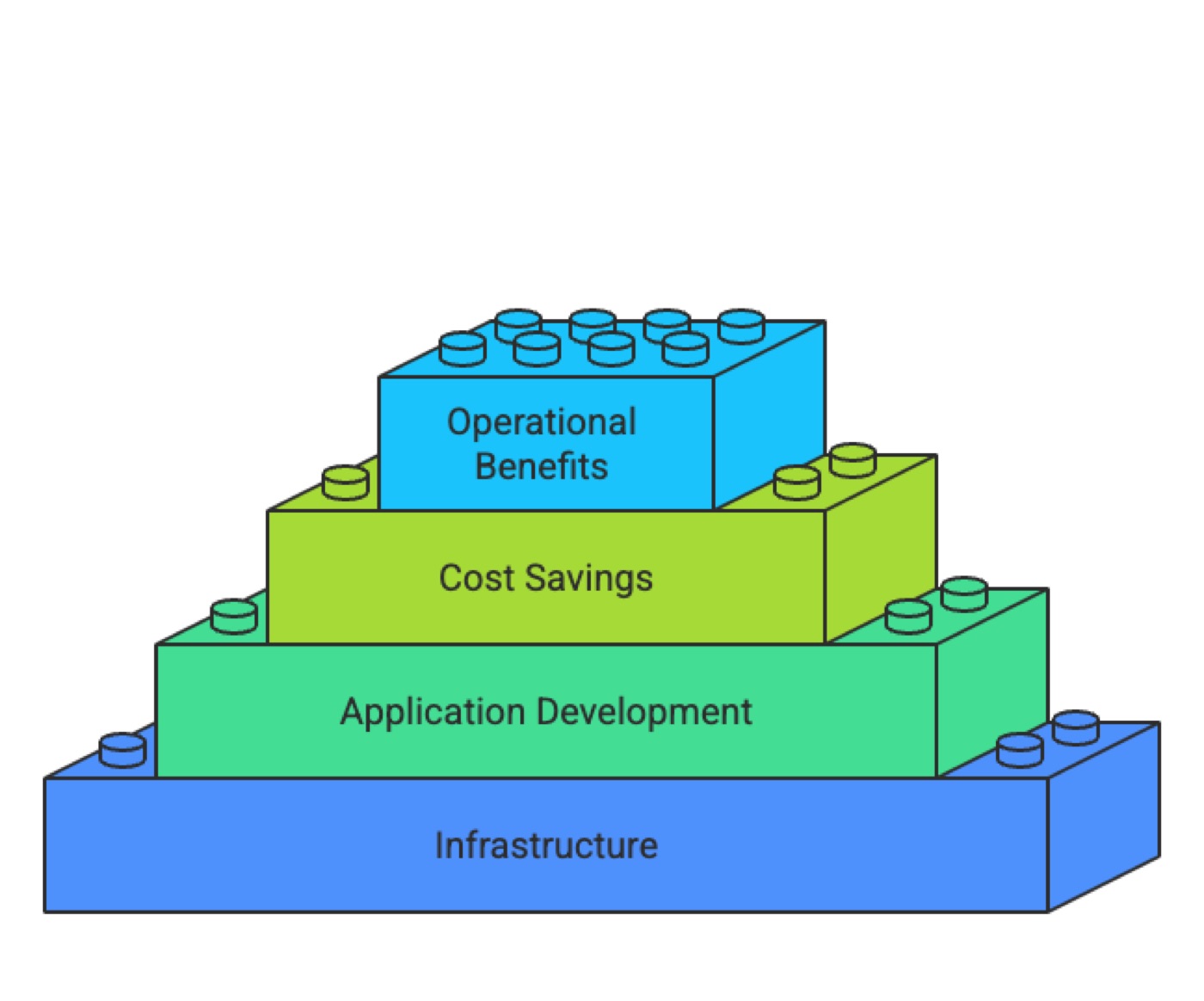
By using BaaS, companies save time and money. They avoid the high costs of building their own blockchain systems and benefit from managed services that handle maintenance and updates. This approach simplifies the process of adopting blockchain, making it possible for more businesses to explore its benefits.
Overall, BaaS acts as a bridge, bringing blockchain capabilities within reach for many organizations. It helps them improve transparency, security, and trust in their operations. As more industries recognize these advantages, BaaS is set to play a key role in the ongoing digital transformation.
Drivers of Blockchain as a Service Market Growth
The Blockchain as a Service (BaaS) market is expanding rapidly. In 2024, it is valued at around $6.91 billion. By 2029, it could reach nearly $42 billion. This growth is driven by several key factors. Regions like Asia Pacific are leading the way, with a growth rate of about 18.7%. Countries such as Singapore and Hong Kong are testing new digital currencies and tokenization projects. These efforts push the market forward.
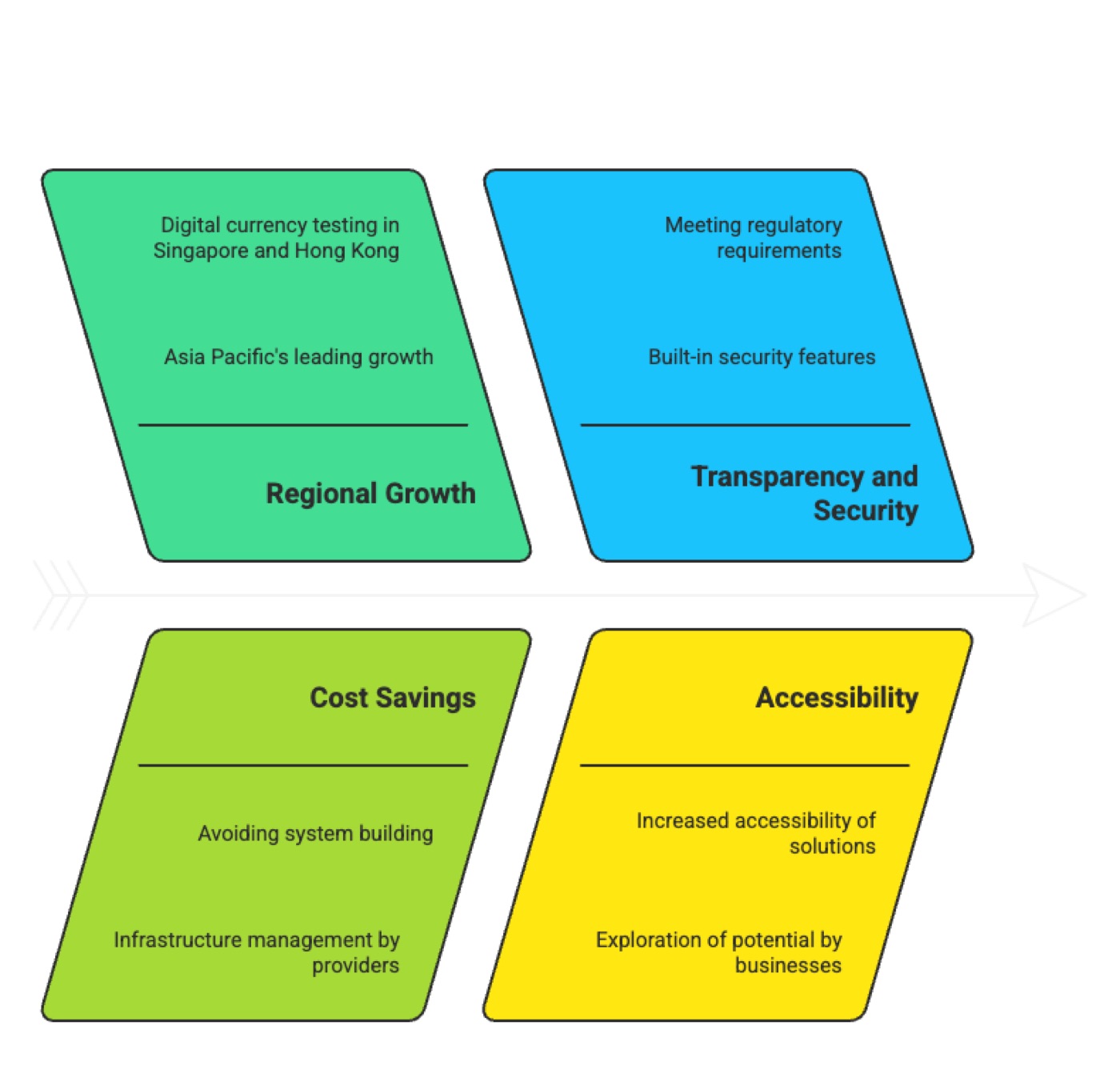
Cost savings play a big role. Companies avoid building their own blockchain systems. Instead, they use BaaS providers to manage infrastructure. This reduces expenses and speeds up project timelines. Many organizations also want more transparency and security. These features are built into BaaS platforms. They help meet strict regulations and protect data.
Industry experts say that these drivers will keep pushing BaaS adoption. As blockchain solutions become more accessible, more businesses will explore their potential. This growth will reshape how industries operate and compete.
The Versatile Applications of BaaS
Many industries are now turning to BaaS to improve their operations. In finance, BaaS supports decentralized finance (DeFi) projects and helps meet strict regulations. Companies use it to automate compliance and reporting. Supply chains benefit from BaaS by tracking products more accurately. This helps verify authenticity and reduces fraud. Healthcare providers use BaaS to manage digital identities and share patient data safely. These applications show how BaaS can fit into different sectors.
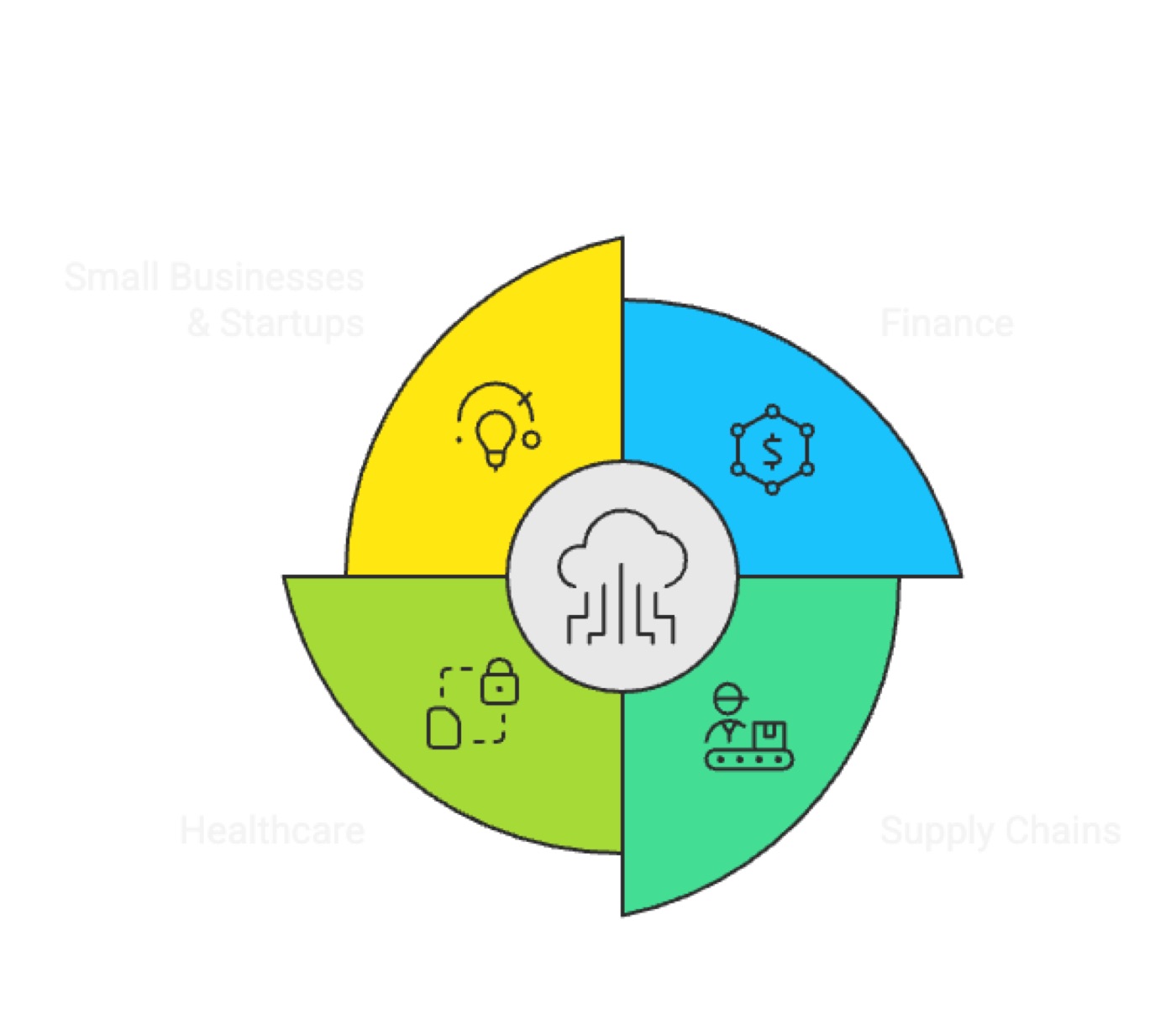
Some believe BaaS is only for large companies. That is not true. Small businesses and startups also use BaaS to build new solutions. It works alongside existing systems and doesn’t require deep blockchain knowledge. This makes it accessible for many organizations. As more industries see its value, adoption will continue to grow.
Market Growth and Regional Opportunities
The global BaaS market is expanding rapidly. In 2024, estimates place its size between $6.91 billion and $10.78 billion. By 2029, the market could reach over $41 billion. The growth rate is very high, with some sources predicting a compound annual growth rate (CAGR) of over 43%. This means the industry is set to grow quickly over the next few years.
Asia Pacific shows the strongest growth. Countries like Singapore and Hong Kong are leading the way. Their governments are testing digital currencies and tokenization projects. This regional push is expected to keep fueling expansion. The market in Asia is growing at nearly 19% each year. This trend highlights the region’s role in shaping the future of BaaS.
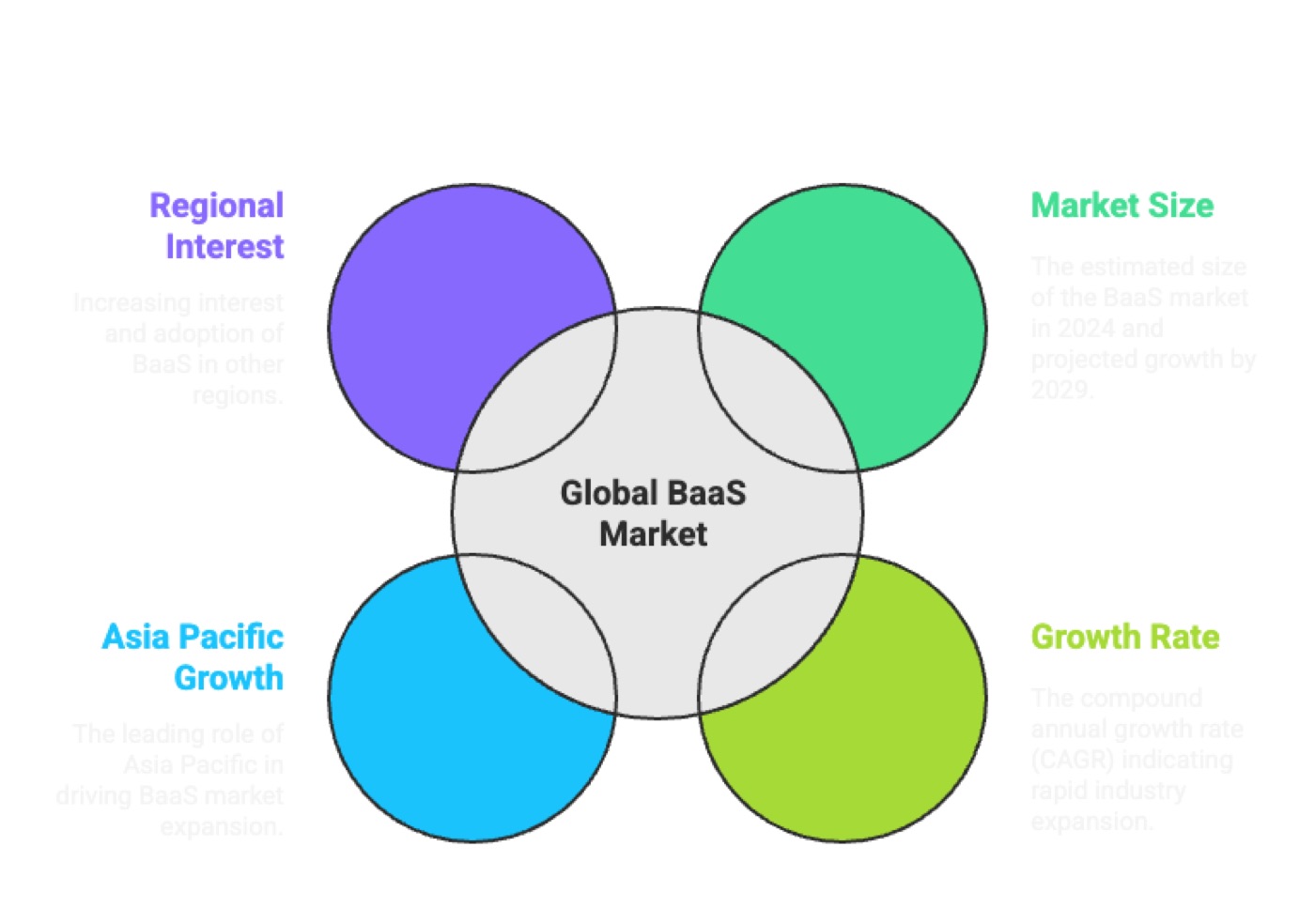
Other regions are also seeing increased interest. Companies are adopting BaaS to cut costs and improve operations. As blockchain services become more accessible, more industries are exploring its potential. The overall outlook suggests a significant shift in how businesses use blockchain solutions.
Future Trends in Blockchain as a Service (BaaS)
The future of Blockchain as a Service (BaaS) is set to expand significantly. New integrations with the Internet of Things (IoT) and artificial intelligence (AI) are on the horizon. These advancements will create more ways for industries to use blockchain. Companies will be able to connect devices and data more easily, opening new possibilities for automation and decision-making.
Regulation and standards are likely to increase. Governments and industry groups are working on rules to make blockchain use safer and more consistent. These changes will help organizations adopt BaaS more confidently.
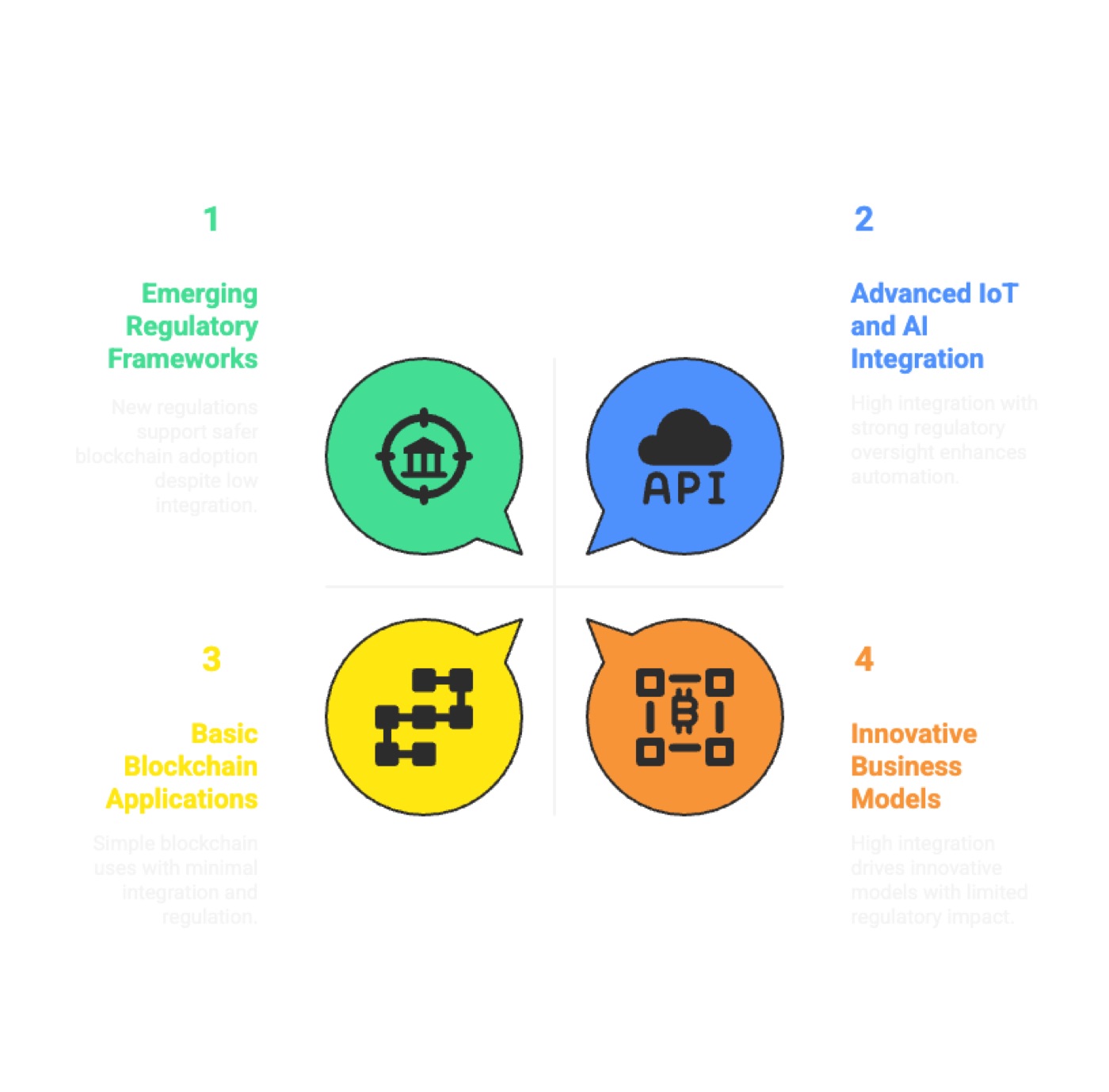
The market will continue to grow, especially in regions like Asia. Countries such as Singapore and Hong Kong are leading the way with government-backed projects. As these regions develop, they will set examples for others to follow.
Overall, BaaS will reshape how industries operate. It will enable new business models and improve existing processes. Companies that understand these trends will be better positioned to succeed in the evolving digital landscape.
Conclusion
The future of Blockchain as a Service (BaaS) is set to change how industries operate. New developments are emerging, such as combining BaaS with the Internet of Things (IoT) and artificial intelligence (AI). These integrations will open new ways to solve problems and create better systems. Governments and regulators are also working on rules to make BaaS safer and more consistent across regions. This will help build trust and make adoption easier for more organizations. Market estimates show that the BaaS industry could grow to over $41 billion by 2029. Regions like Asia are leading this expansion, driven by government projects and digital currency initiatives. As BaaS continues to evolve, it will reshape how businesses handle data, transactions, and digital identities. This growth will create new opportunities for companies to develop fresh solutions and reach new markets.
Further reading: VARA inspection readiness · Supervisors want evidence, not policies