Asset Tokenization: Real Estate, Bonds and Art On-Chain
How tokenization turns real estate, bonds, art and IP into tradable digital tokens, what fractional ownership changes, and where regulation is heading.

Tokenization is rapidly gaining traction across various industries. By 2025, the tokenized asset market is expected to soar to $5 trillion. This growth represents a significant leap from the $310 billion recorded in 2022. Real estate and bonds are set to lead this expansion, with real estate alone projected to reach $1.4 trillion. The shift towards tokenization promises to enhance profits for businesses and investors alike. It offers new avenues for financial growth by increasing asset liquidity and enabling fractional ownership. As industries embrace this trend, the potential for profit enhancement becomes increasingly evident.
Fundamentals of Tokenization
Tokenization is changing how we think about ownership. It involves converting rights to an asset into a digital token on a blockchain. This process allows assets to be divided into smaller parts, making them easier to trade. It opens up new opportunities for investors and asset holders alike.
One of the main benefits of tokenization is increased liquidity. Traditionally, assets like real estate or art are hard to sell quickly. Tokenization allows these assets to be traded more easily, often on a 24/7 basis. This can make them more attractive to investors who want flexibility.
Fractional ownership is another advantage. By breaking down assets into smaller tokens, more people can afford to invest. This democratizes access to high-value assets, such as luxury properties or rare artworks. It also allows for more diverse investment portfolios.
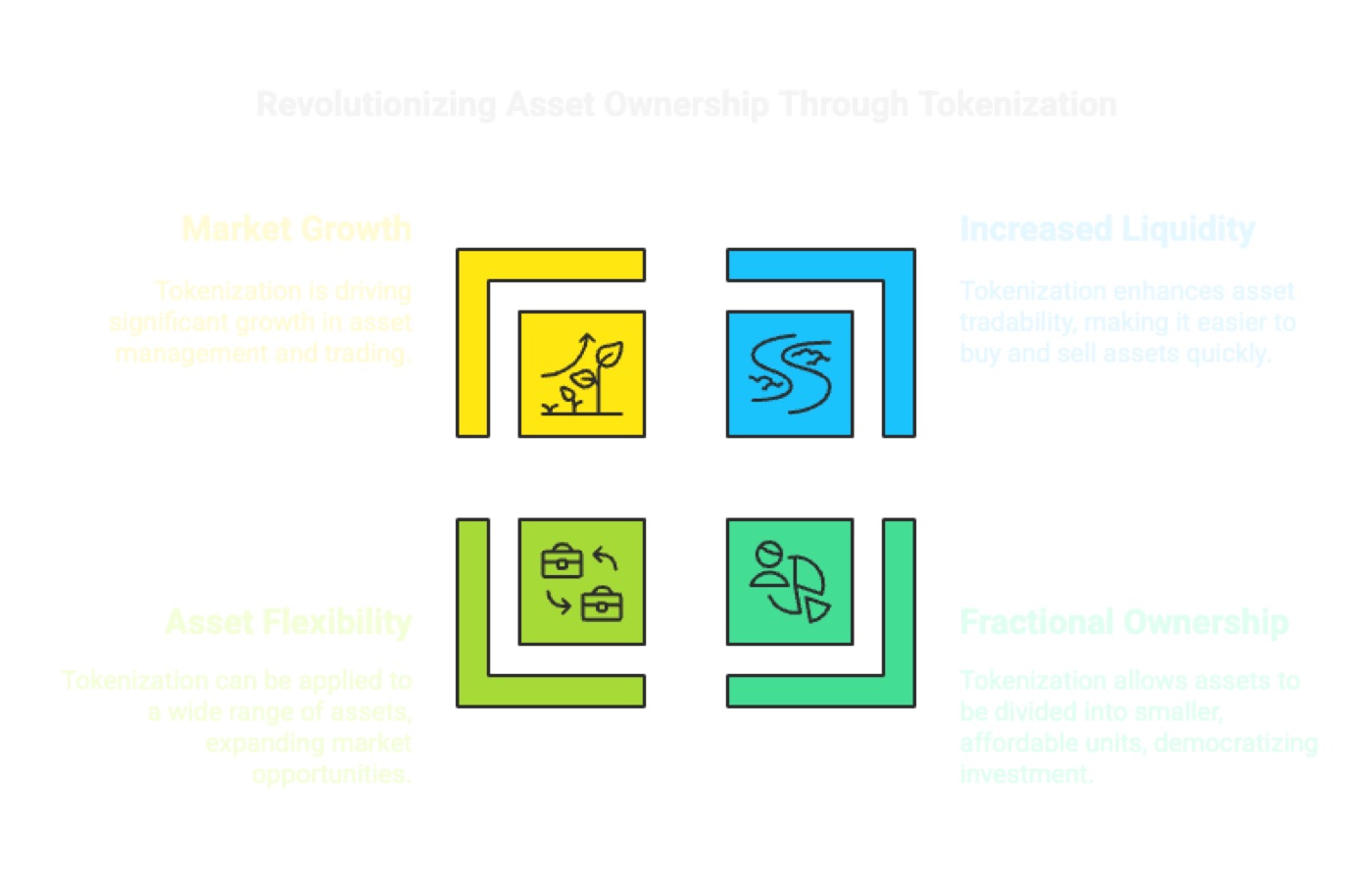
The range of assets that can be tokenized is vast. Real estate, art, and even intellectual property can be transformed into digital tokens. This flexibility means that almost any asset can potentially be tokenized, broadening the market significantly.
Tokenization is not just a trend; it is a shift in how assets are managed and traded. It offers a new way to think about ownership and investment. As the market grows, understanding these fundamentals becomes increasingly important.
Advanced Aspects of Tokenization
Smart contracts are revolutionizing how transactions occur. They automate processes, removing the need for intermediaries. This reduces costs and speeds up transactions. Interoperability is another crucial factor. It allows tokens to move across different platforms. This enhances their utility and value. The market for tokenized securities is booming. It is expected to grow by 200% on blockchain platforms.
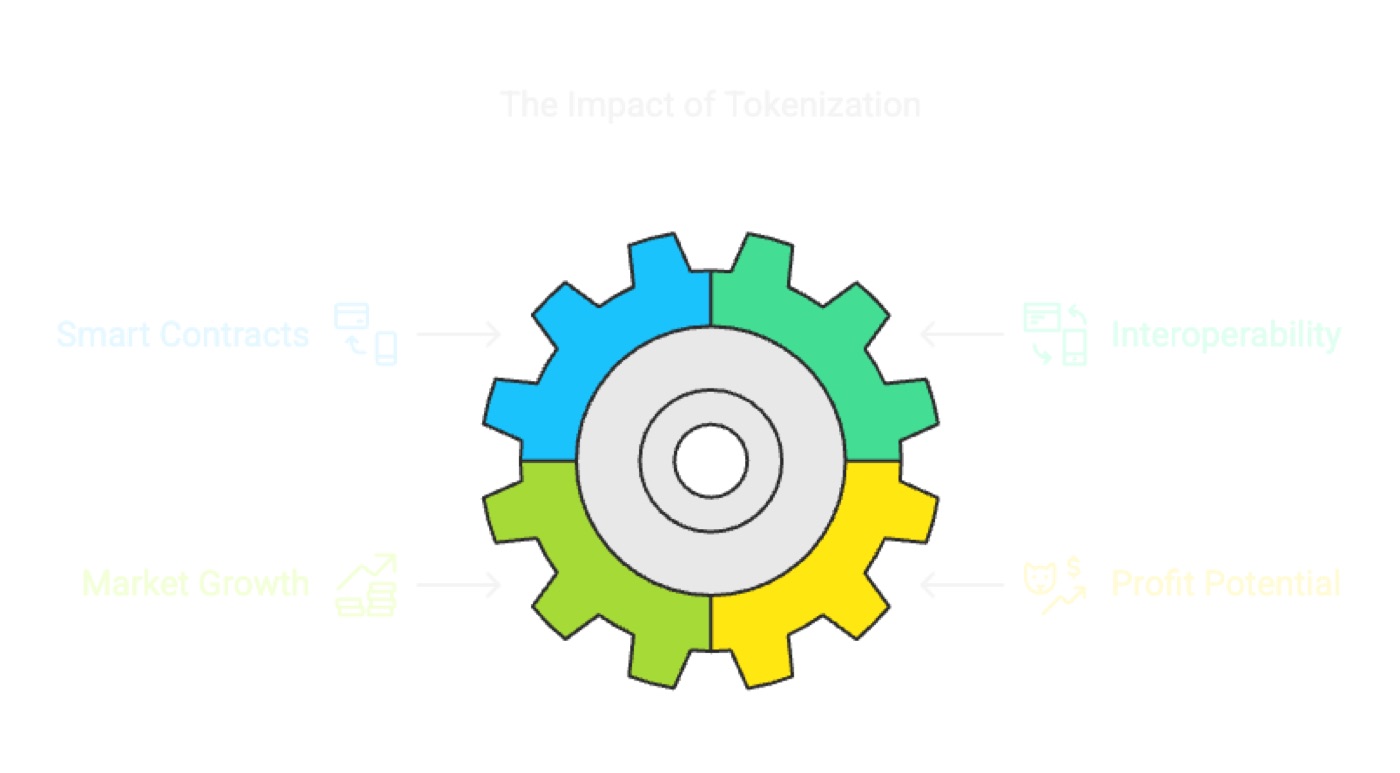
This growth signifies a shift in how assets are managed and traded. As these technologies evolve, the potential for profit increases. Investors should pay attention to these trends. Understanding these elements is key to leveraging tokenization effectively.
Practical Examples of Tokenization
Tokenization is reshaping real estate. Imagine buying a fraction of a property instead of the whole. This simplifies the buying process and opens doors for more investors. You no longer need to be wealthy to invest in high-value assets. Tokenization makes it possible for anyone to own a piece of prime real estate.
Art is another sector benefiting from tokenization. High-value art pieces can now be owned by multiple investors. This means you can own a share of a masterpiece without needing millions. It democratizes art investment, making it accessible to a broader audience.
Bonds are also seeing a transformation through tokenization. This process allows for easier trading and increased liquidity. Investors can buy and sell bonds more freely, enhancing market dynamics. This flexibility is a game-changer for traditional financial markets.
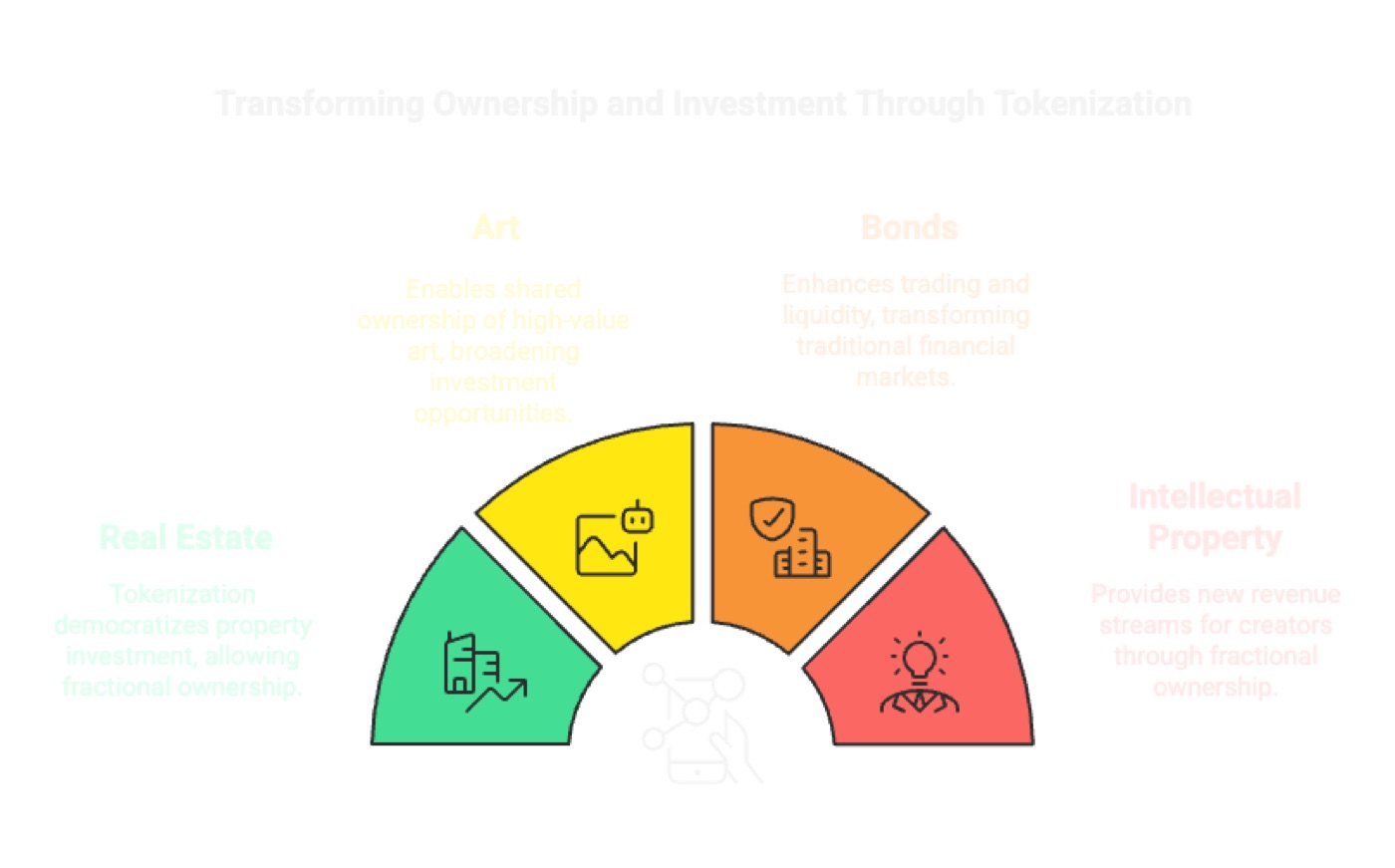
Intellectual property is an emerging area for tokenization. Creators can tokenize their work, allowing for fractional ownership and royalties. This opens new revenue streams for artists and inventors. It also encourages innovation by providing financial incentives.
These examples show how tokenization is not just a trend but a fundamental shift. It’s changing how we think about ownership and investment. As more sectors adopt tokenization, the potential for growth and profit is immense.
Addressing Common Misconceptions
Tokenization is often seen as complex, but it's becoming more accessible. User-friendly platforms are making it easier for everyone, not just tech experts. This shift is crucial as more people look to invest in digital assets. Concerns about risks are valid, but efforts to create robust regulatory frameworks are underway. These frameworks aim to protect investors and ensure fair practices.
One major misconception is that tokenization is unregulated. In reality, many countries are developing specific rules. By 2025, over 80% of jurisdictions are expected to have regulations in place. This is a significant increase from 50% in 2023. Such regulations are vital for building confidence in digital asset markets.
Another common myth is that tokenization is only for high-value assets. While real estate and art are popular, other sectors like intellectual property and bonds are also emerging. This broadens the scope for investors and offers new opportunities for profit.
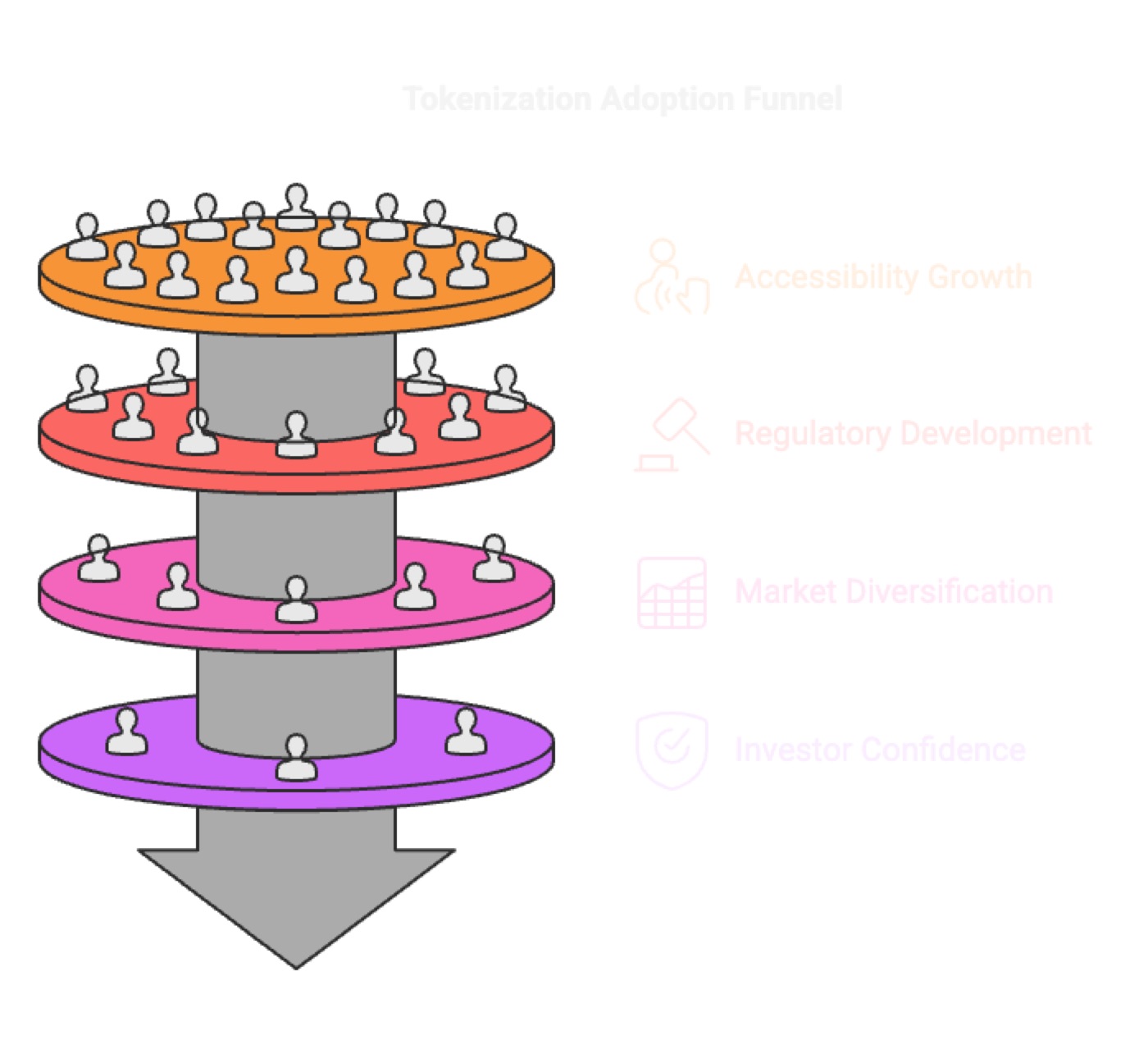
Understanding these aspects can help dispel fears and encourage more participation in tokenized markets. As more regions adopt regulations, the landscape will continue to evolve, offering safer and more diverse investment options.
Latest Developments in Tokenization
Regulatory bodies worldwide are increasingly embracing tokenized assets, setting the stage for their integration into financial systems. The EU's Markets in Crypto-Assets framework is a prime example, outlining rules to protect investors. In the U.S., the SEC and CFTC are defining boundaries for tokens as securities and commodities. This regulatory clarity is crucial as more countries aim to establish digital asset regulations by 2025.
Technological advancements are also playing a pivotal role. Enhanced blockchain scalability is improving transaction handling, making tokenization more viable for large-scale operations. Although specific advancements weren't detailed, the focus remains on boosting efficiency and automation in token processes.
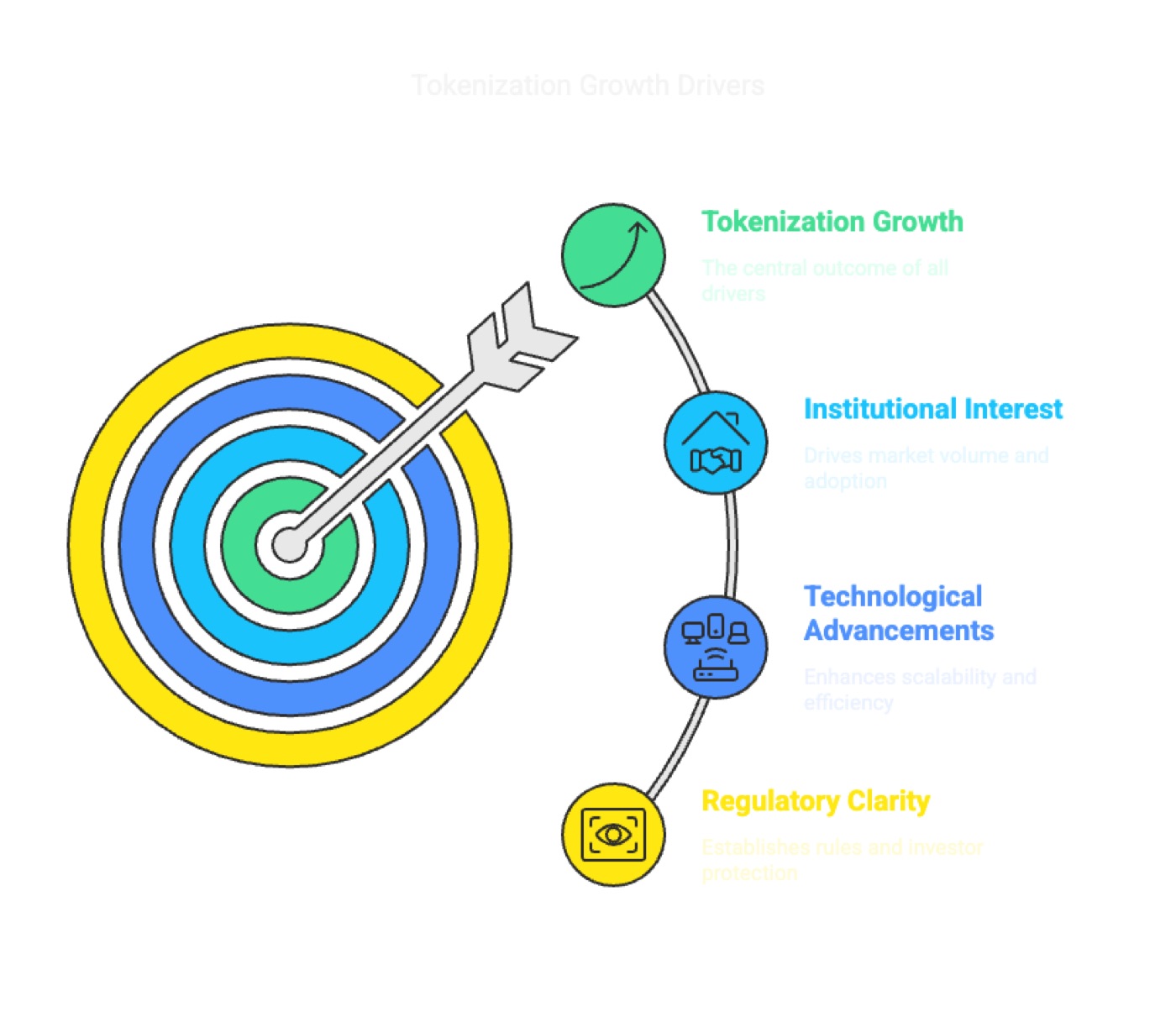
Institutional interest is on the rise, with over 80% of institutional investors expected to adopt tokenization. This shift is projected to increase market volume significantly, with institutional trading in digital assets growing from 35% in 2023 to 50% by 2025. The improved infrastructure and risk management tools are key drivers of this adoption. As tokenization platforms become more user-friendly, they are set to attract a broader investor base, further boosting market participation.
Insights and Future Developments
Industry experts stress the importance of understanding both the assets and market demand for successful tokenization. Selecting the right blockchain platform is crucial. It must offer the necessary features to support tokenization effectively. Staying informed about regulatory changes is also vital. As regulations evolve, they shape how tokenized assets are managed and traded. Technological advancements continue to transform the landscape. Keeping up with these changes ensures that businesses remain competitive and compliant. Experts agree that knowledge and adaptability are key to leveraging tokenization's full potential.
Tokenization is set to revolutionize various sectors, reshaping how we view traditional markets. Experts predict a surge in tokenization, driven by advancements in infrastructure and ease of use. This evolution will likely attract more participants, enhancing market liquidity and engagement.
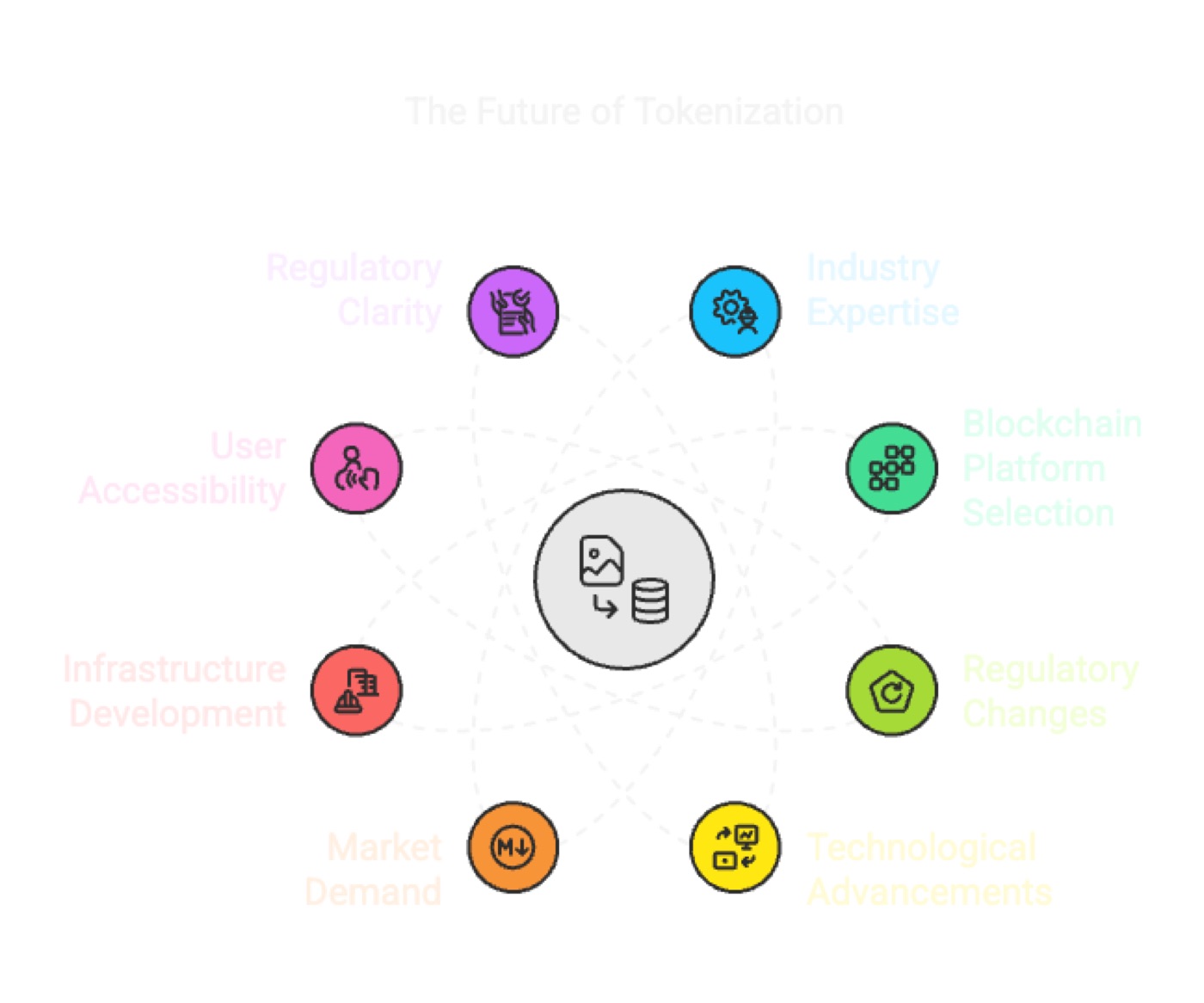
As platforms become more accessible, broader adoption is expected. Improved user interfaces and robust custody solutions are making tokenized assets appealing to both institutional and retail investors. This shift could lead to increased liquidity in secondary markets, benefiting all stakeholders involved.
The future holds promising developments in the regulatory landscape as well. With more jurisdictions establishing guidelines, the path for tokenization is becoming clearer. This regulatory clarity will likely foster confidence among investors, encouraging further participation and investment.
Conclusion
In conclusion, the rise of tokenization will continue to impact traditional markets. As the industry evolves, staying informed and adaptable will be crucial for leveraging its full potential. The next few years promise significant growth and transformation across various sectors.
Further reading: VARA inspection readiness · Supervisors want evidence, not policies