UAE Digital Dirham: What the CBDC Means for Banks
How the UAE’s Digital Dirham, the new dirham symbol and the FX Global Code fit the Central Bank’s infrastructure programme, and what banks should prepare for.

The UAE is taking a bold step into the digital age with its new currency initiative. The Digital Dirham is set to launch by the end of 2025. This move aligns with global trends in digital finance. The initiative aims to modernize the UAE's financial landscape. It reflects a shift towards digital currencies worldwide. The introduction of the Digital Dirham marks a significant milestone. It positions the UAE as a leader in digital currency adoption. This development is part of a broader strategy to enhance financial systems. The UAE is embracing change to meet future challenges head-on.
Core Components of the Initiative
The UAE is taking a bold step with the introduction of a new symbol for the dirham. This symbol is more than just a design; it represents a shift in the nation's financial identity. It aims to unify and modernize the currency's presence in both local and global markets. The symbol serves as a visual anchor for the country's economic ambitions.
The launch of the digital dirham is a key part of the Financial Infrastructure Transformation Program. This initiative aims to integrate digital currency into everyday transactions. By doing so, it seeks to streamline the financial system and make transactions more accessible to everyone. This digital currency is expected to play a significant role in the UAE's economic landscape by the end of 2025.
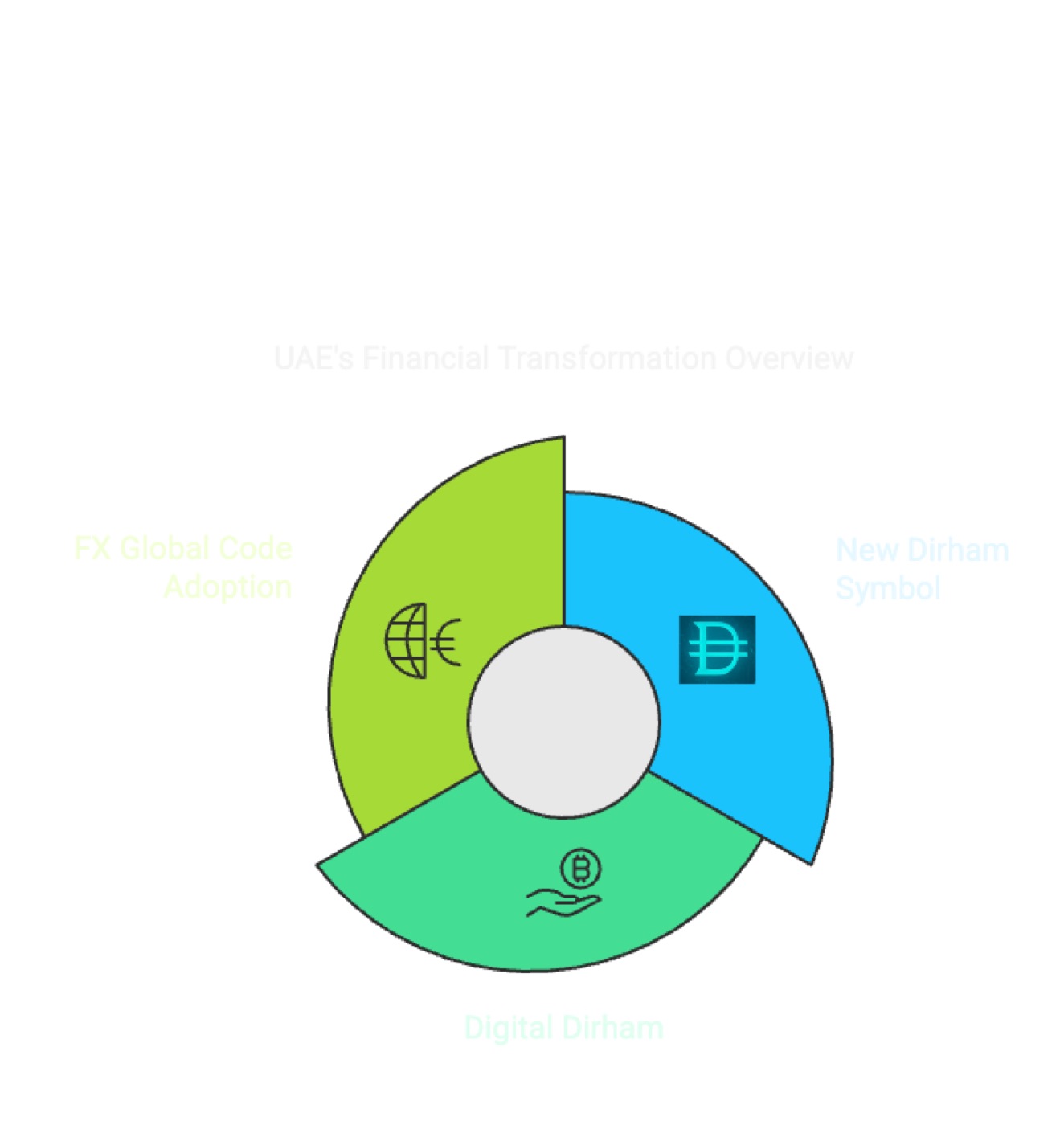
The Central Bank of the UAE has also adopted the FX Global Code. This move is significant as it aligns the country's foreign exchange practices with international standards. The adoption of the code ensures that the UAE remains competitive in the global market. It also highlights the country's commitment to maintaining high ethical standards in financial dealings.
Together, these components form a comprehensive strategy to enhance the UAE's financial infrastructure. They set the stage for significant advancements in how financial transactions are conducted, both domestically and internationally. This initiative not only modernizes the financial system but also positions the UAE as a leader in the evolving world of digital finance.
Key Terms Defined
Dirham: The official currency of the United Arab Emirates. It's a symbol of economic strength and national identity.
Digital Dirham: This is the digital version of the physical dirham. It serves as a new tool for transactions, offering ease of use and integration into the modern financial system.
FX Global Code: This is a set of guidelines aimed at promoting best practices in the foreign exchange market. It ensures that all participants adhere to ethical standards, enhancing the integrity of financial exchanges.
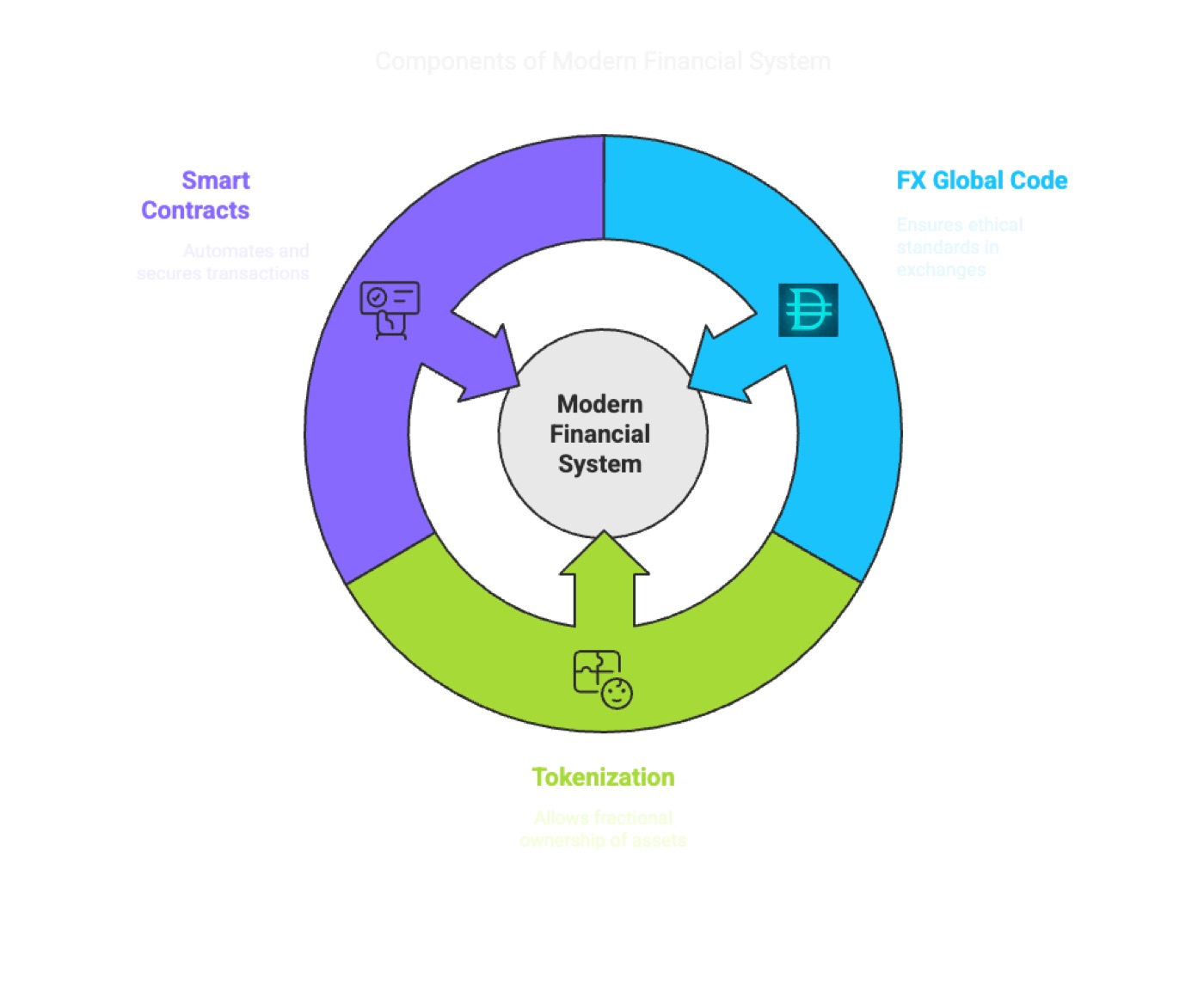
Tokenization: This process involves breaking down assets into smaller, tradable units. It allows for greater flexibility and accessibility in financial markets, making it easier for people to invest and trade.
Smart Contracts: These are self-executing contracts with the terms of the agreement directly written into code. They automatically execute transactions when certain conditions are met, reducing the need for intermediaries and increasing transaction speed.
Complex Concepts Explained with Analogies
The new dirham symbol acts as a national emblem. Think of it like a brand logo. It represents the UAE's identity in the financial world. Just as a logo gives a brand its unique presence, the dirham symbol gives the currency a distinct recognition.
Now, consider the digital dirham. It's like an online wallet. Imagine how digital music services changed how we listen to music. The digital dirham changes how we handle money. It offers convenience and accessibility, much like streaming music from anywhere.
Tokenization is another key concept. Picture it as slicing a pie into smaller pieces. Each piece represents a fraction of the whole. This makes it easier to trade and access assets. It breaks down barriers, allowing more people to participate in the financial system.
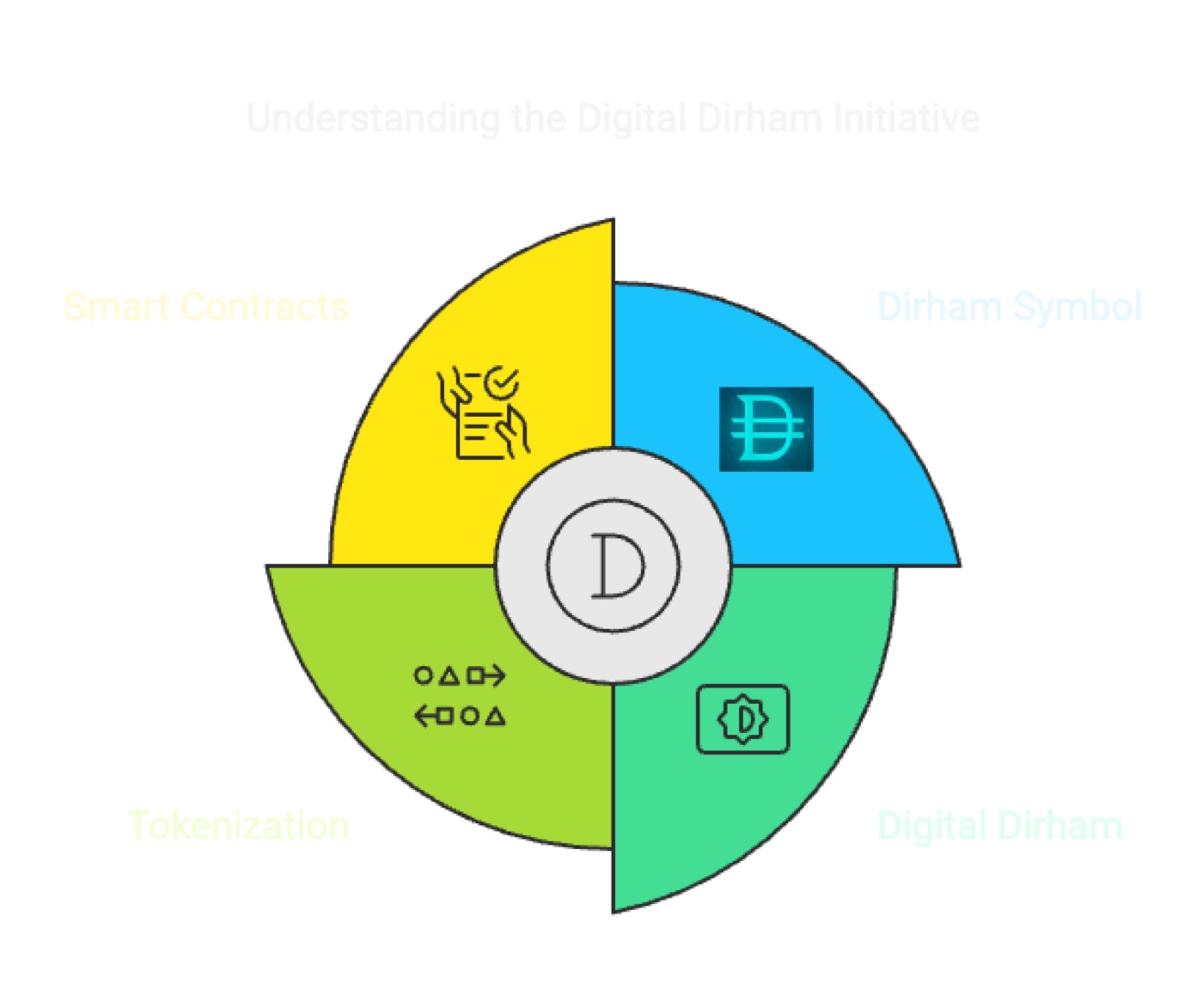
Smart contracts are like self-executing agreements. Imagine a vending machine. You insert money, and it automatically dispenses a snack. Smart contracts work similarly. They execute transactions automatically when conditions are met. This reduces the need for intermediaries and speeds up processes.
These analogies help demystify the initiative. They show how the digital dirham and related technologies integrate into everyday life. Understanding these concepts is crucial as the UAE embraces a new era in finance.
Step-by-Step Explanation of the Initiative
- Symbol Introduction: The UAE is introducing a new symbol for the dirham. This symbol acts as a national emblem, much like a brand logo. It represents the UAE's commitment to modernizing its currency system. The design reflects the country's heritage while signaling a move towards a digital future.
- Digital Dirham Launch: The digital dirham aims to revolutionize financial transactions. Set to launch by the end of 2025, it will integrate into the existing financial ecosystem. This digital currency will streamline payments and enhance financial operations. It promises to simplify transactions for both consumers and businesses.
- FX Global Code Adoption: The Central Bank of the UAE is adopting the FX Global Code. This move sets a standard for ethical practices in the foreign exchange market. It positions the UAE as a leader in maintaining integrity within financial transactions. This code ensures that all participants adhere to the highest standards.
- Digital Dirham Features: The digital dirham will incorporate tokenization and smart contracts. Tokenization allows assets to be divided for easier trade, increasing accessibility. Smart contracts automate transactions, ensuring they execute without manual intervention. These features aim to make financial dealings more straightforward and efficient.
- Platform Development: A secure platform will support the digital dirham. It will include a user-friendly wallet that facilitates easy access to digital currency. This platform will ensure that users can manage their digital assets with ease. It represents a significant step in making financial services more inclusive and accessible.
Relevance and Importance
The UAE is taking bold steps to modernize its financial system. The introduction of the digital dirham marks a significant shift in how transactions are conducted. This initiative aligns with a global trend towards digital currencies. These currencies are set to change the way we handle money. They offer new possibilities for financial transactions.
Digital currencies are not just a local phenomenon. They have the potential to transform the global economy. The digital dirham is part of this larger movement. It aims to improve financial inclusion and streamline transactions. By adopting digital currencies, the UAE is setting an example for other nations. This move highlights the potential benefits of digitalization.
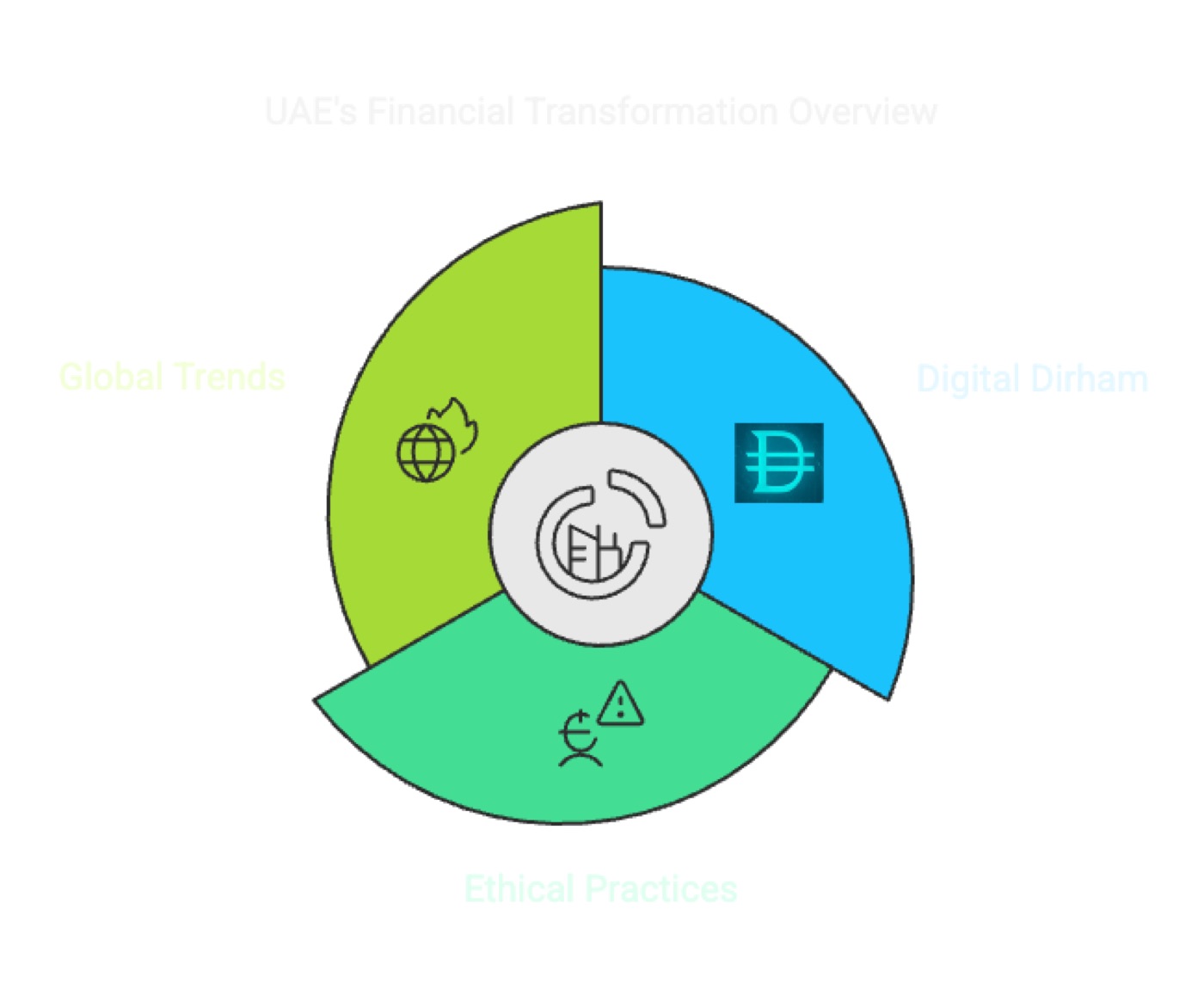
Moreover, the UAE's efforts go beyond just digital currencies. The adoption of ethical practices in finance is equally important. The FX Global Code is a step towards promoting integrity in financial markets. This shows the UAE's dedication to maintaining high standards in its economic dealings.
In conclusion, the UAE's initiatives are reshaping its financial landscape. The digital dirham and ethical practices are key components of this transformation. These efforts position the UAE as a leader in the digital economy. They also underscore the importance of adapting to new financial realities.
General Statistics and Facts
The Digital Dirham is set to enter retail markets by the end of 2025. This marks a significant milestone in the UAE's financial landscape. The currency will be accessible through licensed financial institutions. These include banks, exchange houses, and fintech firms. However, the exact number of supporting institutions remains unspecified. As we approach the launch, projections on its usage are still unclear. This leaves room for speculation on its adoption rate. The introduction of the Digital Dirham aligns with global shifts towards digital currencies. It reflects the UAE's ambition to stay at the forefront of financial innovation.
Technological and Security Aspects
The Digital Dirham promises to redefine financial transactions. It uses a decentralized ledger to ensure each transaction is recorded and verifiable. This system minimizes the risk of fraud and unauthorized changes. One key feature is tokenization. This process converts assets into digital tokens, making transactions quicker and more inclusive.
Smart contracts play a crucial role. They automatically execute agreements when certain conditions are met. This reduces the need for intermediaries, speeding up processes and lowering costs. Businesses can benefit from real-time settlements, which enhance operational efficiency.
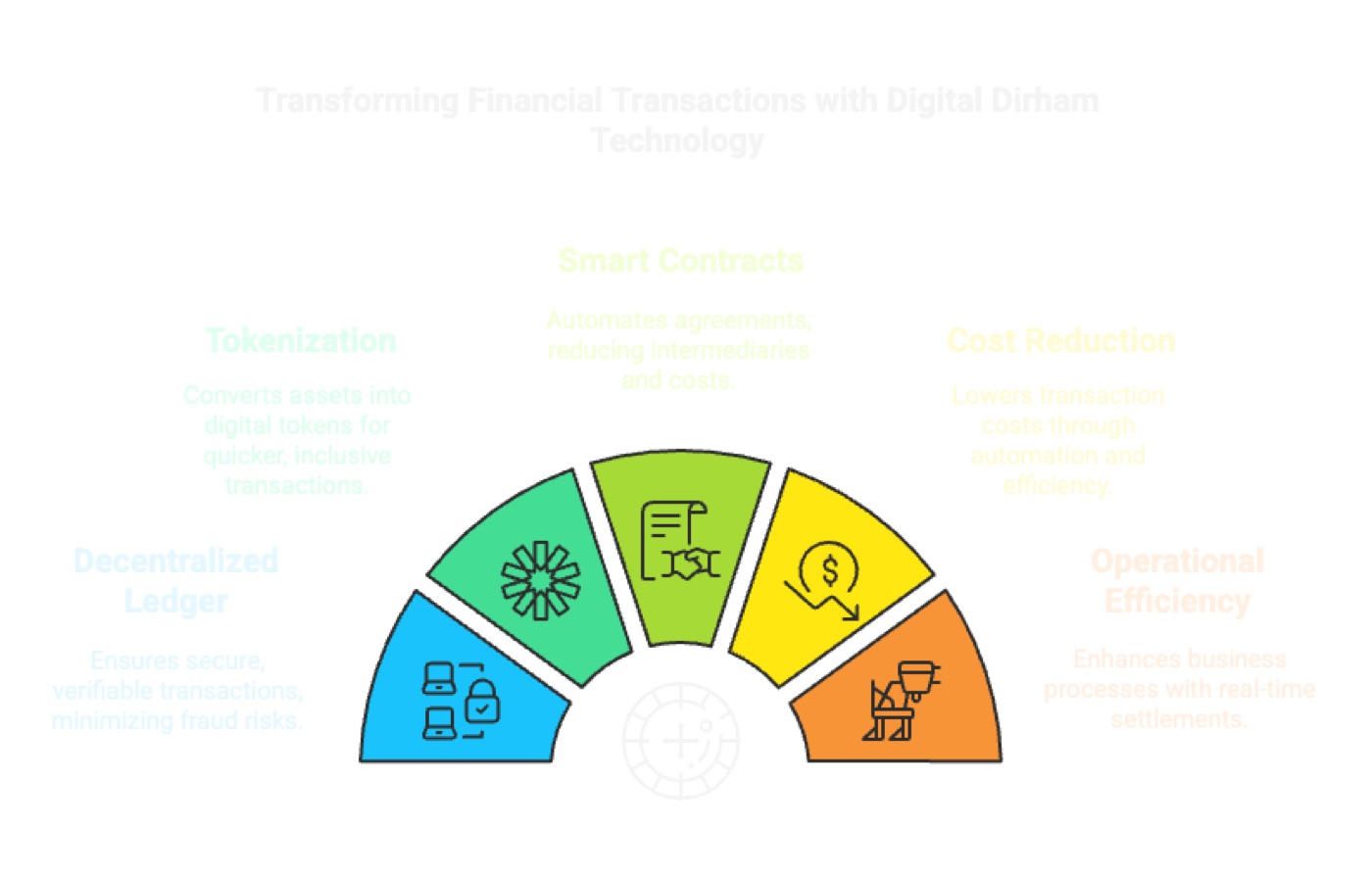
The Digital Dirham also aims to cut transaction costs. By automating processes, it reduces the need for manual intervention. This not only saves time but also decreases the potential for human error. As a result, businesses can operate more smoothly.
In conclusion, the Digital Dirham is set to transform how financial transactions occur. By leveraging advanced technologies, it offers a more streamlined and cost-effective approach. This marks a significant step forward in the UAE's financial landscape.
Economic and Financial Impact
The Digital Dirham is set to redefine how the UAE engages in global trade. While specific GDP impacts by 2026 remain unspecified, the potential is undeniable. The introduction of the Digital Dirham aims to enhance cross-border payments. This will streamline international trade, particularly with key partners like India. Initiatives such as mBridge and bilateral CBDC bridges are at the forefront. These efforts are designed to facilitate real-value transactions. They promise to boost financial stability and inclusion.
The Digital Dirham's influence extends beyond borders. It is poised to combat financial crime effectively. By integrating with existing financial systems, it ensures a seamless transition. This integration is crucial for maintaining economic stability. The UAE's strategic move positions it as a leader in digital currency adoption. The focus is on creating a robust financial ecosystem. This ecosystem will support the nation's growth and global competitiveness.
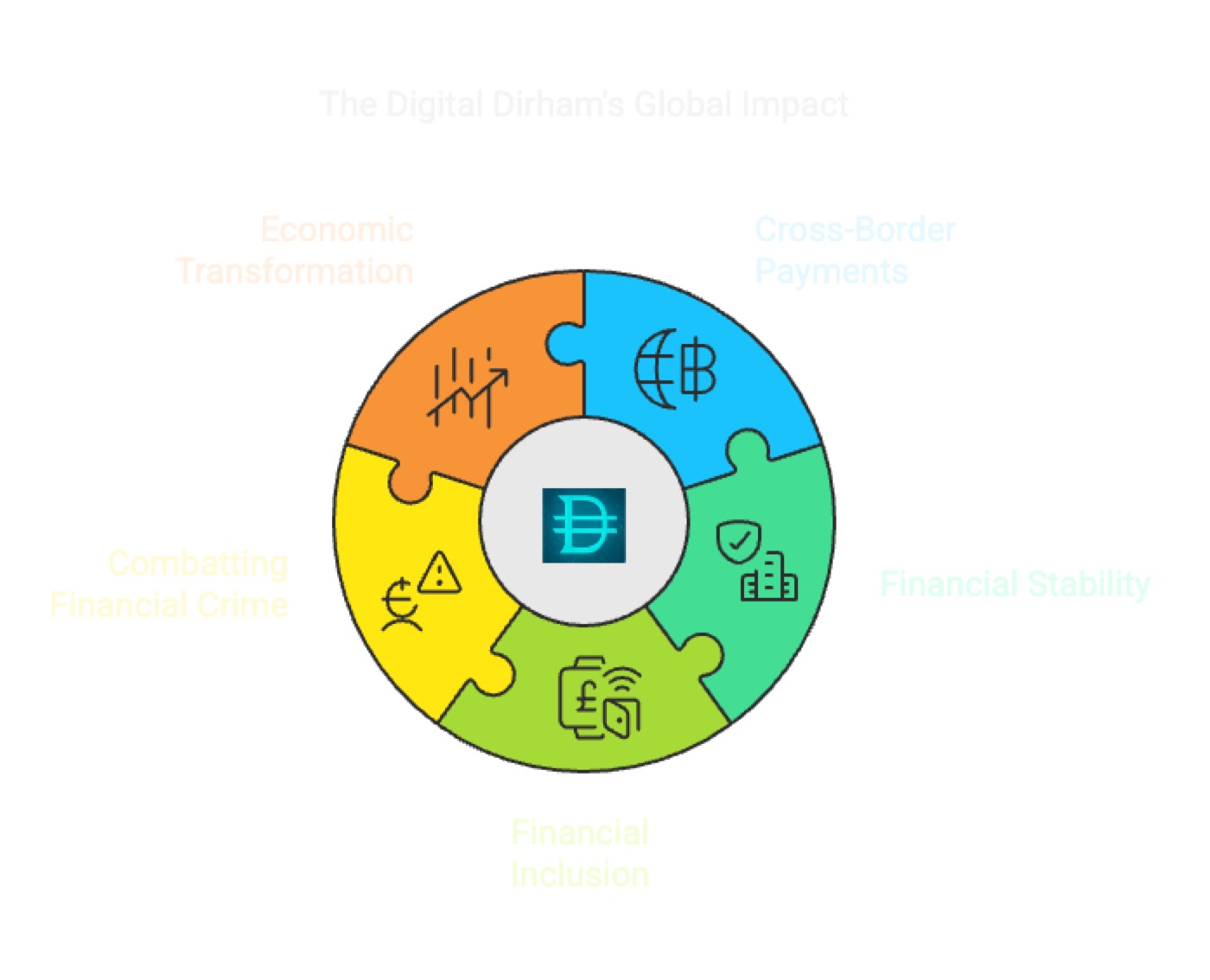
In summary, the Digital Dirham is more than a currency. It is a catalyst for economic transformation. Its impact on international trade and financial security is significant. The UAE is setting a new standard in the digital currency landscape. This initiative underscores the nation's commitment to financial innovation. It is a bold step towards a more interconnected global economy.
User Adoption and Accessibility
The Digital Dirham is set to transform how people and businesses in the UAE engage with money. Its launch is expected to integrate smoothly with the existing financial ecosystem. This integration is crucial for its anticipated widespread adoption. The Digital Dirham wallet will play a significant role in this transition. It aims to offer user-friendly access, making digital transactions more straightforward for everyone.
One of the most promising aspects of the Digital Dirham is its potential to enhance financial inclusion. The wallet will use tokenization, allowing people to access digital assets in smaller, more manageable portions. This feature is particularly beneficial for underserved populations who might not have access to traditional banking services. By breaking down financial barriers, the Digital Dirham could bring more people into the formal financial system.
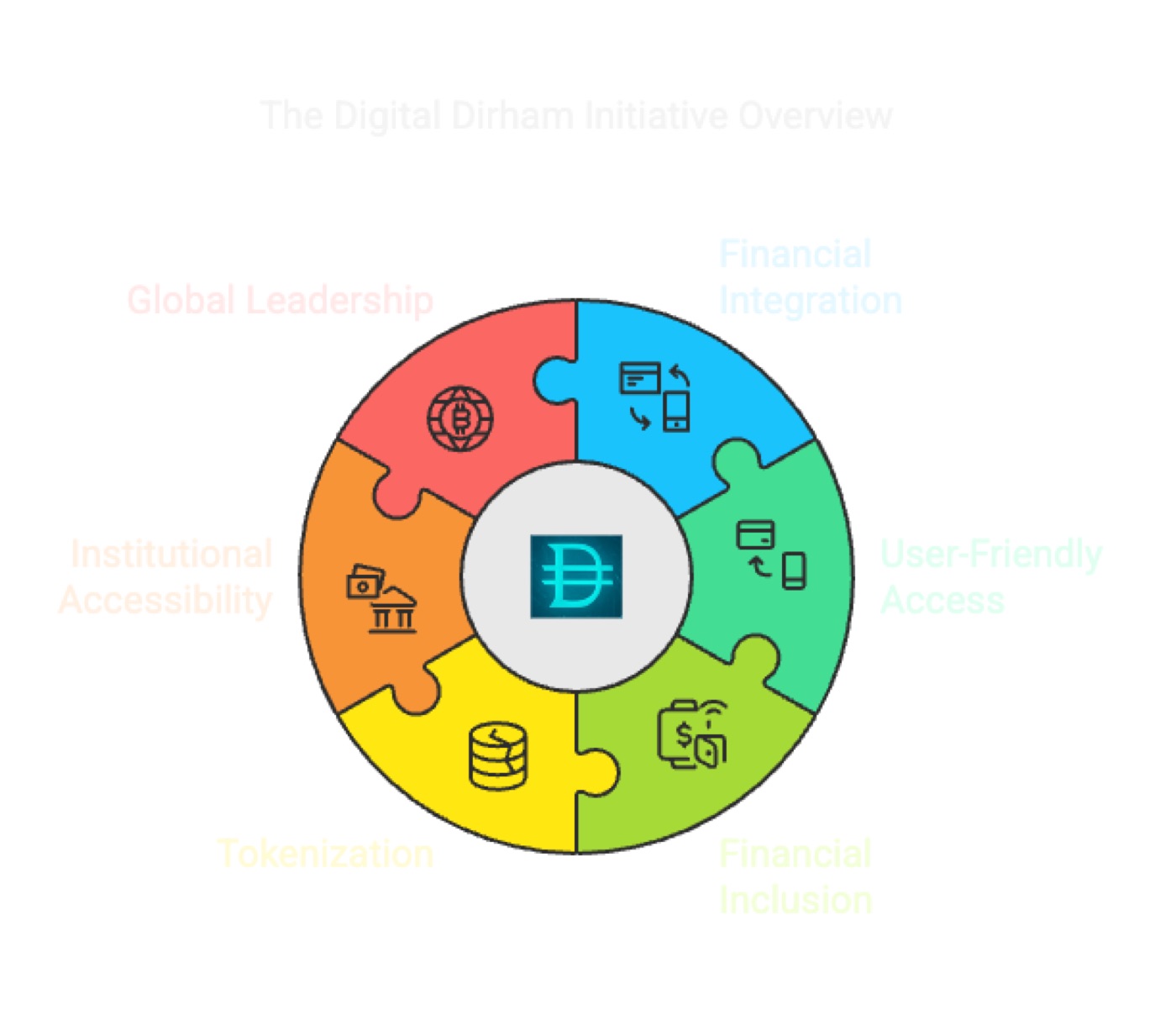
Moreover, the Digital Dirham is designed to be accessible through various licensed financial institutions. This includes banks, exchange houses, and fintech firms. Such widespread availability ensures that both consumers and businesses can easily adopt the new currency. As a result, the UAE is poised to lead in the digital currency space, setting a precedent for other nations to follow.
Regulatory and Compliance
The Digital Dirham will operate under a robust framework. This framework is crafted by the Central Bank of the UAE (CBUAE). It involves collaboration with commercial banks and key stakeholders. The aim is to ensure the Digital Dirham is a legally recognized payment method. It will function alongside physical currency, ensuring it fits seamlessly into the existing financial ecosystem.
The CBUAE's adoption of the FX Global Code marks a significant milestone. This move positions the UAE as a leader in the Arab region. The FX Global Code promotes best practices within the foreign exchange market. It sets ethical standards that enhance the integrity of financial dealings. This adoption reflects the UAE’s commitment to maintaining high standards in financial operations.
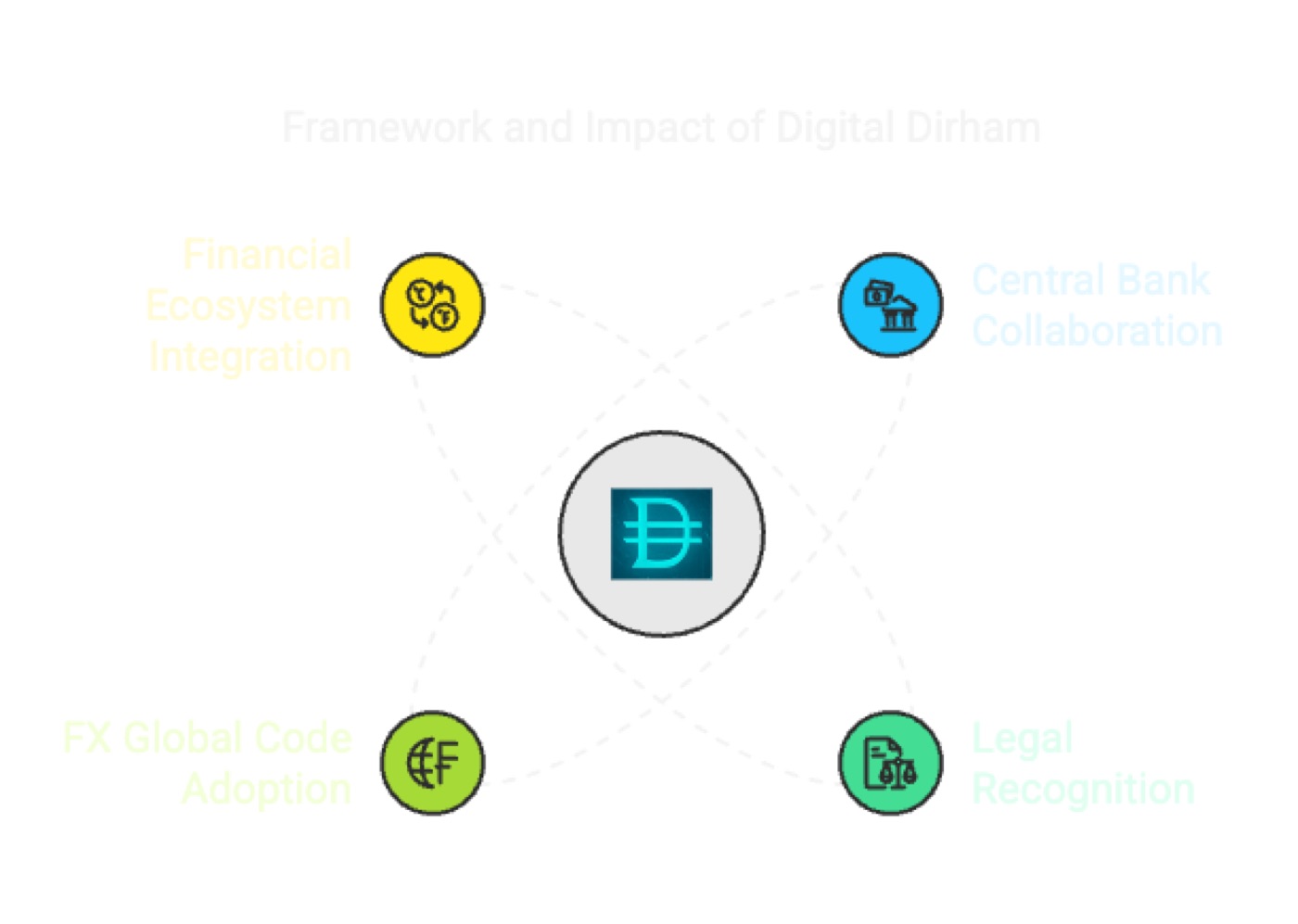
These regulatory measures are crucial. They provide a foundation for the Digital Dirham's success. By establishing clear guidelines, the CBUAE ensures that the Digital Dirham is not only effective but also aligns with global financial standards. This approach is essential for fostering confidence among users and financial institutions alike.
Conclusion
The UAE's financial landscape is undergoing a significant transformation. The introduction of a new currency symbol and the Digital Dirham marks a bold step forward. These initiatives are not just about keeping pace with global trends. They are about setting new standards in financial stability and inclusion.
The Digital Dirham is poised to redefine how transactions are conducted. By leveraging advanced technologies, it promises to enhance the efficiency of financial operations. This move aligns with the UAE's broader strategy to embrace digital solutions. It also reflects a commitment to ethical standards in finance.
The adoption of the FX Global Code further underscores this commitment. It positions the UAE as a leader in promoting best practices in the foreign exchange market. As these initiatives unfold, the UAE is not just adapting to change. It is actively shaping the future of finance.
Further reading: ISO 20022 readiness · ISO 20022 isn’t done