Crypto Payments: Security, AML and KYC Basics
Why crypto payments need strong security and AML/KYC controls, how proof of work and proof of stake protect transactions, and how businesses should start.

Introduction
Cryptocurrency payments are gaining ground. As digital currencies become more mainstream, their role in financial transactions grows. Major companies like Microsoft and AT&T are now accepting them. This shift highlights the need for strong security and compliance measures. Blockchain transactions promise a new level of safety. They offer a way to prevent fraud and ensure transaction integrity. The interest from big players signals a broader acceptance. It points to a future where crypto payments might become standard. Understanding these dynamics is crucial. It sets the stage for a deeper dive into how these systems work and why they matter.

Fundamentals of Crypto-Powered Payments
Crypto-powered payments are changing the way we think about money. Unlike traditional payments, these transactions use digital currencies like Bitcoin and Ethereum. They operate on a system called blockchain, which acts as a digital ledger. This ledger records every transaction, making it almost impossible to alter past records.
Businesses around the world are noticing the benefits. One major advantage is the global reach. Cryptocurrencies aren't bound by borders, allowing for seamless international transactions. This means companies can expand their customer base without worrying about currency exchanges or high fees.
Another benefit is cost reduction. Traditional payment systems often involve multiple intermediaries, each taking a cut. Crypto transactions typically bypass these intermediaries, reducing costs for businesses. This can lead to lower prices for consumers and higher profits for companies.
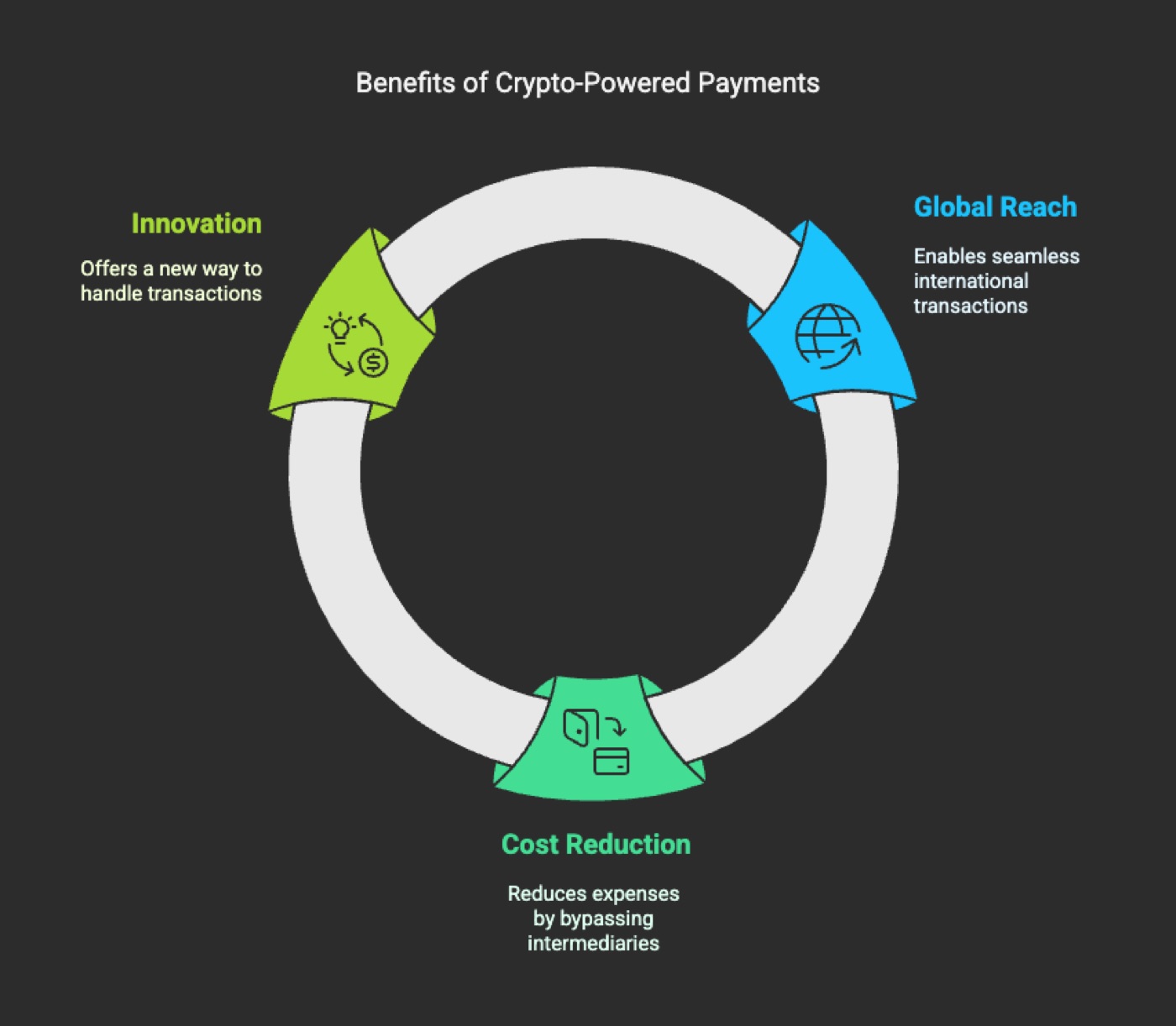
In summary, crypto-powered payments offer a new way to handle transactions. They provide a global reach and reduce costs, making them an attractive option for businesses looking to innovate. As more companies adopt these systems, we may see a shift in how financial transactions are conducted worldwide.
Aspects of Security and Compliance
Blockchain's transparency plays a crucial role in preventing fraud. Every transaction is recorded on a public ledger, making it difficult for malicious actors to alter data without detection. This visibility ensures that all parties can verify transactions independently, reducing the risk of fraud.
Anti-Money Laundering (AML) and Know Your Customer (KYC) regulations are essential in the crypto world. These measures require businesses to verify the identities of their clients. By doing so, they help prevent illegal activities like money laundering and terrorist financing. Compliance with these regulations is not just a legal obligation but a step towards safer financial ecosystems.
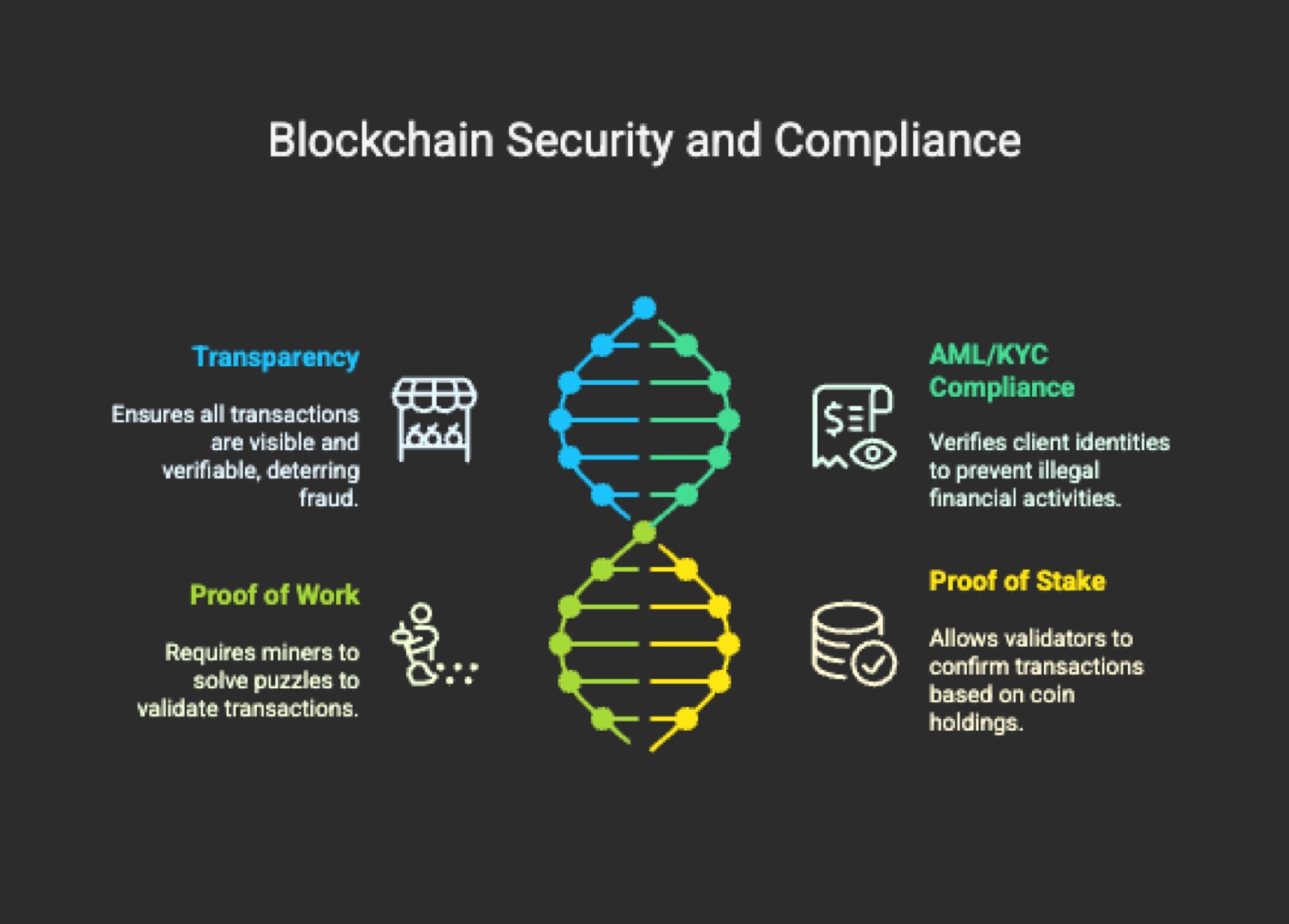
Security mechanisms like Proof of Work (PoW) and Proof of Stake (PoS) are fundamental to blockchain. PoW requires miners to solve complex puzzles to validate transactions, ensuring that only legitimate transactions are added to the blockchain. PoS, on the other hand, allows validators to confirm transactions based on the number of coins they hold. This method is more energy-efficient and reduces the risk of centralization.
These security features make blockchain a robust option for digital transactions. As more industries adopt these technologies, the focus on compliance and security will only grow. This evolution promises a safer and more accountable financial landscape.
Use Cases of Crypto Payments
Imagine grabbing your morning coffee and paying with Bitcoin. This scenario is becoming more common. A growing number of small businesses are embracing cryptocurrency. For instance, a local coffee shop might accept Bitcoin. This allows them to attract tech-savvy customers and reduce transaction fees. It's a win-win situation for both the business and the consumer.
Online stores are also jumping on board. Many are using cryptocurrencies to reach a global market. This approach eliminates the hassle of currency conversion. It also speeds up the payment process. An online retailer can sell products worldwide and receive payments in minutes. This efficiency is appealing to businesses looking to expand their reach.

These examples highlight the benefits of crypto payments. They show how businesses can save money and time. By adopting cryptocurrencies, companies can streamline operations. This shift is not just a trend; it's a glimpse into the future of commerce. As more businesses adopt these methods, the advantages become clear. Crypto payments offer a practical solution for modern transactions.
Common Misconceptions
Many believe that crypto payments are only for tech experts. This isn't true. The process is becoming more user-friendly. Apps and platforms simplify transactions. Users can send and receive crypto with ease.
Blockchain features enhance transaction safety. Each transaction is recorded on a digital ledger. This makes it difficult to alter or fake. The system's transparency helps prevent fraud.
Strict security measures protect digital transactions. Protocols like Proof of Work and Proof of Stake ensure this. These methods validate transactions and keep the network safe. They make it hard for anyone to tamper with the system.
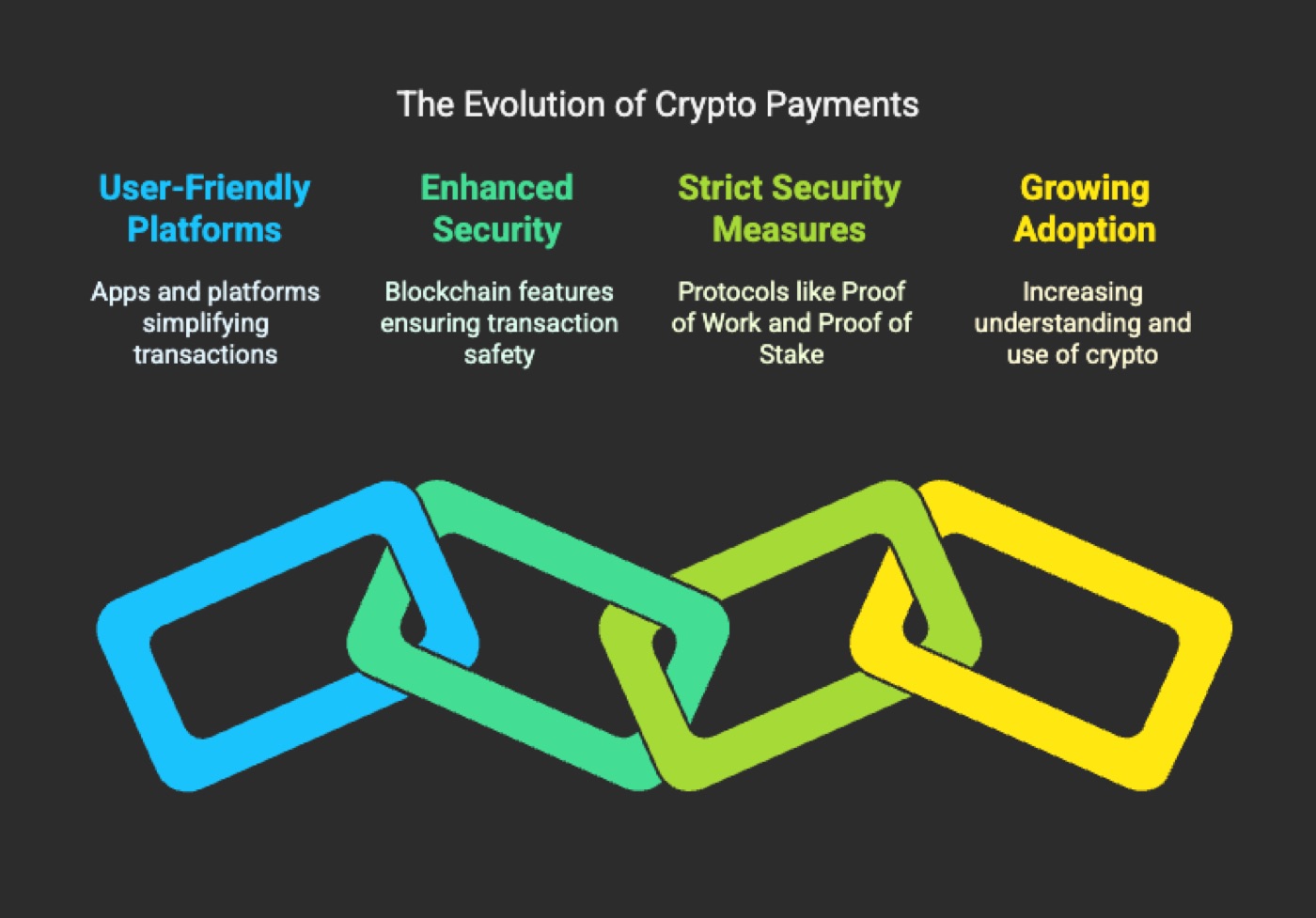
Crypto payments are not just for the tech-savvy. They offer a secure way to transfer money. As more people understand this, adoption will grow. The future of payments is evolving, and crypto is a big part of it.
Latest Developments in Blockchain Payment Systems
Recent advancements are reshaping how blockchain transactions are handled. New protocols are being introduced to enhance transaction speed and reduce costs. Proof of Stake (PoS) is gaining traction over Proof of Work (PoW) for its efficiency in processing transactions. This shift is crucial for businesses looking to adopt blockchain for payments.
Consensus mechanisms are also evolving. These mechanisms ensure that all transactions are validated correctly. Advanced validation algorithms are being developed to improve accuracy and speed. This progress is essential for maintaining the integrity of blockchain networks.

The impact of these developments is significant. Businesses are more likely to adopt blockchain payment systems as they become faster and more cost-effective. This adoption is expected to increase as technology continues to improve. The future of blockchain payments looks promising, with ongoing innovations driving its growth.
Further Insights and Recommendations
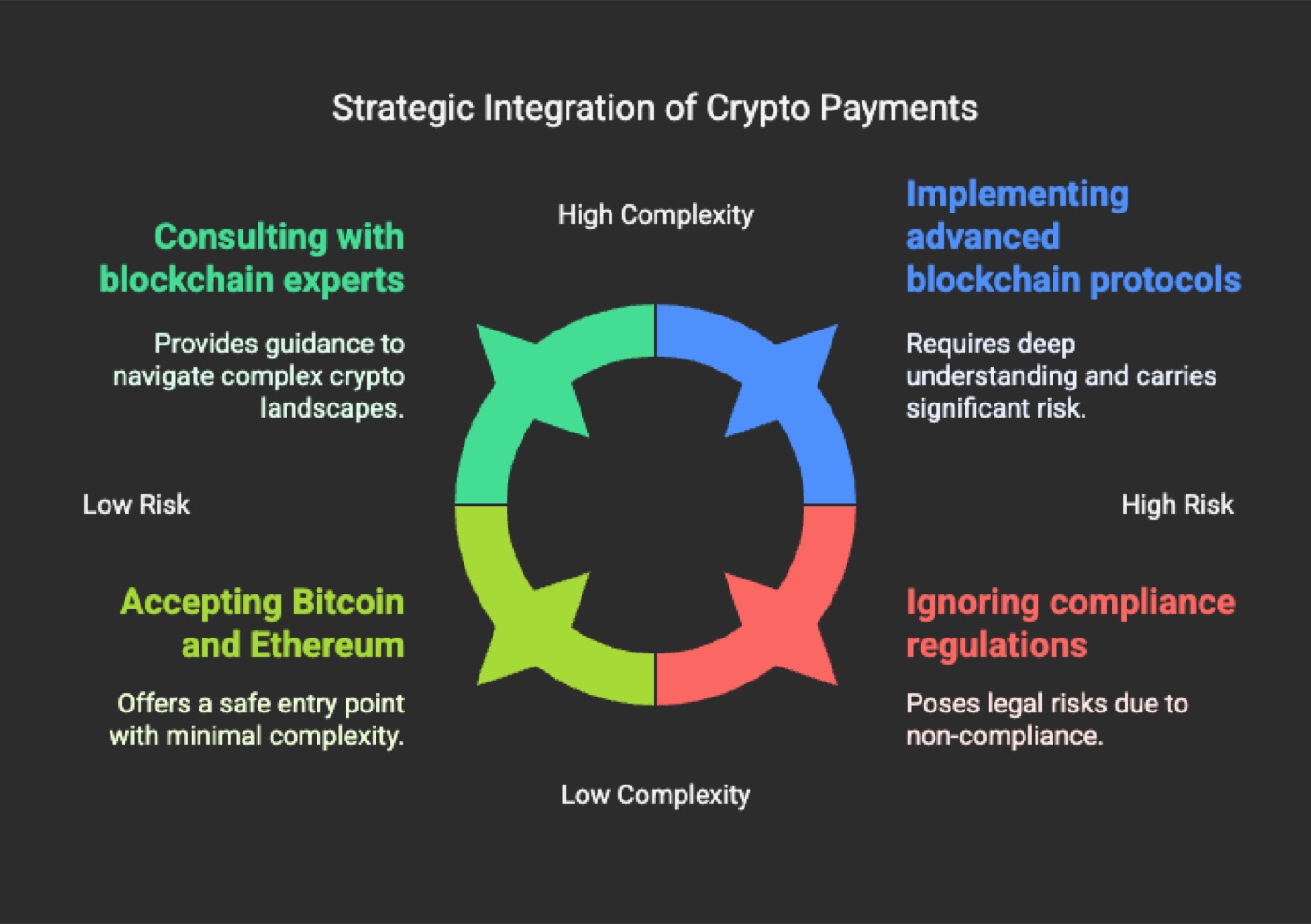
Businesses eyeing crypto payments should begin with a few well-known cryptocurrencies. This approach minimizes risk while allowing for a smooth transition. Bitcoin and Ethereum are popular choices due to their widespread acceptance and robust networks. It's crucial to stay informed about compliance regulations. Laws around cryptocurrencies can change rapidly, affecting how businesses operate. Regular updates ensure that companies remain compliant and avoid potential legal issues.
Consulting with blockchain experts can provide valuable guidance. These professionals offer insights into the best practices for integrating crypto payments. They can help identify the most suitable platforms and technologies for specific business needs. Additionally, they can advise on implementing security measures to protect against fraud and cyber threats.
Understanding the technological advancements in the crypto space is vital. New protocols and algorithms are constantly emerging. These innovations can improve transaction speed and reduce costs, making crypto payments more attractive to businesses. Keeping abreast of these developments can offer competitive advantages.
Finally, businesses should consider their customer base. Not all customers may be ready for crypto payments. Offering a mix of traditional and crypto options can cater to a broader audience. This flexibility can enhance customer satisfaction and drive adoption.
In summary, careful planning and informed decision-making are key. By starting small and staying updated, businesses can successfully integrate crypto payments into their operations. This strategic approach can position them well for future growth in the digital economy.
Conclusion
The rise of crypto payments marks a significant shift in how transactions are conducted. Blockchain plays a crucial role in ensuring these transactions are secure and compliant. As more industries explore this technology, the potential for transformation is immense. The ability to conduct transactions quickly and with reduced costs offers businesses a competitive edge. Moreover, the security features inherent in blockchain provide a level of trust that traditional systems struggle to match.
Looking ahead, the evolution of payment systems will likely see broader adoption across various sectors. As regulations continue to develop, businesses must stay informed to leverage these opportunities effectively. The future of payments is not just digital; it's decentralized and secure. This shift promises to reshape industries and redefine how value is exchanged globally.
Further reading: VARA inspection readiness · Supervisors want evidence, not policies