Supply Chain Technology: AI, Blockchain and Resilience
How AI, blockchain and structured planning improve supply chains: efficiency, visibility, resilience to disruption and the trends shaping logistics.

Introduction
In today's interconnected world, supply chain solutions are crucial. They ensure that goods and services flow smoothly from producers to consumers. Recently, there's been a shift towards using advanced technologies in supply chain management. Innovations like AI and blockchain are at the forefront of this transformation. These tools promise to enhance efficiency and accuracy. This article will explore the fundamentals of supply chains, delve into advanced technologies, and consider future trends.
The Interconnectedness of Supply Chain Components
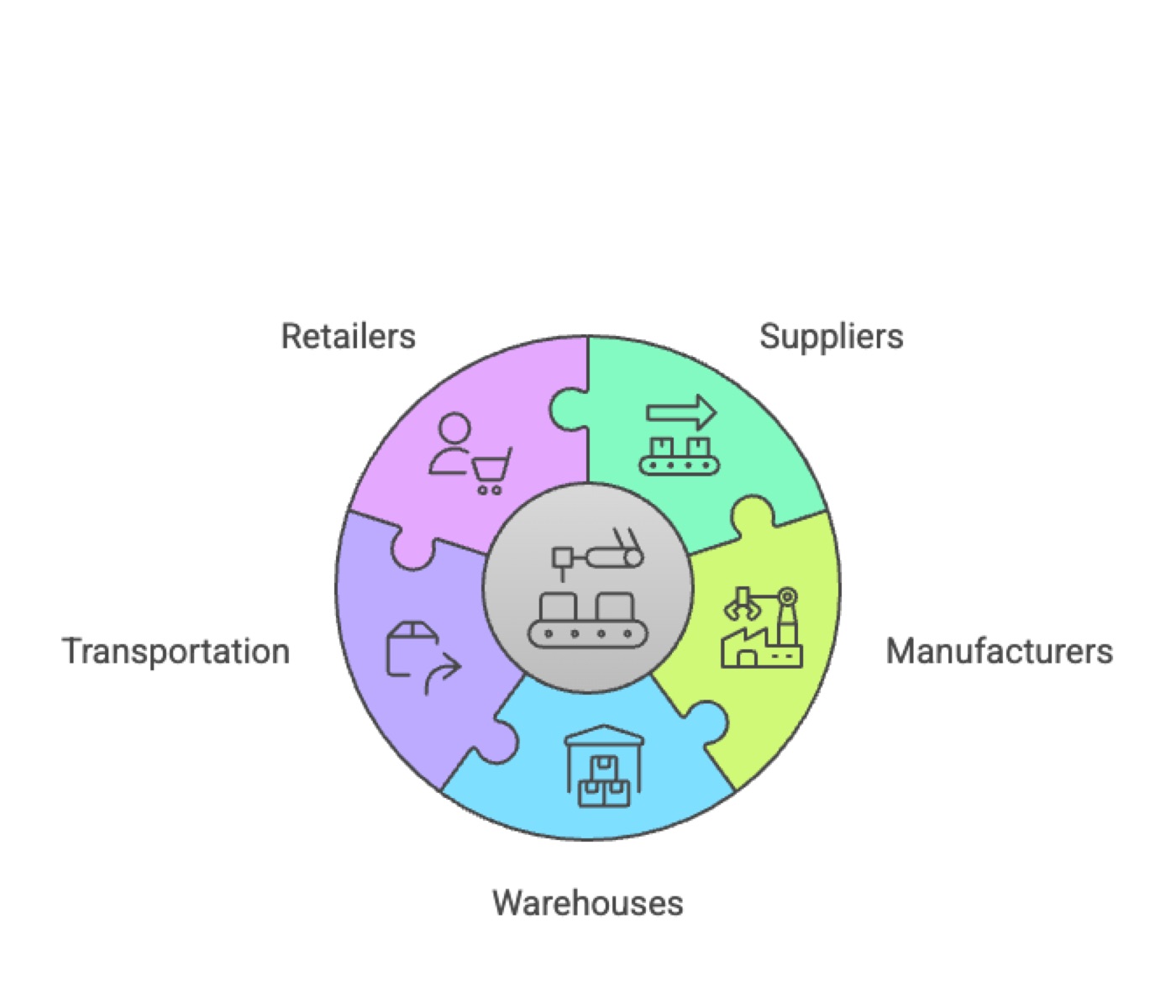
Supply chain solutions are crucial for managing the flow of goods and services. They connect suppliers, manufacturers, warehouses, transportation, and retailers. Each component plays a vital role in ensuring products reach consumers efficiently. Suppliers provide the raw materials. Manufacturers turn these materials into finished products. Warehouses store these products until they're needed. Transportation moves them to various locations. Retailers sell them to the end customer.
Efficiency and cost-effectiveness are key in supply chain management. A well-structured system reduces waste and lowers costs. For instance, a company using a structured Sales, Inventory, and Operations Planning (SIOP) process can cut inventory by 20%. This not only saves money but also improves delivery times. On-time delivery rates can jump from 85% to 98% with such improvements. This shows how structured processes lead to better outcomes.
Supply chain disruptions often arise from supplier issues or external events. These can include health incidents or cybercrime. Addressing these challenges requires a proactive approach. Self-assessments help companies evaluate their readiness for disruptions. They identify areas for improvement, enhancing resilience. This means companies can better detect, withstand, and recover from disruptions.
Key performance indicators (KPIs) are essential for measuring supply chain performance. Common KPIs include inventory levels, on-time delivery rates, and logistics costs. Monitoring these metrics helps businesses optimize their operations. For example, focusing on inventory levels can prevent overstocking and stockouts. This balance is crucial for maintaining a smooth supply chain.
Supply chain solutions are about managing resources efficiently. They involve various components working together seamlessly. By focusing on efficiency and resilience, businesses can improve their operations and meet customer demands effectively.
Advanced Aspects of Supply Chain Management
In today's fast-paced world, supply chain management is evolving rapidly. Integrating technology is at the heart of this transformation. Systems like blockchain and AI are changing how businesses operate. They offer new ways to track products and reduce errors. This technology also improves demand forecasting, helping companies anticipate needs more accurately.
Blockchain can record every step a product takes. This makes it easier to trace back any issues. It also helps in verifying the authenticity of goods. AI, on the other hand, analyzes vast amounts of data. It predicts trends and helps in making informed decisions. This leads to better inventory management and reduces waste.
The use of these technologies makes supply chains more adaptable. They help businesses respond to market changes swiftly. When disruptions occur, such as natural disasters or economic shifts, technology provides the tools to adapt. Companies using these systems often see fewer delays and improved customer satisfaction.
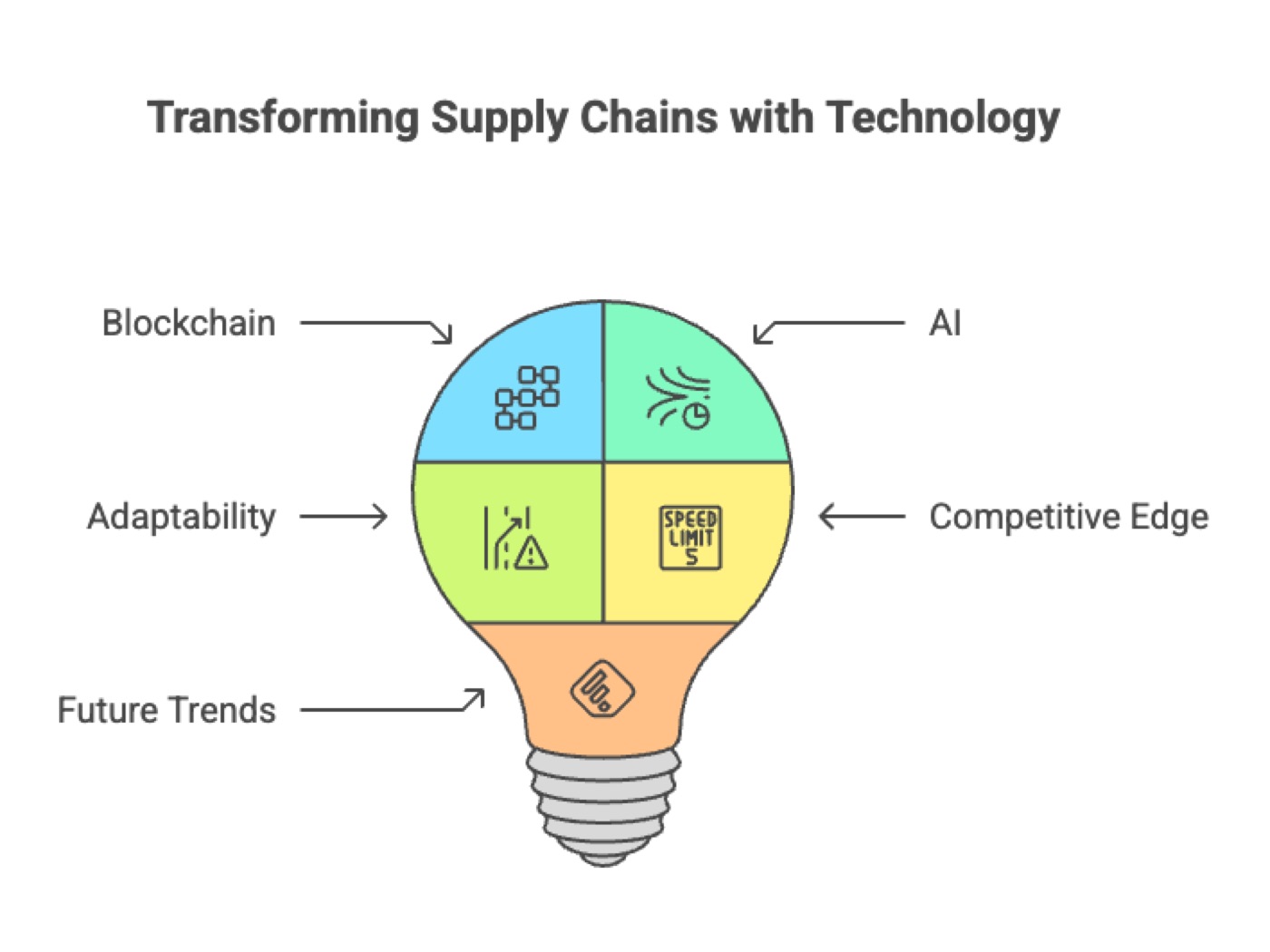
The integration of these technologies is not just for large corporations. Small and medium-sized businesses can benefit too. By adopting these tools, they can compete more effectively. This levels the playing field, allowing them to offer services similar to larger competitors.
As we look to the future, the role of technology in supply chains will only grow. Companies that embrace these changes will likely lead their industries. They will set new standards for efficiency and responsiveness. In the end, the goal is to create a supply chain that is agile and ready for whatever comes next.
Practical Examples of Supply Chain Solutions
Imagine a smartphone manufacturer striving for excellence. They implement a structured Sales, Inventory, and Operations Planning (SIOP) process. This approach reduces their inventory by 20%. On-time delivery rates jump from 85% to 98%. Such gains highlight the power of organized supply chain management.
Consider a medical device company. They faced delivery challenges. By adopting SIOP, they not only improved their delivery performance but also optimized inventory levels. This case underscores how structured processes can lead to significant efficiency gains.
Real-world examples show the benefits of integrating advanced technologies. AI and machine learning enhance demand forecasting. They analyze data to predict customer needs accurately. This reduces waste and improves supply chain responsiveness.
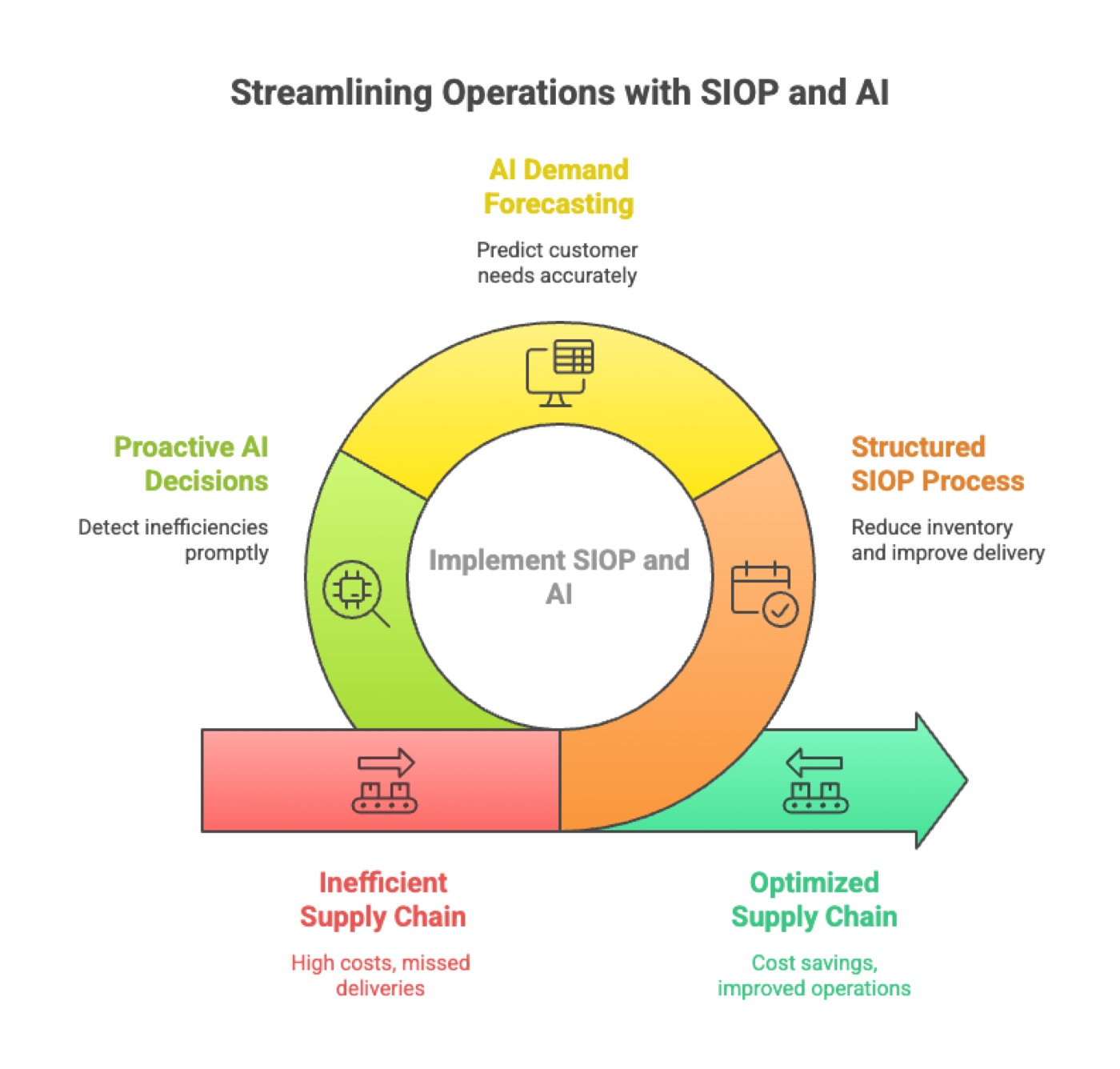
In another instance, companies using AI report better resilience. They detect inefficiencies promptly and make proactive decisions. This helps them manage disruptions effectively. Such technology integration is crucial for modern supply chains.
The impact of these solutions extends beyond large corporations. Small manufacturers also benefit. By adopting structured supply chain management, they achieve cost savings and improved operations. This proves that supply chain solutions are valuable for businesses of all sizes.
Overcoming Supply Chain Solution Misconceptions
Many believe supply chain solutions are only for big businesses. This is not true. Small and medium-sized companies also see great benefits. These solutions help manage resources better. They improve efficiency and reduce costs.
Another myth is that these solutions are too expensive. In reality, the long-term savings often outweigh the initial costs. Businesses report improved operations and reduced waste. This leads to better financial health over time.
Some think implementing these solutions is too complex. However, with the right approach, integration can be smooth. Companies should focus on step-by-step improvements. This makes the process manageable and less daunting.
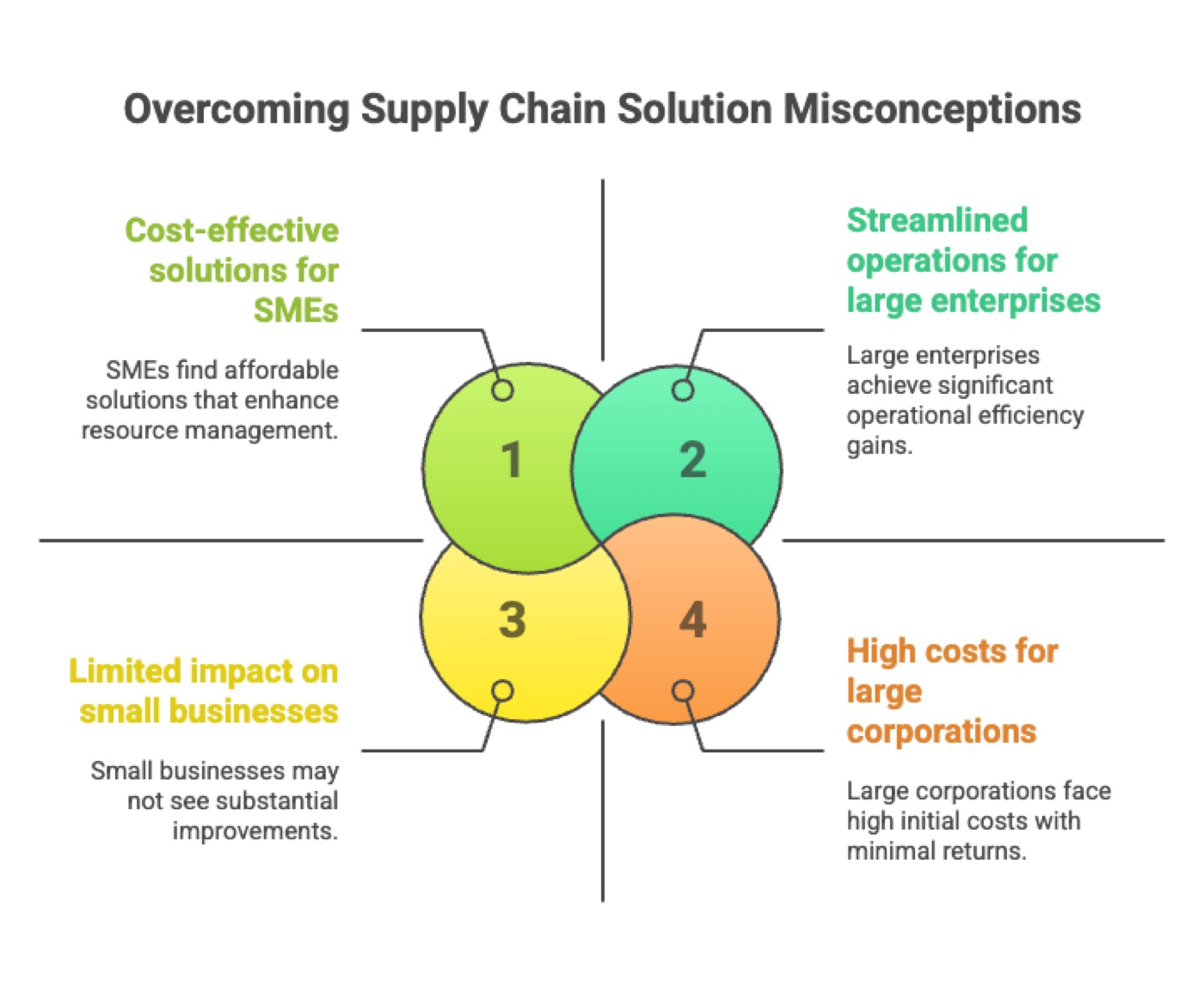
In summary, supply chain solutions are accessible and beneficial for all business sizes. They offer cost savings and operational improvements. Overcoming misconceptions can lead to better decision-making and growth.
Latest Developments in Supply Chain Practices
Sustainable supply chain practices are gaining traction. Companies are increasingly focused on reducing their carbon footprints. This shift is not just about environmental responsibility. It's also about long-term cost savings and efficiency. By adopting greener practices, businesses can reduce waste and energy consumption.
The COVID-19 pandemic highlighted the need for agile supply chains. Many industries faced disruptions due to lockdowns and restrictions. This situation underscored the importance of adaptability. Businesses are now investing in flexible supply chain solutions. These investments aim to improve response times and resilience against future disruptions.
Digital solutions are transforming supply chain visibility. Technologies like AI and machine learning offer real-time insights. This enhanced visibility allows for better decision-making. Companies can predict demand more accurately and optimize inventory levels. As a result, they can reduce costs and improve service delivery.
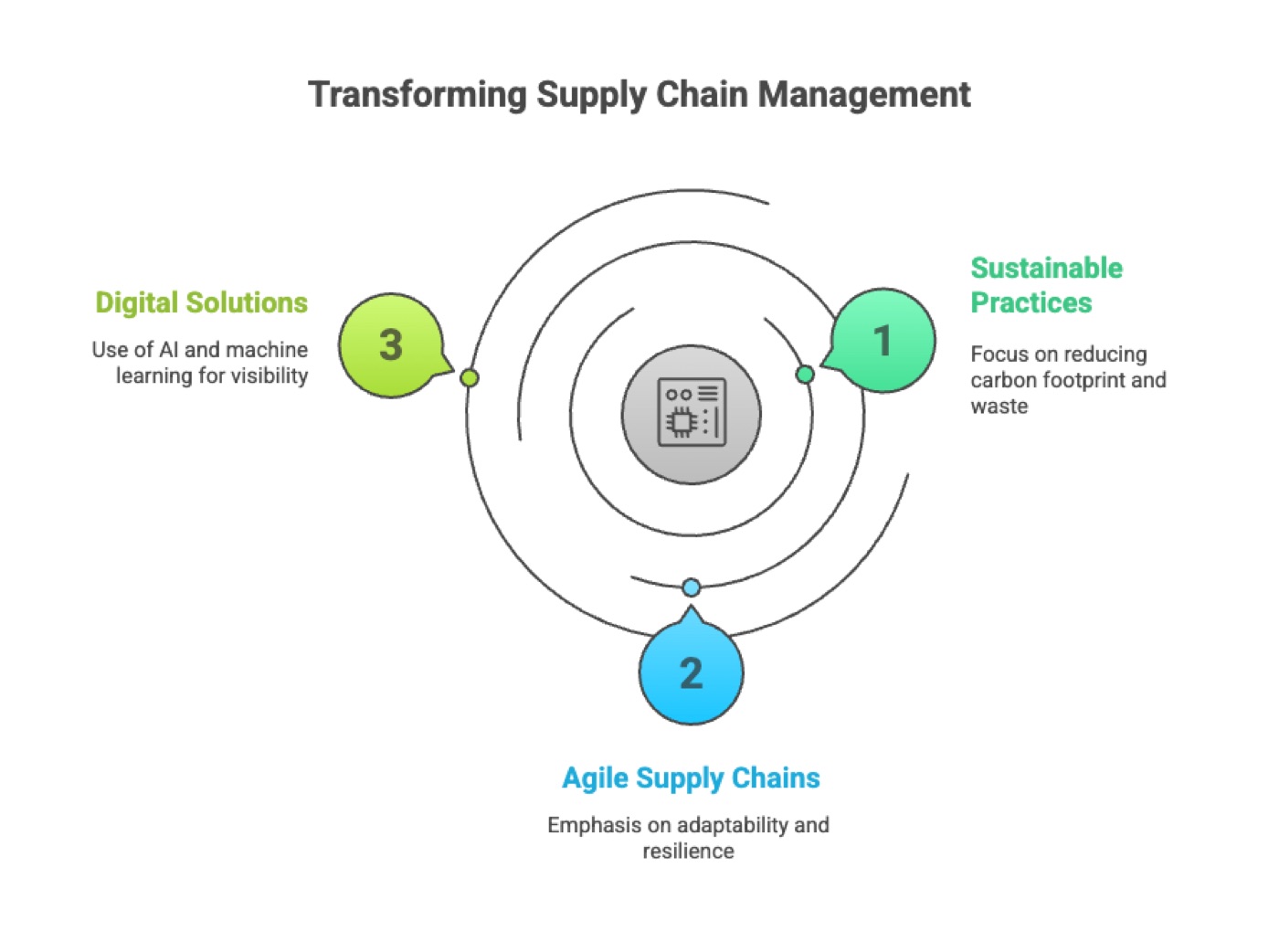
In summary, the supply chain landscape is evolving rapidly. Sustainable practices and digital innovations are at the forefront. Businesses that embrace these changes can expect to thrive in a competitive market. The future of supply chain management promises to be both challenging and rewarding.
Insights and Future Trends
Collaboration and data analysis are reshaping supply chain management. Companies are pooling resources and sharing data to streamline operations. This approach enhances decision-making and boosts efficiency. Data analysis helps predict demand and manage risks. It also identifies potential disruptions early.
Emerging technologies like IoT and 5G are set to revolutionize supply chains. IoT devices provide real-time data on inventory and shipments. This leads to better tracking and management. 5G networks promise faster communication and improved connectivity. These advancements will enhance supply chain visibility and responsiveness.
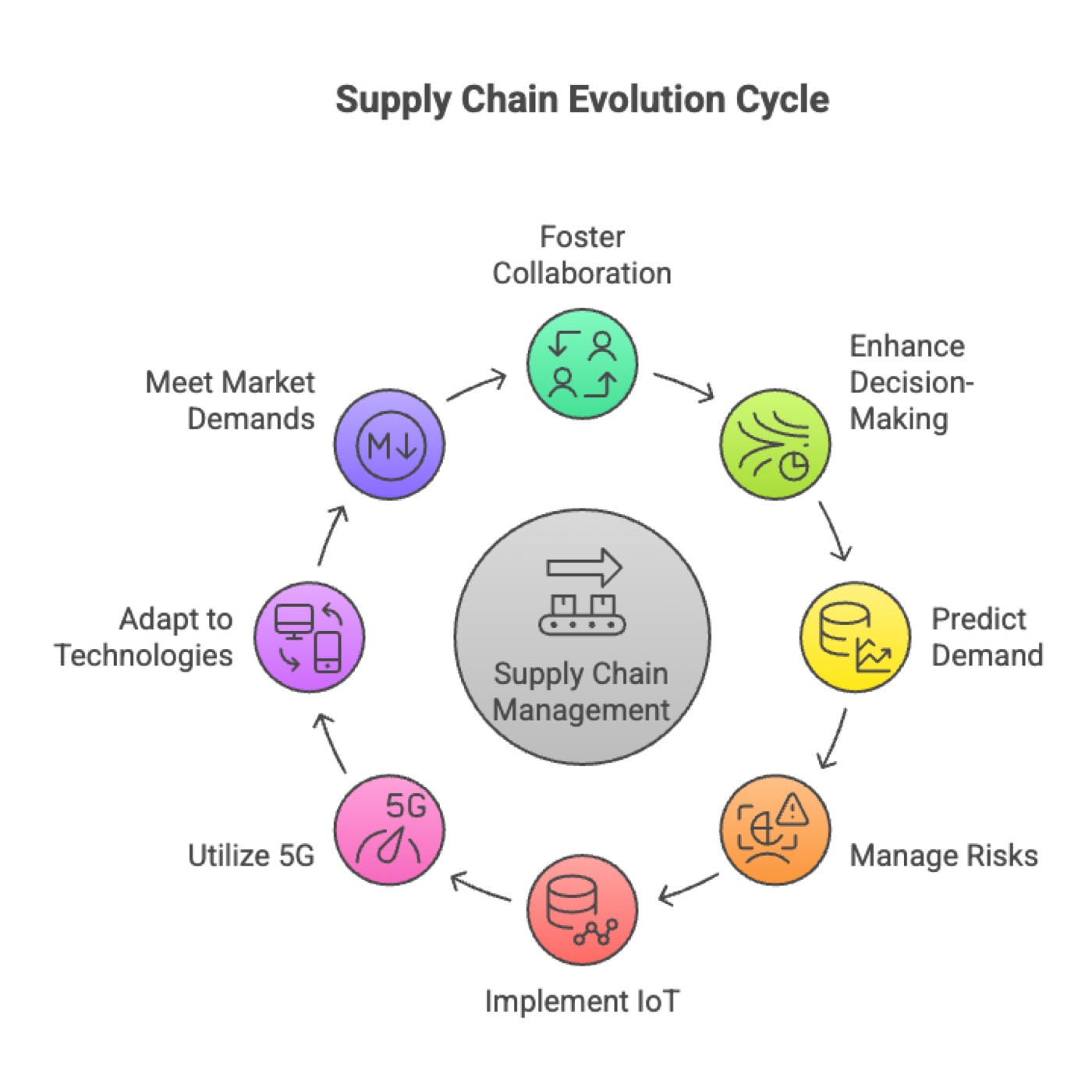
Continuous innovation is crucial for the evolution of supply chain solutions. Companies must adapt to new technologies and methodologies. This flexibility will help them stay competitive and meet changing market demands. The future of supply chains lies in embracing digital transformation and fostering collaboration.
Conclusion
Modern supply chain solutions are reshaping how businesses operate. By integrating advanced technologies, companies can achieve significant efficiency gains. These tools help in tracking products, forecasting demand, and managing inventory. The benefits extend beyond large corporations, offering value to businesses of all sizes.
The potential for transformation is vast. As industries evolve, staying informed about new trends becomes crucial. Embracing these changes can lead to more resilient and adaptable supply chains. The future holds promise for those willing to innovate and adapt.