How Blockchain Transactions Are Processed and Finalized
How blockchain transactions are validated, finalized and secured, from nodes and consensus mechanisms to finality and network security.

Understanding the core of blockchain architecture is crucial today. Industries across the globe are increasingly interested in its potential. This article aims to shed light on how blockchain transactions are processed, finalized, and secured. By exploring these elements, we can better appreciate the impact of this technology on various sectors. The journey into blockchain's inner workings begins here.
Fundamentals of Blockchain Architecture
Blockchain is a decentralized digital ledger. It records transactions across many computers. Each block in the chain holds a set of transactions. Once completed, the block is added to the chain. This creates a permanent and unchangeable record.
The structure of a block is crucial. It contains a unique code called a hash. This hash links it to the previous block. This connection ensures that blocks remain in order. If a block is altered, its hash changes. This breaks the chain, signaling tampering.
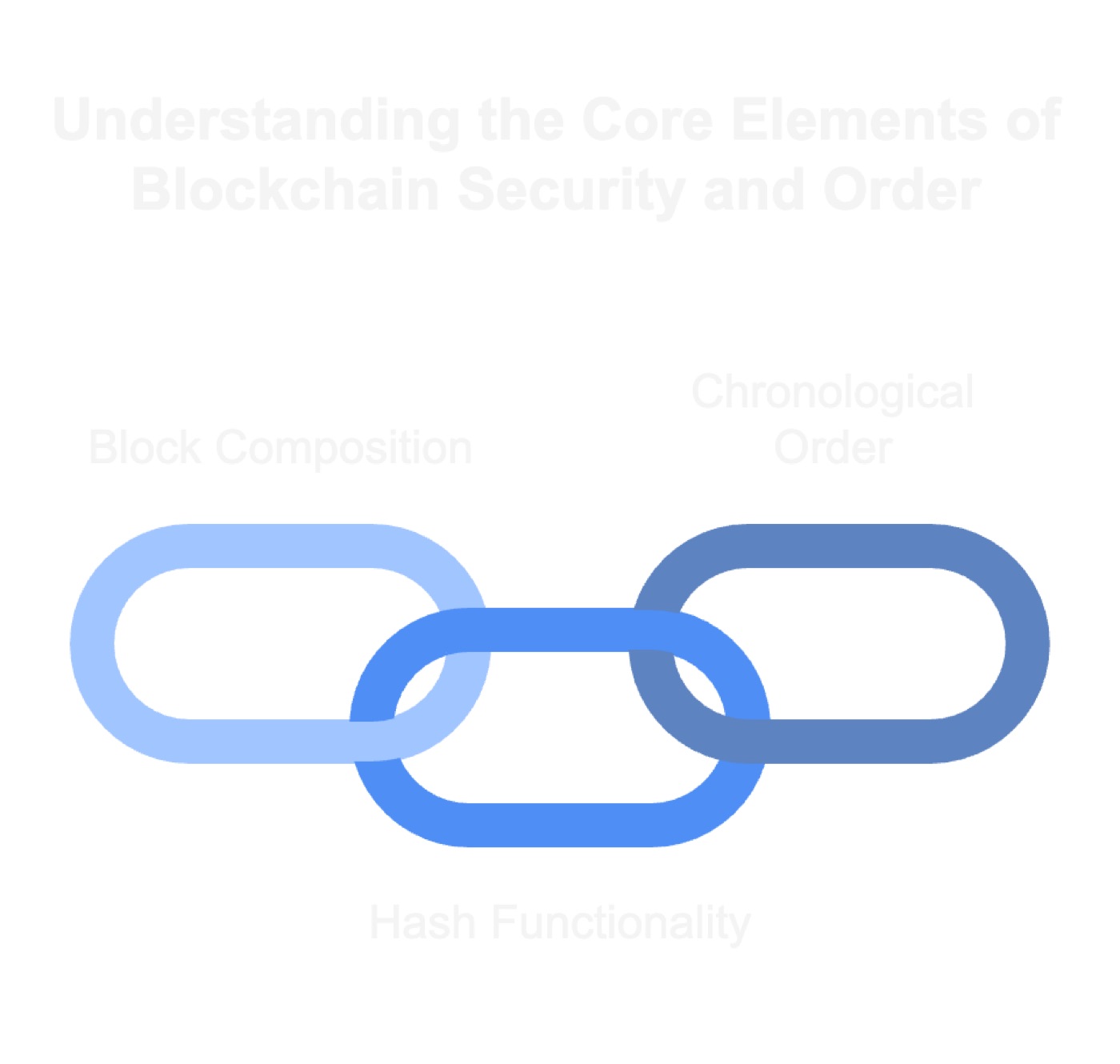
Chronological order is vital for data integrity. It ensures that transactions are recorded in the sequence they occur. This order prevents double-spending and fraud. Every participant in the network can verify the sequence. This verification builds confidence in the system.
Understanding these fundamentals is key. They form the backbone of how blockchain operates. They also highlight its potential to reshape various sectors. As industries explore these systems, grasping these basics becomes essential.
Advanced Aspects of Blockchain Architecture
Blockchain networks rely on consensus mechanisms to validate transactions. Two primary methods are Proof of Work (PoW) and Proof of Stake (PoS). PoW requires miners to solve complex mathematical puzzles. This process is energy-intensive but ensures that only valid transactions are added to the blockchain. Bitcoin is a well-known example of a network using PoW.
In contrast, PoS selects validators based on the number of coins they hold. This method is less energy-consuming and is used by Ethereum. The shift from PoW to PoS in Ethereum marks a significant change in how transactions are validated.
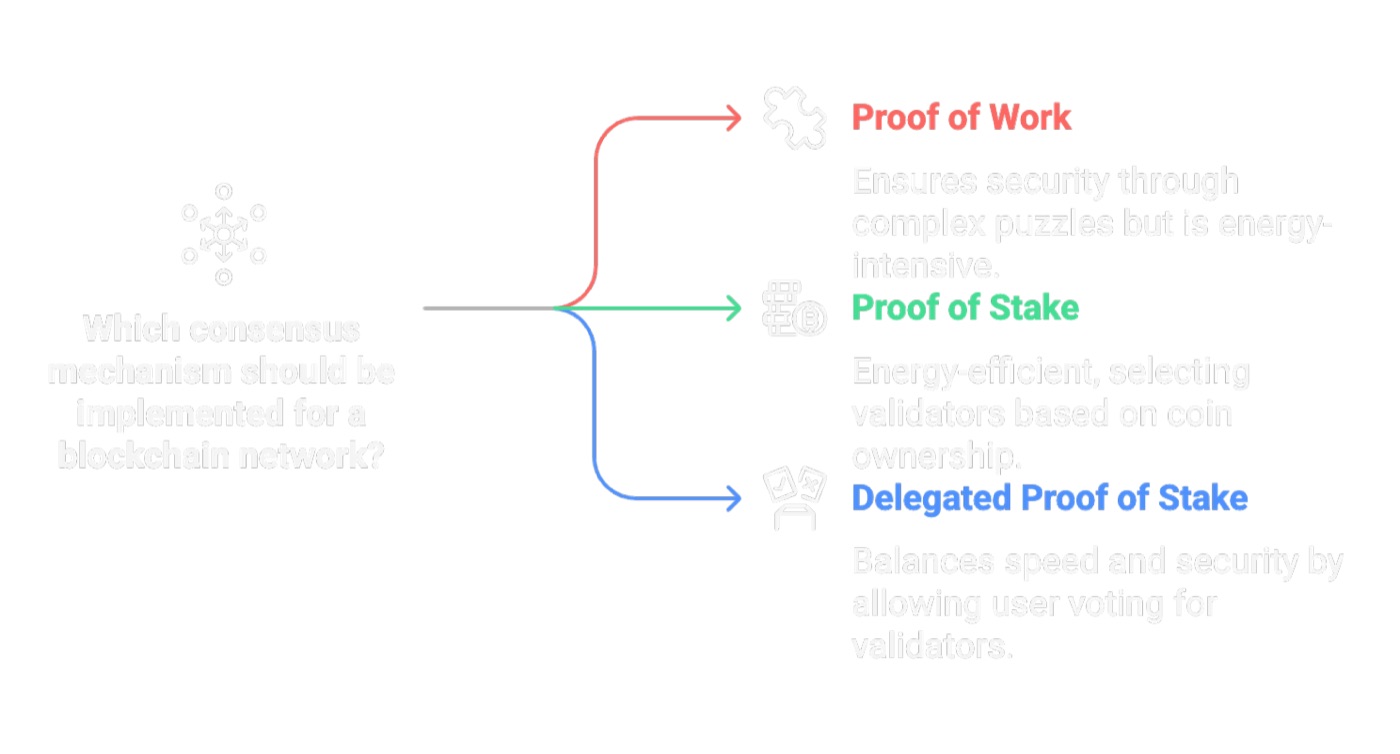
Beyond PoW and PoS, some networks explore hybrid or alternative consensus methods. These aim to balance security and efficiency. For instance, Delegated Proof of Stake (DPoS) allows users to vote for a small group of validators. This can speed up transaction processing while maintaining network integrity.
Consensus mechanisms play a crucial role in blockchain security. They ensure that all nodes agree on the state of the ledger. This agreement is vital for preventing fraud and maintaining data integrity. As blockchain technology evolves, new consensus models may emerge, offering even more robust solutions for transaction validation and security.
Practical Transaction Examples
Imagine Alice wants to send digital currency to Bob. She initiates a transaction on the network. This transaction enters a pool of unconfirmed transactions. Miners, or validators, then compete to verify these transactions. They solve complex cryptographic puzzles to add a new block to the chain. Once a block is validated, Alice's transaction is confirmed. Bob receives the digital currency.
Miners play a crucial role in this process. They ensure that transactions are legitimate. Their efforts prevent double-spending and other fraudulent activities. The network rewards them with cryptocurrency for their work. This incentivizes honesty and diligence.
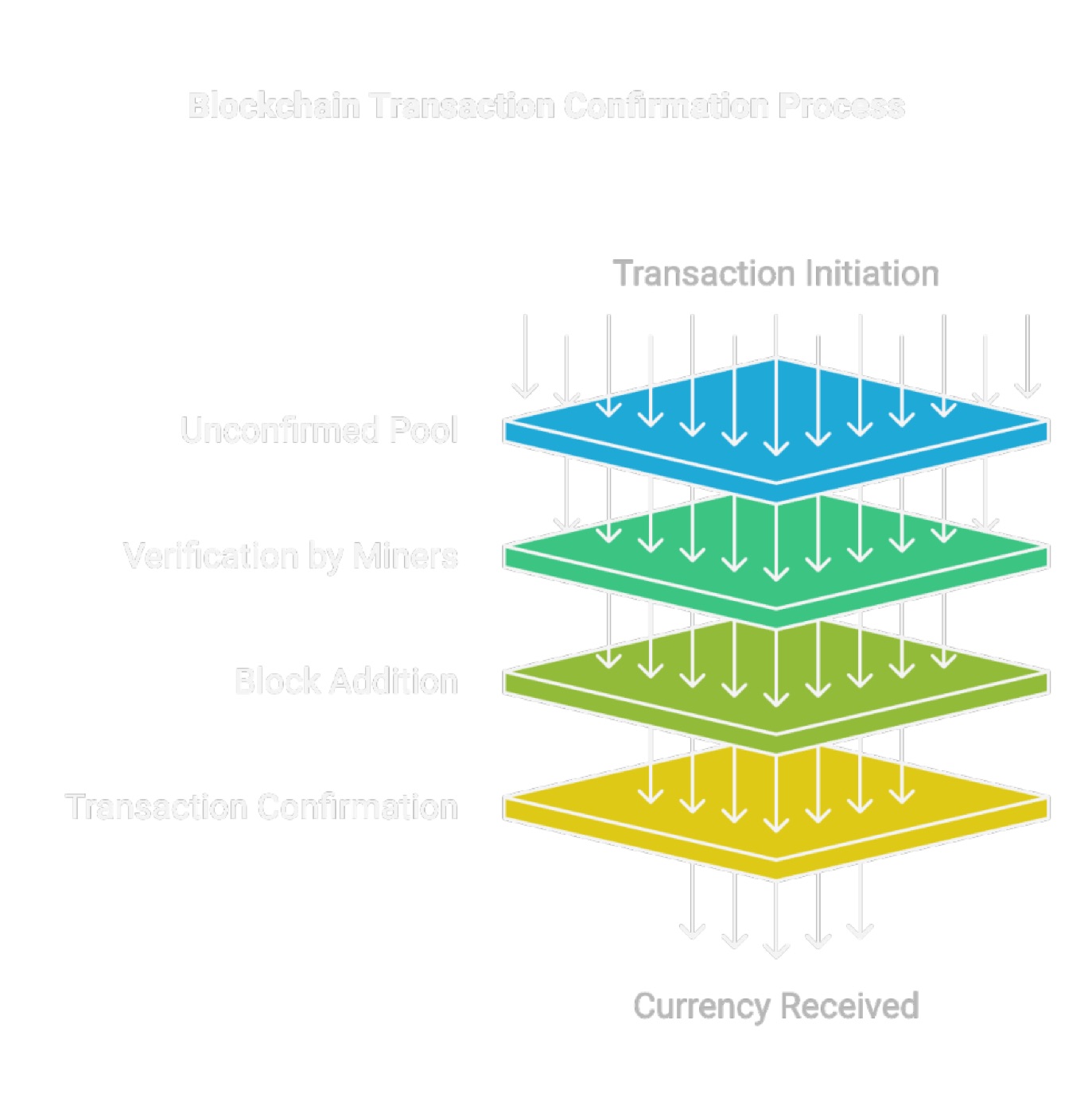
Security measures are embedded in every transaction. Each block contains a unique hash of the previous block. This creates a secure link between blocks. Altering one block would require changing all subsequent blocks. This makes tampering nearly impossible without network consensus.
The transaction process illustrates the robustness of the system. It highlights how data integrity is maintained. As blockchain evolves, these processes will become even more efficient. Understanding these fundamentals is key to grasping the full potential of blockchain applications.
Addressing Common Misconceptions
Blockchain transactions are often seen as completely anonymous. This is not entirely true. While users operate under pseudonyms, transactions can still be traced. Advanced analysis techniques can link blockchain addresses to real-world identities. This becomes possible through patterns and connections found in transaction histories.
Many believe blockchain is immune to all security threats. However, vulnerabilities do exist. The technology itself is robust, but the applications built on it, like smart contracts, can have weaknesses. These can be exploited if not properly coded or audited. It's crucial to understand that security is a shared responsibility.
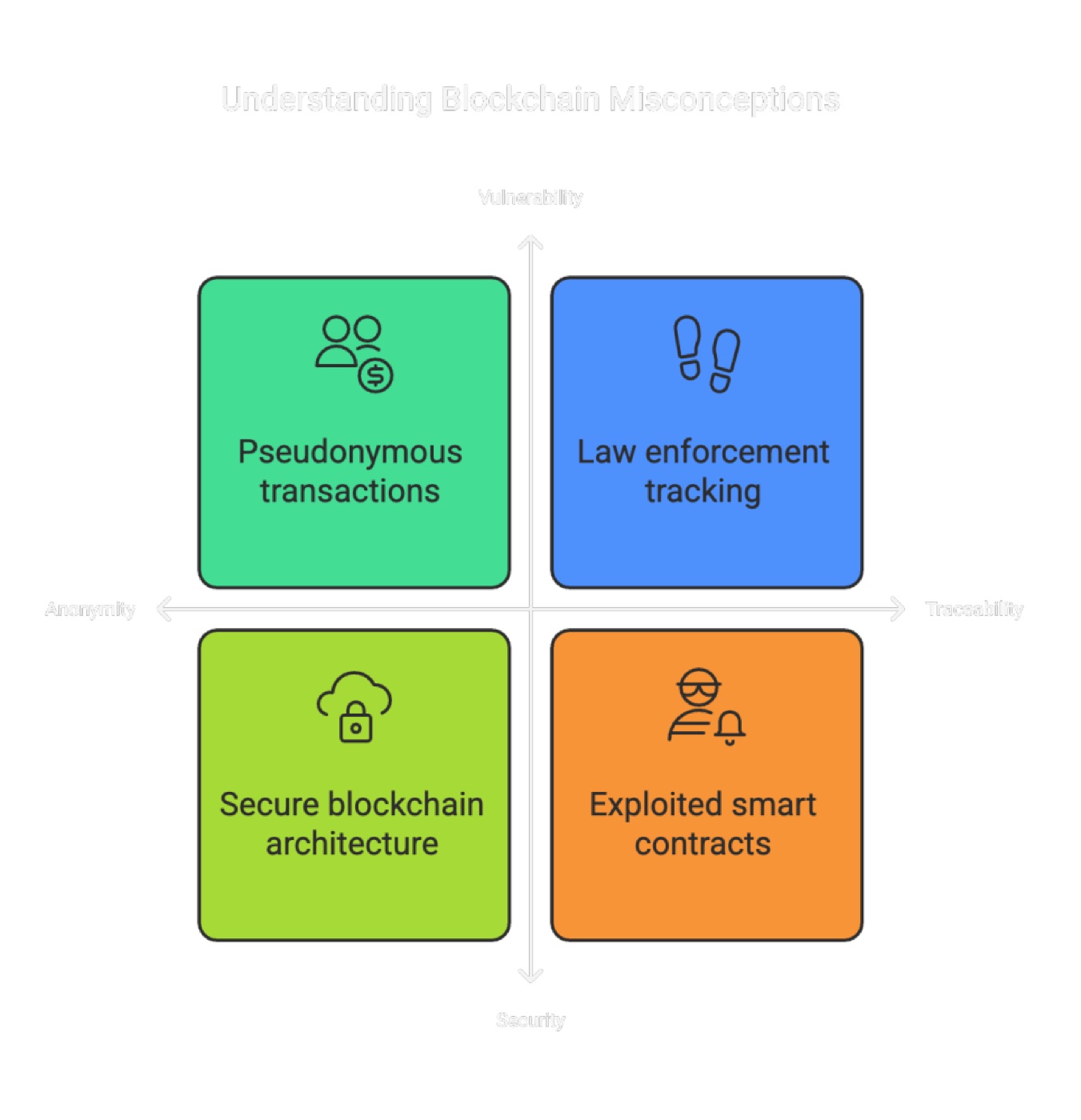
Another misconception is that all blockchain transactions are untraceable. In reality, the public ledger nature of blockchain makes every transaction visible. This transparency allows for tracking and analysis. Law enforcement agencies often use these features to trace illicit activities.
Understanding these nuances is essential. It helps in grasping the true capabilities and limitations of blockchain systems. By dispelling these myths, we can better appreciate the role of blockchain in today's digital landscape.
Latest Developments in Blockchain
Recent advancements in blockchain are reshaping how transactions are handled. Sharding is one such development. It divides the network into smaller parts, called shards. Each shard processes transactions independently, increasing the network's capacity. This method aims to tackle the issue of scalability, allowing more transactions per second.
Layer-2 solutions are another breakthrough. They operate on top of the main blockchain, handling transactions off the primary chain. The Lightning Network is a prime example. It enables faster and cheaper transactions by processing them off-chain before settling them on the main network. This approach significantly boosts transaction speed and reduces costs.
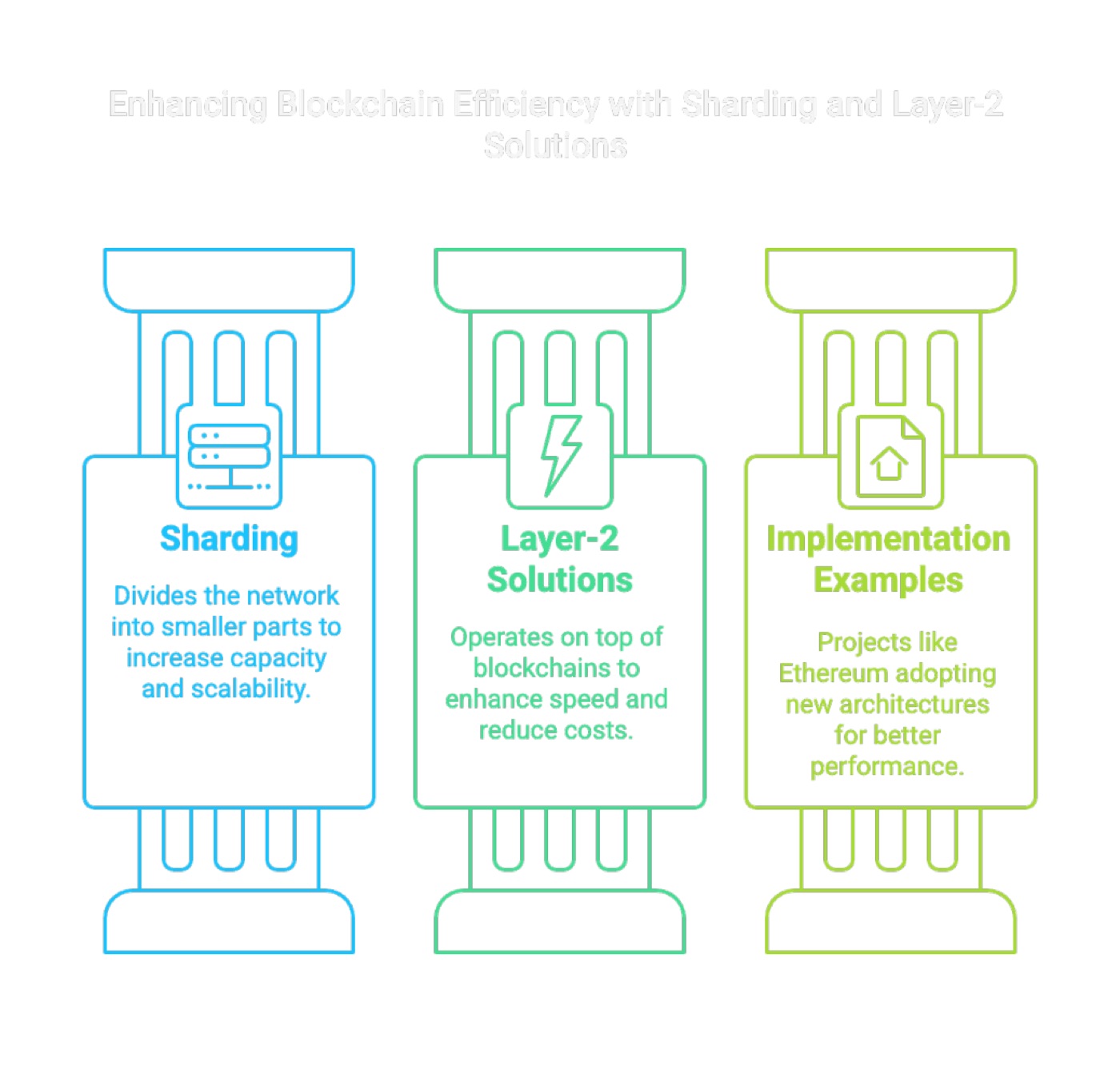
Several projects are already implementing these innovations. Ethereum, for instance, is moving towards a sharded architecture. This transition is part of its broader upgrade plan. The goal is to enhance its ability to handle a large volume of transactions efficiently.
These developments are crucial for the future of blockchain. They address current limitations and open up new possibilities. As more networks adopt these solutions, the potential for widespread adoption grows. This progress not only improves transaction speed but also sets the stage for broader applications across various sectors.
Future Prospects
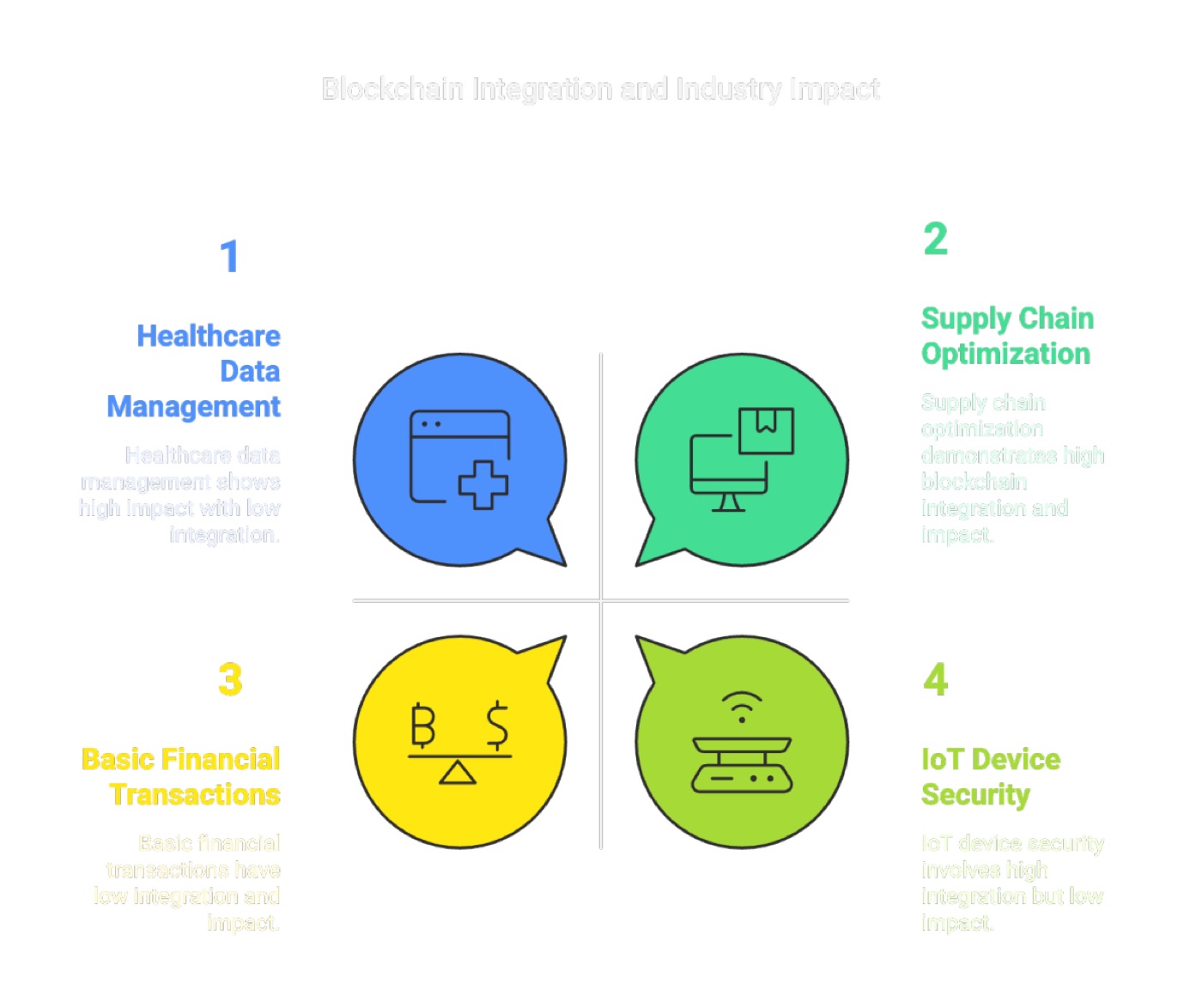
Blockchain's integration with AI and IoT is gaining momentum. Experts see this as a game-changer for industries like supply chain and healthcare. AI can analyze blockchain data to improve decision-making. IoT devices can use blockchain to ensure data accuracy and security. These technologies together could revolutionize how industries operate.
The potential for industry transformation is vast. In finance, blockchain could simplify transactions and reduce fraud. In healthcare, it might streamline patient data management. Supply chains could become more efficient with real-time tracking. Each sector stands to benefit from blockchain's unique capabilities.
Staying informed about these trends is crucial. As blockchain evolves, so do its applications. New developments could emerge, offering fresh opportunities. Keeping up with these changes will be key for businesses and individuals alike. The future holds many possibilities for those who understand and embrace blockchain's potential.
Conclusion
Blockchain is reshaping how industries operate. Its architecture is the backbone of this transformation. By understanding its structure, we can appreciate its potential. The decentralized nature ensures data integrity and security. Consensus mechanisms like Proof of Work and Proof of Stake validate transactions efficiently. Recent advancements address scalability, making systems faster and more capable. As blockchain integrates with AI and IoT, it opens new possibilities. These innovations promise to revolutionize sectors like finance, healthcare, and supply chain management. Staying informed about these developments is crucial. Blockchain's role in the future is undeniable. Its impact will continue to grow, influencing how we interact with digital systems. Keep exploring to fully grasp its applications and benefits.
Further reading: VARA inspection readiness · Supervisors want evidence, not policies