Blockchain Architecture: Blocks, Nodes and Consensus
How blockchain architecture works: blocks, hashes and nodes, proof of work vs proof of stake, zero-knowledge proofs, sharding and layer 2 scaling.

Interest in blockchain architecture is surging. This digital framework is reshaping transaction processing, finalization, and security. As industries explore its potential, understanding its structure becomes crucial. Blockchain's decentralized nature offers a new way to handle data. It eliminates the need for central authorities, distributing power across multiple nodes. This shift promises to enhance how we conduct and secure transactions. The architecture consists of blocks containing transactions, timestamps, and cryptographic hashes. Each block links to the previous one, forming an unbreakable chain. This structure ensures data integrity and transparency.
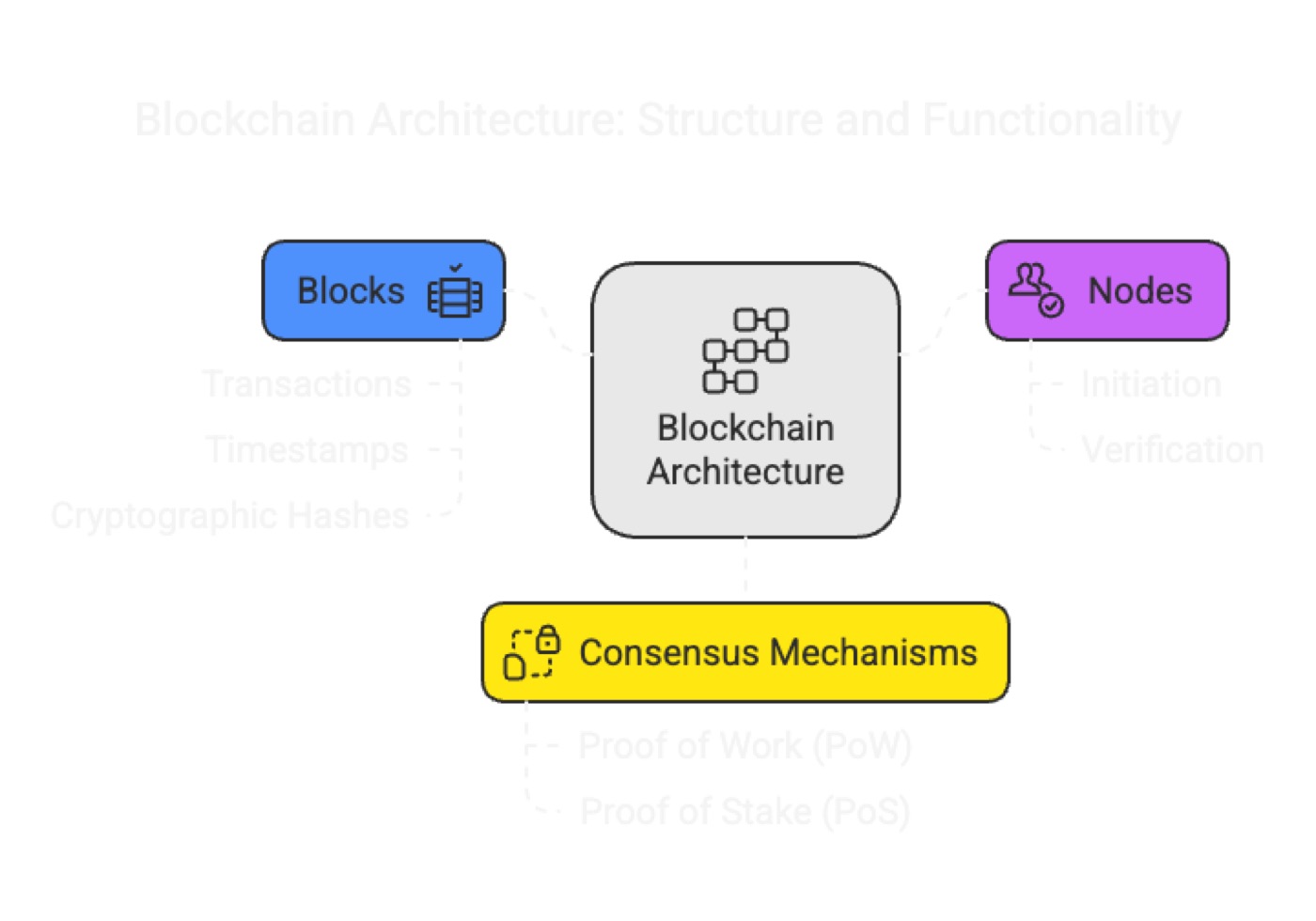
Nodes play a vital role in this system. They initiate and verify transactions, maintaining the network's accuracy. Different consensus mechanisms, like Proof of Work (PoW) and Proof of Stake (PoS), help achieve agreement across nodes. PoW requires solving complex puzzles, consuming significant energy. In contrast, PoS depends on validators holding coins, reducing energy use. These mechanisms ensure that all nodes agree on the state of the blockchain. This agreement is essential for preventing fraud and maintaining security. As blockchain continues to evolve, its architecture will likely adapt to meet new challenges and opportunities.
Fundamentals of Blockchain Architecture
Blockchain operates as a decentralized digital ledger. It records transactions across multiple nodes. This ensures no single entity has control. Each block contains transactions, a timestamp, and a cryptographic hash. The hash links blocks in a secure chain. This structure is crucial for data integrity.
Transactions begin with a request. Nodes, which are participants in the network, verify these requests. They use algorithms to confirm legitimacy. Once verified, transactions are added to a block. This process is essential for maintaining trust in the system.
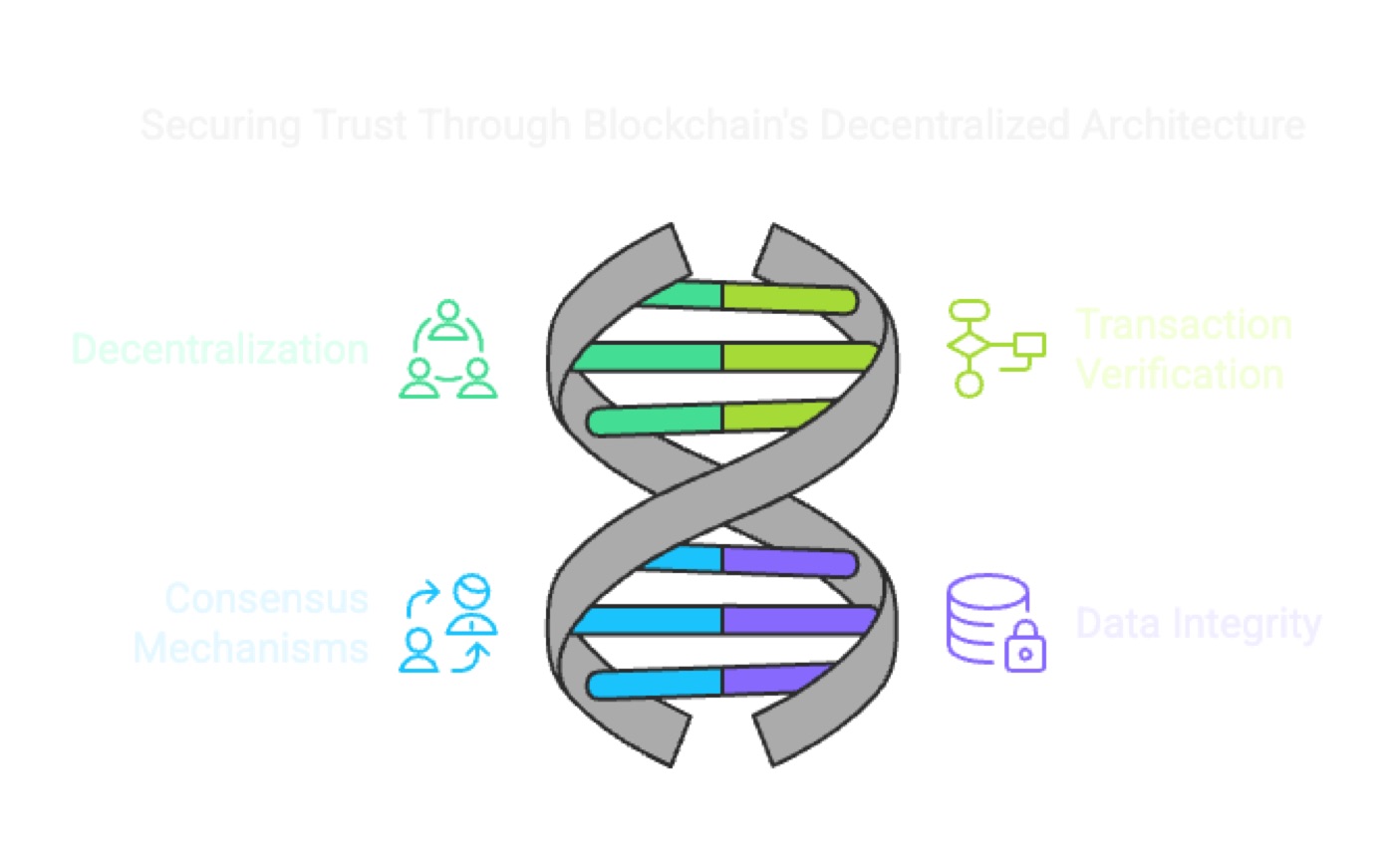
Consensus mechanisms play a vital role. They ensure agreement among nodes. Proof of Work (PoW) and Proof of Stake (PoS) are two main types. PoW requires solving complex puzzles. It is energy-intensive but secure. PoS, on the other hand, selects validators based on coin ownership. It is less demanding in terms of energy. Both methods aim to secure the network and validate transactions effectively.
Understanding these elements is key. They form the backbone of blockchain's architecture. As we delve deeper, the potential for reshaping industries becomes evident.
Advanced Aspects of Blockchain
Understanding blockchain's advanced features is crucial for grasping its potential. Consensus mechanisms are at the heart of blockchain security and efficiency. Proof of Work (PoW) and Proof of Stake (PoS) are the two main types. PoW, used by Bitcoin, requires miners to solve complex puzzles. This process consumes a lot of energy. On the other hand, PoS, which Ethereum adopted in 2022, is less energy-intensive. It relies on validators who hold and stake their coins to confirm transactions. This difference makes PoS faster and more energy-efficient than PoW.
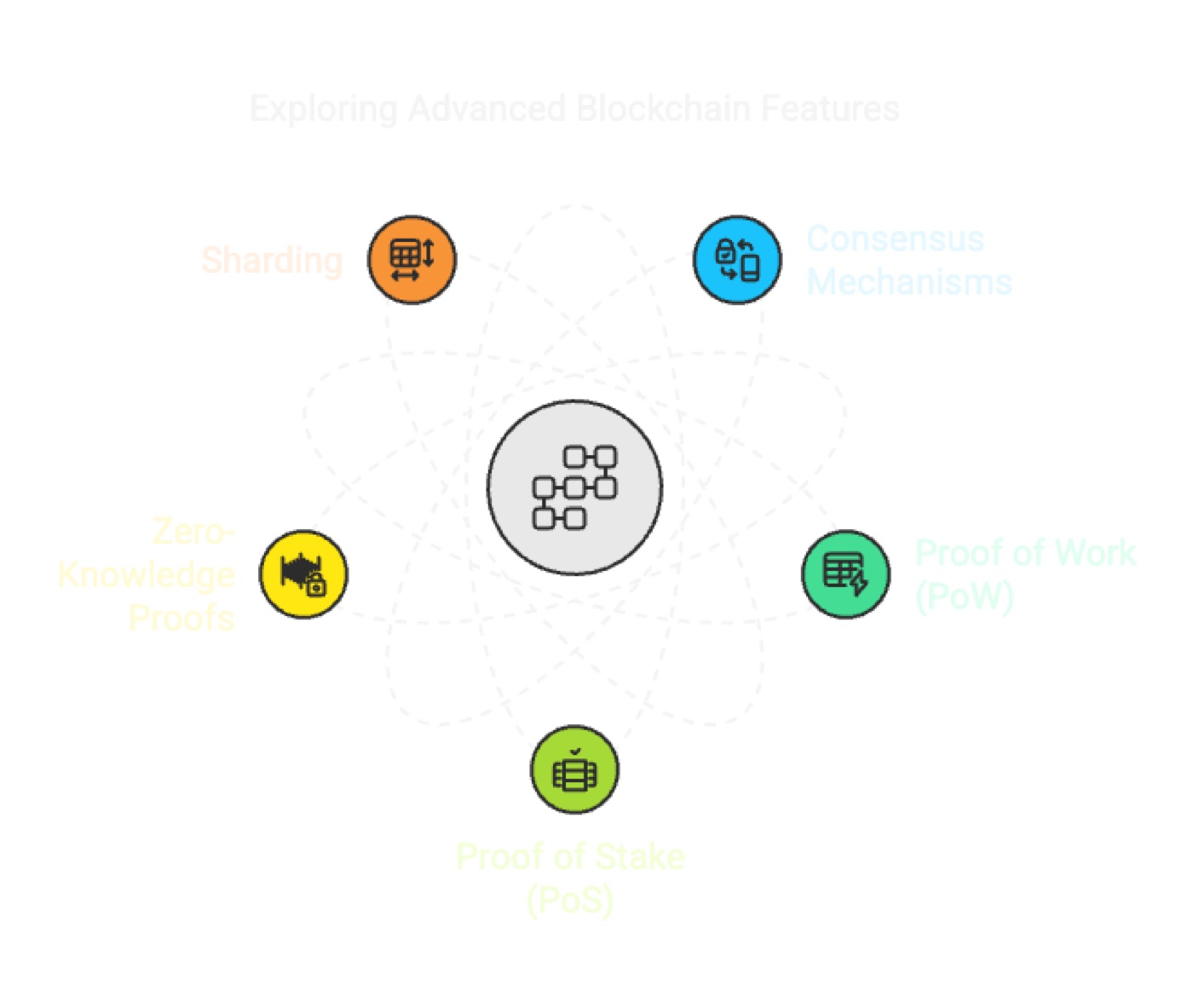
Beyond consensus, advanced techniques like zero-knowledge proofs are gaining attention. These proofs allow transactions to be verified without revealing any details. This enhances privacy, a crucial aspect for many users. Another technique, sharding, helps improve scalability. Sharding breaks the blockchain into smaller pieces, or shards, each capable of processing transactions. This reduces the load on the network and speeds up transaction processing.
These innovations highlight the evolving nature of blockchain. They address current limitations and pave the way for broader adoption. As these technologies mature, they promise to redefine how industries operate and interact.
Practical Examples
Bitcoin employs a system called Proof of Work (PoW). This involves miners solving complex puzzles to add blocks to the chain. Each block contains numerous transactions. The process is energy-heavy but ensures high security. Miners compete to solve these puzzles, and the first to succeed adds the block and earns a reward. This method has been effective but is often criticized for its energy consumption.
Ethereum, on the other hand, moved to a different system known as Proof of Stake (PoS) in September 2022. In PoS, validators are chosen to create new blocks based on the number of coins they hold and are willing to "stake" as collateral. This reduces the energy needed compared to PoW. The shift aims to increase transaction speed and lower environmental impact.
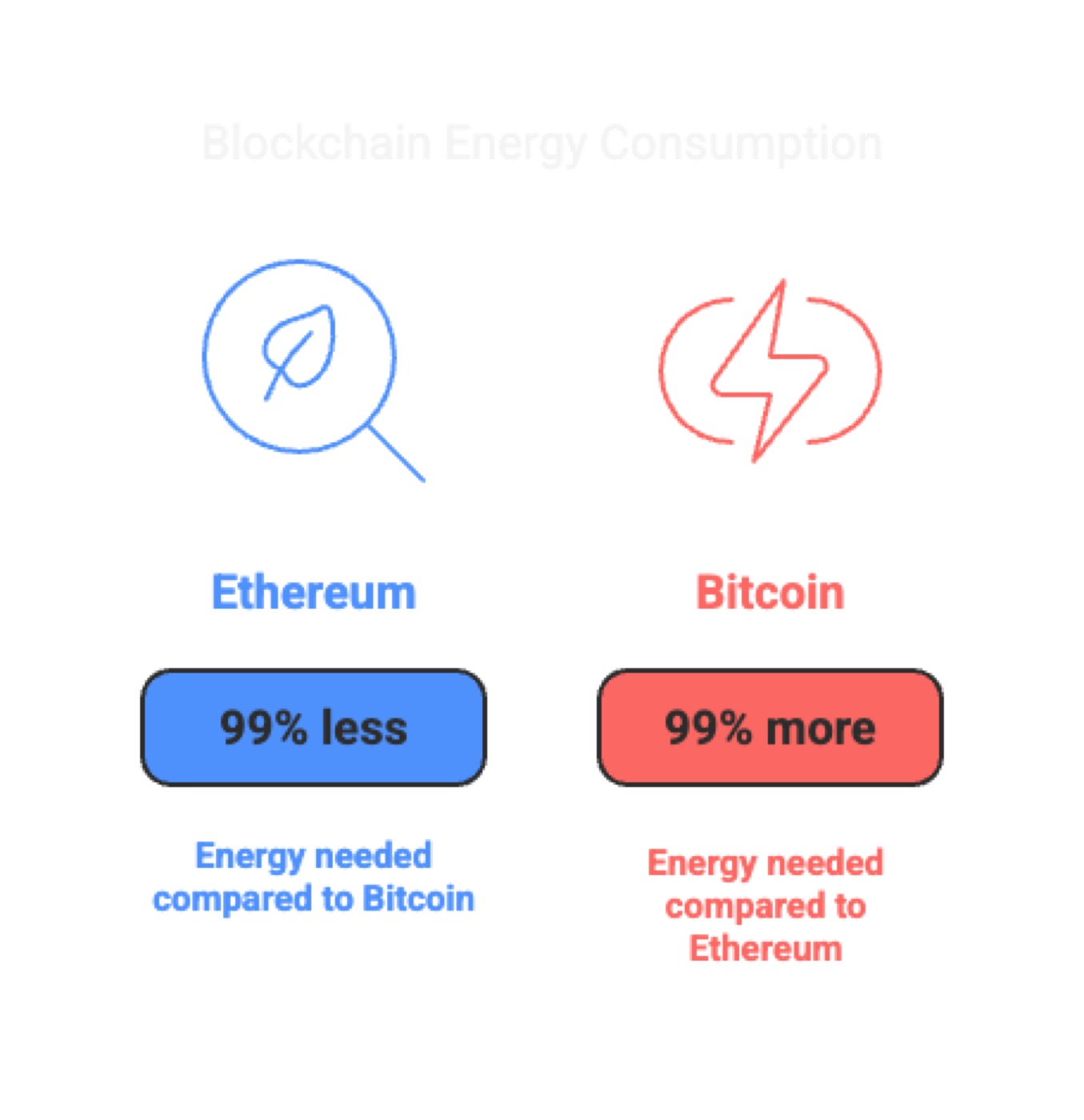
Both systems have their strengths. Bitcoin's PoW is robust and proven over time. Ethereum's PoS promises faster processing and less energy use. These examples highlight how different approaches manage transaction processing and security. They show the diverse strategies in play to enhance blockchain's role in digital transactions.
Addressing Common Misconceptions
Blockchain transactions often get labeled as anonymous, but they are more accurately described as pseudonymous. Each transaction is linked to a unique address, not directly to a person. This setup allows for some level of privacy, yet it doesn't provide complete anonymity. Understanding this distinction is crucial for users who prioritize privacy.
Another common misunderstanding is about blockchain speed. Many believe transactions are instant. In reality, transaction times vary significantly between networks. Bitcoin, for example, takes about 10 minutes for a block to be mined. Ethereum is faster, with transactions often confirmed in under a minute. However, these times can increase with network congestion.
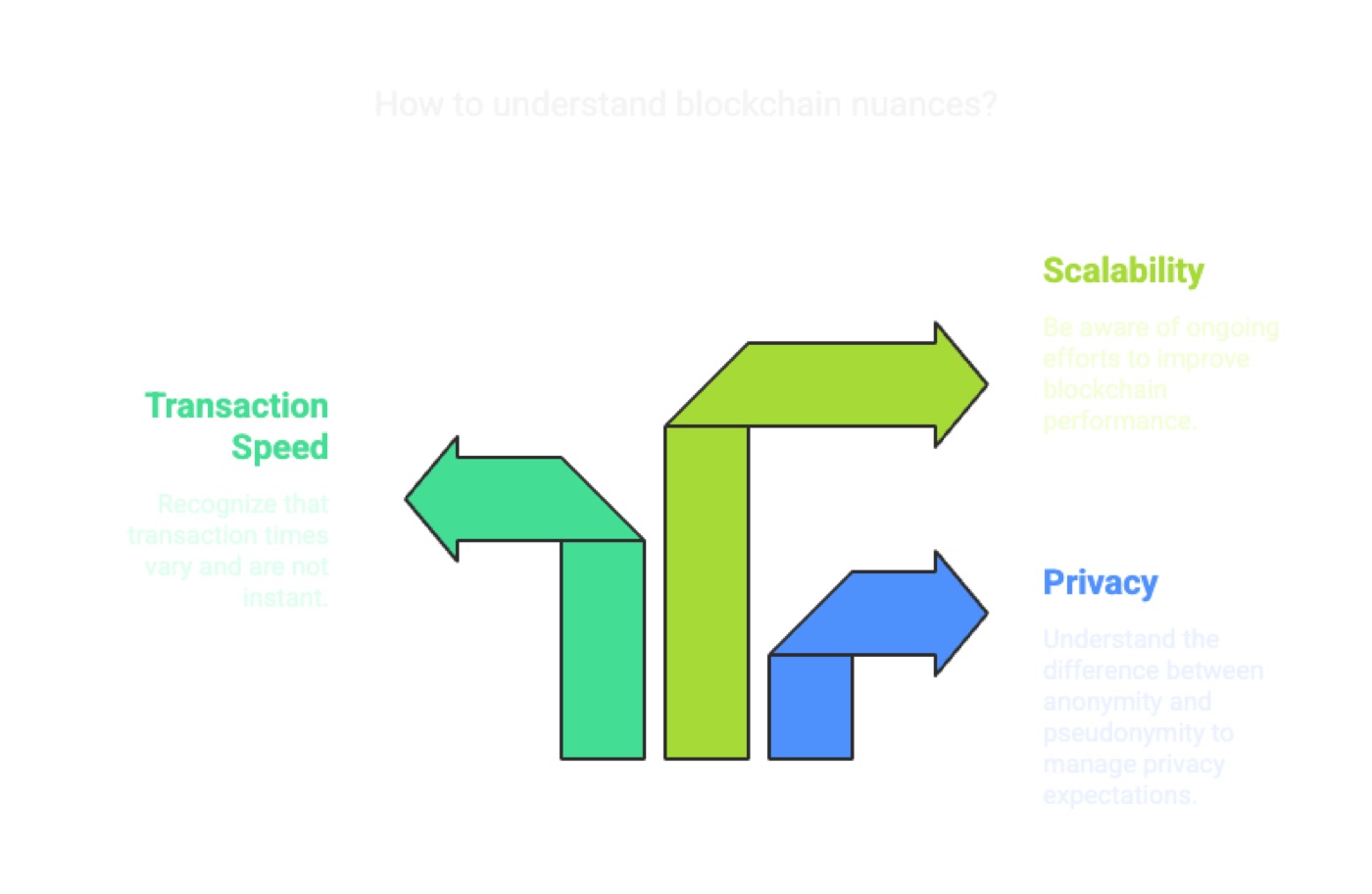
Scalability remains a hot topic. While early blockchains struggle with speed and capacity, new solutions are emerging. Techniques like sharding and Layer 2 solutions aim to enhance performance. These innovations promise to address current limitations and improve transaction throughput.
The conversation around blockchain continues to evolve. As more people engage with these systems, understanding these nuances becomes essential. This knowledge empowers users to navigate the landscape more effectively and make informed decisions.
Latest Developments
The blockchain landscape is evolving rapidly. One significant advancement is the rise of Layer 2 solutions. These are designed to improve transaction speed and reduce costs. The Lightning Network is a prime example. It enhances Bitcoin's scalability by enabling faster transactions off the main blockchain. This development addresses a common criticism of slow transaction times.
Quantum-resistant cryptography is another area gaining attention. As quantum computing advances, current cryptographic methods face potential threats. Blockchain projects are actively researching solutions to counteract these risks. This focus on future-proofing ensures the continued security of digital transactions.
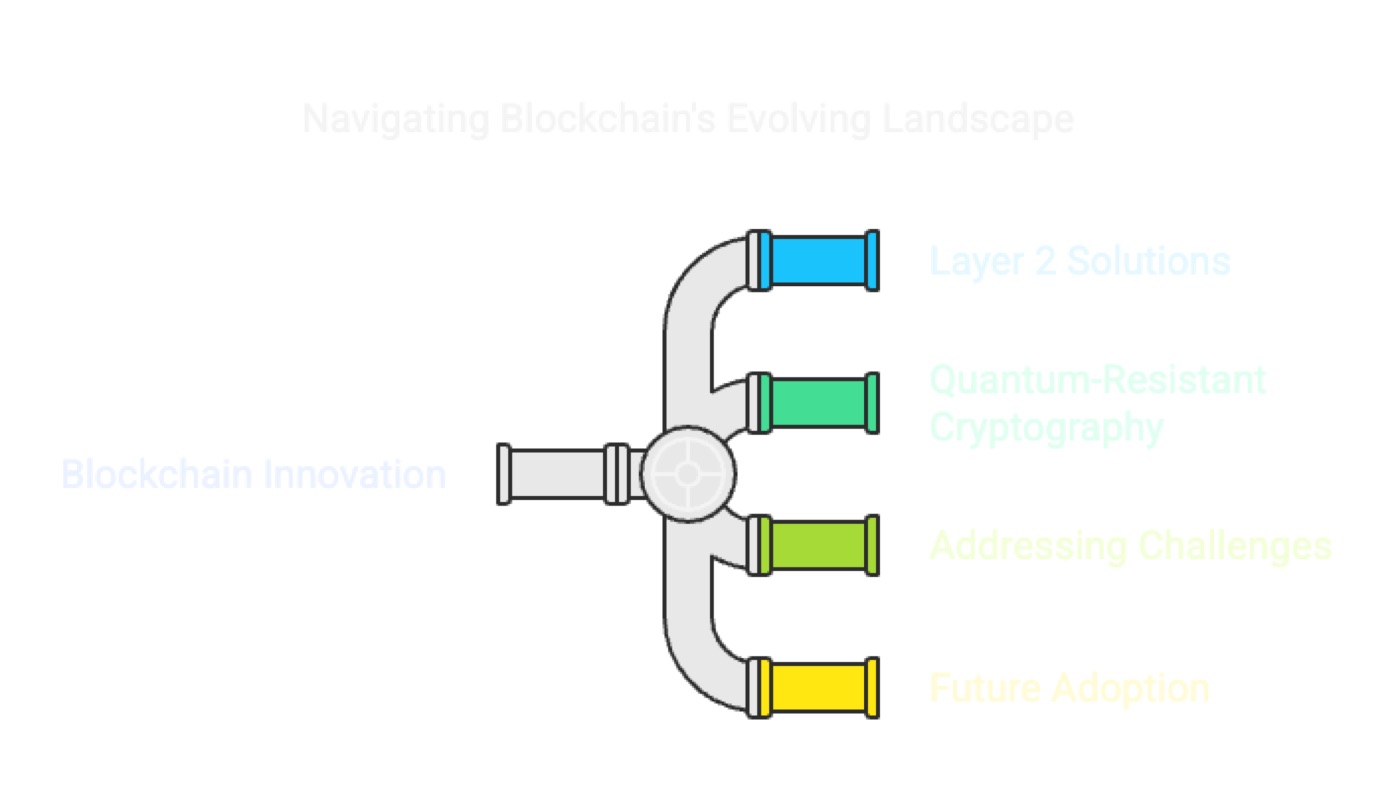
These developments highlight the ongoing innovation within the blockchain space. They demonstrate a commitment to addressing current challenges while preparing for future ones. As the technology matures, these advancements will play a crucial role in its broader adoption and application.
Expert Insights
Interoperability is crucial for blockchain networks to communicate effectively. As the number of blockchain platforms grows, the ability to transfer data and assets across different networks becomes essential. Experts emphasize that without interoperability, the full potential of blockchain cannot be realized. This is because isolated networks limit the exchange of information and value.
Security threats in the blockchain space are evolving. New vulnerabilities and attack vectors are constantly emerging. Therefore, staying informed about these threats is vital. Protective measures must be updated regularly to safeguard data and assets. Experts recommend continuous monitoring and adaptation to new security challenges.
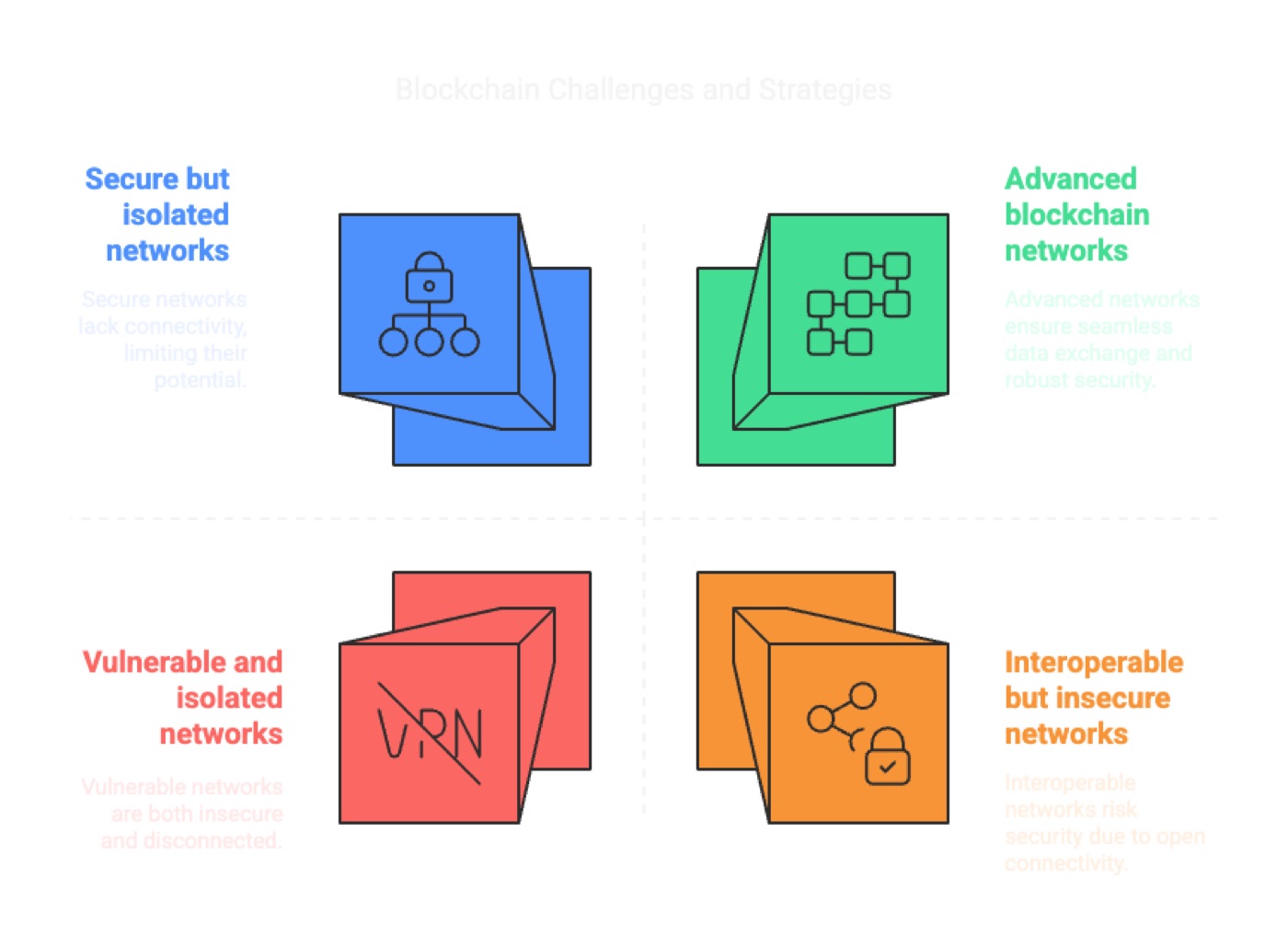
Understanding these aspects can help stakeholders make informed decisions. It also ensures that they are prepared for future developments in the blockchain landscape. As the industry evolves, keeping pace with changes in interoperability and security will be key to success.
Conclusion
Blockchain architecture is reshaping the digital landscape. Its decentralized nature offers a new way to handle data and transactions. This technology is not just about currency; it's about creating a secure and open system for various applications. As industries adopt these systems, they will see changes in how they operate and interact.
Looking ahead, the focus will be on making these systems work together. Interoperability is key. It allows different networks to communicate and share data efficiently. This will be crucial for the future of digital transactions and data management.
Cryptography is also evolving. With the rise of quantum computing, there is a push to develop new cryptographic methods. These innovations aim to protect data against potential threats from advanced computing power. As these developments unfold, they will play a significant role in the security landscape.
The potential of blockchain systems is vast. As we continue to explore and implement new solutions, the impact on various sectors will be profound. The journey is just beginning, and the possibilities are endless.
Further reading: VARA inspection readiness · Supervisors want evidence, not policies